
Introduction
Bringing a pet into your home is a rewarding experience, but it comes with responsibilities. In Malaysia, pet ownership is governed by local council regulations and animal welfare laws. This guide provides a comprehensive overview of pet care essentials for Malaysian pet owners, covering everything from nutrition and grooming to health care and training. Whether you're a first-time pet owner or looking to refresh your knowledge, these practical tips will help you provide a safe and loving environment for your furry, feathered, or scaly companion.
Choosing the Right Pet for Your Lifestyle
Before you bring a pet home, consider your living situation, budget, and time commitment. Different pets have different needs.
- Dogs require daily exercise, training, and social interaction. They suit active owners with space, such as a terrace house in Johor with a small yard.
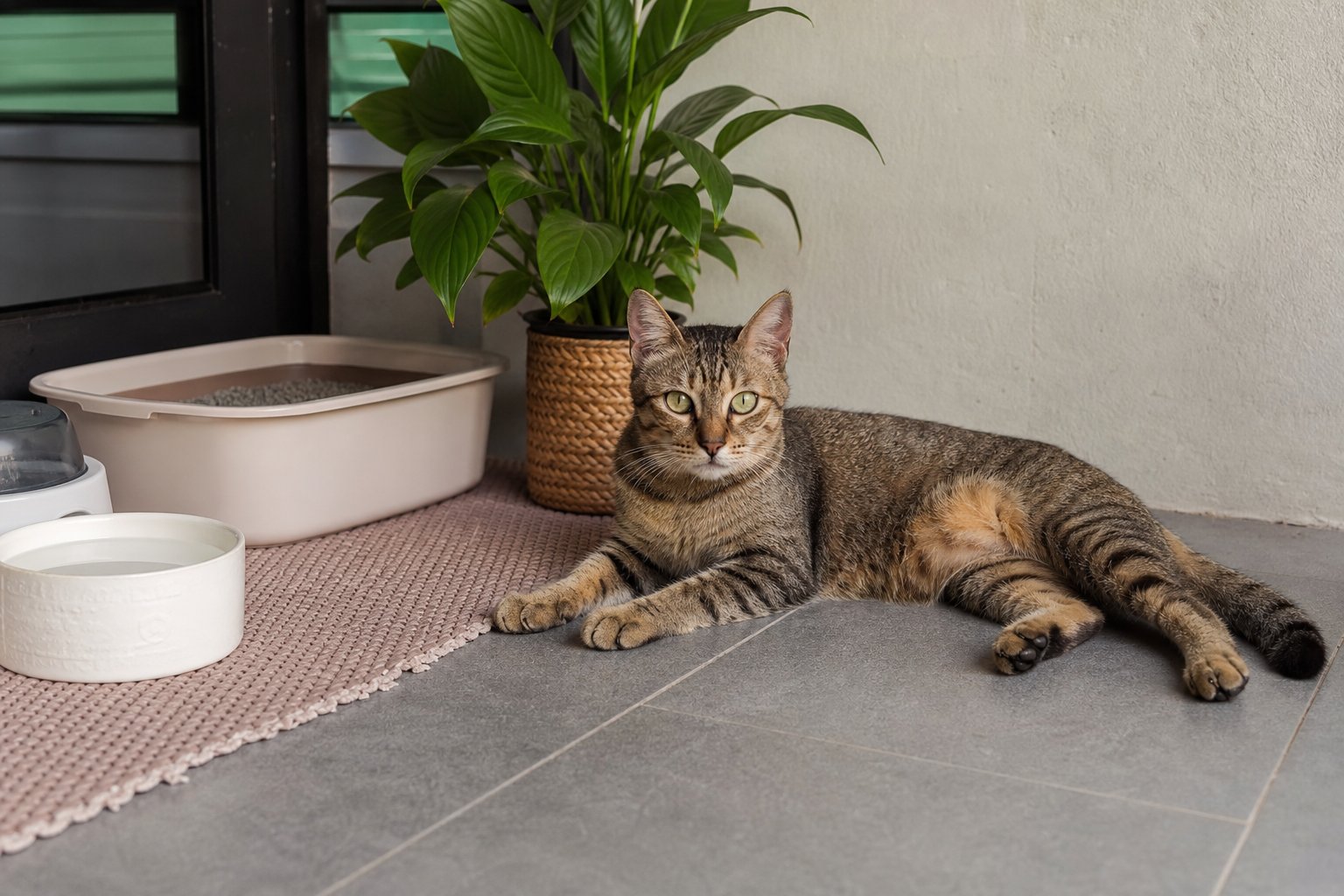
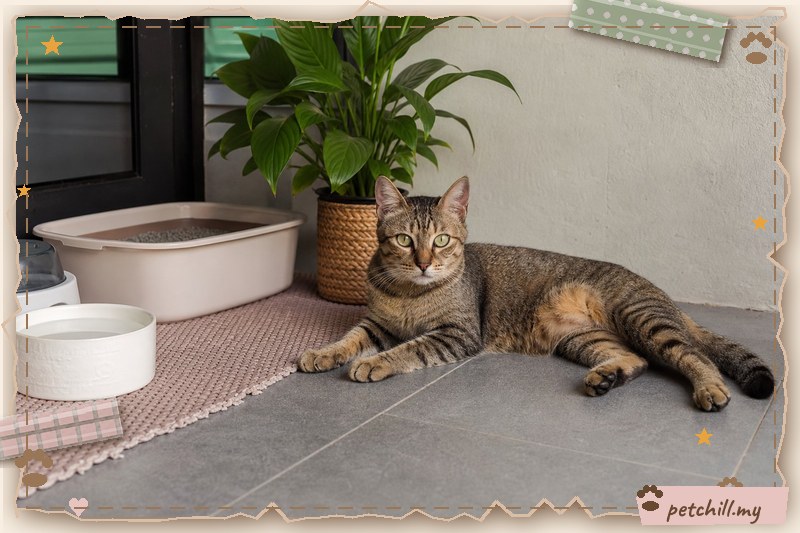
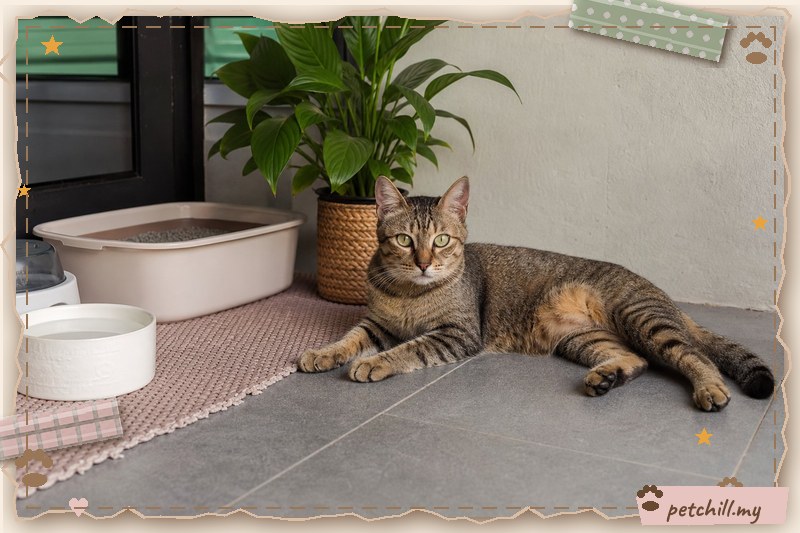
- Cats are more independent but still need playtime, scratching posts, and a safe indoor environment. They adapt well to apartments, like those in Kuala Lumpur.
- Small pets like rabbits, hamsters, and guinea pigs need appropriate cages, bedding, and a quiet space.
- Birds need social interaction, spacious cages, and mental stimulation.
- Fish require proper tank setup, filtration, and water quality management.
Consider the climate: Malaysia's hot and humid weather means pets need shade and ventilation. Also, check if your housing agreement allows pets; many apartments and condos have restrictions.
Nutrition: Feeding Your Pet Right
A balanced diet is the foundation of good health. Commercial pet foods are formulated to meet nutritional standards, but you must choose the right type for your pet's age, size, and health status.
- Dogs: Look for foods with named meat as the first ingredient. Avoid fillers like corn and soy. Puppies need puppy-specific food; adults need maintenance formulas; seniors may benefit from senior diets.
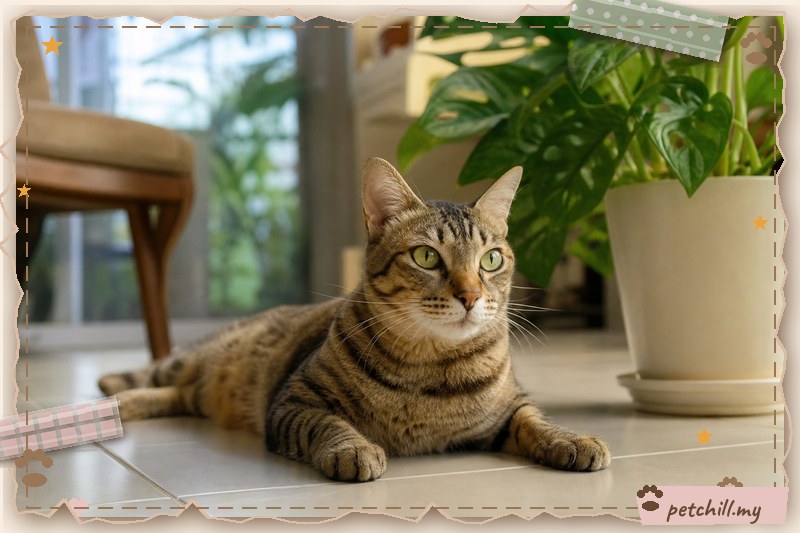
- Cats: Cats are obligate carnivores, so they need meat-based protein. Ensure taurine is included. Wet food helps with hydration.
- Small pets: Rabbits need unlimited hay, fresh greens, and limited pellets. Guinea pigs need vitamin C. Hamsters need a mix of seeds, grains, and fresh vegetables.
Avoid toxic foods: Chocolate, onions, garlic, grapes, raisins, xylitol (artificial sweetener), and alcohol are dangerous. Keep these out of reach.
Water: Always provide clean, fresh water. In Malaysia's heat, pets drink more, so refill bowls frequently.
Feeding schedule: Adult dogs and cats typically eat twice a day. Puppies and kittens need more frequent meals. Follow the feeding guide on the food package, but adjust based on your pet's body condition.
Treats: Use treats sparingly, especially for training. They should make up no more than 10% of daily calories.
Grooming and Hygiene
Regular grooming keeps your pet comfortable and healthy. It also helps you spot skin issues early.
- Brushing: Frequency depends on coat type. Long-haired breeds need daily brushing; short-haired pets can be brushed weekly. This reduces shedding and prevents matting.
- Bathing: Dogs typically need a bath every 4-8 weeks, depending on activity and skin condition. Cats usually groom themselves, but long-haired cats may need help. Use pet-specific shampoo.
- Nail trimming: Trim nails every 3-4 weeks. Overgrown nails can cause pain and mobility issues.
- Ear cleaning: Check ears weekly and clean gently with vet-approved solution. Avoid cotton swabs deep in the ear canal.
- Dental care: Brush your pet's teeth regularly with pet toothpaste. Dental chews and vet cleanings help prevent periodontal disease.
In Malaysia's humid climate, skin problems like fungal infections are common. Keep your pet dry, especially after walks in the rain, and ensure good ventilation.
Health Care and Preventive Medicine
Preventive care saves money and heartache. Establish a relationship with a local veterinarian.
Vaccinations: Core vaccines for dogs include distemper, parvovirus, hepatitis, and rabies (where required by law). Cats need feline panleukopenia, calicivirus, and rhinotracheitis. Your vet will advise on schedules and optional vaccines like leptospirosis.
Parasite control: Malaysia's tropical climate means fleas, ticks, and mosquitoes are year-round threats. Use vet-recommended flea and tick prevention. Heartworm is transmitted by mosquitoes; monthly preventive medication is recommended. Intestinal worms are also common; deworm regularly as advised.
Regular check-ups: Take your pet for a wellness exam at least annually. Puppies and kittens need more frequent visits for vaccinations and growth checks. Senior pets may need twice-yearly exams and blood tests.
Spaying and neutering: This helps control the pet population and can prevent certain cancers and behavioral issues. Discuss timing with your vet.
Microchipping: A permanent ID helps reunite lost pets with owners. Many vets offer this service.
Emergency care: Know the location and contact number of a 24-hour vet clinic near you. Keep a pet first-aid kit at home.
Training and Socialization
Training improves communication and strengthens your bond. Start early and use positive reinforcement.
- Basic commands: Sit, stay, come, and leave it are essential for safety.
- Socialization: Expose puppies and kittens to different people, animals, and environments in a controlled way. This prevents fear and aggression.
- House training: For puppies, take them out frequently and reward success. Crate training can help.
- Leash training: Teach your dog to walk calmly on a leash. This is important for walks in parks and neighborhoods.
- Cat training: Cats can learn to use scratching posts, litter boxes, and even simple commands with clicker training.
Consider enrolling in a local obedience class or hiring a professional trainer. Avoid aversive methods like shock collars; they can cause fear and harm.
Local Considerations for Malaysian Pet Owners
Living in Malaysia brings specific challenges and opportunities for pet owners.
Climate: The hot, humid weather can cause heat stress. Walk dogs early morning or evening. Provide shade and ventilation. Never leave pets in cars. Watch for signs of heatstroke: heavy panting, drooling, weakness, and collapse. Move to a cool area and seek vet care immediately.
Housing: Many apartments and condos have pet restrictions. Check your tenancy agreement and building management rules. Some breeds may be prohibited. If you rent, get written permission from your landlord.
Local councils: Dog licensing is mandatory in many areas. Contact your local council (e.g., DBKL for Kuala Lumpur, MBPJ for Petaling Jaya) for details. Fees and procedures vary. Keep your dog's license tag on its collar.
Animal welfare: The Animal Welfare Act 2015 (Act 772) governs animal welfare in Peninsular Malaysia. It prohibits cruelty and neglect. Ensure your pet has access to food, water, shelter, and veterinary care.
Pet-friendly places: Many cafes and some parks allow pets, but always check policies. Some malls and public transport prohibit pets. Respect these rules.
Common local hazards: Beware of poisonous plants like oleander and pothos. Also, keep pets away from rat poison and snail bait. In rural areas, watch for snakes and scorpions.
Daily Care Routine
A consistent routine helps your pet feel secure.
- Morning: Feed, fresh water, toilet break, short walk or play session.
- Midday: Check water, provide shade, maybe a chew toy or puzzle feeder.
- Evening: Feed, walk or play, grooming, training session.
- Night: Toilet break, quiet time.
Adjust based on your pet's needs. Cats need daily play to prevent boredom. Dogs need exercise appropriate to their breed and age.

Common Health Issues in Malaysia
- Heatstroke: As above.
- Fungal infections: Ringworm and yeast infections thrive in humidity. Keep skin dry.
- Parasites: Fleas, ticks, heartworm, and intestinal worms are prevalent.
- Dental disease: Common in dogs and cats; brush teeth regularly.
- Obesity: Overfeeding and lack of exercise lead to obesity, which causes other health problems.
- Kidney disease: Common in older cats; ensure hydration.
When to See a Vet
Seek veterinary care immediately if you notice:
- Difficulty breathing or persistent coughing
- Vomiting or diarrhea lasting more than 24 hours
- Refusal to eat or drink for more than a day
- Lethargy or weakness
- Seizures or convulsions
- Signs of pain (limping, crying, reluctance to move)
- Blood in urine or feces
- Heatstroke symptoms (heavy panting, drooling, collapse)
- Any suspected poisoning
For non-emergencies, book a appointment for check-ups, vaccinations, and preventive care.
Comparison Table: Pet Care Essentials by Pet Type
| Aspect | Dogs | Cats | Small Pets (Rabbits, Guinea Pigs) |
|---|---|---|---|
| Daily Exercise | 30-60 minutes walk/play | 15-20 minutes active play | 1-2 hours out of cage (rabbits) |
| Grooming | Brush weekly, bathe every 4-8 weeks | Brush weekly (long-haired daily) | Brush weekly, trim nails monthly |
| Vet Visits | Annual wellness exam | Annual wellness exam | Annual wellness exam |
| Vaccinations | Core vaccines (distemper, parvo, rabies) | Core vaccines (panleukopenia, calici, rhino) | Rabbits: myxomatosis (where available) |
| Parasite Control | Monthly flea/tick/heartworm prevention | Monthly flea/tick prevention | Regular mite/lice checks |
| Housing | Secure yard or indoor with walks | Indoor with litter box | Spacious hutch/cage with exercise pen |
| Diet | Balanced commercial dog food | Meat-based cat food | Hay-based for rabbits; vitamin C for guinea pigs |
| Training | Obedience training essential | Litter training, scratching post | Litter training possible |
Conclusion
Pet care in Malaysia requires attention to local climate, regulations, and health risks. By providing proper nutrition, grooming, preventive health care, and training, you can ensure your pet leads a happy and healthy life. Always consult a Malaysian veterinarian for personalized advice. Remember, pet ownership is a long-term commitment; be prepared to provide love, time, and resources for your pet's lifetime.
Disclaimer: This guide is for informational purposes only and does not replace professional veterinary advice. Always consult a licensed veterinarian for health concerns specific to your pet.
Related reading
- Vet Visit Cost Explained for Cat Owners in Malaysia: What You're Actually Paying For
- Cat Food Budget Explained for Cat Owners: A Practical Guide to Feeding Costs in Malaysia
- Cat Litter Budget Explained for Cat Owners: A Practical Guide to Costs, Savings and Smart Choices
- Cat Insurance Explained for Cat Owners in Malaysia
- Cat Insurance for Cat Owners in Malaysia: What It Covers and How to Choose
- Vet Visit Cost for Cat Owners in Malaysia: What to Expect and How to Budget
- Cat Food Budget for Cat Owners in Malaysia: A Practical Guide
- Cat Litter Budget for Cat Owners in Malaysia: A Practical Guide
- Emergency Vet Explained for Cat Owners in Malaysia: When to Go, What to Expect, What to Bring
- Emergency Vet for Cat Owners in Malaysia: What to Do in the First 10 Minutes
- Pet Care Guide Malaysia: Norwegian Forest Cat — Grooming, Climbing Space and Health