
Quick answer
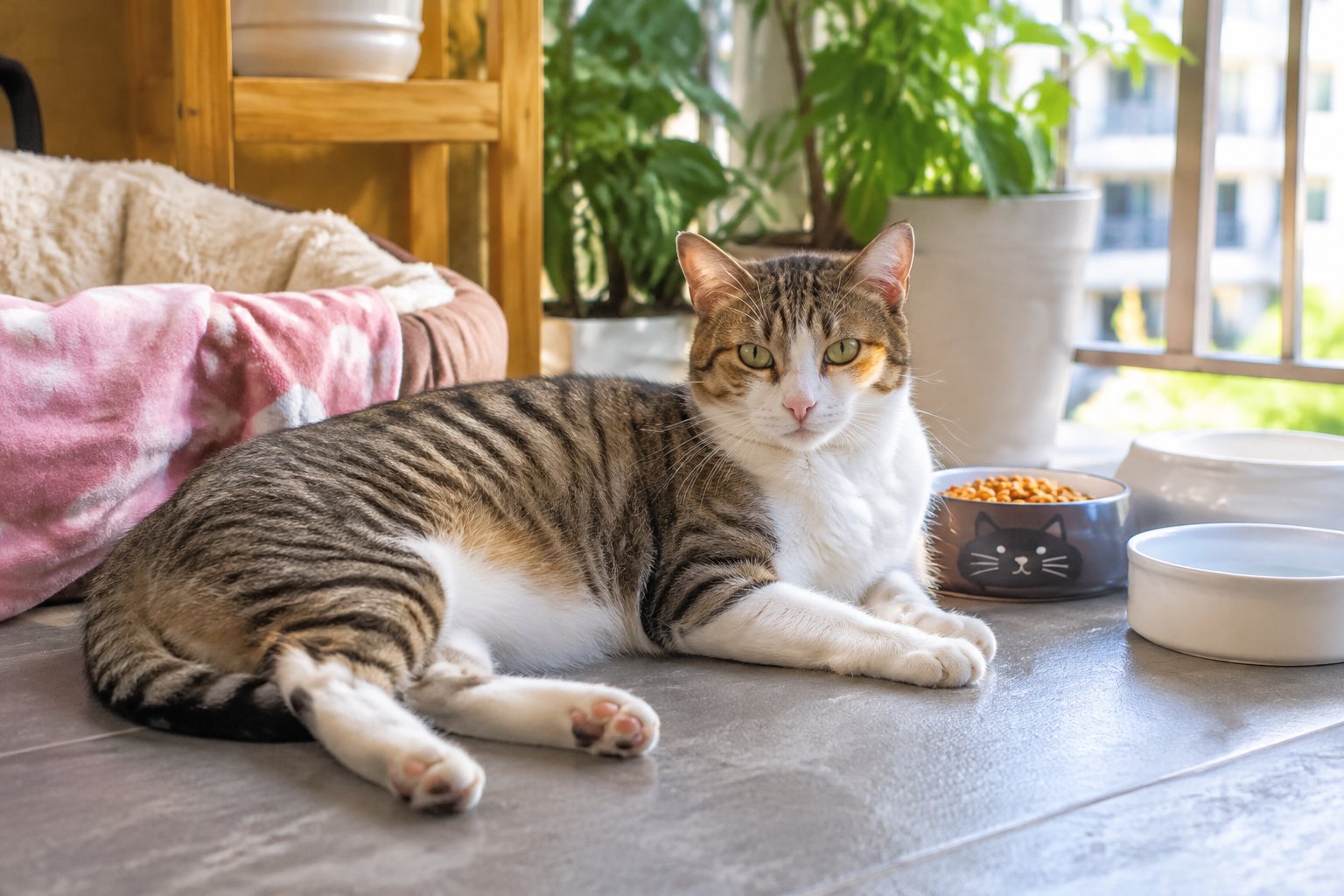
A realistic cat food budget in Malaysia depends on your cat's weight, age, and food type. Dry food is generally cheaper per meal than wet food. Plan by calculating daily portions, comparing price per 100g of protein, and buying larger packs. Expect to spend more on wet food, premium brands, and special diets. Always consult a Malaysian vet for personalised advice.
Why a cat food budget matters
Feeding a cat is a long-term commitment. Food is one of the biggest ongoing costs of cat ownership, alongside vet care and litter. Without a plan, it's easy to overspend on premium brands or underspend on poor-quality food that may affect your cat's health. A budget helps you provide complete and balanced nutrition while keeping your household finances stable.
In Malaysia, cat owners face a wide range of food options: local brands, imported brands, dry kibble, canned wet food, pouches, and homemade diets. Prices vary by retailer, pack size, and location. Rather than chasing the cheapest option, focus on value: the cost per meal that meets your cat's nutritional needs.
Understanding your cat's nutritional needs
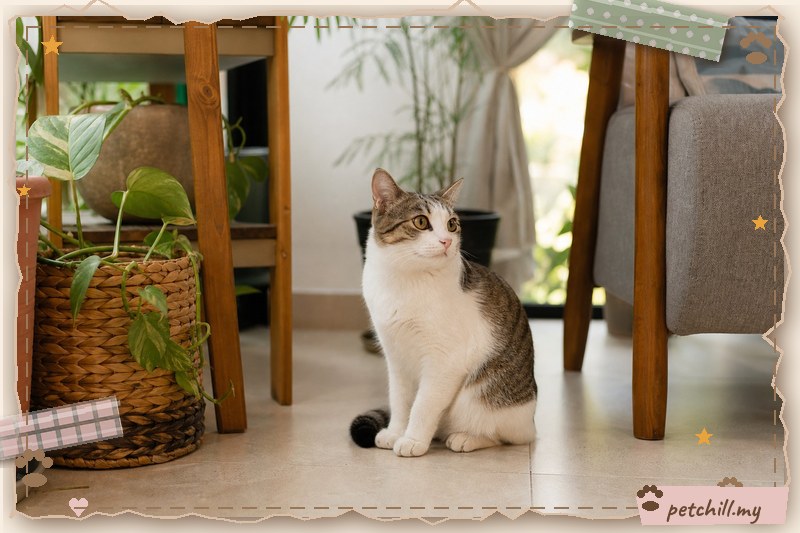
Cats are obligate carnivores. They need animal-based protein, specific amino acids like taurine, and certain vitamins and minerals. A complete and balanced commercial diet should state that it meets AAFCO or equivalent nutritional standards. Avoid feeding solely meat or fish without supplementation, as this can lead to deficiencies.
Key factors that affect how much food your cat needs:
- Weight: heavier cats need more calories.
- Age: kittens need more calories per kg than adults; seniors may need fewer.
- Activity level: indoor cats are often less active.
- Neutered status: neutered cats have lower energy needs.
- Health conditions: some conditions require special diets.
Always follow the feeding guide on the product label as a starting point, then adjust based on your cat's body condition. You should be able to feel your cat's ribs without pressing hard, and see a waist from above.
Wet food vs dry food: cost and nutrition comparison
Wet food and dry food differ in cost, convenience, and nutritional profile. Here's a comparison to help you budget.
| Factor | Dry food | Wet food |
|---|---|---|
| Cost per meal | Generally lower | Generally higher |
| Water content | Low (about 10%) | High (about 75-80%) |
| Convenience | Easy to store and serve | Requires refrigeration after opening |
| Palatability | Varies | Often more palatable |
| Dental health | Some dental benefits from crunching | No dental benefit |
| Shelf life | Long | Long unopened, short after opening |
| Protein content | Often high | Varies, often high |
| Carbohydrate content | Often higher | Often lower |
Dry food is usually more economical per calorie because it contains less water. However, wet food provides hydration, which is beneficial for cats that don't drink enough water. Many owners feed a mix: a portion of wet food daily plus dry food for free-feeding. This can balance cost and hydration.
When comparing prices, calculate the cost per 100g of food and the cost per 100 kcal. This gives a fairer comparison than pack price alone. For example, a large bag of dry food may seem expensive but lasts much longer than several cans of wet food.

How to calculate your cat's daily food cost
To build a budget, you need to know how much your cat eats per day and the cost per unit of food.
Step 1: Determine daily calorie needs. A rough guideline for adult cats is 50-60 kcal per kg of body weight per day. For a 4 kg cat, that's about 200-240 kcal daily. Adjust for age and activity.
Step 2: Find the calorie content of your food. The label may state kcal per 100g or kcal per kg. If not, check the manufacturer's website or ask the retailer.
Step 3: Calculate daily amount. Divide daily calorie needs by the food's calorie density. For example, if your food has 350 kcal per 100g, a 4 kg cat needing 220 kcal would eat about 63g of dry food daily.
Step 4: Calculate cost per day. If a 2 kg bag costs RM X and contains 20,000g, cost per gram is X/20,000. Multiply by daily grams. Do the same for wet food.
Step 5: Add treats and supplements. Don't forget treats, which should be limited to less than 10% of daily calories. Supplements may add cost.
This calculation gives you a baseline. Prices vary, so ask your local retailer or vet for current pricing.
Money-saving tips for cat food
You can manage your cat food budget without sacrificing nutrition. Here are practical tips:
- Buy larger packs: Larger bags of dry food often cost less per kg. Store in an airtight container to maintain freshness.
- Choose mid-range brands: Reputable mid-range brands can offer good nutrition at lower cost than premium imports. Look for a named meat source and complete nutritional adequacy.
- Mix wet and dry: Feed a small portion of wet food daily for palatability and hydration, and use dry food for the rest. This reduces cost compared to an all-wet diet.
- Control portions: Overfeeding wastes food and harms health. Use a kitchen scale to measure exact portions.
- Watch for sales: Stock up during promotions, but check expiry dates.
- Avoid unnecessary supplements: A complete diet doesn't need extra supplements unless your vet recommends them.
- Consider homemade diets cautiously: Homemade diets can be cheaper but require veterinary nutritionist guidance to avoid deficiencies. The cost of supplements and time may outweigh savings.
- Prevent food waste: Store food properly. Wet food left out too long must be discarded.
Feeding schedule and portion control
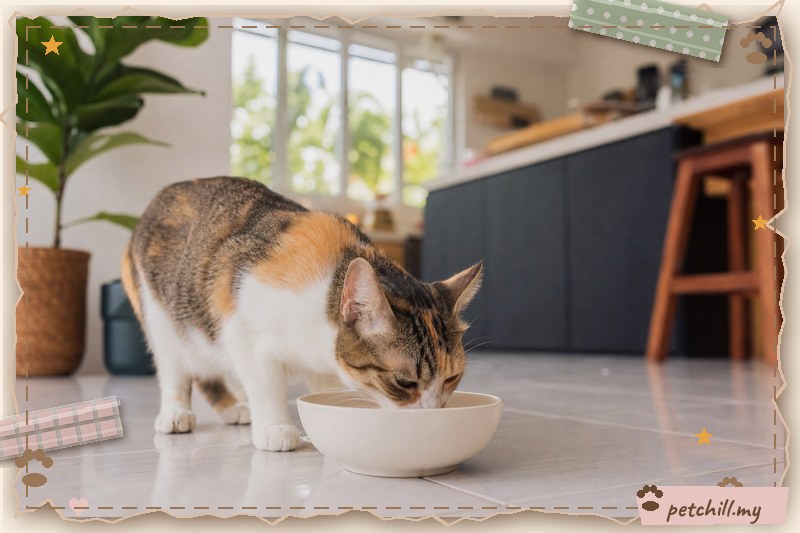
A consistent feeding schedule helps prevent overeating and makes budgeting easier. Adult cats can be fed twice daily. Kittens need more frequent meals. Measure portions accurately.
Free-feeding dry food can lead to overeating and weight gain. If you free-feed, measure the daily amount and don't top up until the next day. For wet food, serve at room temperature and discard leftovers after 30 minutes.
Use the body condition score to adjust portions. If your cat is gaining weight, reduce portions slightly. If losing, increase. Always consult a vet before making significant changes.
Special diets and health conditions
Some cats require prescription diets for conditions like kidney disease, urinary stones, diabetes, or allergies. These diets cost more than regular food. Budget for them if your cat has a diagnosed condition. Your vet will recommend a suitable diet. Do not attempt to manage medical conditions with over-the-counter food without veterinary guidance.

When to see a vet
Consult a veterinarian if you notice any of the following:
- Your cat refuses food for more than 24 hours.
- Sudden weight loss or gain.
- Vomiting or diarrhoea lasting more than a day.
- Difficulty urinating or blood in urine.
- Changes in thirst or appetite.
- Your cat has a medical condition requiring a special diet.
A vet can help you choose an appropriate food and portion size, and rule out underlying health issues.
Related reading
- Pet Care Guide Malaysia: Essential Tips for New Pet Owners
- Pet Care Guide Malaysia: Norwegian Forest Cat — Grooming, Climbing Space and Health
- Cat Insurance for Cat Owners in Malaysia: What It Covers and How to Choose
- Cat Litter Budget for Cat Owners in Malaysia: A Practical Guide
- Vet Visit Cost Explained for Cat Owners in Malaysia: What You're Actually Paying For
- Vet Visit Cost for Cat Owners in Malaysia: What to Expect and How to Budget
- Absolute Holistic Buying Guide Malaysia 2026: Air-Dried, Canned & Bisque Explained
- Balinese Cat Care in Malaysia: Grooming, Company and Health Warning Signs
- Beagle in Malaysia: A Practical Care Guide for Our Climate and Homes
- Belgian Malinois in Malaysia: A Complete Guide for High-Drive Working Dogs
- Blue-Tongue Skink Care in Malaysia: Enclosure, UVB, Diet and Handling
- Border Collie in Malaysia: Exercise, Training and Care Guide



