
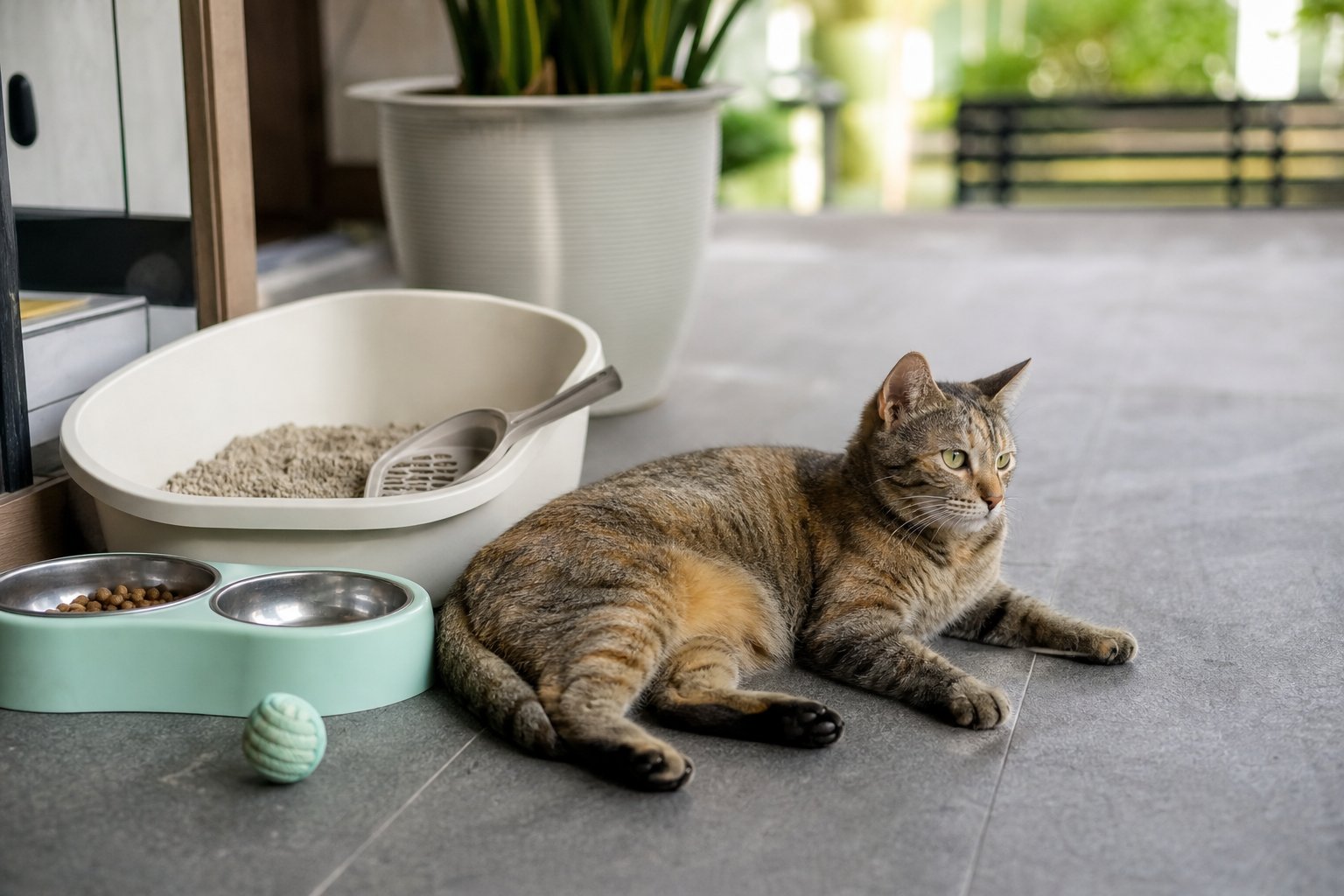
Why Your Cat Litter Budget Matters
Cat litter is one of those recurring expenses that can quietly add up. Many cat owners focus on food and vet bills but overlook litter costs until they realise they're buying bags more often than expected. Understanding what drives the cost of cat litter helps you plan better, avoid waste, and keep your cat healthy.
This guide explains the factors that affect your litter budget, compares common litter types, and offers practical ways to save money without sacrificing hygiene. We'll also cover when litter box habits signal a health problem that needs a vet.
What Determines the Cost of Cat Litter?
Several factors influence how much you spend on litter each month:
- Litter type: Clumping clay, non-clumping clay, silica gel, wood pellets, paper pellets, and tofu-based litters all have different price points and lifespans.
- Number of cats: More cats mean more boxes and more frequent changes.
- Cat's habits: Some cats urinate more or dig vigorously, using up litter faster.
- Box size and fill level: A larger box needs more litter, but a too-shallow layer may lead to more frequent full changes.
- Cleaning routine: Daily scooping extends litter life; skipping days means you'll replace litter sooner.
- Brand and packaging: Premium brands and smaller bags cost more per kilogram. Buying in bulk often reduces the unit price.
- Where you shop: Prices vary between pet stores, online retailers, and supermarkets. Compare locally.
Because prices vary widely in Malaysia, we won't quote specific figures. Instead, focus on cost per week of use, not just the price on the bag.
Comparing Common Litter Types: Cost and Practicality
The table below summarises typical characteristics of popular litter types. Remember that actual prices and performance vary by brand and your cat's preferences.
| Litter Type | Typical Cost Level | Clumping Ability | Odour Control | Dust Level | Biodegradable | Notes |
|---|---|---|---|---|---|---|
| Clumping clay | Medium to high | Excellent | Good | Moderate to high | No | Heavy; good for odour control but dusty |
| Non-clumping clay | Low to medium | None | Fair | Moderate | No | Requires frequent full changes |
| Silica gel | High | None (absorbs moisture) | Excellent | Low | No | Long-lasting but expensive upfront |
| Wood pellets | Low to medium | None (sawdust forms) | Good | Low | Yes | Lightweight; some cats dislike texture |
| Paper pellets | Medium | None | Fair | Low | Yes | Good for sensitive cats; may need more frequent changes |
| Tofu-based | Medium to high | Good | Good | Low | Yes | Soft texture; some cats may eat it |
When comparing costs, consider how often you need to replace the litter. A more expensive clumping litter that lasts three weeks may be cheaper per week than a cheap non-clumping litter that needs full replacement twice a week.
How to Calculate Your Monthly Litter Budget
To estimate your litter budget, follow these steps:
- Count your cats and boxes. Use the one-box-per-cat-plus-one rule.
- Determine litter usage per box. A common guideline is to fill the box to about 5–7 cm depth. For an average-sized box, that's roughly 3–5 kg of clumping litter. For non-clumping, you may use less per change but change more often.
- Decide your changing schedule. Clumping litter: scoop daily, full change every 2–4 weeks. Non-clumping: full change every 2–3 days. Adjust based on odour and your cat's habits.
- Calculate weekly usage. Multiply the amount per change by the number of changes per month, then divide by 4.
- Check local prices. Look at the price per kilogram for your chosen litter. Multiply by weekly usage to get a weekly cost, then multiply by 4 for monthly.
Example: If you have one cat, one box, use 4 kg of clumping litter per full change, and change every 3 weeks, you use about 4 kg every 3 weeks, or roughly 5.3 kg per month. If the litter costs a certain amount per kg, multiply accordingly. Because prices vary, ask your retailer for the current price per kg.
Remember to factor in the cost of litter box liners (if used) and cleaning supplies.
Money-Saving Tips That Won't Harm Your Cat
You can reduce your litter budget without compromising your cat's health or hygiene:
- Buy in bulk: Larger bags usually cost less per kilogram. Store in a dry place.
- Choose the right litter for your cat: If your cat is happy with a mid-range litter, don't overspend on premium options unless needed.
- Scoop daily: Removing clumps and solids daily prevents odour and extends litter life.
- Use a larger box with adequate depth: A too-small box forces more frequent changes. A larger box with the right amount of litter can last longer.
- Avoid overfilling: More litter doesn't mean better odour control; it just wastes litter.
- Consider mixing litters: Mix a small amount of premium clumping litter with a budget clay to improve clumping while lowering cost.
- Make your own litter? Not recommended; homemade litters may not control odour or may be unsafe.
- Watch for sales: Stock up during promotions, but check expiry dates.
- Use liners wisely: Liners can make cleaning easier but add cost. If your cat tears them, skip them.
- Keep the box clean: A clean box means your cat won't avoid it, reducing accidents that require extra cleaning.
Never try to save money by skipping full changes or using less litter than needed. A dirty box can cause your cat to hold urine, leading to urinary tract issues.
Litter Box Setup: How Many Boxes and Where to Put Them
The general rule is one litter box per cat plus one extra. For example, two cats need three boxes. This reduces competition and stress, and can prevent inappropriate elimination.
Place boxes in quiet, accessible locations away from food and water. In Malaysian apartments, consider placing boxes in bathrooms or utility areas with good ventilation. Avoid damp areas that can cause litter to clump poorly or grow mould.
More boxes mean more litter, so budget accordingly. However, the cost of extra litter is often less than the cost of cleaning carpets or treating stress-related health issues.
When Litter Box Habits Signal a Health Problem
Changes in litter box behaviour can indicate medical issues. See a vet if you notice:
- Straining to urinate or crying out while urinating.
- Frequent trips to the box with little urine produced.
- Blood in urine.
- Avoiding the litter box entirely.
- Diarrhoea or constipation that persists.
- Increased thirst and urination (could indicate diabetes or kidney disease).
Urinary blockages, especially in male cats, are emergencies. If your cat is straining and nothing comes out, seek veterinary care immediately.
Choosing the Right Litter for Your Cat's Preferences
Cats can be picky about litter texture and scent. When introducing a new litter, mix it with the old one gradually over a week. If your cat refuses the new litter, you may need to return to the previous type. This trial-and-error can affect your budget, so buy small bags first.
Some cats prefer fine-grained clumping litter, while others dislike the texture of pellets. Observe your cat's behaviour: if they dig enthusiastically and use the box consistently, the litter is likely acceptable.
Environmental and Health Considerations
Dust and scent are important. Excessive dust can irritate your cat's respiratory tract and be unpleasant for you. Unscented litters are generally safer for cats with sensitivities. If you have asthma or allergies, choose low-dust options like wood or paper pellets.
Biodegradable litters (wood, paper, tofu) are more environmentally friendly but may cost more or perform differently. Balance your budget with your environmental priorities.
Local Examples
- In a Kuala Lumpur apartment, space is limited, so you might use a covered box to contain odour. Covered boxes can concentrate dust and smell, so scoop daily and choose a low-dust litter. Budget for one extra box if you have multiple cats.
- In a Johor terrace house, you might place boxes in a utility area or bathroom. Humidity can affect litter, so store litter in sealed containers and consider silica gel or wood pellets that handle moisture well.
When to See a Vet
Consult a veterinarian if your cat shows any of the following:
- Straining to urinate or defecate.
- Blood in urine or stool.
- Not using the litter box despite a clean box.
- Excessive licking of the genital area.
- Vomiting, lethargy, or loss of appetite combined with litter box changes.
These signs can indicate urinary tract infections, blockages, kidney disease, diabetes, or other conditions. Early intervention saves money and improves outcomes.
Vet Disclaimer
This article provides general information only and is not a substitute for professional veterinary advice. Always consult a licensed veterinarian for diagnosis and treatment of your cat's health issues. Prices and product availability vary; check with local retailers and your vet for personalised recommendations.
Related reading
- Pet Care Guide Malaysia: Essential Tips for New Pet Owners
- Cat Food Budget Explained for Cat Owners: A Practical Guide to Feeding Costs in Malaysia
- Pet Care Guide Malaysia: Norwegian Forest Cat — Grooming, Climbing Space and Health
- Vet Visit Cost Explained for Cat Owners in Malaysia: What You're Actually Paying For
- Cat Insurance for Cat Owners in Malaysia: What It Covers and How to Choose
- Vet Visit Cost for Cat Owners in Malaysia: What to Expect and How to Budget
- Absolute Holistic Buying Guide Malaysia 2026: Air-Dried, Canned & Bisque Explained
- Balinese Cat Care in Malaysia: Grooming, Company and Health Warning Signs
- Beagle in Malaysia: A Practical Care Guide for Our Climate and Homes
- Belgian Malinois in Malaysia: A Complete Guide for High-Drive Working Dogs
- Blue-Tongue Skink Care in Malaysia: Enclosure, UVB, Diet and Handling



