
What is a British Shorthair? Quick overview
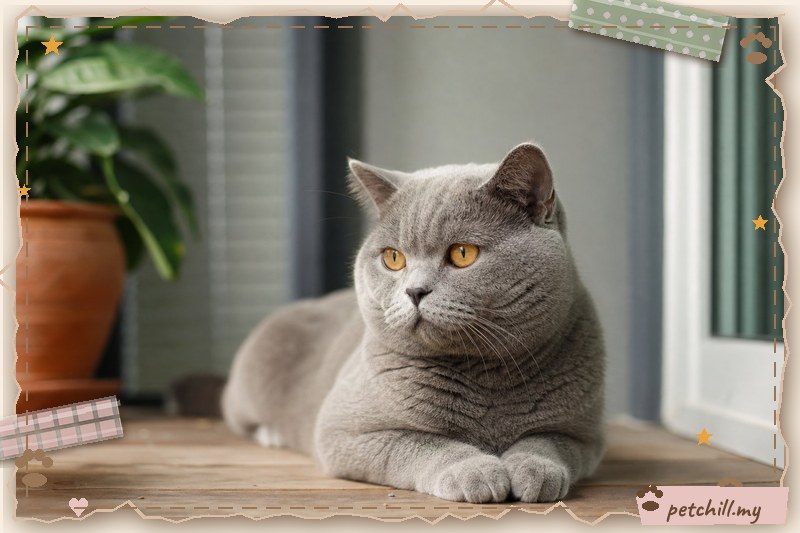
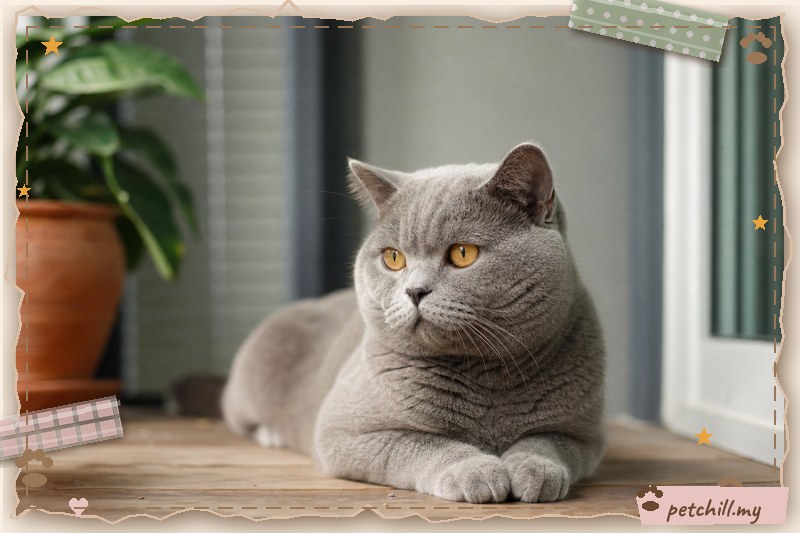
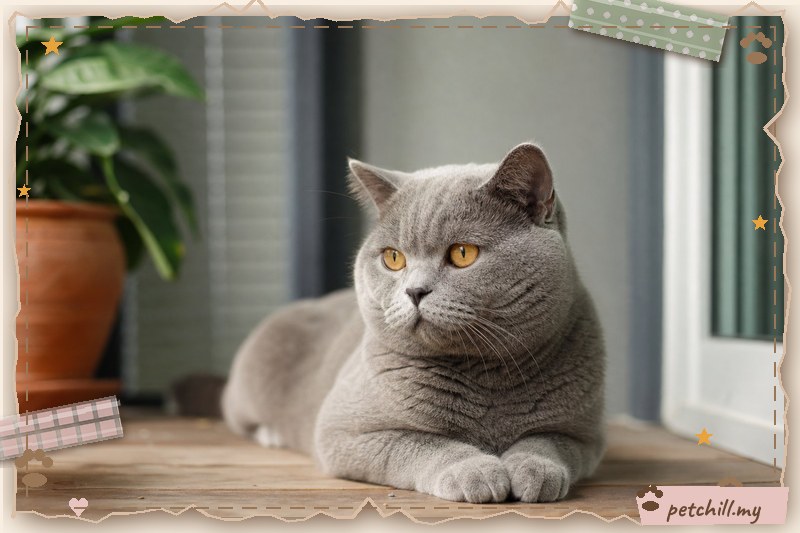
The British Shorthair is one of the oldest cat breeds, known for its round face, dense plush coat and easy-going 'roommate' personality. It is quiet, independent and not overly clingy, but enjoys being in the same room as you. This makes it a good fit for working adults and apartment living.
| Feature | British Shorthair |
|---|---|
| Origin | United Kingdom |
| Average lifespan | 12–15 years (some reach 17+) |
| Weight | Male 5–8 kg; female 4–5.5 kg |
| Coat | Short, dense, plush; heavy shedding in season |
| Vocalisation | Low and infrequent |
| Tolerance of being alone | High |
| Maturity | Fully grown around 3 years |
| Common colours | Blue (classic), golden, silver, blue-and-white |
Three key points to remember:
- Quiet does not mean no attention needed – daily interactive play is still essential for weight and mental health.
- Obesity is the number one enemy – a round shape is part of the breed standard, but excess fat is a disease. The difference can be just one or two kilograms.
- Slow maturity – they keep growing until about three years old, so do not overfeed a lean-looking kitten.
Is a British Shorthair right for you?
| Owner type | Suitability | Reason |
|---|---|---|
| Busy professionals | Very suitable | Tolerates alone time; short play sessions suffice |
| First-time cat owners | Suitable | Stable temperament, easy grooming, few behavioural surprises |
| Small apartment or open-plan home | Suitable | Moderate activity; a cat tree and window perch are enough |
| Want a highly interactive 'dog-like' cat | Not ideal | Dislikes being held for long; interaction is passive |
| Very sensitive to cat hair | Assess carefully | Dense coat sheds considerably in season |
Self-check (three questions):
- Are you okay with a cat that sits near you but does not constantly jump on your lap?
- Can you commit to measured meals and resist giving extra food when your cat begs?
- Do you have a budget for routine care and an emergency fund for medical costs?
If you answer 'no' to two or more, a British Shorthair may not be the breed for you. You might prefer a more interactive breed such as a Siamese or Oriental Shorthair.
British Shorthair vs other breeds
| Breed | Vocalisation | Affection level | Obesity risk | Grooming needs | Suitable for beginners |
|---|---|---|---|---|---|
| British Shorthair | Low | Medium | High | 2–3 times a week | Yes |
| American Shorthair | Low | Medium | Medium | Weekly | Yes |
| Ragdoll | Low | High | Medium | Daily (long hair) | Yes, if you can groom daily |
| Siamese | High | Very high | Low | Weekly | If you have time for interaction |
| Russian Blue | Low | Medium-high | Low | Weekly | Yes |
In short: choose a British Shorthair for quiet independence, a Siamese for chatty interaction, and a Ragdoll for a cuddly companion. There is no better or worse – only what fits your lifestyle.
Common misconceptions about the British Shorthair
| Misconception | Reality |
|---|---|
| British Shorthairs are small cats | Adult males can reach 8 kg; they are medium to large. Buy large cat trees and litter boxes. |
| Short hair means no grooming | The coat is very dense; without regular brushing, mats and hairballs can form. Brush two to three times a week. |
| A round shape is normal, so they are not fat | Roundness comes from bone structure and coat, not fat. Excess weight leads to diabetes and joint problems. |
| Only blue is a true British Shorthair | Dozens of colours are accepted, including golden, silver and blue-and-white. |
Remember: the breed's 'easy' reputation depends on three habits – measured feeding, monthly weigh-ins and annual vet checks. Without these, the British Shorthair can become a costly patient.
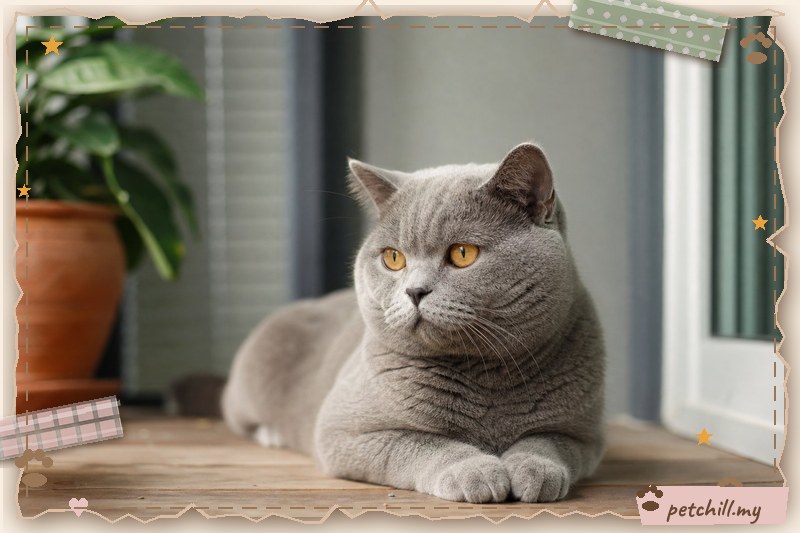
Feeding a British Shorthair: the daily routine
Diet is the first priority because this breed gains weight easily. Excess fat strains joints and increases the risk of diabetes and urinary problems.
- Feed measured meals two to three times a day. Do not leave food out all day.
- Count treats towards daily calories – keep them under 10% of intake.
- Choose a light or weight-control formula if needed. Ask your vet for a suitable diet.
- Weigh monthly on a kitchen scale and record the number. If weight rises for two consecutive months, reduce portions by 5–10%.
Sample daily routine (adjust to your schedule):
- Morning: one measured meal; fresh water in all bowls.
- Evening: second measured meal after a 10–15 minute play session.
- Before bed: quick grooming and a litter check.
Treat guide: a piece of treat about the size of a die is roughly 5 kcal. Limit to two pieces a day.
Grooming and daily care
Coat: brush two to three times a week to remove loose undercoat and prevent mats. During shedding season (often around April–May and September–October in Malaysia's climate), brush daily.
Exercise: even though they are calm, British Shorthairs need at least one interactive play session daily. A 15-minute session before meals works well. Use wand toys, puzzle feeders or laser pointers (always end with a tangible toy).
Other care: trim nails regularly, check ears, and wipe the mouth after wet food to reduce chin acne. British Shorthairs have short muzzles, so watch for breathing noises.
Health screening schedule
The main concerns for British Shorthairs are polycystic kidney disease (PKD), hypertrophic cardiomyopathy (HCM) and urinary tract issues. Regular checks are cheaper than emergency treatment.
| Age | Recommended checks | Notes |
|---|---|---|
| 2–4 months | First-year vaccinations and deworming | Ask your vet for a schedule |
| 6 months | Pre-neuter blood test and neutering | Discuss timing with your vet |
| 1 year | Annual health check and vaccine booster | Establish baseline weight |
| 2–6 years | Annual check; from age 3, consider a baseline heart ultrasound | Early detection of HCM |
| 7+ years | Annual blood test, urine test, blood pressure and heart ultrasound | More frequent monitoring |
Three daily observations (free but important):
- Water intake: a sudden increase can signal kidney disease or diabetes.
- Litter box: frequent visits with little urine, or crying while urinating, is an emergency – especially in male cats.
- Weight: weigh monthly; a gain of more than 200 g over two months means adjust portions.
When to see a vet
Seek veterinary attention promptly if you notice any of the following:
- Straining to urinate or no urine produced – this is a life-threatening emergency, especially in male cats.
- Blood in urine or frequent trips to the litter box.
- Sudden increase in thirst and urination.
- Loss of appetite, weight loss or vomiting.
- Lethargy or sleeping much more than usual.
- Rapid breathing or extreme tiredness after mild exercise – could indicate heart disease.
- Breathing noises or open-mouth breathing – flat-faced breeds are more prone to respiratory issues.
When in doubt, call your vet. It is better to check early than to wait.
Living in a Malaysian apartment
- Small spaces are fine: British Shorthairs have moderate activity needs. A tall cat tree (at least 120–150 cm) by a window and a soft perch will keep them happy. Make sure the tree is stable – an 8 kg cat can topple a flimsy one.
- Heat and humidity: their thick coat makes them sensitive to heat. Keep air-conditioning or fans on during hot days, provide multiple water bowls, and brush regularly to help them shed. Never leave a cat in a hot car or unventilated room.
- Litter box placement: choose a quiet spot, scoop daily, and use a large box – British Shorthairs are clean and appreciate space.
- Window screens: essential to prevent falls from high-rise apartments. Even though British Shorthairs are not escape artists, screens are a must.
- Water stations: place several water bowls or a pet fountain to encourage drinking and reduce urinary risk.
Adopting vs buying in Malaysia
- Buying: choose a responsible breeder who can show health screening certificates for PKD and HCM, and who allows you to see the parents. Prices vary by breeder and pedigree – ask for a written health guarantee.
- Adopting: British Shorthairs and mixes occasionally appear in rescue groups. Be prepared to help an overweight cat lose weight gradually. Ask for medical history and current diet.
- Checklist before bringing your cat home:
- Ask for vaccination and deworming records.
- Confirm PKD and HCM screening status of parents.
- Observe breathing for any noise or effort.
- Prepare a quiet room, litter box, food and water bowls, and a carrier.
Cost of caring for a British Shorthair
Costs vary by clinic, location and the individual cat's needs. Budget for:
- Routine care: vaccinations, deworming, neutering and annual health checks.
- Food and litter: monthly expenses depend on brand and portion size.
- Medical reserve: set aside a monthly amount for potential PKD, HCM or urinary checks. Ask your vet for a written estimate before procedures.
- Insurance: consider pet insurance to help with unexpected bills.
There are no fixed prices – always confirm with your local vet and retailer.
Practical checklist for new owners
- Choose a stable cat tree and place it near a window.
- Switch from free-feeding to measured meals.
- Buy a kitchen scale and record weight monthly.
- Install window screens.
- Set up multiple water bowls or a fountain.
- Schedule a vet visit for a baseline check.
- Groom two to three times a week.
- Play interactively for at least 10–15 minutes daily.
Start today
- Pick a suitable cat tree for your home.
- Measure your cat's food and set a feeding schedule.
- Weigh your cat and note the date.
- Check window screens and water bowls.
With these habits, your British Shorthair can stay healthy and lean, even in a small Malaysian apartment.
This article is for general information only. Always consult a registered veterinarian for health concerns.
Related reading
- Cat Breeds in Malaysia: A Practical Guide to Choosing the Right Cat (2026)
- Cat Breeds in Malaysia: 12 Popular Breeds Compared (2026)
- Abyssinian Cat Disadvantages in Malaysia: 7 Honest Truths Before You Adopt
- American Shorthair Disadvantages in Malaysia: 7 Honest Trade-Offs Before You Adopt
- American Shorthair Personality in Malaysia: Friendly, Confident, High-Energy
- Bengal Cat Guide Malaysia: Personality, Energy Needs and Health Care