
Corgi
Corgi · Dog · Malaysia
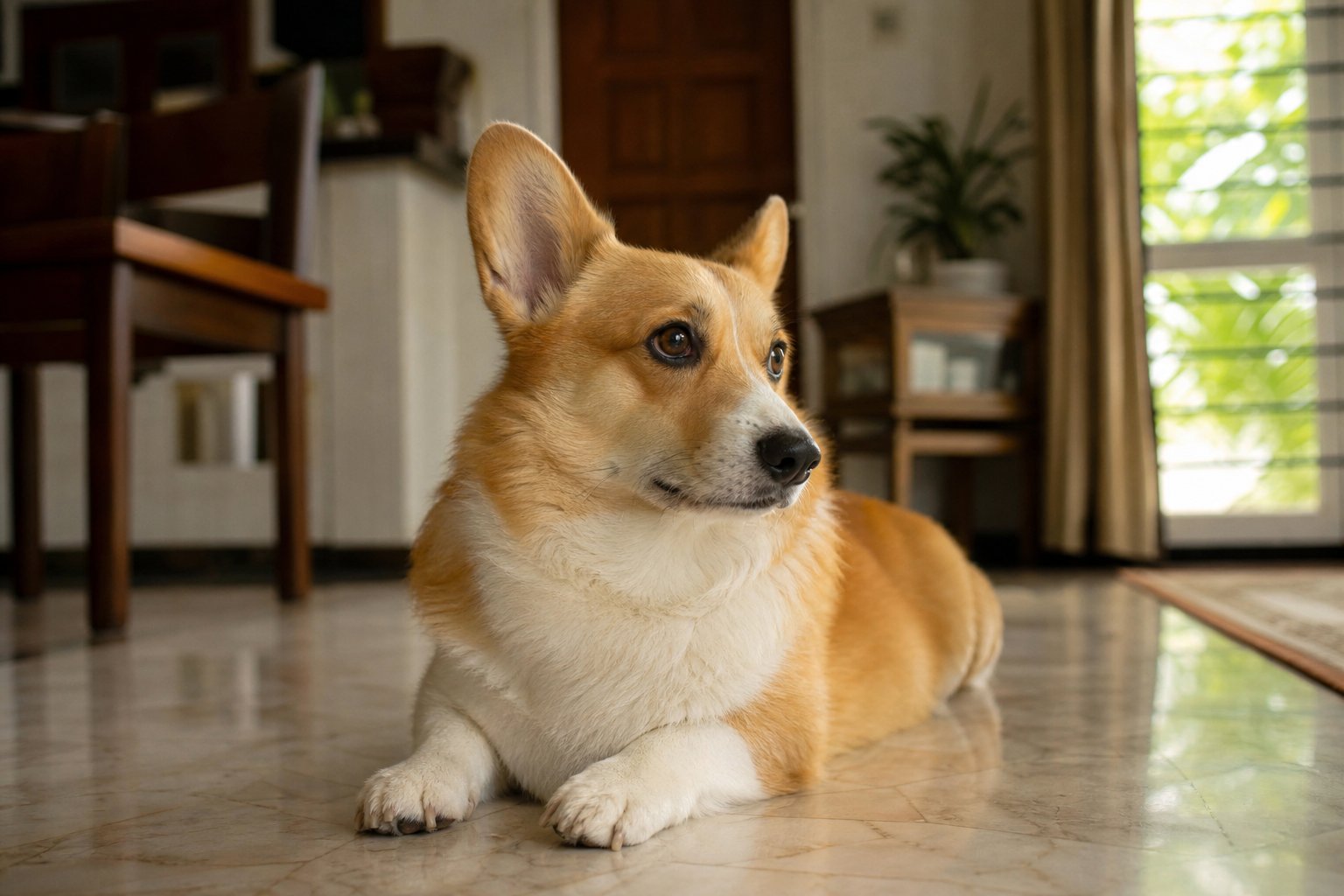
Quick answer
Corgis are clever, herding dogs with short legs and long backs. In Malaysia they suit air-conditioned homes, need early-morning or evening walks, careful weight control and regular grooming to manage shedding and humidity-related skin issues.
Quick facts
- Origin
- Wales
- Size
- Small
- Lifespan
- 12-15 years
- Weight
- Small breed, typically around 10 to 14 kg depending on build and sex
- Coat
- Short, dense double coat that sheds regularly and needs brushing two to three times a week
- Price guidance
- Ask local breeders for a current quote; prices vary with papers, colour, size and availability.
Personality
- Alert
- Confident
- Playful
- Food-motivated
- Vocal
Corgis are small herding dogs from Wales known for their big personality, fox-like faces and surprisingly sturdy build. In Malaysia's hot, humid climate, they do best as indoor companions in apartments or condos with a cool resting spot and a consistent routine. This guide covers temperament, daily care, grooming, training and health so local owners can plan realistic care.
Temperament: What Corgi Life Is Really Like
Corgis are alert, confident and often described as big dogs in small bodies. They were bred to herd livestock, so they are intelligent, vocal and quick to notice changes around the home. Many are affectionate with family but can be wary of strangers and may bark when someone approaches the door, which matters in a condo with shared corridors. They are playful and food-motivated, which makes training easier but also means they can gain weight quickly. Some Corgis are bossy with other pets and may chase moving things. Early socialisation helps them stay calm around neighbours, children and other dogs. Expect a dog that wants to be involved in everything, follows you room to room and needs mental stimulation to stay settled.
Daily Life in a Malaysian Home
A Corgi can live comfortably in a Malaysian apartment or condo if daily needs are met. The main challenge is heat: the short coat helps, but Corgis still overheat easily, so keep them indoors during the hottest part of the day with air-conditioning or fans and cool flooring. Provide fresh water in several spots and avoid midday walks on hot pavement, which can burn paws. Corgis are social and dislike long periods alone, so plan for midday interaction or a dog walker if you work long hours. Because they are vocal, teach quiet behaviour early to keep peace with neighbours. A predictable routine of morning and evening walks, short play sessions and rest helps them settle.
Grooming for Humidity and Shedding
The Corgi's short, dense double coat is manageable but sheds steadily, with heavier moulting periods. Brush two to three times a week with a deshedding tool or rubber curry brush to remove loose hair and keep the coat healthy. In Malaysia's humidity, check the skin under the coat for redness, damp patches or odour, and dry the dog thoroughly after rain or a bath. Bathe only when needed with a mild dog shampoo, then dry completely. Trim nails regularly and clean ears weekly, since warm damp conditions can encourage ear infections. Check between the toes and keep that area dry. Regular grooming sessions are also a good time to look for lumps, rashes or hot spots.
Exercise: Timing and Joint Care
Corgis need daily exercise, but their long backs and short legs mean quality matters more than distance. Aim for two shorter walks, ideally early morning and after sunset when the ground is cooler, plus indoor play and scent games. Avoid stairs, jumping off furniture and repetitive high-impact activity, as these stress the spine and hips. Swimming is not a natural fit for most Corgis, so supervised play and flat-ground walking are safer. Watch for panting, lagging or reluctance to continue in the heat and stop early. Mental exercise, such as puzzle feeders and short training games, tires them without overheating. Keep exercise consistent rather than intense on weekends only, and adjust on very humid days.
Training a Clever, Food-Motivated Dog
Corgis learn quickly but can be stubborn, so short, positive sessions work best. Use treats, praise and play as rewards, and keep training to five or ten minutes at a time, especially in warm weather. Teach basic cues such as sit, stay, come and loose-leash walking early, then add calm behaviour at the door and quiet commands for condo living. Corgis are prone to barking, so reward silence and redirect attention when they alert. Socialise puppies to different people, sounds and floor surfaces, and continue gentle exposure as adults. Avoid harsh corrections, which can make a sensitive herding dog defensive. Enrol in a local reward-based puppy class if available, and practise indoors during the day when it is too hot outside.
Feeding and Weight Management
Corgis are enthusiastic eaters and gain weight easily, which puts extra strain on their long backs and hips. Feed a complete, balanced dog food suitable for their age and size, measured into portions rather than free-fed, and adjust amounts based on body condition and activity. Keep treats small and count them in the daily total. In Malaysia's heat, some dogs drink less, so encourage water and consider adding moisture with vet-approved wet food if needed. Avoid human food that is fatty, salty or toxic, such as chocolate, grapes and onions. Puppies need appropriate growth food and frequent small meals. Ask your local vet for a weight target and review it regularly, since keeping a lean body condition is one of the best ways to protect joints.
Health Watch for Malaysian Corgis
Corgis are generally hardy, but their body shape and breed tendencies mean some issues deserve attention. Long backs make them prone to spinal problems, and short legs can contribute to hip and elbow concerns, so keep weight down and limit jumping and stairs. Some Corgis develop eye conditions and skin problems, and humidity can worsen skin folds and ear infections. Watch for limping, difficulty jumping, a hunched back, reluctance to move, scratching, redness or ear odour, and see a vet early rather than waiting. Regular check-ups at a local clinic help track weight, joints, eyes and skin. Because Malaysia's climate is warm year-round, parasite prevention and heartworm prevention should follow your vet's advice.
Intervertebral disc disease
Watch for: Reluctance to move, yelping, a hunched back, wobbling or dragging limbs.
Care: Keep weight lean, limit stairs and jumping, and contact a vet promptly if signs appear.
Hip dysplasia
Watch for: Limping, stiffness after rest, difficulty rising or reluctance to exercise.
Care: Maintain a healthy weight, use gentle low-impact exercise and ask a vet about joint checks.
Obesity
Watch for: Weight gain, a thick waist, reduced stamina or difficulty grooming hard-to-reach areas.
Care: Measure meals, limit treats, keep daily exercise consistent and review weight with a vet.
Ear and skin infections
Watch for: Scratching, head shaking, ear odour, redness or damp patches under the coat.
Care: Dry thoroughly after baths or rain, clean ears weekly and seek vet advice for persistent signs.
Choosing a Corgi in Malaysia
Before bringing a Corgi home, assess whether your household can provide indoor cooling, a consistent routine and time for grooming and training. Corgis are not low-effort dogs despite their size: they shed, bark and need mental work. Meet the puppy or adult dog, ask about health screening of the parents where possible, and choose a responsible source rather than an impulse purchase. Consider adoption or rehoming groups as well as breeders. Confirm your condo allows dogs and check building rules before committing. Plan a local vet contact, budget for routine care and emergencies, and prepare a cool sleeping area. A Corgi can thrive in Malaysia with thoughtful management, but only if the whole household agrees to the daily commitment.
Caring in Malaysia
- The short coat suits Malaysia, but Corgis have long backs and can overheat. Exercise them early morning or evening, keep them indoors during the day, and provide cool flooring and plenty of water.
- Brush the short, dense coat two to three times a week to control shedding, especially during moulting. Keep nails trimmed and clean the ears and between toes, as humidity can trigger infections.
- Watch the weight, since obesity worsens hip dysplasia and spinal problems. Notice limping, difficulty jumping, a hunched back or reluctance to move, and see a vet early. Avoid stairs and jumping off furniture.
Frequently asked questions
Can a Corgi live in a Malaysian apartment or condo?
Yes, a Corgi can live in an apartment or condo if daily needs are met. They are small but active and vocal, so provide morning and evening walks, indoor play, cool air-conditioning and training for quiet behaviour. Check your building's pet rules before committing.
How do I stop my Corgi overheating in Malaysia?
Keep your Corgi indoors during the hottest hours and walk only early morning or after sunset. Provide cool flooring, fans or air-conditioning and constant fresh water. Watch for heavy panting or lagging and stop exercise early. Never leave a dog in a parked car.
How often should I groom a Corgi in humid weather?
Brush your Corgi two to three times a week, more during moulting, and check the skin for dampness or redness. Clean ears weekly, trim nails regularly and dry the coat fully after rain or baths. Humidity makes ear and skin infections more likely, so keep those areas dry.
Are Corgis good with children and other pets?
Many Corgis are affectionate with family and can do well with children and other pets when socialised early. Their herding instinct may lead to chasing or bossiness, so supervise interactions, teach children gentle handling and reward calm behaviour around other animals.
How much exercise does a Corgi need each day?
A Corgi needs roughly two shorter walks daily plus indoor play and mental games. Schedule walks for cooler hours, avoid stairs and jumping, and adjust for heat and humidity. Consistent, moderate exercise protects the long back and helps control weight.
What should I feed a Corgi to keep it healthy?
Feed a complete, balanced dog food in measured portions and keep treats small, because Corgis gain weight easily. Adjust amounts to body condition and activity, provide plenty of water and avoid fatty or toxic human foods. Ask your local vet for a healthy weight target.
Related breeds
Dog guides →


Related articles
- Best Dog Wet Food in Malaysia: How to Choose a Complete & Balanced Can
Wet food can help picky eaters, senior dogs and dogs that drink little — but only if you pick a complete main-meal can and store it safely in Malaysia's heat. Here is the checklist.
- Best Dry Dog Food in Malaysia: How to Choose by Ingredients, Age and Lifestyle
Pick dry dog food by three things first: protein level (adult dogs at least 22%, puppies at least 28%), a named meat as the first ingredient, and limited low-quality grain fillers. Then match the formula to your dog's age, size and activity, and switch foods gradually over 7–10 days.
- Bichon Frise Disadvantages in Malaysia: 7 Real Costs Before You Commit
Bichon Frises are cheerful, affectionate companion dogs, but their white curly coat, sensitive skin and clingy nature come with real upkeep. Here are the seven disadvantages Malaysian owners should weigh up before bringing one home.
- Bichon Frise Lifespan in Malaysia: How Long They Live & How to Add Years
Bichon Frises usually live 12–15 years. In Malaysia's heat and humidity, weight control, dental care, skin and ear management, and regular vet checks are the biggest levers for a longer, healthier life.
- Bichon Frise Personality in Malaysia: Temperament, Intelligence & Training
Bichon Frises are cheerful, people-focused companion dogs that read human moods well. This guide explains their temperament, what intelligence rankings really measure, and how to train and live with one in Malaysia.
- Bichon Frise Size & Weight in Malaysia: Growth Chart, BCS & Feeding
Bichon Frises are small, sturdy dogs. This guide explains their expected adult size, how to track puppy growth, how to judge weight by body condition rather than kilos alone, and when to check with a Malaysian vet.
- Alpo Dog Food: What Malaysian Owners Should Know Before Buying
Alpo is a budget-friendly commercial dog food sold in many Malaysian pet shops and supermarkets. This guide explains what is in it, who it suits, how to feed it safely, and when a Malaysian vet should be consulted.
- Dog Toys in Malaysia: A Practical Guide for Pet Parents
Choosing the right dog toys in Malaysia involves understanding your dog's size, chewing style and play preferences, plus the local climate and living space. This guide covers everything from chew toys to puzzle toys, with safety tips and practical advice for Malaysian homes.
Related products at PetChill
Sources
Last reviewed: 2026-11-16
For health concerns, consult a licensed veterinarian in Malaysia.