
Schnauzer
Schnauzer · Dog · Malaysia
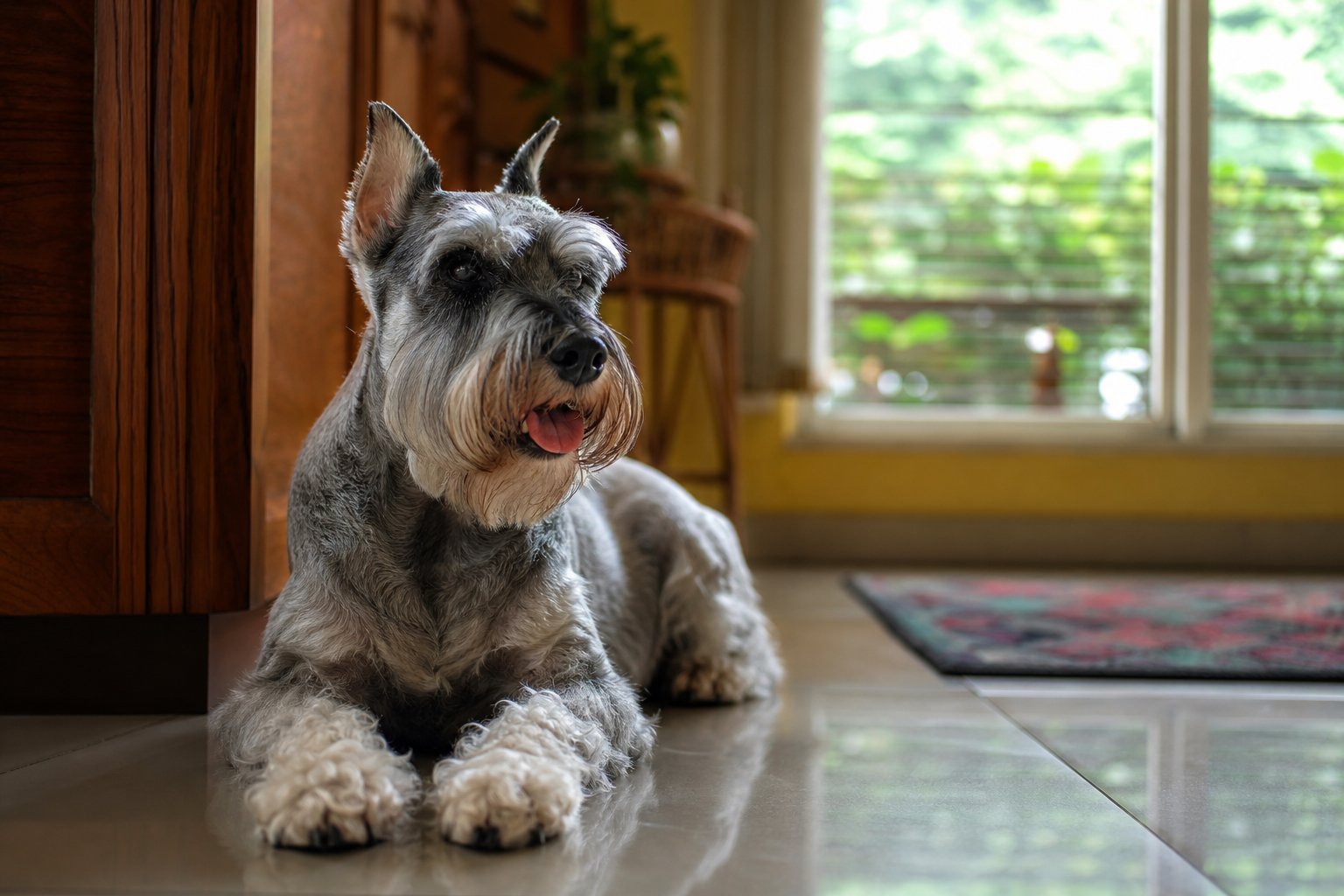
Quick answer
Schnauzers adapt well to Malaysian apartments with daily walks and indoor play. Their wiry coat needs regular clipping for the heat, and owners should watch for pancreatitis and diabetes.
Quick facts
- Origin
- Germany
- Size
- Medium
- Lifespan
- 12-15 years
- Weight
- Not documented
- Coat
- Wiry double coat
- Price guidance
- Ask local breeders for a current quote; prices vary with papers, colour, size and availability.
Personality
- Lively
- Alert
- Affectionate
- Intelligent
- Stubborn
Schnauzers are spirited, intelligent dogs that can thrive in Malaysia's hot and humid climate with proper care. This guide covers temperament, grooming, exercise, training, diet, health, and choosing a Schnauzer, with practical tips for local owners.
Temperament: What to Expect from a Schnauzer in Malaysia
Schnauzers are known for their lively, alert, and affectionate nature. They bond closely with their families and often become devoted companions. Their intelligence makes them quick learners, but they can also be stubborn, so consistent training is key. In Malaysian apartments, their alertness may lead to barking at noises from corridors or neighbours, so early socialisation helps. They are generally good with children and other pets when properly introduced. However, their strong prey drive means they may chase small animals. Despite their small size, they have big personalities and enjoy being involved in family activities. They can be reserved with strangers, making them good watchdogs. Overall, they are spirited and fun-loving, but need mental stimulation to prevent boredom.
Daily Life with a Schnauzer in Malaysia
Living with a Schnauzer in Malaysia means adapting to the tropical climate. These dogs are active indoors and enjoy being part of daily routines. In apartments or condos, they can adjust well if given regular outdoor walks during cooler parts of the day, such as early morning or evening. Avoid midday heat to prevent overheating. Their wiry coat retains heat, so keep them in air-conditioned spaces when possible. They are social dogs and may suffer from separation anxiety if left alone for long periods. Provide interactive toys and puzzle feeders to keep them occupied. Regular grooming is essential to manage shedding and keep their coat comfortable. With proper adjustments, Schnauzers can lead happy lives in Malaysian homes.
Grooming Your Schnauzer in Malaysia's Humid Climate
Schnauzers have a wiry double coat that requires regular grooming, especially in Malaysia's humid weather. The wiry topcoat retains heat, so clipping every six to eight weeks helps keep them cool and comfortable. Hand-stripping is traditional for show dogs, but clipping is more practical for most owners. Brush weekly to remove loose hair and prevent matting. Pay special attention to the beard and leg furnishings, which trap food, moisture, and dirt. After meals, wipe the beard to prevent bacterial growth. Check ears regularly for signs of infection, as humidity can exacerbate ear problems. Bathe every four to six weeks using a dog-specific shampoo. Regular grooming sessions also allow you to check for skin issues, ticks, and other problems common in tropical climates.
Exercise Needs for Schnauzers in Malaysian Weather
Schnauzers are energetic dogs that need daily exercise to stay healthy and happy. In Malaysia's hot and humid climate, schedule walks during cooler times, such as early morning or late evening. Avoid strenuous activity during the hottest part of the day to prevent heatstroke. A combination of brisk walks and indoor play can meet their needs. They enjoy interactive games like fetch and tug-of-war, which can be played indoors in air-conditioned comfort. Mental exercise is equally important; puzzle toys and training sessions tire them out mentally. Despite their small size, they have moderate energy levels and benefit from at least thirty to sixty minutes of activity daily. Adjust exercise intensity based on your dog's age and health, and always provide fresh water.
Training Your Schnauzer in a Malaysian Setting
Schnauzers are intelligent and eager to please, but they can be independent thinkers. Positive reinforcement methods work best, using treats, praise, and play as rewards. Start training early to prevent undesirable behaviours like excessive barking, which can be an issue in close-living apartments. Socialise your puppy with different people, sounds, and environments to build confidence. In Malaysia, training sessions should be short and frequent, especially in hot weather, to keep your dog engaged without overheating. Basic obedience commands like sit, stay, and come are essential. Crate training can provide a safe space in smaller homes. Consistency and patience are key, as Schnauzers may test boundaries. Consider enrolling in local obedience classes for structured guidance and socialisation opportunities.
Feeding Your Schnauzer in Malaysia
A balanced diet is crucial for your Schnauzer's health, especially in Malaysia's climate. Choose high-quality dog food appropriate for their age and activity level. Avoid overfeeding, as Schnauzers are prone to weight gain and related health issues like pancreatitis. Feed measured portions twice daily, and limit treats. Fresh water must be available at all times to prevent dehydration in the heat. Some owners prefer home-cooked meals, but consult your vet to ensure nutritional completeness. Avoid fatty foods and table scraps, which can trigger pancreatitis. Monitor your dog's weight and adjust food intake accordingly. Store food in airtight containers to prevent spoilage in the humid climate. If you notice changes in appetite or digestion, consult your veterinarian promptly.
Health Considerations for Schnauzers in Malaysia
Schnauzers are generally healthy, but they have some breed predispositions. Pancreatitis is a concern; watch for vomiting, diarrhoea, and lethargy after meals. Diabetes can also occur, so increased thirst and urination warrant a vet visit for blood tests. In Malaysia's hot climate, heatstroke is a risk, so avoid prolonged sun exposure. Their wiry coat can trap heat, making regular grooming important. Eye conditions like cataracts and progressive retinal atrophy may appear with age. Urinary stones are also seen in the breed; ensure adequate hydration. Regular veterinary check-ups, at least annually, help catch issues early. Keep up with vaccinations and parasite prevention, as ticks and fleas are common in tropical environments. Overall, with proactive care, Schnauzers can live comfortably in Malaysia.
Pancreatitis
Watch for: Vomiting, diarrhoea, lethargy, and abdominal pain after meals.
Care: Feed a low-fat diet, avoid table scraps, and consult a vet immediately if symptoms appear.
Diabetes Mellitus
Watch for: Increased thirst and urination, weight loss despite good appetite.
Care: Schedule blood tests with a vet, manage diet, and follow prescribed insulin therapy if needed.
Urinary Stones
Watch for: Frequent urination, straining, blood in urine, and discomfort.
Care: Ensure ample water intake, feed a vet-recommended diet, and seek veterinary care for diagnosis and treatment.
Choosing a Schnauzer in Malaysia
When choosing a Schnauzer in Malaysia, consider your lifestyle and living space. They adapt to apartments if exercised sufficiently, but they are active and vocal, so neighbours should be considered. Look for a reputable breeder who health-tests breeding dogs for conditions like pancreatitis and diabetes. Alternatively, adopt from local rescues; many Schnauzers and Schnauzer mixes need homes. Meet the puppy's parents if possible to assess temperament. A healthy puppy should be curious, alert, and have a clean coat. Ask about vaccinations and deworming history. Avoid puppies that appear lethargic or have discharge from eyes or nose. Before bringing one home, ensure you can commit to regular grooming and veterinary care. Consider the long-term costs and time involved in owning a Schnauzer in Malaysia's climate.
Caring in Malaysia
- Schnauzers have a wiry coat that retains heat. In Malaysia's humidity, keep them in shaded, ventilated indoor areas with plenty of water, and exercise only during the cooler parts of the day.
- The wiry coat needs hand-stripping or clipping every 6–8 weeks to stay neat. Brush weekly to remove loose hair, and check the beard after meals as it traps food and moisture.
- Watch for vomiting, diarrhoea and lethargy after meals, as Schnauzers are prone to pancreatitis. Increased thirst and urination can signal diabetes, so see a vet promptly for blood tests.
Frequently asked questions
Are Schnauzers suitable for apartment living in Malaysia?
Yes, Schnauzers can adapt to apartment living if given regular exercise and mental stimulation. They are active indoors but can be vocal, so training to curb excessive barking is important. Daily walks during cooler hours and indoor play help meet their needs.
How often should I groom my Schnauzer in Malaysia's humidity?
Groom your Schnauzer every six to eight weeks with clipping, and brush weekly to prevent matting. The wiry coat retains heat, so regular grooming keeps them cool. Check the beard after meals and clean ears regularly to avoid infections in the humid climate.
What health issues should Schnauzer owners in Malaysia watch for?
Watch for pancreatitis, diabetes, and urinary stones. Symptoms like vomiting, increased thirst, or straining to urinate warrant a vet visit. Heatstroke is also a risk, so avoid midday sun and ensure fresh water is always available.
How much exercise does a Schnauzer need in Malaysia's heat?
Schnauzers need about thirty to sixty minutes of daily exercise, but in Malaysia's heat, schedule walks early morning or evening. Indoor play and puzzle toys provide mental stimulation. Avoid strenuous activity during the hottest part of the day to prevent overheating.
What should I feed my Schnauzer in Malaysia?
Feed a high-quality, balanced diet with measured portions twice daily, and avoid fatty foods to prevent pancreatitis. Fresh water is essential in the heat. Consult your vet for specific dietary recommendations based on your dog's age and health.
Are Schnauzers good with children in Malaysian families?
Yes, Schnauzers are generally good with children when properly socialised and trained. They are affectionate and playful but may be territorial. Supervise interactions and teach children how to approach dogs gently to ensure a harmonious relationship.
Related breeds
Dog guides →

Related articles
- Best Dog Wet Food in Malaysia: How to Choose a Complete & Balanced Can
Wet food can help picky eaters, senior dogs and dogs that drink little — but only if you pick a complete main-meal can and store it safely in Malaysia's heat. Here is the checklist.
- Best Dry Dog Food in Malaysia: How to Choose by Ingredients, Age and Lifestyle
Pick dry dog food by three things first: protein level (adult dogs at least 22%, puppies at least 28%), a named meat as the first ingredient, and limited low-quality grain fillers. Then match the formula to your dog's age, size and activity, and switch foods gradually over 7–10 days.
- Bichon Frise Disadvantages in Malaysia: 7 Real Costs Before You Commit
Bichon Frises are cheerful, affectionate companion dogs, but their white curly coat, sensitive skin and clingy nature come with real upkeep. Here are the seven disadvantages Malaysian owners should weigh up before bringing one home.
- Bichon Frise Lifespan in Malaysia: How Long They Live & How to Add Years
Bichon Frises usually live 12–15 years. In Malaysia's heat and humidity, weight control, dental care, skin and ear management, and regular vet checks are the biggest levers for a longer, healthier life.
- Bichon Frise Personality in Malaysia: Temperament, Intelligence & Training
Bichon Frises are cheerful, people-focused companion dogs that read human moods well. This guide explains their temperament, what intelligence rankings really measure, and how to train and live with one in Malaysia.
- Bichon Frise Size & Weight in Malaysia: Growth Chart, BCS & Feeding
Bichon Frises are small, sturdy dogs. This guide explains their expected adult size, how to track puppy growth, how to judge weight by body condition rather than kilos alone, and when to check with a Malaysian vet.
- Alpo Dog Food: What Malaysian Owners Should Know Before Buying
Alpo is a budget-friendly commercial dog food sold in many Malaysian pet shops and supermarkets. This guide explains what is in it, who it suits, how to feed it safely, and when a Malaysian vet should be consulted.
- Dog Toys in Malaysia: A Practical Guide for Pet Parents
Choosing the right dog toys in Malaysia involves understanding your dog's size, chewing style and play preferences, plus the local climate and living space. This guide covers everything from chew toys to puzzle toys, with safety tips and practical advice for Malaysian homes.
Related products at PetChill
Sources
Last reviewed: 2026-11-16
For health concerns, consult a licensed veterinarian in Malaysia.