
Siamese (Siam Cat)
Siamese (Siam Cat) · Cat · Malaysia
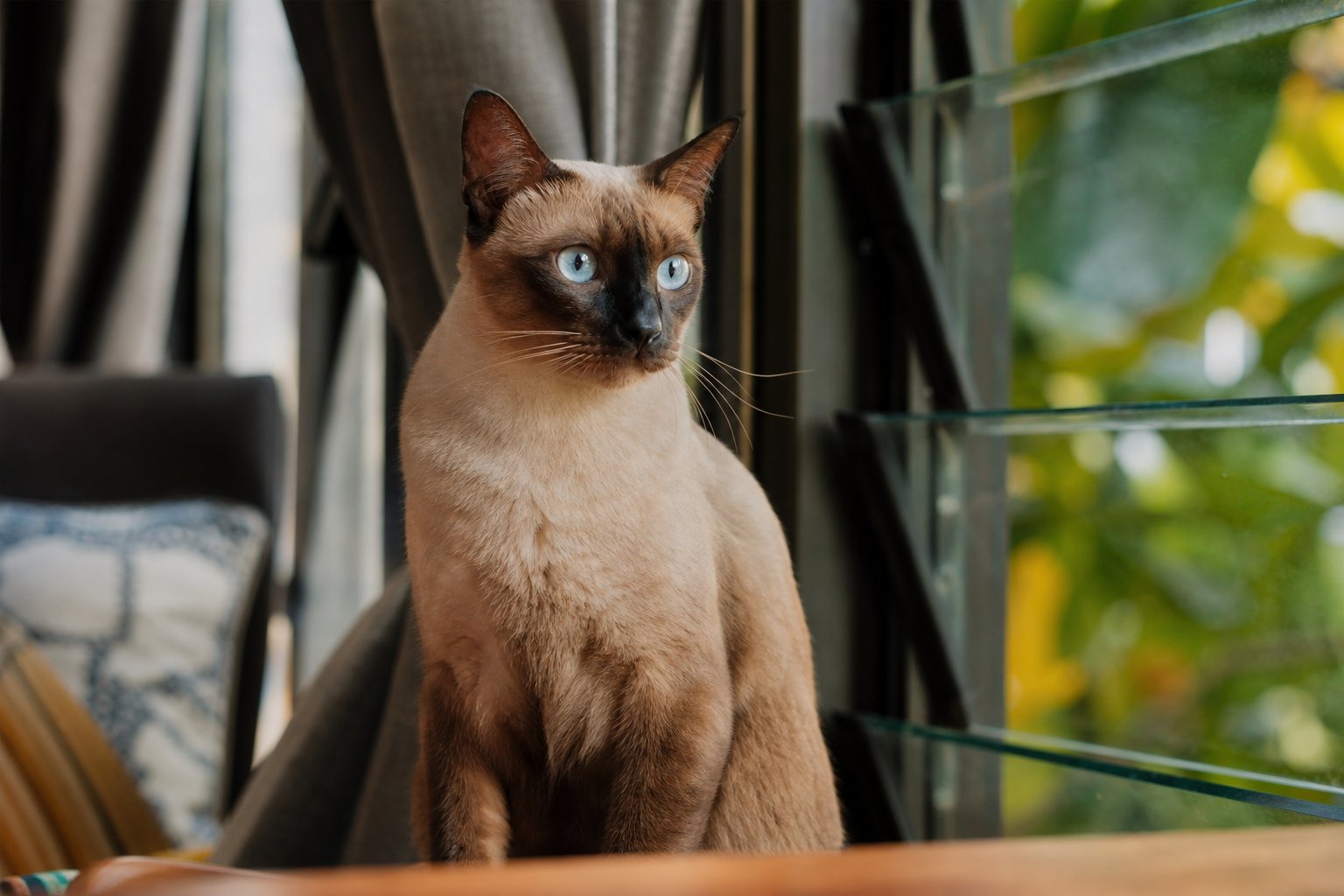
Quick answer
The Siamese is a vocal, people-focused medium cat with a short fine coat that suits Malaysia's heat. Keep it indoors with fans or aircon, fresh water, weekly brushing, daily play, and regular vet checks for asthma, heart and kidney concerns.
Quick facts
- Origin
- Thailand
- Size
- Medium
- Lifespan
- 15-20 years
- Weight
- Medium, roughly 3 to 5 kg
- Coat
- Short, fine, low-shedding with pointed colouring
- Price guidance
- Ask local breeders for a current quote; prices vary with papers, colour, size and availability.
Personality
- Vocal
- Affectionate
- Curious
- Intelligent
- Sociable
The Siamese is one of the most recognisable cat breeds, known for its sleek body, pointed colouring and constant conversation. In Malaysian apartments and condos, its short coat handles the humidity well, but the breed still needs a cool indoor space and plenty of human company. This guide covers temperament, daily care, health watch-points and what to check before bringing one home.
Temperament: A Talkative Companion
The Siamese is famously vocal and will tell you exactly what it thinks, often at length. It bonds closely with one or two people and dislikes being left alone for long stretches, so it suits households where someone is usually home or where a second cat provides company. Expect a curious, playful cat that follows you from room to room and investigates every open cupboard. They are intelligent and easily bored, which can turn into mischief or loud demands if stimulation is missing. In a Malaysian condo, close neighbours may hear the breed's carrying voice, so early habit-building around quiet hours helps. They are affectionate without being clingy lap cats, preferring to be near you rather than on you, and they generally tolerate gentle children and cat-friendly dogs when introduced slowly.
Daily Life in a Malaysian Home
A Siamese fits apartment living well because it is medium-sized and active indoors rather than needing a garden. The main local challenge is heat and humidity: keep the cat indoors with fans or aircon running during the hottest part of the day, and place several water bowls around the home. Screens on windows and balcony netting prevent falls and escapes, which matter for a curious, athletic cat. Set up vertical space such as cat trees and shelves so it can climb without going outside. Keep a routine for meals, play and quiet time, because this breed notices change and can become demanding when bored. If you travel, arrange a trusted sitter who will stay and interact rather than a brief daily feed visit.
Grooming for Humid Weather
The short, fine coat is low maintenance but not no-maintenance. Brush once or twice weekly with a soft rubber brush or grooming glove to remove loose hair, cut shedding around the home and reduce hairballs. During humid spells, check the skin under the coat for irritation and keep bedding washed and dried properly. Wipe the face gently, especially around the eyes and nose, and clean the ears with a soft damp cloth when they look soiled, never pushing anything into the ear canal. Trim nails every few weeks and brush teeth regularly with cat-safe toothpaste. Bathing is rarely needed; if you do bathe, dry the cat thoroughly afterwards so damp fur does not sit against the skin in air-conditioned rooms.
Exercise and Indoor Play
This is an active, agile breed that needs real daily exercise, not just a toy left on the floor. Two or three short play sessions with wand toys, feather teasers or puzzle feeders will burn energy and satisfy the hunting instinct. Rotate toys so novelty stays high, and use food puzzles at mealtime to slow eating and add mental work. Vertical climbing is important, so provide a sturdy cat tree near a window with a safe view. Because the cat stays indoors, you control the exercise entirely, so build play into morning and evening when the apartment is cooler. Watch for sudden reluctance to move or breathe heavily after play, and stop the session if the cat seems strained in the heat.
Training a Smart, Vocal Cat
Siamese cats learn quickly and respond well to short, positive sessions using treats or play as rewards. Start with name recognition, a reliable recall and settling on a mat, then move to carrier comfort and handling for vet visits. Keep sessions to a few minutes and end while the cat is still interested. Because the breed is vocal, avoid rewarding loud demanding behaviour; reward quiet waiting instead, or you will reinforce the noise. Clicker-style marking works well for this intelligent cat. Litter tray habits are usually easy, but keep the tray clean and placed away from food and noisy appliances. Never punish with shouting, which damages trust and often increases the vocal demands you are trying to reduce.
Feeding and Hydration
Feed a complete, balanced cat food suited to age and activity, and measure portions rather than free-feeding, since indoor Siamese cats can gain weight when play is limited. Wet food helps with water intake, which matters in a hot climate and supports urinary and kidney health. Keep fresh water in several spots, and consider a circulating fountain if your cat ignores still water. Treats should be small and occasional, not a substitute for balanced food. Avoid giving milk, raw fish or human table scraps, and never leave food out in the Malaysian heat where it spoils quickly. If your vet advises a specific diet for weight, kidneys or heart, follow that plan rather than general feeding advice.
Health Watch-Points
The Siamese is generally a robust breed with a long lifespan, but several tendencies are widely documented and worth watching. Respiratory signs such as wheezing or coughing, and lethargy or fast breathing, can point to asthma or heart concerns, so book a vet visit rather than waiting. Increased thirst or urination can signal kidney or other internal issues and should be checked promptly. Dental disease and weight gain are common in indoor cats, so keep up home tooth brushing and portion control. Crossed eyes and kinked tails appear in some lines but are usually cosmetic. Keep vaccinations, parasite prevention and annual wellness checks current, and choose a local vet you can reach quickly in an emergency.
Feline asthma
Watch for: Wheezing, coughing, open-mouth breathing or lethargy, especially after play or in dusty rooms.
Care: Keep the home smoke-free and dust-free, use low-dust litter, and see a vet for breathing changes rather than waiting.
Heart conditions
Watch for: Fast or laboured breathing at rest, reduced activity, hiding or fainting episodes.
Care: Book a vet check for any breathing or stamina change and keep routine wellness exams current.
Kidney issues
Watch for: Increased thirst, more frequent urination, weight loss or reduced appetite.
Care: Support water intake with wet food and multiple bowls, and ask a vet about screening as the cat ages.
Dental disease
Watch for: Bad breath, drooling, chewing on one side or reluctance to eat hard food.
Care: Brush teeth regularly with cat-safe paste and have a vet check the mouth at routine visits.
Choosing a Siamese in Malaysia
Before choosing, spend time with the cat or kitten and watch how it responds to handling, noise and strangers. Ask the breeder or rehoming group about the parents' health, vaccination records and any known respiratory or kidney concerns, and request a vet check before committing. A healthy Siamese should be alert, curious and talkative, with clear eyes, clean ears and a smooth coat. Consider an adult cat from a rescue or rehoming situation, since many need homes and their temperament is already visible. Confirm the cat is comfortable with indoor living and that you can meet its need for company. Budget for routine vet care, food, litter and cooling costs rather than a single purchase decision.
Caring in Malaysia
- Malaysia's heat suits the short coat, but keep your Siamese indoors with fans or aircon and fresh water to prevent heat stress.
- Brush the short, fine coat once or twice weekly to cut shedding and hairballs; wipe the face and ears gently in humid weather.
- Watch for wheezing or coughing, lethargy or fast breathing, and increased thirst or urination; these can signal asthma, heart or kidney issues, so see a vet.
Frequently asked questions
Is a Siamese suitable for a Malaysian apartment?
Yes, a Siamese adapts well to apartment living because it is medium-sized and exercises indoors. The key is keeping it inside with fans or aircon, providing climbing space and daily play, and screening windows and balconies so a curious cat cannot fall or escape.
How much grooming does a Siamese need?
A Siamese needs only light grooming, roughly once or twice weekly brushing. The short fine coat sheds less than long coats, but weekly brushing still cuts hairballs and lets you check the skin in humid weather. Wipe the face and ears gently and trim nails regularly.
Are Siamese cats very vocal?
Yes, the Siamese is one of the most vocal breeds and will comment on almost everything. Expect loud, persistent meowing for attention, food or company. Reward quiet behaviour, give plenty of play and company, and consider neighbours if you live in a close condo unit.
Can a Siamese live with children or other pets?
A Siamese can live happily with gentle children and cat-friendly dogs when introductions are slow and supervised. The breed is sociable but dislikes rough handling, so teach children to let the cat approach first. A second cat often helps prevent loneliness when the household is out.
What health signs should worry a Siamese owner?
Wheezing, coughing, lethargy, fast breathing, or increased thirst and urination are signs to take seriously. These can point to asthma, heart or kidney concerns, so contact a vet promptly rather than waiting. Keep vaccinations and annual wellness checks current for early detection.
How long do Siamese cats usually live?
Siamese cats commonly live around fifteen to twenty years with good care. Indoor living, portion-controlled feeding, daily play, dental care and regular vet checks support that long lifespan. Plan for the commitment, since a young cat may be with you for two decades.
Related breeds
Cat breed guides →
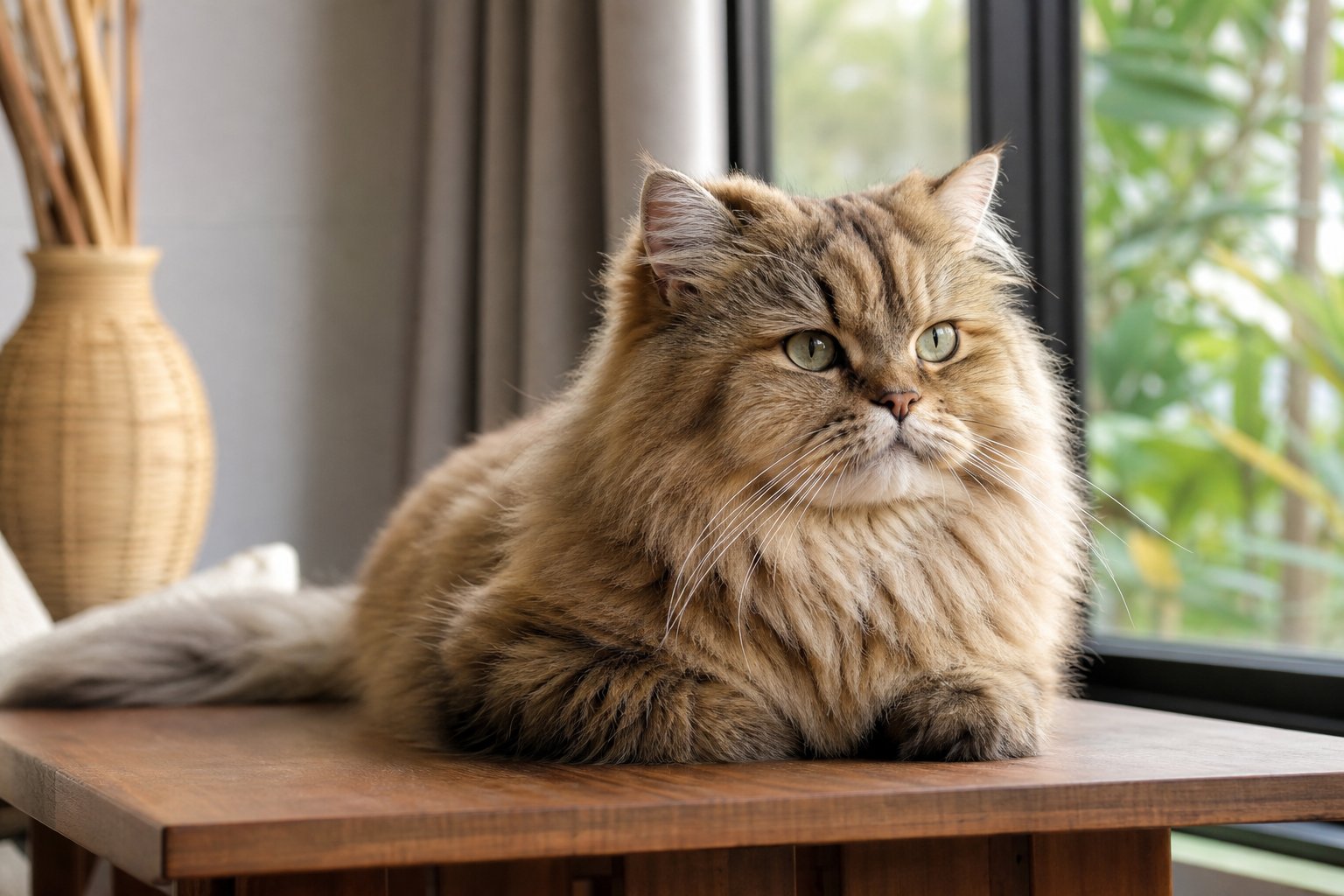
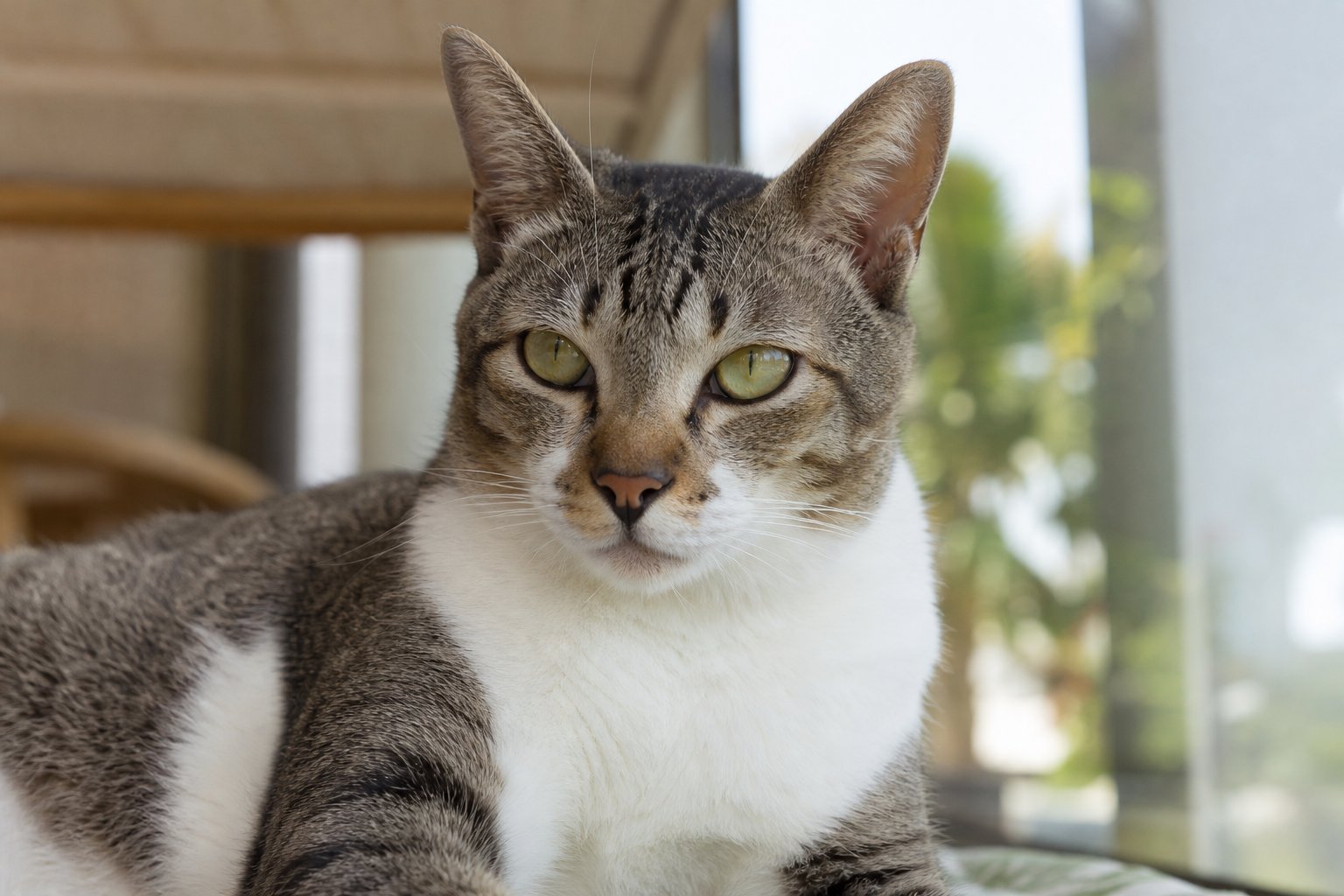
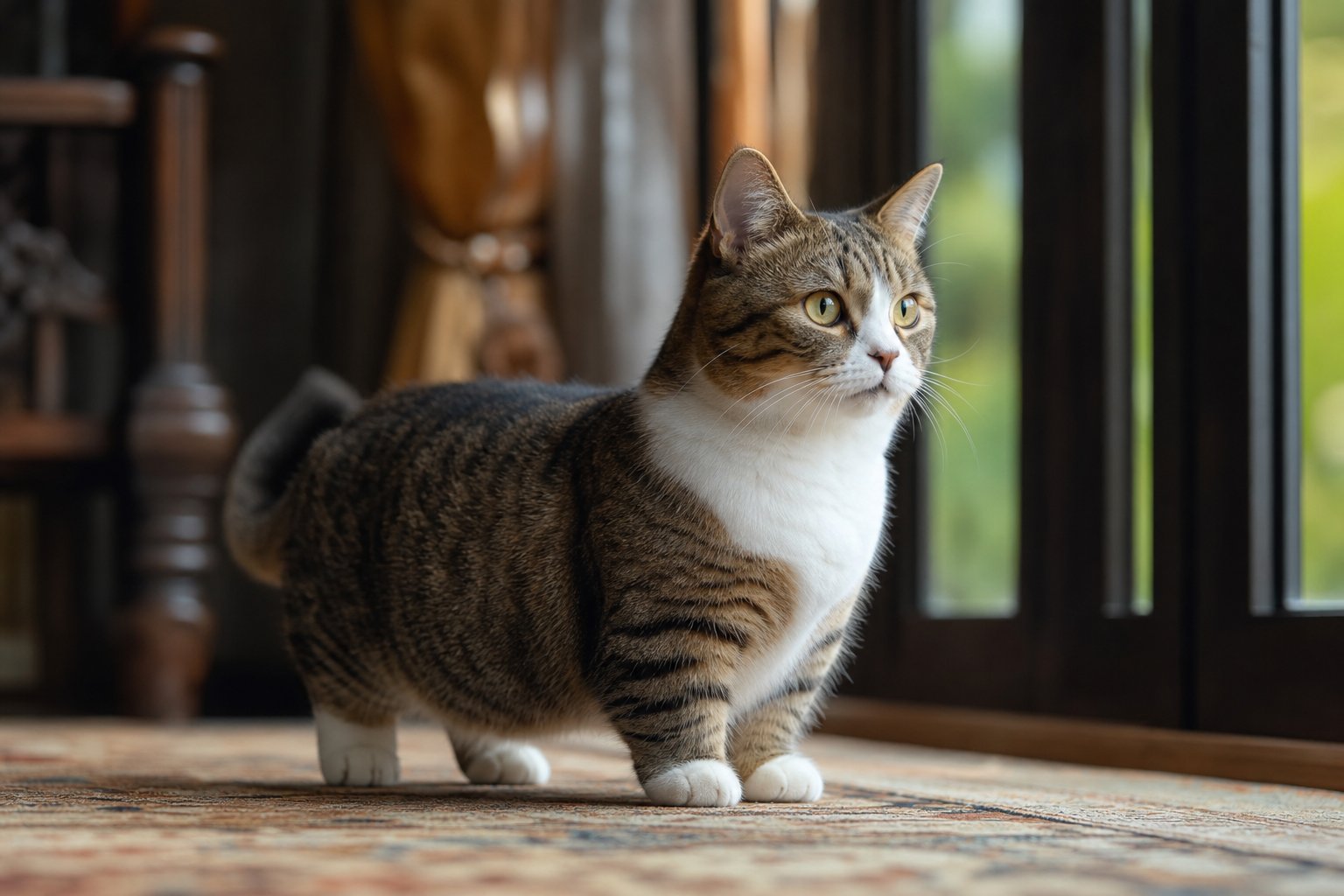
Related articles
- Siamese Cat Malaysia: Temperament, Colours, Care and Costs
Quick answer: The Siamese is an affectionate, vocal, short-haired cat with blue eyes and colour-point markings — often called the dog of the cat world. It suits owners who are home often and enjoy interaction, but does poorly left alone for long stretches. Prices vary locally, so ask a Malaysian breeder, retailer or vet.
- Siamese Cat Personality in Malaysia: The Talkative, Clingy, Clever Truth
The Siamese is one of the most social, vocal and trainable cat breeds you can live with. It follows you room to room, answers when you speak, and invents trouble when bored. Plan for around 40 minutes of genuine interaction daily before you commit.
- Siamese Cat Colours in Malaysia: The Four Point Colours, Pattern Variants and Care by Shade
Siamese cats come in four traditional point colours — seal, blue, chocolate and red lynx — plus pattern variants like lynx point and torbie point. Colour changes looks only: temperament, grooming and health needs stay the same across every shade.
- Siamese Cat Downsides in Malaysia: Loud Voice, Clinginess and Separation Anxiety
The Siamese's real drawbacks are not feeding or grooming. They are volume, constant company-seeking, boredom when the flat sits empty, and a tummy and urinary tract that need active management.
Related products at PetChill


Sources
Last reviewed: 2026-11-16
For health concerns, consult a licensed veterinarian in Malaysia.