
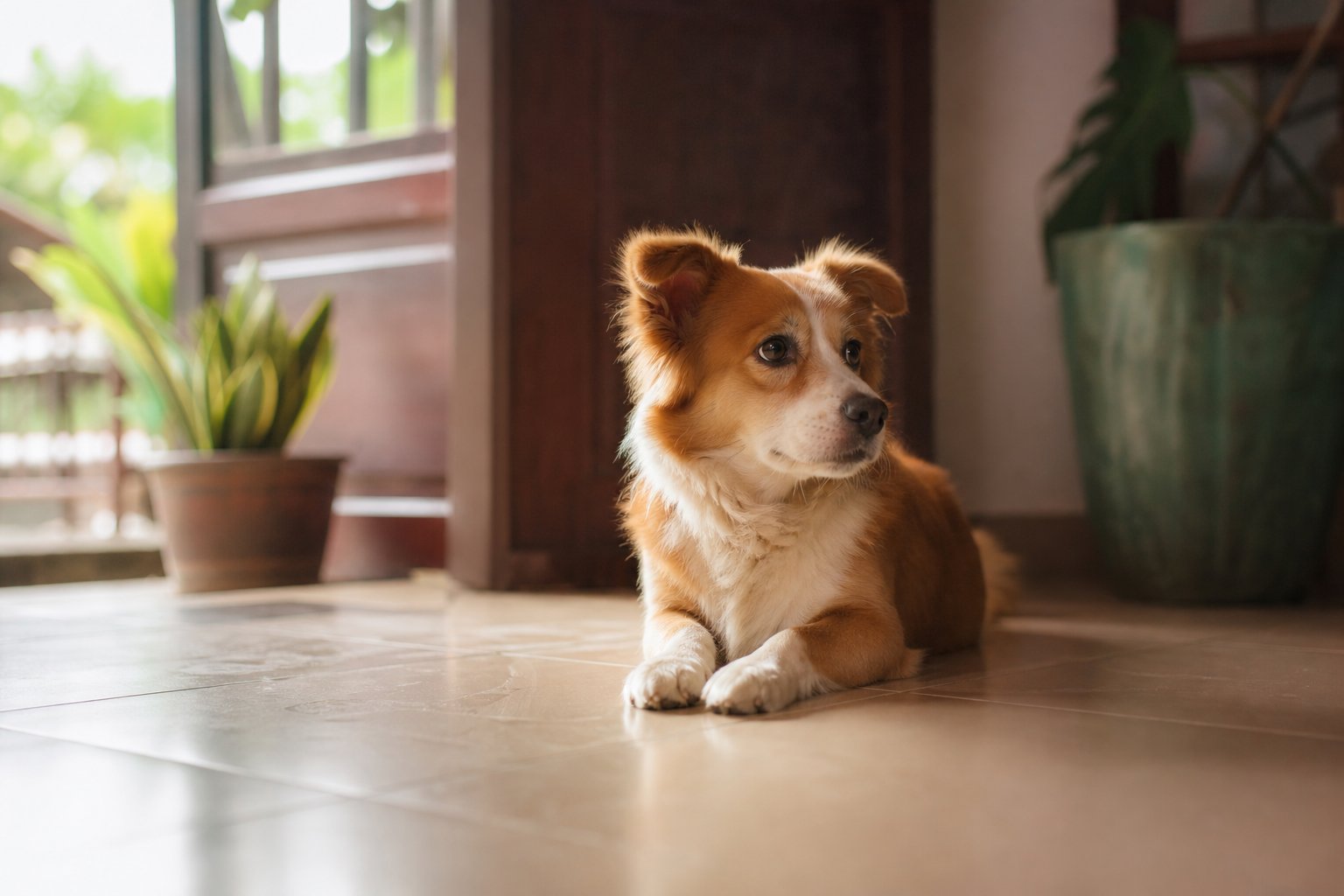
Chapter 1: Coat and size
Chapter 1: Coat and size
How coat length and body size affect grooming and space at home.
Coat length and body size are the two most practical things to understand about your pet before you buy a single brush or rearrange a room. They shape how often you groom, how much hair you find on the floor and furniture, how much space your pet genuinely needs, and how you set up your home for the tropical climate here. A long-coated dog in a small apartment and a short-coated cat in a landed house have very different day-to-day needs, and neither is "easier" in every way. This chapter helps you match your routine to the animal in front of you.
Coat length: what it means for grooming
Coat type is not just about how fluffy your pet looks. It decides how often you need to brush, how quickly mats form, and how much heat your pet carries.
Short, smooth coats (think many local street-type cats and dogs, Boxers, Beagles) are the most forgiving. A quick brush once or twice a week and an occasional bath usually keep them comfortable. They still shed, often in small prickly hairs that work into fabric, so a rubber curry brush or a damp hand helps.
Medium and double coats (many terriers, Spitz-type dogs, and most domestic cats) have a soft undercoat that sheds heavily. In Malaysia's warm, humid climate, indoor pets often shed more steadily rather than in one seasonal blow-out. Brush two to three times a week, and more during heavy shedding, to remove loose undercoat before it clumps.
Long coats (Shih Tzu, Persian, many mixed long-haired cats) need daily attention. Without it, mats form close to the skin, trap moisture, and can cause skin problems in humid weather. Mats are painful and are best dealt with by a professional groomer rather than cut out at home with scissors, where it is easy to nick skin.
Whatever the coat, check ears, eyes, paws and the area under the tail as part of your grooming routine. These are where problems often show up first.
Size: what it means for space at home
Body size affects how much room your pet needs to move, rest and toilet, and how much exercise you must build into the day.
Small pets suit apartment living well, but "small" does not mean "no exercise." Small dogs still need daily walks and mental stimulation, and indoor cats need vertical space—shelves, cat trees, window perches—to climb and watch the world. Small pets also feel the heat and humidity less dramatically than large, heavy-coated ones, but they still need shade and fresh water.
Medium and large dogs need more floor space, more exercise, and more room to turn around comfortably. In an apartment, plan walks and outdoor time carefully, and choose cooler parts of the day. Large, heavy-coated dogs are the most vulnerable to heat stress in Malaysia, so keep them out of the midday sun, provide shade and water, and watch for heavy panting.
Size also affects practicalities: bigger pets mean bigger beds, bigger crates, more food, and more grooming time. Plan for the adult size, not just the puppy or kitten size.
Adapting to a Malaysian home
Humidity and heat change how you groom and where your pet rests. Dry pets thoroughly after baths and after walks in the rain, because damp coats and skin folds stay wet longer here. Keep grooming sessions short and frequent rather than long and occasional. Choose cool, ventilated sleeping spots, and avoid leaving any pet in a parked car or a hot room.
-
Practical check: note one change you can make this week.
-
Local context: adapt the advice to your home, climate and routine in Malaysia.
Quick checklist
- Identify your pet's coat type and set a brushing frequency to match.
- Check for mats, tangles and damp patches at least weekly.
- Confirm your pet has enough space to stand, turn and stretch indoors.
- Build daily exercise and enrichment into your routine, whatever the size.
- Provide shade, ventilation and fresh water at all times.
- Dry your pet thoroughly after baths or wet walks.
Common mistakes
- Assuming short coats need no grooming at all.
- Brushing only the top coat and missing the undercoat and skin.
- Cutting mats out with scissors instead of seeking professional help.
- Buying a small bed or crate for a pet that will grow.
- Skipping walks because a pet is small or lives in an apartment.
- Exercising a heavy-coated dog in the heat of the day.
When to ask a vet
Speak to a veterinarian if you notice persistent scratching, red or broken skin, bald patches, mats you cannot safely remove, a coat that suddenly looks dull or thin, or signs of heat stress such as heavy panting, drooling, weakness or confusion. Ask for advice on grooming and weight if you are unsure whether your pet's size and coat are being managed well.