
Chapter 3: Local and popular breeds
Chapter 3: Local and popular breeds
Malaysia's cat and dog population is wonderfully mixed. Many households share their lives with free-roaming kampung cats, rescued domestic shorthairs, or pedigree breeds that have become popular locally. Understanding the general traits and needs of these breeds helps you plan grooming, exercise, housing and vet visits realistically for a tropical climate and, often, apartment living. This chapter keeps the original practical check and local-context reminders and adds detail so you can apply breed knowledge to your own home.
-
Practical check: note one change you can make this week.
-
Local context: adapt the advice to your home, climate and routine in Malaysia.
Kampung cats and domestic shorthairs
The kampung cat is Malaysia's everyday local cat: hardy, adaptable and usually short-haired. Domestic shorthairs (often rescued or rehomed) come in many colours and body types. Both generally cope well with warm, humid weather because their short coats are easy to maintain. That said, "hardy" does not mean "no care needed."
Practical points for these cats:
- Grooming: A weekly brush reduces loose fur and hairballs; short coats rarely need bathing, and over-bathing can dry the skin.
- Heat and hydration: Always provide fresh water in several spots. In hot weather, watch for heavy panting, lethargy or hiding in cool corners, and offer shade and ventilation.
- Indoor safety: If your cat is indoors or in an apartment, screen windows and balconies. Cats are agile climbers, and open high-rise windows are a serious risk.
- Enrichment: Short-haired local cats are often active and curious. Provide scratching posts, vertical space and daily play to prevent boredom.
- Vet basics: Keep vaccinations, parasite control and routine check-ups current; ask your vet about local disease risks rather than assuming.
Popular pedigree breeds: cats
Several pedigree breeds are well known among Malaysian cat owners. Breed popularity changes, so treat these as general guides, not rules.
- Persians and related long-haired breeds: Their long coats need daily or near-daily grooming to prevent mats, especially in humid weather. Flat-faced breeds can struggle in heat and may need cooler, well-ventilated spaces and careful monitoring of breathing.
- Maine Coons and other large breeds: They need sturdy scratching posts, larger carriers and room to move. Their thick coats benefit from regular grooming.
- Siamese and other vocal, active breeds: They thrive on interaction and play; apartment living works if you provide daily engagement and vertical space.
- Scottish Folds and similar: Ask your vet about breed-related health concerns during check-ups rather than relying on general claims.
For any pedigree cat, confirm health and vaccination history with the seller or rescue, and budget for grooming and vet care from the start.
Popular pedigree breeds: dogs
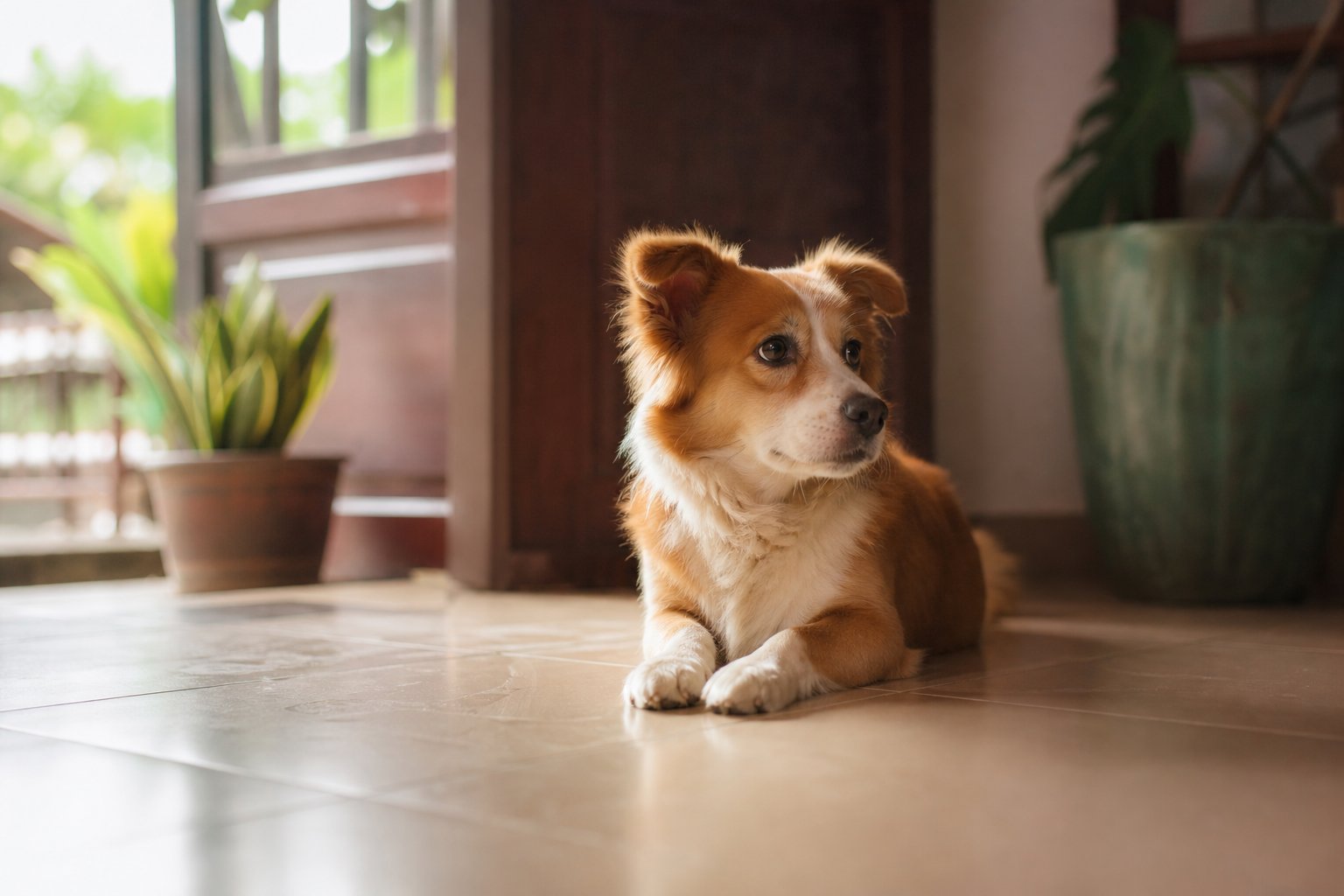
Popular dog breeds in Malaysia range from small companion breeds to larger working types. Match the breed's energy and coat to your home.
- Small companion breeds (for example, Shih Tzus, Poodles and similar): Often suited to apartments, but many need regular grooming. Poodle-type coats require clipping; Shih Tzu-type coats need daily brushing to avoid tangles.
- Flat-faced (brachycephalic) breeds: These dogs can overheat and breathe poorly in hot, humid conditions. Walk them in the cool of early morning or evening, avoid strenuous exercise in midday heat, and keep them in ventilated spaces. Discuss breathing and heat concerns with your vet.
- Active medium and large breeds: They need daily exercise and space. In apartments, plan multiple shorter walks and indoor training games; in landed homes, secure gates and fences.
- Double-coated breeds: Heavy coats shed and can trap heat. Regular brushing helps; never shave a double coat without veterinary or groomer advice.
A practical checklist
- Identify your pet's breed type or mix and note its coat, size and energy level.
- Set a grooming routine: daily for long coats, weekly for short coats.
- Provide fresh water in multiple locations and shade or cool resting spots.
- Adjust walk times to early morning and evening in hot weather.
- Screen windows, balconies and gates for safety.
- Confirm vaccination and health records for any pedigree pet.
- Book a routine vet check and ask about breed-specific concerns.
- Note one change you can make this week (the original practical check).
Common mistakes
- Assuming short-haired local cats need no grooming or parasite control.
- Bathing pets frequently "to cool them down" instead of providing shade, water and ventilation.
- Exercising flat-faced or thick-coated dogs in the midday heat.
- Buying a pedigree pet without health records or a plan for grooming costs.
- Leaving high-rise windows or balconies open for climbing cats.
- Treating breed stereotypes as guarantees; individual pets vary.
When to ask a vet
Contact a veterinarian promptly if you notice breathing difficulty, heavy panting that does not settle, collapse, persistent coughing, heat exhaustion signs, skin problems, matted coats causing discomfort, or any sudden change in appetite, drinking or behaviour. Ask your vet for advice on breed-specific health screening and on grooming or clipping decisions, especially for flat-faced or double-coated pets. Adapt all guidance here to your own home, climate and routine in Malaysia, and keep every safety note in mind.