
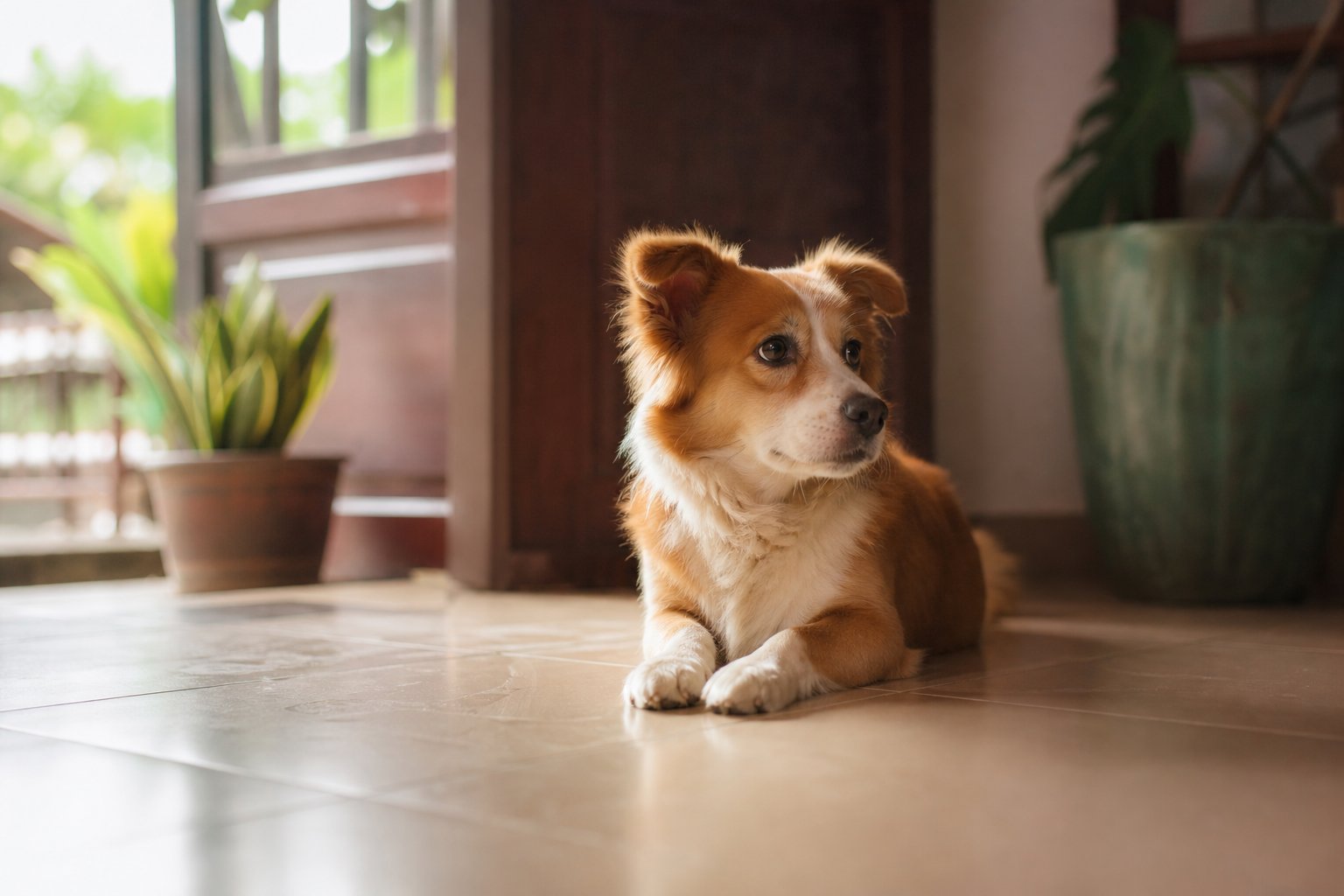
Chapter 6: Flat-faced and long-haired care
Flat-faced breeds such as Persians and Exotic Shorthairs may struggle in Malaysia's heat and humidity, so keep them indoors with good airflow and fresh water. Their facial folds need gentle daily cleaning to prevent skin irritation. Long-haired breeds shed heavily and need regular brushing to avoid matting, especially during warmer months. If you cannot commit to this grooming routine, consider a short-haired breed instead. A healthy cat is more important than a fashionable look.
This chapter is about the everyday work that comes with certain body types. Flat faces and long coats are not just looks; they change how an animal breathes, cools down, and stays clean in a tropical climate. The routines below apply to cats and, where relevant, to flat-faced or long-haired dogs too. None of it is complicated, but it has to be done consistently, and it has to be done gently.
Living with a flat-faced cat or dog in a Malaysian home
Flat-faced breeds such as Persians and Exotic Shorthairs may struggle in Malaysia's heat and humidity, so keep them indoors with good airflow and fresh water. The same caution applies to flat-faced dogs such as pugs, bulldogs and shih tzus. Their shortened airways make panting less efficient, so heat builds up faster in their bodies than in a longer-nosed animal.
In practice, "indoors with good airflow" means a few concrete things. Keep the pet in the coolest part of the home during the hottest hours of the day, and use fans or air-conditioning to keep air moving rather than sealing the room shut. Never leave a flat-faced pet in a parked car, a balcony cage, or a room with closed windows, even briefly. Fresh water should be available at all times, in more than one bowl if the home is large, and refreshed often so it stays cool and clean.
Watch how the animal breathes during play and exercise. Flat-faced pets should set the pace; stop play if breathing becomes noisy, laboured or fast, and let the pet rest in a cool spot. Walk flat-faced dogs in the early morning or evening rather than the middle of the day, and keep walks short. Avoid strenuous play in the afternoon heat. If your pet seems to overheat, move it to a cool, ventilated area, offer water, and contact your vet if it does not settle quickly.
Their facial folds need gentle daily cleaning to prevent skin irritation. Use a soft, damp cloth or cotton pad and wipe along the fold, not deep into it, then dry the area gently. Moisture trapped in a fold in a humid climate encourages irritation, so drying matters as much as cleaning. Do not use harsh soaps, alcohol or scented products, and never push anything into the fold. If a fold looks red, smells unpleasant, or the pet pulls away when you touch it, stop and ask your vet rather than trying stronger home remedies.
Grooming a long-haired cat or dog
Long-haired breeds shed heavily and need regular brushing to avoid matting, especially during warmer months. In Malaysia's climate there is no true shedding season, so plan for brushing several times a week, and daily during heavier shedding. Work in short sessions, in a comfortable spot, and brush in the direction the coat grows, paying attention to the areas where mats form first: behind the ears, under the front legs, around the collar or harness, and along the belly and hindquarters.
Use a brush suited to a long coat, such as a slicker brush or a wide-toothed comb, and check the skin as you go for redness, flakes, parasites or sores. A cat or dog that suddenly resists grooming, or develops mats despite regular brushing, may be in pain or unwell, so have a vet look at it. Never cut mats out with scissors; the skin underneath is easy to nick. If a mat is tight against the skin, ask a professional groomer or your vet to deal with it.
Long coats also collect what the animal walks through. Check paws and the area under the tail after outdoor time, and keep the coat dry; a damp long coat in a humid home is a recipe for skin problems. Bathing should be occasional and with a pet-safe shampoo, and the coat must be dried thoroughly afterwards, especially in flat-faced breeds with folds.
A simple daily and weekly routine
- Fresh, cool water in clean bowls, checked and refilled daily.
- Cool, ventilated indoor space during the hottest hours; no parked cars or closed rooms.
- Gentle daily cleaning and drying of facial folds, using a soft damp cloth only.
- Short, calm brushing sessions several times a week, daily in heavier shedding periods.
- Check ears, paws, under the tail and under the collar or harness during grooming.
- Watch breathing during play and exercise; let the pet rest and cool down.
- Keep walks and outdoor time to the cooler parts of the day.
- Note any changes in breathing, skin or coat, and raise them with your vet.
Common mistakes to avoid
- Assuming a flat-faced pet is fine because it is quiet; noisy or fast breathing during mild activity is a warning sign.
- Cleaning folds with strong products, or leaving them damp.
- Brushing only the top of the coat and missing the belly, armpits and hindquarters where mats start.
- Cutting mats with scissors instead of seeking help.
- Bathing a long coat and leaving it damp in a humid room.
- Exercising a flat-faced dog in the afternoon heat or pushing it to keep up.
- Choosing a breed for its look without planning for the daily grooming and heat management it needs.
When to ask a vet
Contact your vet promptly if a flat-faced pet has difficulty breathing, breathes noisily at rest, pants heavily in mild conditions, or seems distressed by heat. Ask about facial folds that are red, swollen, smelly, weeping or painful to touch, and about skin problems under a long coat. Seek advice if mats are tight against the skin, if grooming causes distress, or if your pet stops grooming itself. Any sudden change in breathing, appetite or behaviour in a flat-faced or long-haired animal is worth a professional opinion rather than a wait-and-see approach.
If you cannot commit to this grooming routine, consider a short-haired breed instead. A healthy cat is more important than a fashionable look.