
Abyssinian
Abyssinian · Cat · Malaysia
Quick answer
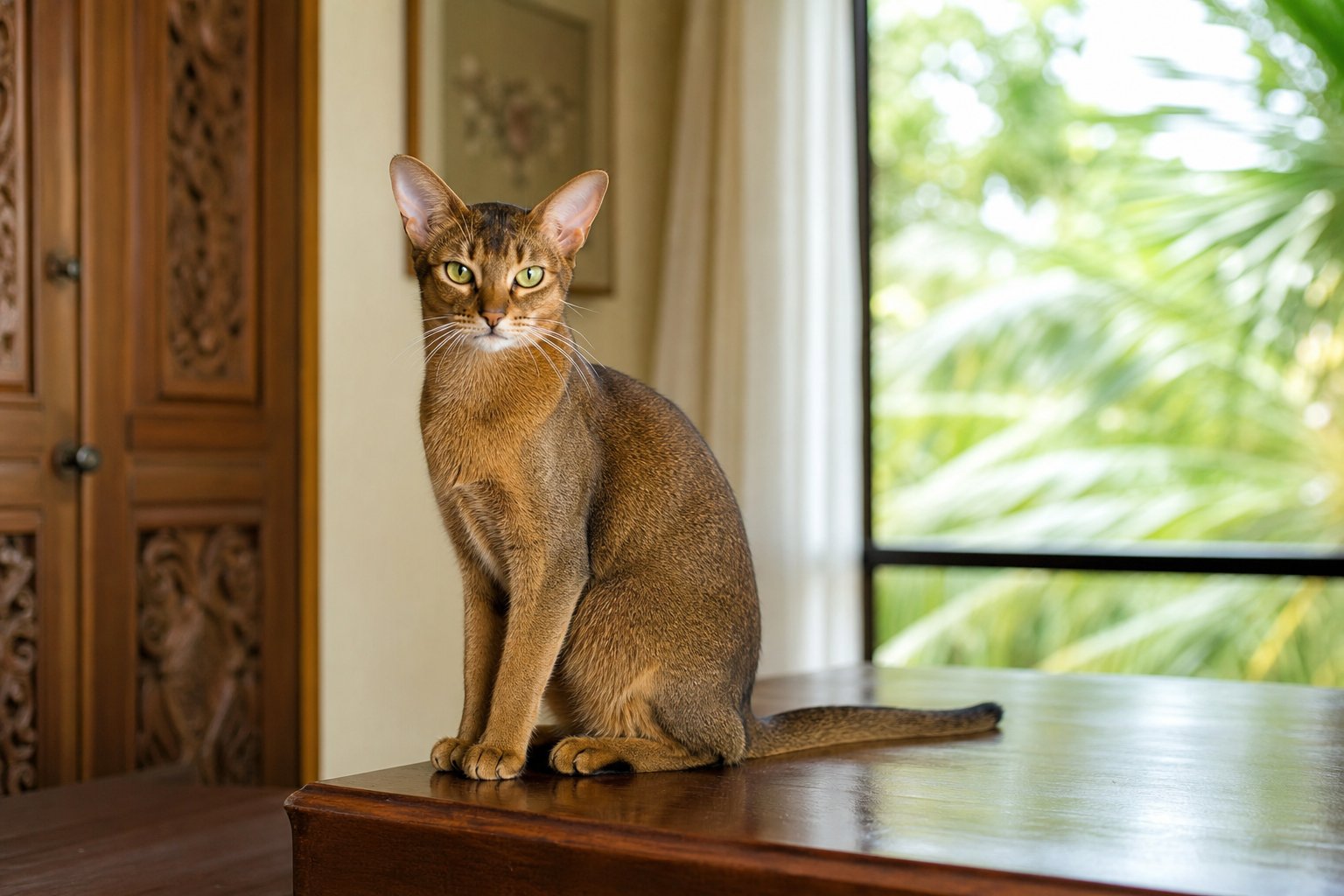
The Abyssinian is an active, people-loving cat with a short ticked coat that suits Malaysia's heat. It needs daily play, a safe condo setup, and routine vet checks for kidney, heart, and thyroid concerns.
Quick facts
- Origin
- Ethiopia
- Size
- Medium
- Lifespan
- 12-15 years
- Weight
- Medium build, roughly 3 to 5 kg
- Coat
- Short, ticked coat; brush once or twice a week
- Price guidance
- Ask local breeders for a current quote; prices vary with papers, colour, size and availability.
Personality
- Active
- Curious
- Social
- Clever
- Playful
The Abyssinian is a medium-sized, athletic cat from Ethiopia, known for its ticked coat and curious, busy nature. In Malaysia's hot, humid climate and compact apartments, this breed thrives on interaction, vertical space, and consistent care. This guide covers what local owners should know about living with an Abyssinian.
Temperament in a Malaysian Home
Abyssinians are active, curious, and people-oriented. They follow owners from room to room, investigate every cupboard, and dislike being left alone for long stretches. In a Malaysian condo or apartment, this means they need daily interaction and a home that rewards exploration. They are usually sociable with visitors and often tolerate gentle children, but they prefer play over being carried. Their busy minds can turn boredom into mischief, so rotate toys and offer climbing spots. Because they bond closely, a sudden change in routine or long absences can stress them. Pair them with a confident companion cat if you work long hours, and keep breakables off open shelves.
Daily Life in a Hot, Humid Climate
The Abyssinian's short coat copes well with Malaysian warmth, but daily life should still account for heat and humidity. Keep fresh water available in several spots and provide shaded, ventilated resting areas, especially if your home has afternoon sun. Air-conditioning is fine, but avoid cold drafts directly on the cat. Condo living suits this breed if you add vertical space: cat trees, wall shelves, and window perches with secure mesh. Screen windows and balconies to prevent falls. Because the breed is social, set aside fixed play and cuddle times. Brush once or twice a week to remove loose hair and check skin, and watch for restlessness or changes in drinking and urinating.
Grooming the Ticked Coat
The Abyssinian's short ticked coat is low-maintenance, which suits Malaysia's climate. Brush once or twice a week with a soft rubber brush or grooming glove to remove loose hair and keep the coat shiny. Short fur mats little, but regular handling lets you check the skin, ears, and body condition. During hot spells, check for irritation or parasites, especially if your cat sits near open windows. Wipe ears gently when needed, and trim nails every few weeks. Bathe only occasionally, using a cat-safe shampoo, and dry thoroughly. Because the coat is short, there is no heavy shedding season, but weekly grooming still reduces hair around the home and helps you notice changes early.
Exercise for Apartment Living
Abyssinians are athletic and need real daily exercise, not just a quick toy toss. In a Malaysian apartment or condo, use vertical space and interactive play to burn energy. Two or three short sessions of wand toys, fetch, or puzzle feeders work well, ideally morning and evening when it is cooler. Rotate toys to keep interest high. Cat trees, shelves, and secure window perches encourage climbing and watching. Avoid letting the cat onto open balconies; use mesh or keep doors closed. Because the breed is clever, food puzzles and simple training games provide mental exercise too. Without enough activity, expect nighttime zoomies, climbing, and attention-seeking behavior.
Training a Clever, Busy Cat
Abyssinians are intelligent and trainable, often learning quickly when food or play rewards follow. Start with short sessions, five minutes or so, and use positive reinforcement only. Clicker training, target touching, and simple cues like come, sit, and settle work well. Keep sessions fun and end before the cat loses interest. Because they are curious, they may open cupboards or investigate counters, so redirect rather than punish. In a Malaysian home, train early for carrier comfort and handling, which makes vet visits easier. Puzzle feeders and food-dispensing toys add mental work. Consistency matters: everyone in the household should use the same cues and rules so the cat does not learn to play people against each other.
Feeding and Hydration
Feed a complete, balanced cat diet suited to an active medium-sized breed, and adjust portions to keep a lean body condition. Abyssinians are energetic but can overeat if bored, so measure meals and use puzzle feeders to slow eating. In Malaysia's heat, hydration matters: offer fresh water in several bowls, consider a pet fountain, and include wet food where suitable. Avoid sudden diet changes; transition gradually over a week or more. Keep food sealed and stored away from humidity and pests. Treats should be small and occasional. If your cat drinks or urinates more than usual, loses weight, or becomes restless, book a vet check rather than changing the diet on your own.
Health Watch for Local Owners
Abyssinians are generally hardy, but owners should watch for breed tendencies including kidney problems, heart concerns, and thyroid issues. In Malaysia's humid climate, also check skin and ears regularly. Signs worth a vet visit include drinking and urinating more than usual, sudden weight loss, unusual restlessness, poor appetite, or changes in grooming. Keep up routine vet checks and vaccinations with a local clinic you trust. Because some conditions are silent early on, note your cat's normal habits so changes stand out. Avoid self-diagnosing or using human medicines. Ask your vet about screening appropriate to your cat's age, and keep a simple health log of weight and behavior.
Kidney problems
Watch for: Drinking and urinating more than usual, weight loss, reduced appetite, or dull coat.
Care: Keep fresh water available, feed a suitable diet as advised by your vet, and book regular checkups with a local clinic.
Heart concerns
Watch for: Unusual restlessness, tiredness during play, breathing changes, or reduced activity.
Care: Avoid strenuous play in hot weather, keep routine vet visits, and report any change in stamina or breathing early.
Thyroid issues
Watch for: Sudden weight loss despite a good appetite, restlessness, or increased activity and vocalization.
Care: Track weight and behavior at home, and ask your vet about appropriate screening during routine checks.
Choosing an Abyssinian in Malaysia
Before choosing an Abyssinian, confirm you can meet its social and exercise needs in a Malaysian home. Visit the breeder or rescue, meet the kitten's parents where possible, and ask about health screening and living conditions. A healthy kitten should be curious, alert, and comfortable being handled. Check eyes, ears, coat, and body condition, and ask for vaccination and deworming records. Avoid impulse purchases and any seller who rushes you or cannot answer basic questions. Consider adopting through a local rescue. Prepare your home first: secure windows and balconies, set up a quiet room, and find a vet clinic nearby. Budget for routine care, food, and enrichment rather than a one-off purchase.
Caring in Malaysia
- The short coat suits Malaysia's heat, but this highly active breed needs a big indoor space with cat trees and shelves to climb, plus cool airflow during play.
- Brush once or twice a week to remove loose hair and keep the ticked coat shiny; short fur mats little, but regular handling lets you check its skin and condition.
- Watch for drinking and urinating more than usual, sudden weight loss, or unusual restlessness; kidney, heart, and thyroid problems show these signs, so book a vet check early.
Frequently asked questions
Is the Abyssinian suitable for a Malaysian condo?
Yes, if you provide vertical space and daily play. Abyssinians adapt to apartments when they have cat trees, shelves, and secure window perches. Screen balconies and windows to prevent falls, and set aside interactive play sessions morning and evening. Without enough activity, they can become bored and mischievous indoors.
How often should I groom an Abyssinian in Malaysia?
Brush once or twice a week. The short ticked coat mats little, so regular grooming mainly removes loose hair and lets you check skin and condition. In Malaysia's humidity, pay attention to ears and skin during grooming. Bathe only occasionally with cat-safe shampoo, and dry the coat thoroughly afterward.
Do Abyssinians cope with Malaysia's hot weather?
Generally yes, because their short coat suits warm climates. Provide shade, ventilation, and fresh water in several spots, and avoid play during the hottest part of the day. Air-conditioning is fine, but keep cold drafts off resting areas. Watch for restlessness or changes in drinking and urinating, and consult a vet if these appear.
How much exercise does an Abyssinian need?
It needs daily interactive exercise, not just occasional play. Two or three short sessions with wand toys, fetch, or puzzle feeders help burn energy. Use cat trees and shelves for climbing, and rotate toys to keep interest high. Without enough activity, expect nighttime zoomies and attention-seeking behavior in a condo.
Are Abyssinians good with children and other pets?
Often yes, when introductions are gradual and respectful. They are sociable and playful, but they prefer interactive play over being carried, so teach children gentle handling. A confident companion cat can help if you are away often. Supervise early meetings with dogs or other pets, and give each animal space to retreat.
What health signs should Abyssinian owners watch for?
Watch for drinking and urinating more than usual, sudden weight loss, unusual restlessness, poor appetite, or breathing changes. Kidney, heart, and thyroid problems can show these signs, so book a vet check early. Keep routine vaccinations and checkups with a local clinic, and note your cat's normal habits so changes stand out.
Related breeds
Cat breed guides →
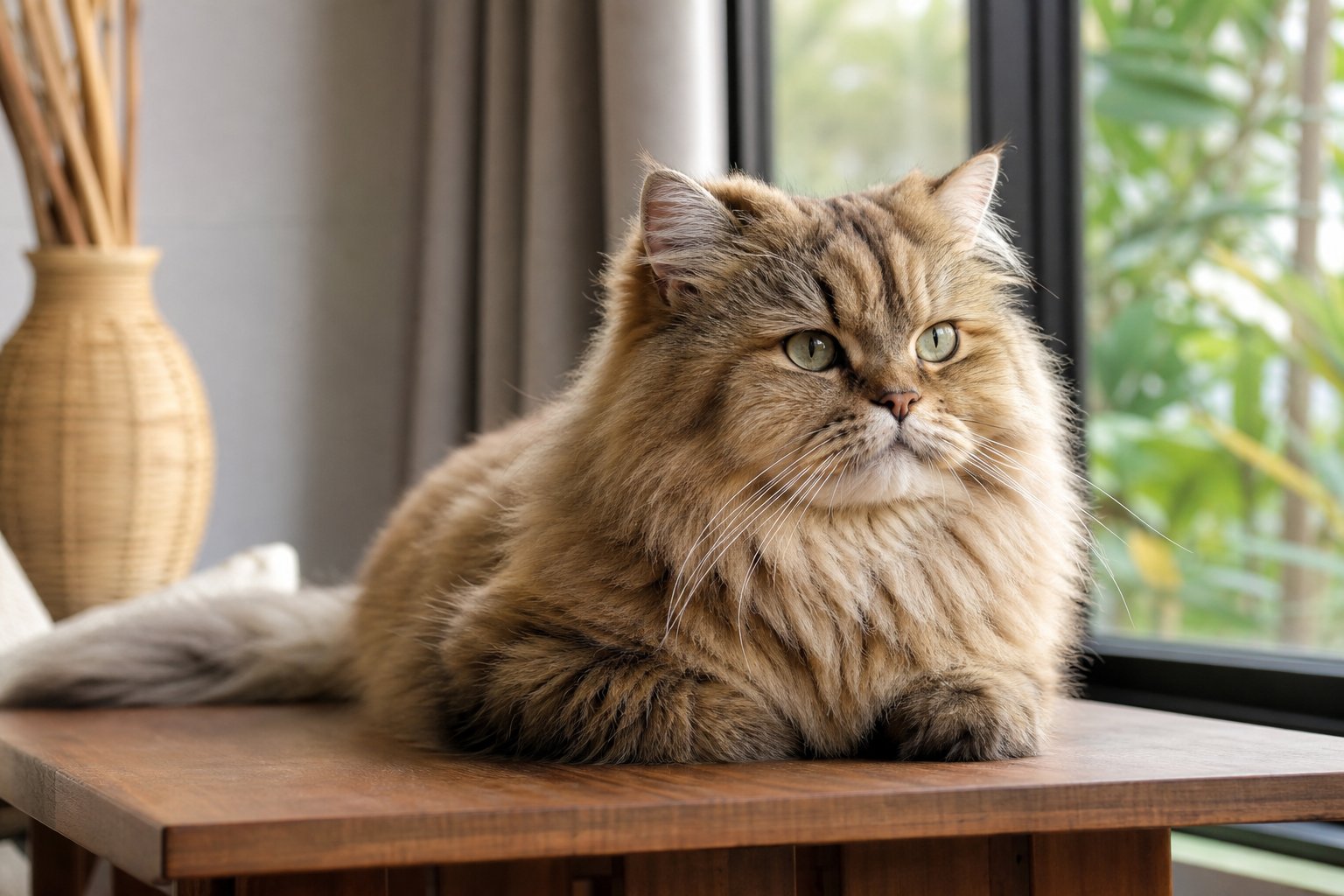
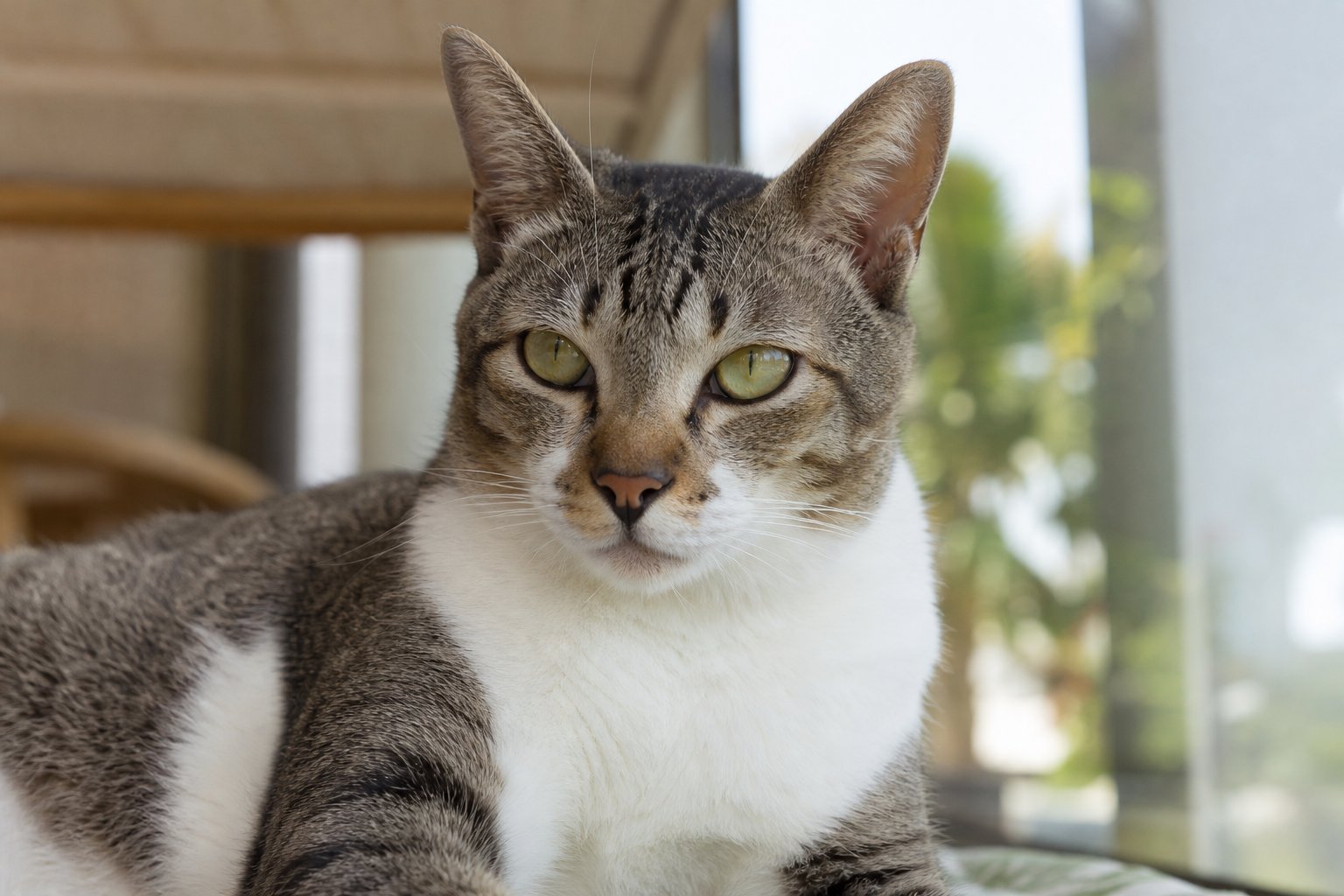
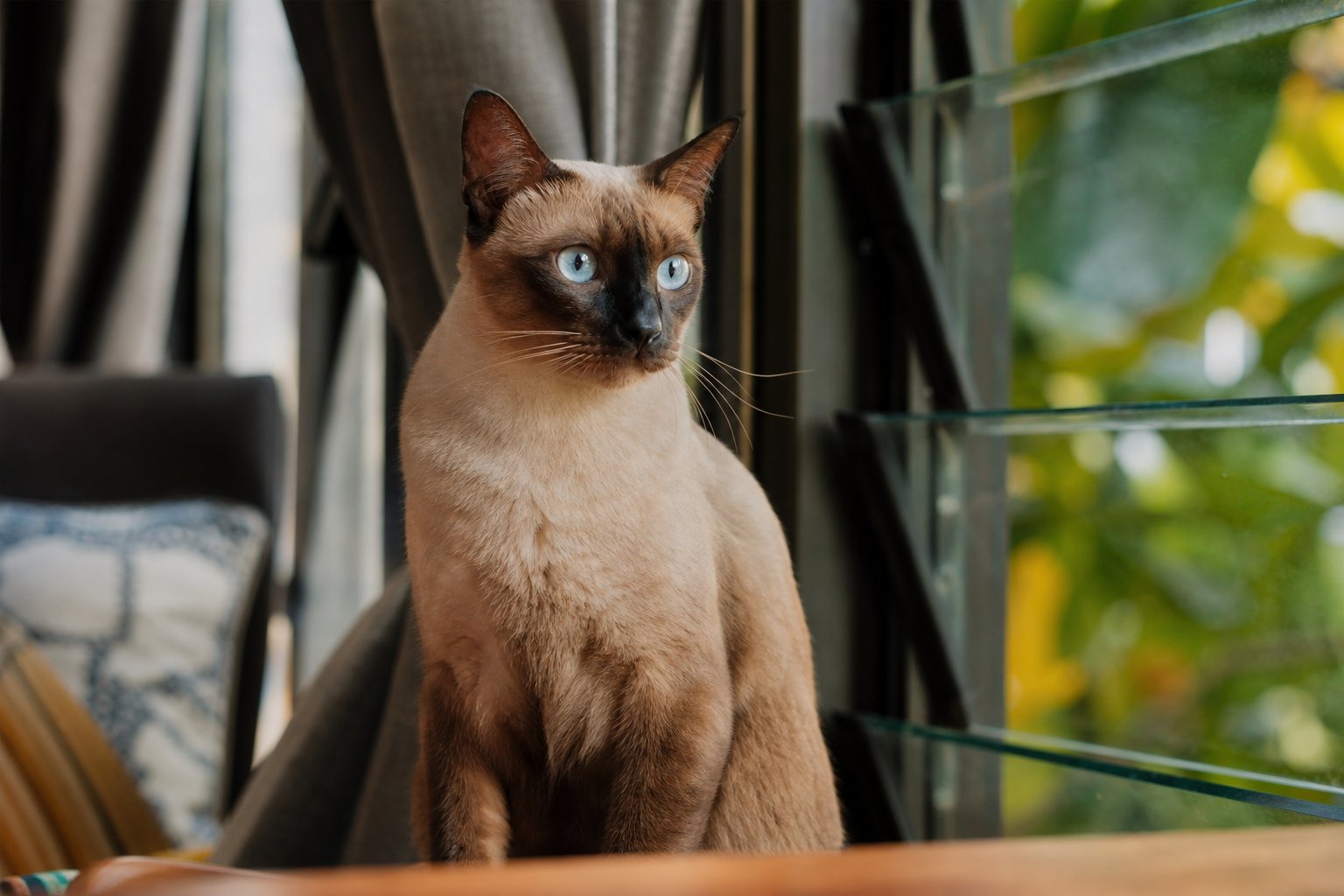
Related articles
- Abyssinian Cat Disadvantages in Malaysia: 7 Honest Truths Before You Adopt
Abyssinians are brilliant, busy cats that demand daily play, cat-proofed homes and a long-term health budget. This guide lists the seven genuine drawbacks and how Malaysian owners can manage each one.
- Abyssinian Lifespan in Malaysia: How Long They Live and What Actually Extends It
Abyssinians usually live 12–15 years, and well-managed cats often pass 15. The lifespan gap comes down to three things: PK deficiency screening, kidney checks from age eight, and daily dental care. Here is how Malaysian owners can work all three.
- Abyssinian Personality in Malaysia: The 'Cat That Works With You' Explained
The Abyssinian is not a lap cat that sleeps beside you — it is a colleague cat that follows you around the house and wants to be involved in everything. This guide explains the breed's five core traits, its lock-picking intelligence, its social needs, and the honest weakness: poor tolerance of long alone time.
- Abyssinian Cat Colours in Malaysia: The Four Ticked Tabby Shades, Kitten Colour Development and Buying Costs
The Abyssinian has four recognised colours — Ruddy, Sorrel, Blue and Fawn — all built on the ticked tabby pattern. Here is how to read each shade, what kittens look like before their coat settles, what colours cost locally, and the health checks that matter more than any premium shade.
Related products at PetChill


Sources
Last reviewed: 2026-11-16
For health concerns, consult a licensed veterinarian in Malaysia.