
Shiba Inu
Shiba Inu · Dog · Malaysia
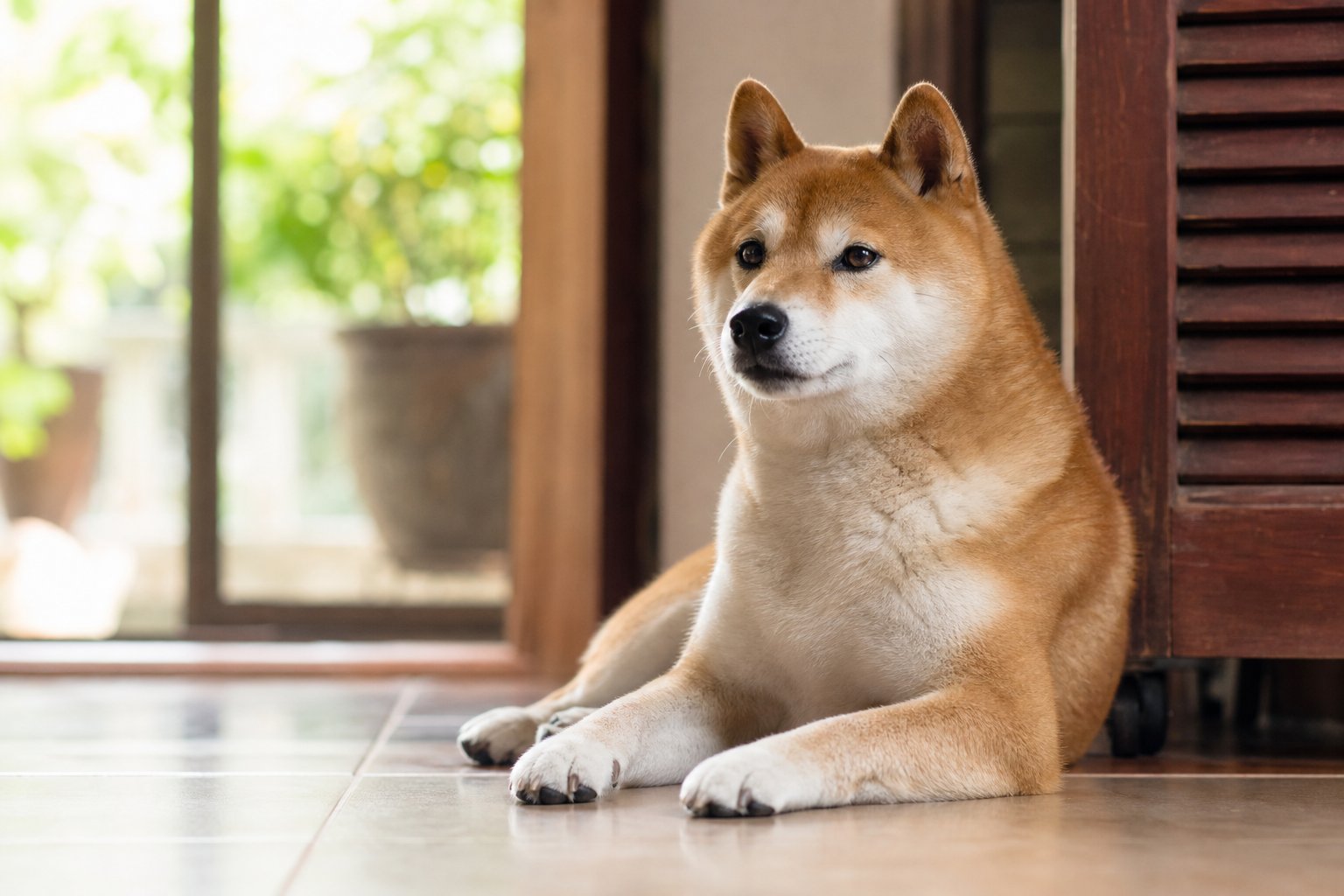
Quick answer
The Shiba Inu is a small-to-medium Japanese breed with a bold, independent nature and a thick double coat. In Malaysia, keep walks to cooler hours, brush often, never shave, and secure your home and leash firmly.
Quick facts
- Origin
- Japan
- Size
- Small to medium
- Lifespan
- 13–16 years
- Weight
- Small to medium breed, roughly 8 to 11 kg
- Coat
- Thick double coat that sheds heavily; never shave
- Price guidance
- Ask local breeders for a current quote; prices vary with papers, colour, size and availability.
Personality
- Alert
- Independent
- Loyal
- Clean
- Reserved
The Shiba Inu suits confident owners who enjoy a cat-like, self-reliant dog. Malaysia's heat and humidity shape daily care more than breed standards do, so plan around cool hours and coat management. This guide covers temperament, grooming, training, diet and health for local homes.
Temperament in a Malaysian Home
The Shiba Inu is alert, confident and often described as cat-like: clean, quiet indoors and selective about affection. Many are loyal to one person and polite but reserved with strangers. That independence is charming, yet it means a Shiba thinks before obeying, so early training matters. In Malaysian apartments and condos, their quiet indoor manner is a plus, but their alertness makes them quick to bark at corridor noise. They generally tolerate alone time better than clingy breeds, though they still need company and stimulation. Socialise your Shiba with neighbours, visitors and other dogs while young. Expect a strong prey drive toward lizards, birds and stray cats, so never trust an open gate or an off-leash walk in local neighbourhoods.
Daily Life in Malaysia's Climate
A Shiba's day in Malaysia should revolve around shade and cool floors. Indoors, provide a ventilated rest spot, fresh water always, and air conditioning or fans during hot afternoons. Outdoor time belongs to early morning and evening, when pavements are cooler and humidity is kinder. Condo living works if you commit to structured walks and indoor play; a balcony is not exercise and must be secured against jumping. Rainy-season walks need a towel-down routine, especially between the toes, to keep skin dry. Shibas are fastidious and house-train relatively easily, but they shed year-round, so daily life includes quick vacuuming. Keep a routine: toilet break, meal, walk, rest. Predictability suits this breed and reduces anxious barking.
Grooming a Double Coat in Humidity
The Shiba's double coat sheds heavily, and Malaysia's warmth keeps shedding fairly constant. Brush several times a week with a slicker or undercoat rake, and daily during blowouts. Never shave a Shiba: the coat insulates against heat and protects skin, and shaving can damage regrowth and sun exposure. Bathe only when needed, using a dog shampoo, then dry thoroughly, particularly the dense undercoat, to prevent skin problems in humid weather. Check ears weekly and keep them dry after baths or rain. Trim nails regularly and brush teeth often. Expect loose fur on floors and furniture; a rubber glove or vacuum helps. Grooming sessions are also a good time to check paws, skin and coat condition.
Exercise for Local Neighbourhoods
Shibas need moderate daily exercise: brisk walks plus sniffing time and indoor games. In Malaysia, schedule walks early morning or after sunset to avoid hot pavement and midday heat. Two shorter sessions often beat one long outing in humid weather. Carry water and watch for heavy panting, slowing down or seeking shade. Secure fencing and leash training are essential in Malaysian neighbourhoods, because a Shiba's prey drive and escape artistry are real. Use a well-fitted harness or collar and a fixed lead; retractable leads are risky near roads and strays. Mental work tires a Shiba as much as running: puzzle feeders, scent games, short training bursts and supervised garden time. Avoid strenuous exercise right after meals.
Training an Independent Mind
Training a Shiba Inu rewards patience and consistency rather than force. They are intelligent but opinionated, so short, positive sessions with food or toy rewards work best. Start recall, loose-lead walking and door manners early, and practise in low-distraction spots before busy Malaysian streets. Recall is never guaranteed with this breed, so secure fencing and leash discipline matter more than perfect obedience. Socialise gently with people, dogs, traffic noise and lift lobbies. Crate or pen training helps with toilet training and safe alone time in condos. Keep commands clear and end sessions while your Shiba is still interested. Harsh corrections create distrust; instead, manage the environment and reward the behaviour you want. Consistency across all household members is essential.
Feeding a Shiba in a Hot Climate
Feed a complete, balanced dog diet suited to your Shiba's age, size and activity, and measure portions to avoid weight gain, since Shibas can become chubby and prone to skin folds. Fresh water must be available at all times; humid weather increases drinking needs. Split food into two meals and avoid vigorous exercise right after eating. Treats should be small and counted within daily intake, which helps during training. Some Shibas are fussy or guard food, so feed in a calm spot and avoid crowding. Keep food sealed and stored cool to prevent spoilage in Malaysian humidity. Any diet change should be gradual, and specific feeding amounts should come from your vet based on body condition, not from guesswork.
Health Watch for Malaysian Owners
Shibas are generally hardy, with a lifespan of roughly thirteen to sixteen years, but they have documented breed tendencies worth monitoring. Patellar luxation can affect knees, so watch for skipping or stiffness. Allergies and skin irritation flare in humid conditions, making coat and paw checks useful. Eye conditions such as glaucoma and entropion are reported in the breed, so note squinting or redness. Hip concerns and hypothyroidism also appear in breed literature. Local vet access matters: register with a clinic near home and keep vaccinations and parasite prevention current, since mosquitoes and ticks are present year-round. Grooming-related skin problems from trapped moisture are preventable with thorough drying. This is general information, not diagnosis; consult your vet about any concern.
Patellar luxation
Watch for: Skipping on a hind leg, stiffness after rest, or reluctance to jump.
Care: Keep weight healthy, avoid rough jumping games, and have your vet assess any lameness.
Allergies and skin irritation
Watch for: Scratching, red skin, paw licking, or repeated ear problems in humid weather.
Care: Dry the coat fully, keep bedding clean, and ask your vet about allergy management.
Eye conditions such as glaucoma and entropion
Watch for: Squinting, redness, discharge, or rubbing the face against furniture.
Care: Check eyes regularly and seek prompt vet examination for any change.
Hypothyroidism
Watch for: Unexplained weight gain, low energy, or dull coat and skin changes.
Care: Have your vet assess symptoms and manage any confirmed condition with regular checks.
Choosing a Shiba in Malaysia
Before choosing a Shiba, be honest about your household: this breed suits owners who enjoy independent dogs, can commit to daily grooming and structured walks, and can secure a gate, balcony or condo entrance. Meet the dog or puppy and ask about temperament, vaccination records and health screening of the parents. Avoid impulse purchases and any breeder who cannot show you the dogs' living conditions or answer questions. Consider adoption or rehoming groups, where adult Shibas sometimes need homes. In Malaysia, confirm your condo or landlord allows dogs before committing. Plan for hot-weather care, shedding and vet visits. A Shiba is a long-lived companion, so choose with the next thirteen to sixteen years in mind, not just puppy appeal.
Caring in Malaysia
- Double coat sheds heavily; brush often and avoid shaving.
- Hot weather means walks should be early morning or evening.
- Secure fencing and leash training are essential in Malaysian neighbourhoods.
Frequently asked questions
Is a Shiba Inu suitable for a Malaysian apartment?
Yes, a Shiba can live in an apartment if you provide structured walks, indoor play and secure balcony or door management. Their quiet indoor nature helps, but they still need daily exercise in cooler hours and consistent training. Confirm building rules allow dogs before committing.
How often should I walk my Shiba in Malaysia's heat?
Walk early morning or evening, aiming for short sessions rather than midday outings. Hot pavement and high humidity make long walks risky, so carry water, watch for heavy panting, and add indoor games or scent work to meet exercise needs safely.
Can I shave my Shiba Inu to keep it cool?
No, avoid shaving. The double coat insulates against heat and protects the skin, and shaving can damage regrowth and increase sun exposure. Instead, brush often, remove loose undercoat, provide shade and fans, and keep walks to cooler hours.
Do Shiba Inus shed a lot in Malaysia?
Yes, Shibas shed heavily, and the warm climate keeps shedding fairly constant. Brush several times weekly with an undercoat rake or slicker, expect heavier blowouts, and vacuum regularly. Never shave; proper coat care and thorough drying after rain or baths prevent skin issues.
Are Shiba Inus easy to train off-leash?
No, reliable off-leash recall is unrealistic for most Shibas because of their independent nature and prey drive. Use a fixed lead or secure harness on walks, practise recall rewards in safe areas, and rely on secure fencing at home rather than trusting obedience in open spaces.
What health checks should a Shiba owner in Malaysia plan?
Plan routine vet visits for vaccinations, parasite prevention and weight checks, and ask about knees, eyes, skin and thyroid as your dog ages. Keep the coat dry in humidity, monitor for lameness or scratching, and raise any change with your local vet promptly.
Related breeds
Dog guides →
Related articles
- Shiba Inu Lifespan in Malaysia: 12–15 Years and How to Stretch Them
A well-cared-for Shiba Inu in Malaysia can reasonably expect 12 to 15 years, with many reaching 16. Weight control, annual check-ups and daily dental care move the needle far more than pedigree. Start those three today.
- Shiba Inu Personality in Malaysia: The Independent, Cat-Like Dog Explained
Quick answer: a Shiba Inu is independent, stubborn, clean, clever and loyal to family — the classic "cat-like dog". It hears you perfectly; whether it obeys is its own decision. Its low intelligence rank measures obedience speed, not brainpower.
Related products at PetChill
Sources
Last reviewed: 2026-11-16
For health concerns, consult a licensed veterinarian in Malaysia.