
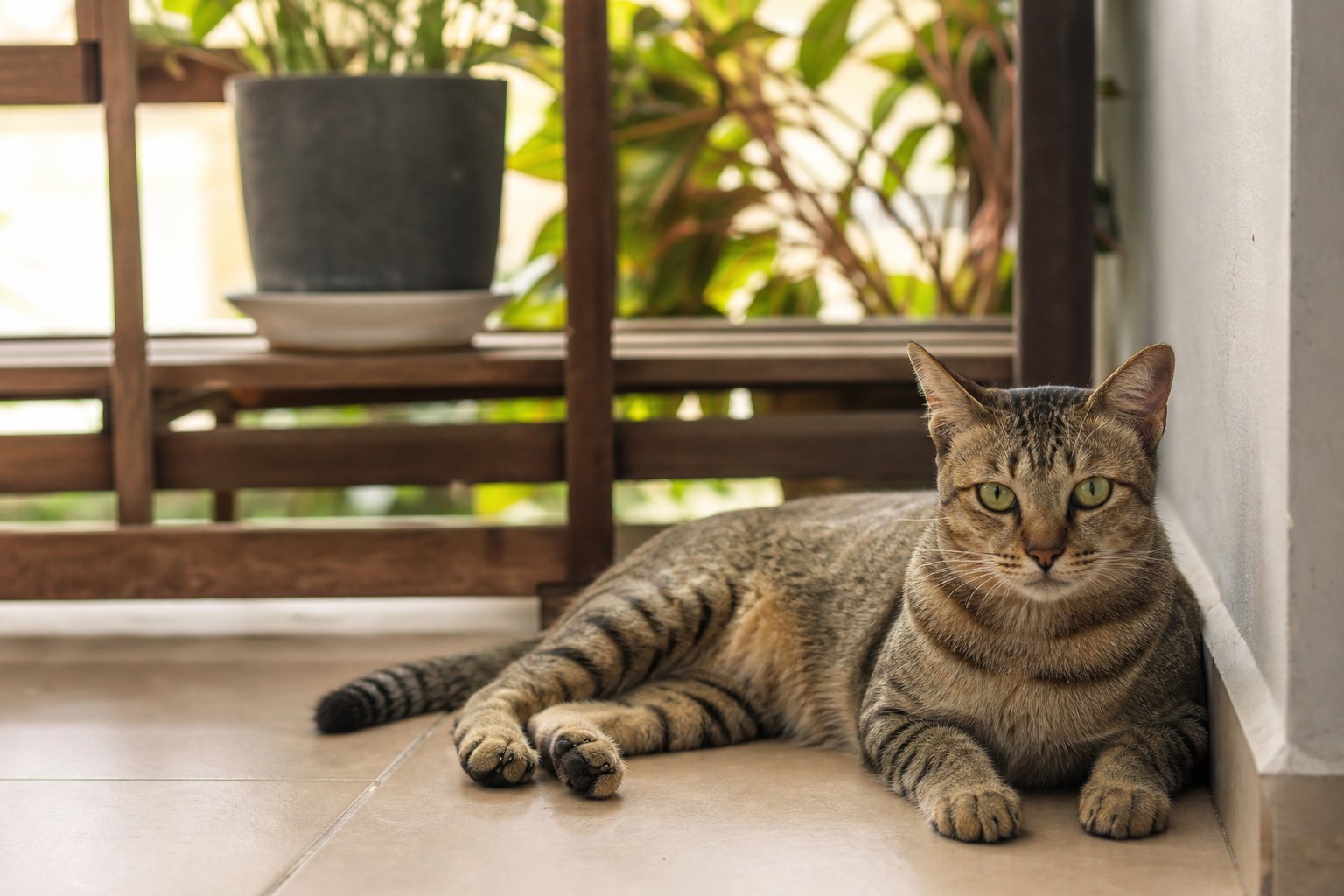
Fruit and vegetables can be occasional treats for cats and dogs — but only peeled, pitted, cut small, completely plain and served in tiny amounts. Mango flesh, ripe banana, blueberries and apple flesh are generally acceptable in moderation. Citrus peel and oils, onion and garlic, and stone fruit pits are never safe. Portion everything to body weight, and keep all treats at no more than a tenth of daily calories.
The five-word rule: peel, pit, cut, plain, small
Almost every safe treat follows the same five steps. Peel removes skin that may hold pesticide residues or irritant oils and that is hard for small pets to digest. Pit removes stones, cores and seeds — the hard part is a choking and intestinal blockage risk, and some seeds carry cyanogenic glycosides that release small amounts of cyanide when chewed. Cut everything into pieces sized for your pet's mouth, so a small dog or a cat cannot swallow it whole. Plain means no sugar, salt, syrup, butter, spice or sauce; the flavoured and processed versions are usually the problem, not the fruit itself. Small means a taste, not a serving.
A quick checklist before any new treat:
- Wash the fruit under running water, then pat dry.
- Remove skin, stone, core, seeds, stalk and leaves.
- Cut to pea-size for cats and small dogs, thumb-size for larger dogs.
- Serve plain and at room temperature, never straight from a hot pan or spiced dish.
- Offer one or two pieces the first time, then watch for 24 hours.
- Log it: a short note on date, amount and any reaction saves guesswork later.
Two limits apply regardless of how healthy the fruit looks. Treats should never exceed about 10% of daily calories — an internationally recognised nutrition guideline — and every pet needs regular nutritional assessment based on age, weight and health status. Cats are obligate carnivores, so plant foods supply nothing they actually need; "safe to eat" is never the same as "needs to eat". The same mouthful is also a much bigger relative dose for a 4 kg cat or a 300 g hamster than for a 10 kg dog.
Portion guide by body weight
These are general reference amounts for a healthy adult pet with no chronic illness. Treat them as a ceiling, not a target, and adjust for age, weight, health condition and anything else already fed that day.
| Fruit | Safe part | 10 kg dog, per day | Cat | What to watch |
|---|---|---|---|---|
| Mango | Ripe flesh, skin and stone removed, cut small | 1 to 2 small pieces | Even fewer | Skin is irritating, stone is large and hard, sugar is high |
| Banana | Ripe flesh only | 1 to 2 thin slices | 1 or 2 small slices | Ripeness changes sugar and digestibility; avoid for diabetic pets |
| Blueberries | Washed, stems off, halved | 3 to 5 berries | 2 to 3 berries | Dried, sauced or sweetened products are unsafe |
| Apple | Flesh, seeds and core removed | 1 to 2 small chunks | 1 or 2 small chunks | Seeds contain cyanogenic glycosides; skin is hard to digest |
| Watermelon | Seeded-free, rind-free flesh | 1 to 2 small chunks | 1 or 2 small chunks | Remove every seed and all rind; avoid for diabetic pets |
| Pumpkin | Steamed, mashed, unsweetened, unseasoned | 1 to 2 teaspoons | Under 1 teaspoon | Fibre supplement only; never replaces a meal |
Practical ways to keep portions honest: weigh treats on a kitchen scale once to learn what "one small piece" really weighs, then use your hand as a rough guide afterwards. Split the day's allowance across two sessions rather than one lump. If you already gave a commercial treat earlier, halve the fruit portion. For a puppy, a senior pet or one with kidney disease, diabetes or a history of urinary stones, ask your vet before introducing any new treat — you cannot diagnose a contraindication by looking at the animal.
Citrus, cherries, pineapple and other foods to keep away from cats
Lemons, oranges, mandarins, grapefruit, pomelo and limes all belong to the citrus family. A tiny bit of flesh is rarely an emergency, but the peel, leaves, stems and essential oils contain concentrated irritant compounds. Cats metabolise these poorly, so no citrus plant should be treated as "cat safe" — even a potted ornamental citrus on a balcony belongs outside the cat's reach. Exposure signs include drooling, vomiting, diarrhoea, low energy, red or swollen skin, and in severe cases unsteady walking.
Prevention beats treatment: keep cut fruit and peels off low tables and counters, move citrus-scented diffusers, sprays and cleaning products away from pet areas, wash cups and plates promptly, and use a lid on the kitchen bin. To keep a cat off a surface, use a physical barrier rather than relying on a strong scent.
Other foods worth flagging:
- Pineapple: fresh flesh in small amounts is not poisonous, but bromelain can irritate the mouth and skin, and acidity plus sugar often upsets the stomach. Canned pineapple, juice and dried rings are normally sweetened — skip them.
- Cherries: the flesh is low risk, but the pit, leaves and stems contain cyanogenic glycosides. Cherries are small enough to be swallowed whole with the stone, which makes them especially hazardous for cats and small dogs. Always pit and halve first, and never let a pet chew a stone.
- Jasmine: the whole plant, including flowers and leaves, carries essential oils and irritants that can cause drooling, vomiting and low energy; jasmine oil and diffuser products are riskier still. It is not as dangerous as lilies, but it should sit well out of reach.
- Pistachios and other nuts: not highly toxic, but high in fat and salt, with salted versions much worse. Small pieces choke easily, and fattening foods can upset an older cat's digestion or trigger pancreatitis. Mouldy nuts contain mycotoxins — bin them.
| Food | Risky part | Main risk | What to do after exposure |
|---|---|---|---|
| Lemon and citrus | Peel, leaves, stems, essential oils | Irritant compounds, far concentrated in oils; cats clear them poorly | Contact a vet immediately, without waiting for symptoms |
| Onion, garlic, chives | All forms, especially powders | Destroys red blood cells, causing haemolytic anaemia | Treat as an emergency; blood tests may be needed |
| Cherry, apple, mango | Stones, seeds, cores, leaves, stems | Cyanogenic glycosides; stones cause choking or blockage | Seek veterinary care; never induce vomiting yourself |
| Pineapple | Skin, leaves, processed products | Enzyme irritation, high sugar, added syrup | See a vet if symptoms appear; skip all processed versions |
| Jasmine | Flowers, leaves, oils, diffuser products | Gastrointestinal irritation, drooling, lethargy | Remove the plant and get veterinary advice if signs appear |
| Pistachios and nuts | All, especially salted versions | High fat, high salt, mycotoxins, choking | See a vet if unwell; higher risk in older cats |
Apples, kiwi, spinach and pumpkin: which parts are safe?
Apple. Small amounts of flesh are fine, cut small. The skin is not toxic but may carry pesticide residues and is harder for small pets to digest, so peeling is the safer habit. Every seed must be cut out because chewing them releases trace cyanide; the core, stalk and leaves stay out too. Note that much of the fibre sits in the skin, so peeled apple is lower in fibre — either way, apple is a treat, and feeding it alone over time skews the diet.
Kiwi. Flesh in small amounts, peeled and cut. Acidity and actinidin enzyme can irritate the mouth, and the fuzzy skin easily makes the muzzle itch, so always peel. Kiwi is relatively high in potassium: an older cat with diagnosed kidney or heart disease, or any pet on potassium restriction, should not get it without veterinary approval. You cannot spot that contraindication by eye — if the cat is healthy, one or two small pieces is generally uneventful.
Spinach. For cats this sits in the "not advised" category. Oxalates bind calcium, which is a real concern for pets with a history of urinary stones or kidney disease, and cats gain nothing nutritionally from vegetables. For dogs, a little well-cooked spinach is usually tolerated: boil it without salt or oil, keep portions small, and do not feed it daily long term, since a persistently high-oxalate diet is unhelpful for the urinary tract.
Pumpkin. Steamed or baked, mashed, unsweetened and unseasoned, it is one of the better fibre options. For a 10 kg dog, one to two teaspoons once a day is plenty; for a cat, under a teaspoon. Never serve pie filling, pumpkin soup containing onion or garlic, or sweetened canned products — check the label for added sugar or seasoning. If you need plain purée for several days running to manage stools, book a vet check instead of self-prescribing indefinitely.
Watermelon. Seedless, rindless flesh in small pieces only. It is high in water but must not replace drinking water, and a pet that needs weight or glucose control should skip it because the sugar is not trivial.
Alliums: onion and garlic are never safe
Onion, garlic, chives, leeks, spring onions, shallots, dried onion and chive-like plants all belong to the allium family. They contain sulphur compounds that damage red blood cells and cause haemolytic anaemia in both cats and dogs, with cats generally at higher risk. The critical points: cooking, roasting and drying do not remove the toxicity, there is no established safe amount, and powders and concentrates are more dangerous than fresh chopped pieces because they are concentrated and nearly impossible to portion accurately.
The most common failures are hidden sources rather than a pet chewing a raw clove. Check broths, braising liquids, meatballs, sausages, dumpling fillings, canned soups, instant noodle seasoning and some home-cooked pet recipes — many list garlic powder or onion powder. Symptoms may appear immediately or be delayed one to several days: low energy, weakness, pale gums, rapid breathing, dark urine, loss of appetite, vomiting or diarrhoea. Because of the delay, contact a vet even if your pet seems perfectly normal after a suspected nibble.
Storing blueberries: fridge, freezer and thawing
Blueberries are among the more forgiving fruits, but storage mistakes waste them and can grow mould — a real concern in a humid tropical climate.
Wash when you serve, not before storage. The natural powdery bloom on the berries protects them. Washing and then refrigerating while damp speeds up mould; if you must wash early, dry thoroughly with kitchen paper or spread out to air-dry before chilling, and use them quickly.
Freezing properly. Rinse gently, pat dry, spread in a single layer on a tray and freeze solid, then tip into a sealed bag so the berries don't fuse into a block. Write the freezing date on the bag.
Never refreeze. Ice crystals rupture the cells during the first thaw, so a second freeze makes the fruit watery, soft and bland, leaches water-soluble vitamins and some antioxidants into the juice, and multiplies microbial growth. Thawed berries should be fed the same day.
Thaw slowly in the fridge. Leave them on the lower shelf overnight rather than counter-top for hours, and never in hot water — prolonged room temperature and sudden temperature swings both let bacteria multiply fast. Don't return leftovers to the freezer. Discard anything mouldy, mushy, sour-smelling or weeping liquid.
Small pets: hamsters, rabbits and birds
Hamsters. Body weight is tiny, so fruit sugar lands hard. Banana should be a nail-sized piece of fresh ripe fruit, at most once or twice a week — never dried banana or processed snacks. One or two halved blueberries is the outer limit. The staple diet stays commercial hamster mix plus appropriate fibre; fruit is a garnish, and too much skews the ratio. Stop and see a vet if you notice runny droppings, a bloated belly or reduced energy.
Rabbits. Hay is the foundation (timothy hay is a common choice), vegetables second, fruit only in minute amounts. Too much banana sugar disrupts the gut flora and can cause soft stools, diarrhoea and dehydration; in a severe case gut motility can stop altogether, which is an emergency. Never change a rabbit's diet suddenly — introduce any new food in a pinch-sized amount and watch the droppings for a couple of days.
Birds such as parrots. Human sweets and sugary fruit should never become the main diet; keep offerings small and varied, and stay with a properly formulated feed as the base.
A note on Malaysia's climate: in a Penang rainy-season stretch, warmth and humidity make washed fruit spoil faster, so dry berries thoroughly before chilling and check the container daily. In a Kuala Lumpur apartment, a diffuser of citrus or floral scents on a side table is a common hazard — place it where a curious cat cannot brush past or knock it over.
When to see a vet
Do not wait, and do not induce vomiting at home — contact a vet or a 24-hour emergency clinic immediately if:
- Any amount of onion, garlic, chives, spring onion, garlic powder or onion powder was eaten, or the gums look pale, the pet is weak, or the urine has darkened.
- Citrus peel, essential oil or a diffused product was swallowed or touched, followed by drooling, vomiting, red skin or unsteady walking.
- A cherry stone, apple seed, mango stone or fragment of any pit was swallowed, or breathing difficulty or seizures start.
- Persistent vomiting, bloody diarrhoea, or a bloated, hard abdomen that flinches from touch appears after eating fruit.
- A hamster or rabbit develops diarrhoea, stops passing droppings, bloats, becomes lethargic or refuses food.
- Any pet seizes, breathes rapidly, loses consciousness, shows an abnormal body temperature or does not respond at all.
When you go, bring the packaging or a photo of the food, plus your best estimate of the amount eaten and the time it happened — that information changes what the vet does first.
Vet disclaimer: This article is general information for pet owners and is not a diagnosis, prescription or substitute for professional veterinary care. If your pet is unwell or has eaten something suspicious, contact a qualified veterinarian promptly.
Related reading
- Pet Nutrition Guide Malaysia: Protein, Phosphorus, Calories & Prescription Diets Explained
- Human Food and Pets in Malaysia: What's Safe, What's Toxic, and What to Do After Ingestion
- Cat & Dog Fruits and Vegetables: Part 2 Safety Guide for Malaysia
- Cat & Dog Fruits and Vegetables Safety Part 5: Banana, Mango, Jasmine and Sweet-Smell Warning Signs in Malaysia
- Cat Vitamin B12 Supplement Forms in Malaysia: 6 Dosage Forms and How to Choose
- Dog Food Label Malaysia: Guaranteed Analysis, Dry Matter Conversion and Carb Calculation
- Pet Food Storage in Malaysia: Keep Dry Food, Cans and Fresh Meals Safe in Humid Weather
- Fruit and Vegetable Safety for Malaysian Cats and Dogs: What to Feed, What to Avoid
- Pet Nutrition Hub Malaysia: Protein, Phosphorus, Calories, Weight & Prescription Diets