
Why a scratching post matters
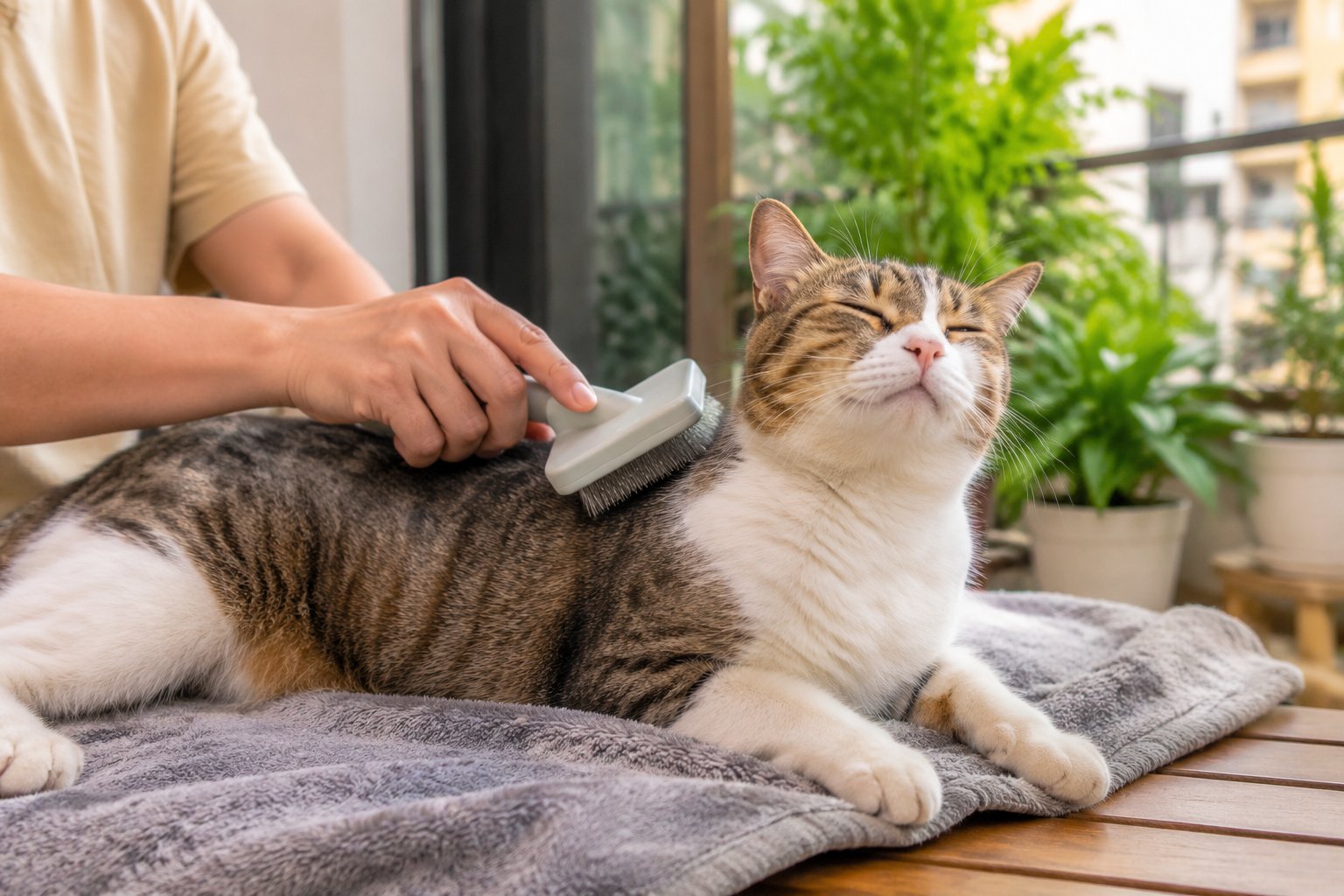
Cats scratch. It is not naughty behaviour—it is natural and necessary. Scratching removes old claw sheaths, stretches muscles, and leaves scent marks that help cats feel secure. Without a suitable outlet, cats often turn to sofas, curtains, carpets and wooden furniture. A good scratching post protects your home and meets your cat’s needs.
In Malaysia, many cats live in apartments or terrace houses where space is limited and furniture is close at hand. Choosing the right scratching post—and placing it well—can make the difference between a contented cat and a shredded sofa.
This guide explains what to look for in a scratching post for Malaysian homes. It covers height, material, stability, placement, and how to encourage your cat to use it. You will also find a comparison table and practical tips.
What makes a good scratching post?
A scratching post must satisfy three basic needs: it must be tall enough for a full stretch, stable enough not to wobble, and covered in a material that feels good under claws. If any of these fail, your cat may reject it.
Height: let your cat stretch
Cats like to scratch with their front legs extended and their back arched. A post that is too short forces them to scratch at an awkward angle. For most adult cats, a post should be at least 80 cm tall. Larger breeds such as Maine Coons may need 90–100 cm. Measure your cat from floor to the tip of its front paws when stretching—that is the minimum height.
Stability: no wobble
A post that rocks or tips will scare your cat away. Look for a wide, heavy base. Posts that are tall but narrow often need to be anchored to a wall or placed in a corner. If you live in a rented apartment and cannot drill into walls, choose a post with a weighted base or a sturdy cat tree that includes a scratching area.
Material: what feels right under claws
Sisal rope is the gold standard. It is durable, has a rough texture that cats love, and does not shred into dangerous pieces. Sisal fabric (woven sisal) is similar but often softer. Cardboard scratchers are cheap and popular but wear out faster. Wood is long-lasting and some cats enjoy it. Avoid carpet—it can teach cats that carpets are acceptable scratching surfaces, and carpet fibres can snag claws.
Orientation: vertical or horizontal?
Most cats prefer vertical scratching, but some—especially older cats or those with joint pain—prefer horizontal surfaces. Observe your cat: does it scratch the sofa arm (vertical) or the carpet (horizontal)? Choose accordingly. Many cat trees combine both.
Size and shape
A simple post is fine, but a post with a platform on top gives your cat a perch and makes the furniture more appealing. Angled scratchers can suit cats that like to scratch at a slant. For multi-cat homes, provide at least one post per cat, plus one extra.
Comparison table: scratching post types
| Type | Best for | Pros | Cons |
|---|---|---|---|
| Tall vertical sisal post | Most cats; full-body stretch | Durable, satisfies natural urge, easy to place | Takes floor space; may need wall anchor if tall |
| Horizontal cardboard scratcher | Cats that scratch floors; older cats | Cheap, easy to replace, low profile | Wears out quickly; can be messy |
| Cat tree with scratching posts | Multi-cat homes; climbers | Combines scratching, climbing and resting | Bulkier; more expensive |
| Angled scratcher | Cats that scratch at an angle | Ergonomic for some cats | Less common; may wobble if light |
| Wall-mounted scratcher | Small apartments | Saves floor space; very stable | Requires drilling; not for renters |
| Wooden scratching post | Strong cats; heavy chewers | Very durable; stable | Heavier; may be pricier |
Choosing the right post for your Malaysian home
Malaysian homes vary widely—from high-rise apartments in Kuala Lumpur to terrace houses in Johor and Penang. Space, humidity and family routines all affect your choice.
Apartments and condos
In a Kuala Lumpur apartment, floor space is precious. A tall, slim post in a corner or a wall-mounted scratcher can work well. If you have a balcony, a cat tree with a scratching post can provide enrichment, but make sure it is secure and shaded. Humidity can affect cardboard scratchers—they may soften or grow mould if left damp, so keep them indoors and dry.
Terrace houses and landed properties
In a Johor terrace house, you may have more room for a cat tree or multiple posts. Place one in the living room and one near a favourite sleeping spot. If your cat goes outdoors, provide a post indoors as well—outdoor scratching on trees is fine, but indoor furniture still needs protection.
Humidity and durability
Malaysia’s humid climate can affect some materials. Sisal rope holds up well, but cardboard can absorb moisture. Wooden posts may need occasional wiping to prevent mould. Avoid posts with fabric coverings that trap moisture. Check regularly for signs of wear or mildew.
Renting and damage
If you rent, choose freestanding posts with weighted bases rather than wall-mounted ones. Use non-slip pads under the base to protect floors and reduce noise. A stable post is less likely to tip and damage walls.
Placement: where to put the scratching post
Placement is as important as the post itself. Cats scratch where they feel safe and where their scent is already present. Put the post where your cat already scratches—next to the sofa, by the door, or near a window. Do not hide it in a spare room.
If your cat scratches a particular spot, place the post directly in front of it. Once your cat uses the post reliably, you can move it gradually (a few centimetres a day) to a more convenient location.
Provide at least one post in a main living area. For multi-cat homes, spread posts around the house so each cat has its own territory.
How to encourage your cat to use the post
Cats are individuals. Some take to a new post immediately; others need encouragement.
- Make it stable. If it wobbles, fix it or replace it.
- Use catnip. Rub catnip or silvervine on the post (if your cat responds to it).
- Play with a toy near the post. Dangle a wand toy so your cat stretches up against it.
- Reward investigation. Praise or treat your cat when it sniffs or scratches the post.
- Never force. Picking up your cat and dragging its paws down the post can create fear.
- Cover the old spot. Temporarily cover the scratched furniture with a throw or double-sided tape while your cat learns.
If your cat ignores the post, try a different material or orientation. Some cats prefer cardboard; others like wood. It may take a few tries.
Maintenance and safety
Check your cat’s post regularly for loose threads, splinters or wobbling. Replace sisal rope when it becomes frayed, and replace cardboard scratchers when they are shredded. A worn post is less effective and may harbour bacteria.
Keep the post clean by vacuuming or wiping it. Avoid harsh chemicals. If you have multiple cats, provide enough posts to reduce competition.
When to see a vet
Scratching is normal, but changes in scratching behaviour can signal problems. See a vet if your cat:
- Suddenly stops scratching or scratches excessively
- Scratches at its own body until raw
- Shows pain when stretching or moving
- Has overgrown, ingrown or broken claws
- Develops skin lesions or hair loss
A vet can check for arthritis, allergies, parasites or other issues. If your cat is scratching furniture excessively despite having a post, a vet or qualified behaviourist can help rule out medical causes and advise on enrichment.
Quick checklist
- Post is at least 80 cm tall (taller for large breeds)
- Base is wide and heavy; post does not wobble
- Covered in sisal rope or sisal fabric (not carpet)
- Placed where your cat already scratches
- One post per cat, plus one extra
- Stable on your floor type; non-slip pad if needed
- Easy to clean and check for wear
Final thoughts
The best scratching post for your cat is the one it actually uses. Focus on height, stability, material and placement. In Malaysia, choose materials that suit the humidity and your living space. With the right post, you can protect your furniture and keep your cat happy and healthy.
Disclaimer: This article is for general information only and is not a substitute for veterinary advice. Always consult a licensed veterinarian for health concerns about your cat.
Related reading
- Daily Care Guide Malaysia: A Practical Routine for Dogs and Cats
- Cat Tree for Indoor Cats: The Complete Malaysia Guide
- How to Use a Cat Tree for Cats: A Practical Guide for Malaysian Homes
- Pet Daily Care Guide Malaysia: Brushing, Nails, Ears, Eyes, Teeth and Weight (2026)
- Best Cat Tree for Cats in Malaysia: A Practical Buying Guide
- Best Catnip for Cats in Malaysia: A Practical Buyer's Guide
- Best Litter Scoop for Cats in Malaysia: A Practical Buying Guide
- Best Puzzle Feeder for Cats in Malaysia: A Practical Buying Guide



