
The short answer
A cat carrier is one of the few purchases that affects both your cat's welfare and your own safety. The right carrier is hard-sided, top-opening, well ventilated, easy to disinfect, and big enough for your cat to stand, turn and stretch out. Buy it before you need it, leave it out at home so it stops being scary, and secure it properly in the car.
This guide walks through sizing, shell types, ventilation, car safety, tropical heat, acclimation training, cleaning and a pre-vet-visit checklist. Prices in Malaysia vary widely by brand and size, so treat any figure you see online as a rough guide and compare at your local pet retailer or ask your vet what they recommend.
Why the carrier matters more than you think
Most cats see a carrier two or three times a year, usually attached to something unpleasant: a car ride, a thermometer, a vaccine. That association is learned fast. A cat that only meets the box on vet day will fight it, and a struggling cat is harder to examine, harder to medicate and more stressed at every future visit.
The carrier also protects your cat from the outside world. A frightened cat that escapes in a clinic car park or on a housing estate road is at real risk of traffic injury and of getting lost. A secure, latched carrier removes that risk entirely.
Finally, the carrier protects you. Cats in pain or fear scratch and bite hard, and cat bites can become infected quickly. A carrier with a top door lets your vet lift the cat out safely without tipping the whole box.
Step one: measure your cat properly
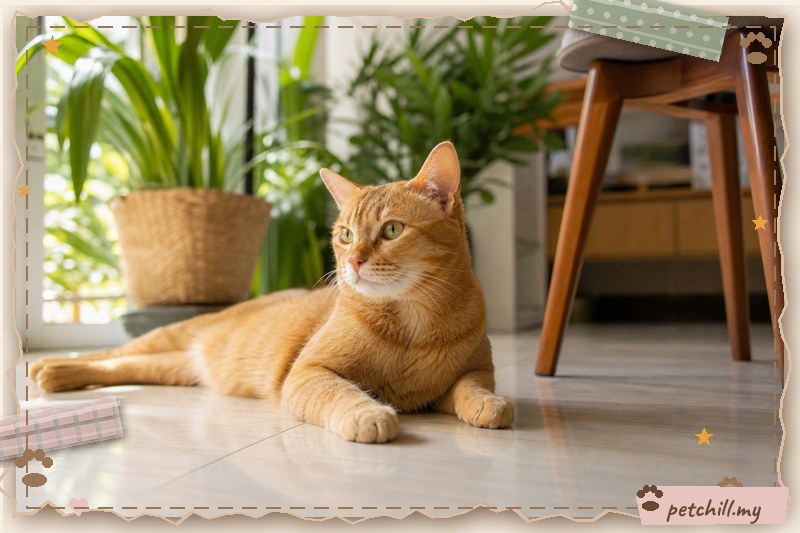
Do this at home with a tape measure and a cat that is reasonably relaxed.
- Length: nose to the base of the tail, while the cat stands. Add 5–8 cm.
- Height: floor to the top of the head while standing, or to the highest point of the shoulders if the head is lowered. Add 5–8 cm.
- Width: the widest part of the body, usually the ribs or hips. Add 3–5 cm.
- Weight: weigh yourself holding the cat, then subtract your own weight. This tells you whether the carrier's stated load limit is adequate.
A carrier that is too small forces the cat to crouch for the whole journey. A carrier that is far too large lets the cat slide around during braking. Aim for snug but roomy: the cat should be able to stand, turn around and lie down fully stretched.
If your cat is still growing, or is a large breed such as a Maine Coon, buy for the adult size. Kittens grow into a medium carrier within months.
Hard vs soft vs backpack: a comparison
| Feature | Hard plastic carrier | Soft fabric carrier | Backpack carrier |
|---|---|---|---|
| Crash protection | Best | Limited | Limited |
| Cleaning and disinfection | Easy, wipeable | Harder, fabric absorbs odour | Harder |
| Ventilation | Good if mesh on 2+ sides | Good, but mesh can tear | Varies; check airflow |
| Storage | Bulky | Folds flat | Compact |
| Top-loading option | Common | Less common | Rare |
| Stability in car | High | Low; sags and tips | Low |
| Best for | Vet visits, car travel, anxious cats | Short calm trips, storage-limited homes | Short walks, very calm cats |
| Watch out for | Weight, storage space | Zips failing, collapse | Heat build-up, poor visibility |
For most Malaysian households, a hard carrier is the better default. Soft carriers are useful as a second carrier for a calm cat or for a household with very little storage. Backpacks are popular but are the weakest choice for car travel and for hot afternoons.
What to look for in a hard carrier
- Top door as well as a front door. Vets strongly prefer top-opening carriers because they can lift the cat out without dragging.
- Metal latches or screws, not just clips. Cheap plastic clips pop open under stress.
- Mesh on at least two sides. Cross-ventilation matters in a hot car.
- A solid, flat base. A wobbly base makes the cat feel unstable.
- A removable or washable base tray. Accidents happen; you want to lift out the tray, not scrub the whole shell.
- Rounded interior edges. Fewer places for claws and bedding to catch.
- A handle that sits over the centre of gravity. A carrier that hangs at an angle is uncomfortable and harder to carry.
- Carry straps or seatbelt slots. Some carriers have moulded slots for a seatbelt; these are worth having.
Avoid carriers with large open grilles on the front only. They look airy but offer little privacy, and a frightened cat will press its face against the bars.
What to look for in a soft carrier
- Reinforced base panel so the bag does not sag around the cat.
- Metal zips with locking sliders. Cats can and do push zips open.
- Mesh panels that are stitched, not glued. Glued mesh peels in humidity.
- A frame that holds shape when the cat leans on it.
- Machine-washable bedding and a wipeable lining.
Soft carriers are fine for a calm cat on a five-minute drive. They are not the right choice for a nervous cat, a long journey, or a cat that has previously escaped.
Ventilation and the Malaysian climate
Malaysia's heat and humidity change the carrier calculation. A carrier that is comfortable in a cool clinic can become an oven in a parked car in the afternoon sun, even with windows cracked.
Practical rules:
- Choose a light-coloured carrier if you have the option. Dark plastic absorbs heat.
- Check that mesh covers at least two sides, ideally three.
- Never leave a cat in a parked car, even briefly. Run errands around the vet visit, not the other way around.
- Keep the air-conditioning on during the drive, directed at the cabin rather than blasting the carrier directly.
- Carry a small towel to drape over part of the carrier for shade, but never cover all the ventilation.
- In the rainy season, a carrier with a solid roof keeps the cat drier on the walk from car to clinic.
Humidity also affects the carrier itself. Fabric carriers stored in a damp utility area can grow mildew. Dry them fully in shade before storing, and avoid sealing a damp carrier in a cupboard.
Car safety: the part most owners skip
An unrestrained carrier in a moving car is a projectile. In sudden braking, a carrier on the passenger seat will hit the dashboard or the windscreen. The cat inside has no protection at all.
Do this instead:
- Place the carrier on the back seat, not the front passenger seat.
- Thread the seatbelt through the carrier handle or around the base, and pull it tight.
- Alternatively, place the carrier in the boot behind a cargo divider or secured with a strap.
- Keep the cabin cool and the radio low.
- Never let the cat out of the carrier inside the car, even at a traffic light.
If you use a ride-hailing service, tell the driver in advance that you are travelling with a cat in a carrier. Some drivers decline; it is better to know before the car arrives.
Acclimation: turn the carrier into furniture
The single best thing you can do is leave the carrier out permanently, with the door open or removed, in a room the cat uses. Put a familiar-smelling blanket inside. Drop treats in. Feed a meal next to it, then inside it.
A simple two-week plan:
| Day | Task |
|---|---|
| 1–3 | Carrier open on the floor with bedding. No door. Treats scattered nearby. |
| 4–6 | Feed meals beside the carrier. Toss a treat inside. |
| 7–9 | Feed inside the carrier. Close the door for a few seconds while the cat eats, then open. |
| 10–12 | Close the door for 30 seconds, carry the carrier around one room, put it down, open, treat. |
| 13–14 | Short car trip around the block, then home and a treat. |
If your cat is already fearful, slow this down. A cat that will not enter the carrier after two weeks needs a different approach: try a different carrier style, use a pheromone spray on the bedding, and ask your vet for advice before the next visit.
Common mistakes
- Buying the carrier the day before the vet visit. No time to acclimatise.
- Choosing by looks. A stylish carrier with poor ventilation is a bad carrier.
- Using a cardboard box. It soaks through, collapses when wet and offers no security.
- Carrying the cat in your arms. A startled cat can escape in seconds.
- Washing the carrier with strong household cleaner. Residue irritates paws and airways. Use pet-safe products and rinse well.
- Storing the carrier in a hot shed or car boot. Plastic warps and fabric mildews.
- Forgetting to check the latches. Test them monthly; a latch that has stiffened or cracked is a failure waiting to happen.
Cleaning and maintenance
After every trip, especially a vet visit where the carrier may have picked up germs:
- Remove bedding and wash it hot.
- Wipe the shell inside and out with warm soapy water.
- Disinfect with a pet-safe product, following the label dilution.
- Rinse thoroughly and dry fully in shade.
- Check latches, screws, mesh and the handle before reassembly.
For urine or vomit, clean immediately. Enzymatic pet cleaners help with odour. Never store a carrier damp — mildew in a fabric carrier is hard to remove and smells strongly to a cat.
A pre-vet-visit checklist
- Carrier cleaned and dry
- Familiar bedding inside
- Latch and zip checked
- Cat has had water but no heavy meal right before the trip
- Appointment time confirmed and travel time allowed for
- Carrier secured on the back seat
- Air-conditioning on, radio low
- A towel for shade and for wrapping if needed
- Any medication or records the clinic asked for
When to see a vet
See a vet promptly if your cat shows any of the following, and use a secure carrier for the journey:
- Difficulty breathing, open-mouth breathing or panting
- Collapse, weakness or inability to stand
- Repeated vomiting or diarrhoea, especially with blood
- Straining to urinate, particularly in male cats — this is an emergency
- Not eating or drinking for more than 24 hours
- A wound, bite or suspected fracture
- Sudden behaviour change, hiding, or signs of pain when handled
- Suspected heat stress after a car journey: heavy panting, drooling, weakness
If your cat is injured or in severe pain, call the clinic first so staff can prepare, and keep the cat in the carrier with a towel over part of it to reduce visual stress.
Quick buying checklist
- Measured your cat (length, height, width, weight)
- Hard shell preferred, with a top door
- Metal latches or screws
- Mesh on at least two sides
- Removable, washable base tray
- Handle centred over the carrier
- Fits your car's back seat and seatbelt
- Light colour for heat
- Easy to disinfect
- Affordable within your budget — compare locally, prices vary
Disclaimer
This article is general information for cat owners and is not veterinary advice. It does not replace an examination by a licensed veterinarian. If your cat is unwell, injured or showing signs of heat stress, contact a veterinary clinic in Malaysia promptly. Product features and prices vary by retailer; check specifications and suitability with the seller or your vet before buying.
Related reading
- Best Cat Carrier for Cats in Malaysia: A Practical Buying Guide
- Daily Care Guide Malaysia: A Practical Routine for Dogs and Cats
- Cat Fur Matting: Causes, Fixes and Daily Grooming Tips for Malaysian Cats
- Cat Odour Control for Cats: A Step-by-Step Guide for Malaysian Homes
- Cat Water Intake: Essential Tips for Malaysian Pet Owners
- Pet Daily Care Guide Malaysia: Brushing, Nails, Ears, Eyes, Teeth and Weight (2026)
- Cat Fur Matting: A Step-by-Step Guide for Malaysian Cat Owners
- Cat Odour Control: Practical Cat Tips for Malaysian Homes
- Cat Sitter for Cat Owners in Malaysia: A Practical Guide
- Cat Sitter Tips for Cat Owners in Malaysia: A Complete Guide
- Cat Sunscreen for Cats: Step-by-Step Guide for Malaysian Pet Parents
- Ear Cleaning Cat Tips Malaysia: Safe At-Home Routine for Malaysian Owners



