
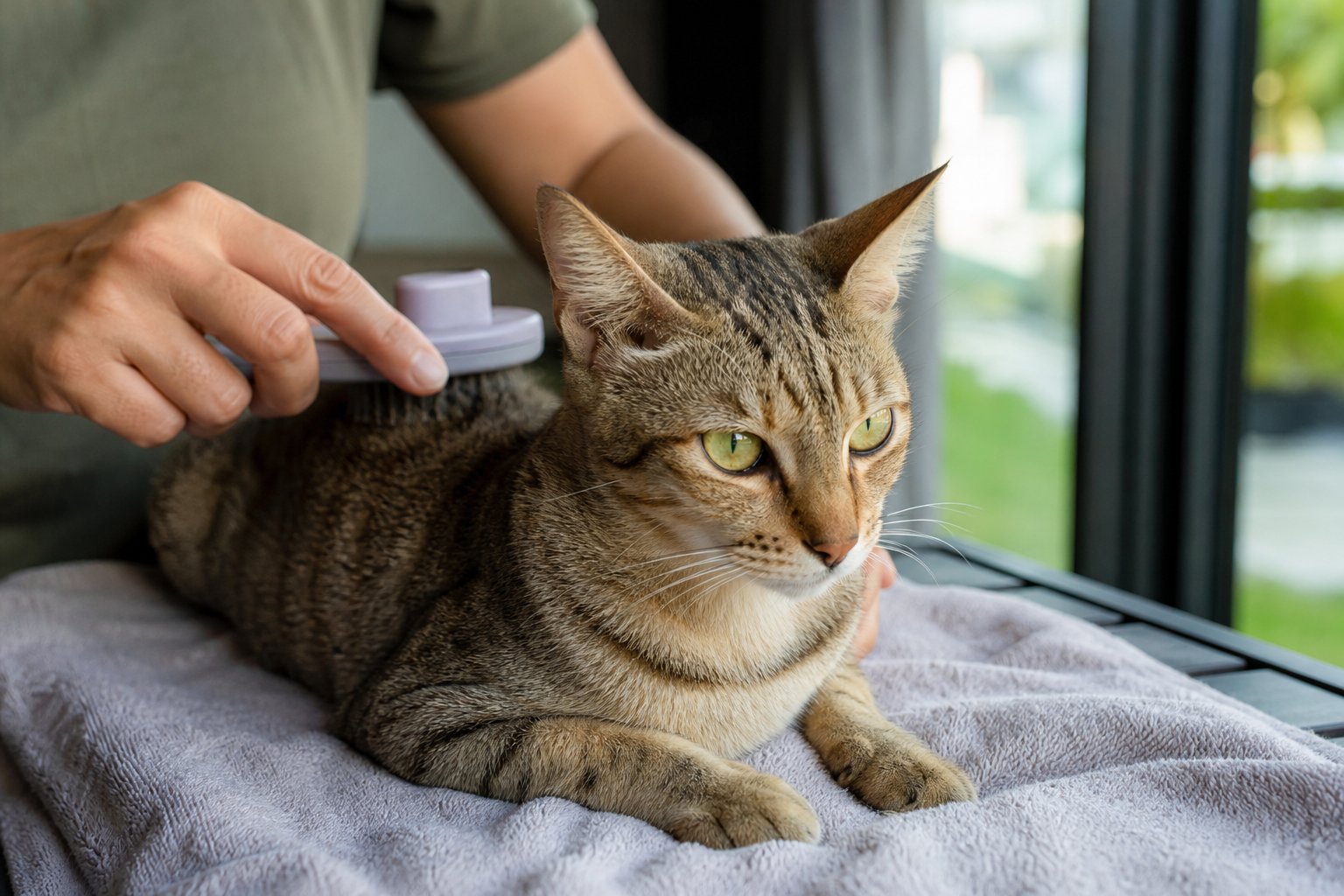
The daily care mindset
Daily care is not a list of expensive products. It is a short, repeatable routine that lets you notice small changes before they become big problems. In Malaysia, that routine also has to work around heat, humidity, rain and apartment living.
A good daily routine covers five basics: water, food, body check, movement and enrichment. Add dental care, grooming and parasite prevention on a schedule that suits your pet. The goal is consistency, not perfection.
This guide is general information for Malaysian dog and cat owners. It does not replace advice from your own veterinarian, who knows your pet's age, weight, health history and local risks.
Build a simple daily routine
A practical routine fits around work and family life. The exact times matter less than the order and consistency.
Morning
- Refresh water bowls with clean water.
- Feed the first measured meal.
- Take dogs out for a toilet break and a short walk before the day gets hot.
- Do a quick body check: eyes, ears, nose, coat, paws and skin.
- Give any prescribed medication.
Midday or after work
- Check water again, especially if your pet is outdoors or in a warm room.
- Provide a toilet break for dogs.
- Offer a short play or training session.
- Check for ticks after outdoor time.
Evening
- Feed the second measured meal.
- Brush coat and teeth as scheduled.
- Do a longer walk or active play when it is cooler.
- Clean litter trays for cats.
- Settle your pet in a safe, ventilated sleeping area.
A sample daily checklist
| Task | Dog | Cat | Frequency |
|---|---|---|---|
| Fresh water | Yes | Yes | At least twice daily, more in hot weather |
| Measured meals | Yes | Yes | Usually twice daily for adults |
| Toilet break | Yes | Litter tray | Several times daily |
| Body check | Yes | Yes | Daily |
| Coat brush | Yes | Yes | Daily to weekly by coat type |
| Tooth brushing | Yes | Yes | Daily if possible |
| Ear check | Yes | Yes | Weekly, more if prone to issues |
| Nail check | Yes | Yes | Every few weeks |
| Parasite prevention | Yes | Yes | As advised by your vet |
| Enrichment | Yes | Yes | Daily |
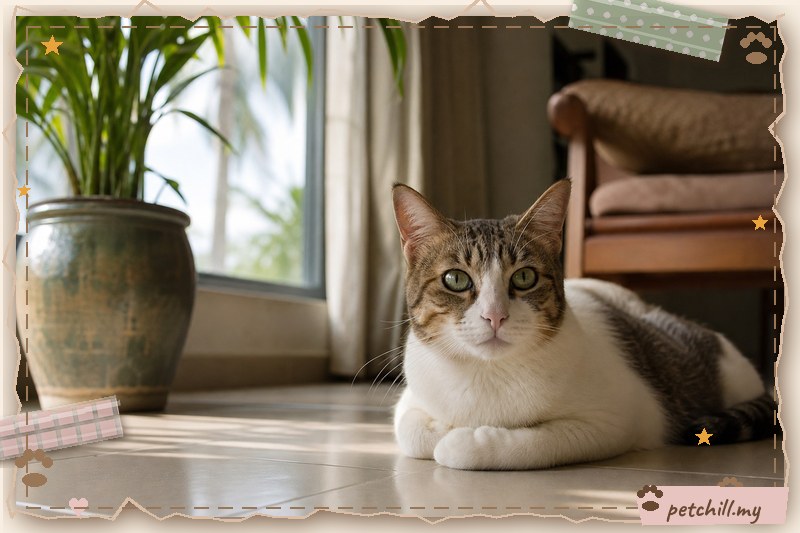
Water, feeding and weight control
Water is the simplest daily care task and one of the most important. Clean bowls, fresh water and easy access matter. Some cats drink more from a wide bowl or a pet fountain; some dogs drink more after exercise. Watch for changes.
Feed measured meals rather than free-feeding, unless your vet advises otherwise. Measure with a cup or scale so portions are consistent. Treats count toward daily calories, so keep them small and account for them.
Puppies and kittens need more frequent meals than adults. Senior pets may need different portions or diets. Pregnant or nursing pets have special needs. Ask your vet for a feeding plan rather than guessing from the bag alone.
Body condition check
Once a week, run your hands along your pet's ribs. You should feel ribs easily but not see them sharply. Look for a waist from above and a slight tuck from the side. Weight creep is easier to correct early.
Food and water red flags
- Not eating for a day, or eating much less.
- Drinking much more or much less than usual.
- Vomiting repeatedly or unable to keep water down.
- Diarrhoea lasting more than a day, or with blood.
- Sudden weight loss or gain.
Grooming, coat and skin care
Malaysia's humidity makes skin and coat care a daily habit rather than a monthly chore. Brushing removes loose hair, spreads natural oils and lets you check for ticks, fleas, wounds, lumps and rashes.
Short-coated pets may need a quick brush a few times a week. Long-coated pets often need daily brushing to prevent mats. Double-coated breeds shed heavily and benefit from regular grooming, but do not shave a double coat unless your vet advises it for a medical reason.
Bathe only as often as your vet or groomer recommends for your pet's coat and skin. Over-bathing can dry the skin. Use pet shampoo, rinse thoroughly and dry the coat well, especially in rainy season.
Ears, eyes, paws and nails
- Ears: check weekly for redness, discharge, smell or head shaking. Do not push cotton buds deep into the ear canal.
- Eyes: wipe gentle discharge with a clean damp cloth. Squinting, redness or coloured discharge needs a vet.
- Paws: check pads for cuts, thorns and irritation. Dry paws after wet walks.
- Nails: trim or have them trimmed when you hear clicking on the floor. Avoid cutting the quick.
Grooming schedule by coat type
| Coat type | Brushing | Bathing | Extra checks |
|---|---|---|---|
| Short smooth coat | 2-3 times weekly | As advised | Skin and ticks |
| Medium coat | Every other day | As advised | Mats behind ears |
| Long coat | Daily | As advised | Knots, eye area, sanitary trim |
| Double coat | Daily in shedding season | As advised | Never shave without vet advice |
| Curly coat | Daily to every other day | As advised | Matting, ear infections |
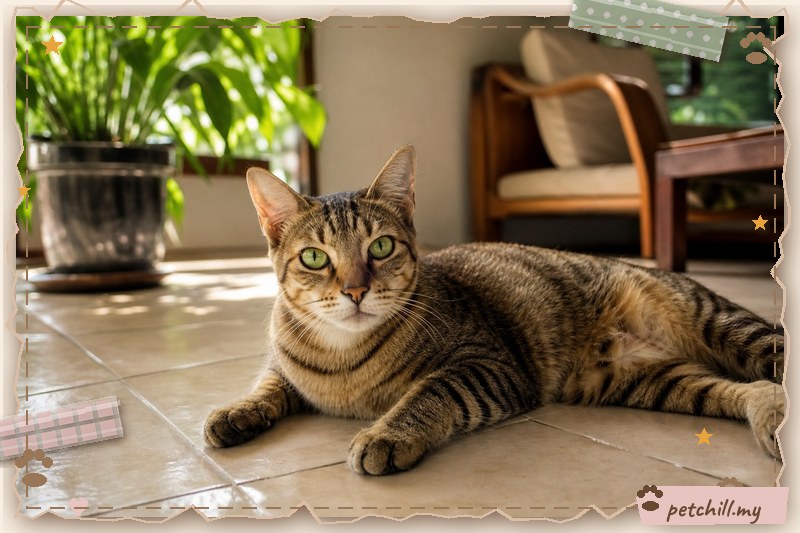
Dental care and mouth checks
Dental disease is common in dogs and cats, and daily care makes a real difference. Start with a finger brush or soft pet toothbrush and pet-safe toothpaste. Human toothpaste is not safe to swallow.
Lift your pet's lip once a week to check gums and teeth. Look for redness, swelling, brown tartar, broken teeth, bad breath or drooling. Cats are good at hiding mouth pain, so watch for dropping food, chewing on one side or refusing hard food.
Chews and dental diets can help, but they do not replace brushing. Ask your vet which chews are safe for your pet's size and teeth.
Exercise, enrichment and mental health
Physical exercise and mental enrichment are daily needs, not extras. A tired, mentally satisfied pet is usually calmer at home.
Dogs need walks, sniffing time and training. Sniffing is exercise for the brain. Short training sessions of a few minutes are enough for most pets. Puzzle feeders, scatter feeding and safe chew toys help fill the day.
Cats need hunting-style play, scratching surfaces, climbing spots and safe hiding places. Litter trays should be clean, in quiet spots and away from food. Indoor cats benefit from window perches and daily interactive play.
Enrichment ideas that cost little
- Hide part of the daily food in a snuffle mat or around a safe room.
- Rotate toys so they feel new.
- Teach one new cue a week.
- Use cardboard boxes and paper bags for supervised play.
- Freeze pet-safe treats in water for hot days.
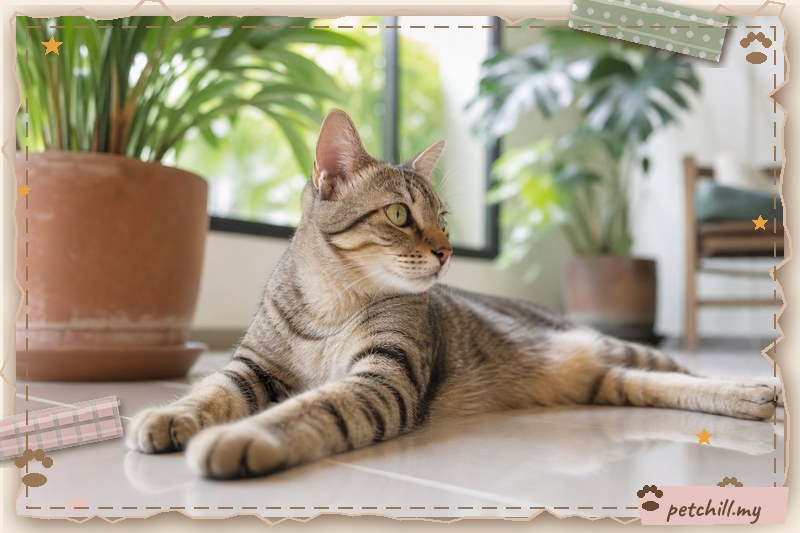
Heat, humidity and monsoon safety
Malaysian weather shapes daily care. Heat and humidity raise the risk of overheating, dehydration and skin problems. Rain brings wet paws, muddy coats and more indoor time.
Walk dogs in the early morning or after sunset. Test pavement with the back of your hand; if it is too hot for you, it is too hot for paws. Always carry water. Never leave a pet in a parked car, even for a few minutes.
Flat-faced breeds, thick-coated pets, senior pets and overweight pets are at higher risk in heat. Keep them in ventilated areas and watch for heavy panting, drooling, weakness or confusion, which need urgent vet care.
During rainy season, dry your pet's coat and paws after walks. Keep bedding dry and wash it regularly. Indoor play and training can replace some outdoor exercise on stormy days.
Parasite prevention and daily checks
Ticks, fleas and mosquitoes are a year-round concern in many parts of Malaysia. Daily checks during grooming help you find problems early.
Run your hands over the whole body, including ears, armpits, groin, between toes and under the collar. Remove ticks carefully with fine tweezers or a tick tool, clean the area and wash your hands. Ask your vet about tick-borne disease signs if your pet becomes unwell after a tick bite.
Use parasite prevention exactly as your vet advises. Products differ by species, age, weight and health status. Never use a dog product on a cat unless your vet confirms it is safe.
A weekly and monthly care calendar
Daily care works best when weekly and monthly tasks are scheduled too.
| Frequency | Tasks |
|---|---|
| Daily | Water, meals, body check, toilet breaks, enrichment, dental care if possible |
| Weekly | Full coat brush, ear check, weigh or body condition check, bedding wash, nail check |
| Monthly | Parasite prevention as scheduled, grooming appointment if needed, review food and treat portions |
| Every few months | Vet wellness check, dental review, update prevention plan for the season |
Write the plan somewhere visible. A simple wall chart or phone reminder helps everyone in the household follow the same routine.
When to see a vet
Daily care helps you spot problems early, but some signs need professional help quickly. Contact your vet if you notice:
- Loss of appetite or refusal to drink.
- Vomiting or diarrhoea that does not settle.
- Breathing difficulty, coughing or noisy breathing.
- Extreme lethargy or weakness.
- Collapse, seizures or confusion.
- Straining to urinate, especially in male cats.
- Blood in urine, stool or vomit.
- Sudden limping or reluctance to move.
- Wounds, swelling, lumps or unexplained weight loss.
- Ear discharge, head shaking or ear pain.
- Eye redness, squinting or discharge.
- Scratching, hair loss or skin rash that worsens.
- Any sudden change in behaviour or routine.
When in doubt, call your vet. It is better to ask than to wait.
Malaysia-specific daily care notes
Apartment living in Kuala Lumpur often means less outdoor space, so daily walks, indoor play and litter tray hygiene matter more. A Johor terrace house may have a garden, which means daily tick checks and secure fencing are part of the routine. Penang's rainy season makes drying coats and paws a daily habit.
For travel with pets, official guidance is available from Malaysia's Department of Veterinary Services, including the animal passport portal. Welfare organisations such as SPCA Malaysia and the Malaysian Veterinary Council provide useful general resources. Local prices for food, grooming and veterinary care vary, so ask your own vet or retailer for current costs.
Vet disclaimer
This article is general information only and is not veterinary advice. Every pet is different. Always consult a licensed veterinarian in Malaysia for diagnosis, treatment and a care plan tailored to your pet.
Related reading
- Best Cat Grass for Cats in Malaysia: A Practical Buying & Growing Guide
- Best Interactive Toys for Cats in Malaysia: A Practical Buying Guide
- Cat Fur Matting: A Step-by-Step Guide for Malaysian Cat Owners
- Cat Massage: A Practical Guide for Malaysian Cat Owners
- Ear Cleaning Cat Tips Malaysia: Safe At-Home Routine for Malaysian Owners
- How to Clean a Cat's Ears Safely: A Step-by-Step Guide for Malaysian Owners
- Monsoon Care for Cats Step by Step: A Practical Wet-Season Guide for Malaysian Homes
- Best Cat Carrier for Cats in Malaysia: A Practical Buying Guide
- Best Cat Tree for Cats in Malaysia: A Practical Buying Guide
- Best Litter Scoop for Cats in Malaysia: A Practical Buying Guide
- Best Water Fountain for Cats in Malaysia: A Practical Buying Guide