
Quick answer
Only use a pet-safe sunscreen labelled for cats, or one your vet recommends. Apply a thin layer to exposed skin such as ear tips, nose, and belly, avoiding eyes and mouth. Never use human sunscreen containing zinc oxide or salicylates, as these are toxic to cats. Reapply every few hours and always provide shade.
Why cats need sun protection in Malaysia
Malaysia's sun is strong all year round. Even indoor cats can get significant sun exposure through windows, on balconies, or in sunny rooms. Cats with white or light-coloured fur, thin fur on the ears and nose, and hairless breeds are particularly vulnerable. Sunburn in cats is not just uncomfortable; repeated exposure can lead to skin damage and, in some cases, skin cancer such as squamous cell carcinoma. The ear tips and nose are common sites because fur is sparse there. Protecting these areas is a simple part of daily care, especially if your cat loves to lounge in the sun.
Which cats are at highest risk?
Not every cat needs sunscreen, but some are much more susceptible. Use this table to assess your cat's risk.
| Risk factor | Why it matters | Examples |
|---|---|---|
| White or light-coloured fur | Less melanin means less natural protection | White cats, cream-coloured cats |
| Thin fur on ears, nose, or belly | Direct sun reaches skin easily | Many domestic shorthairs |
| Hairless breeds | No fur barrier at all | Sphynx, Peterbald |
| Recent grooming or shaving | Exposed skin after clipping | Cats shaved for medical reasons |
| Sunbathing habits | Prolonged exposure | Cats who lie in sunbeams for hours |
| Outdoor access | Uncontrolled sun exposure | Cats in gardens or on balconies |
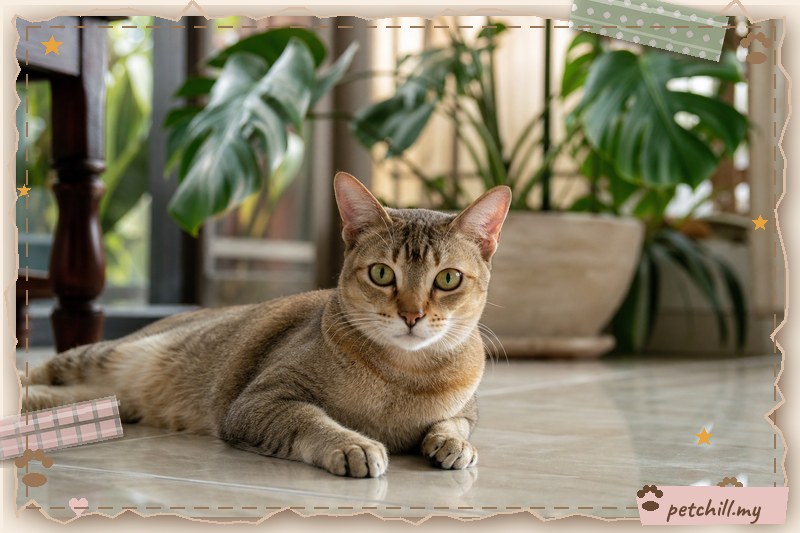
If your cat ticks one or more boxes, sunscreen and shade are worth considering. Dark-furred cats with thick coats are at lower risk but can still burn on exposed areas like the nose.
Safe sunscreen options for cats
Not all sunscreens are created equal. The safest choice is a product specifically formulated for pets and labelled as safe for cats. These are often available from pet retailers or your vet. Look for:
- Zinc-free and salicylate-free formulas
- Fragrance-free and dye-free products
- Water-resistant options if your cat goes outdoors
- A consistency that is easy to apply thinly
If you cannot find a pet-specific product, ask your vet for a recommendation. Some veterinary clinics stock safe alternatives. Never assume a product is safe just because it is sold for pets; always read the label and check with your vet if unsure.
Ingredients to avoid
Some sunscreen ingredients are toxic to cats. Avoid products containing:
- Zinc oxide: can cause vomiting, diarrhoea, and more serious toxicity if ingested.
- Salicylates (e.g., octisalate): can be harmful to cats.
- Homosalate: safety in cats is not well established; avoid.
- Octocrylene: avoid unless specifically approved for cats.
- Fragrances and essential oils: many are irritants or toxic to cats.
When in doubt, do not use the product. Your vet can guide you to a safe option.
Step-by-step: how to apply sunscreen to a cat
Applying sunscreen to a cat can be tricky. Most cats dislike being restrained, and the smell or texture of sunscreen may be off-putting. Follow these steps to make the process as stress-free as possible.
- Choose the right time. Pick a moment when your cat is relaxed, such as after a meal or during a quiet cuddle. Avoid times when your cat is playful or anxious.
- Prepare the area. Have the sunscreen, a treat, and a damp cloth within reach. Work in a well-lit space so you can see the skin.
- Start with a small amount. Squeeze a pea-sized amount onto your finger. You do not need much; a thin film is enough.
- Apply to exposed areas. Gently rub the sunscreen onto the ear tips (avoid the inner ear canal), the bridge of the nose (avoid the nostrils and eyes), and the belly if it is exposed. Use a soft touch.
- Avoid sensitive zones. Keep sunscreen away from the eyes, mouth, and inside the ears. If you accidentally get some in these areas, wipe it off immediately with a damp cloth.
- Distract and reward. Give your cat a treat or a favourite toy right after application. This helps create a positive association.
- Prevent licking. For the first few minutes, distract your cat with play or a treat. If your cat persistently licks the area, try a cone or ask your vet for advice.
- Reapply as needed. Sunscreen wears off, especially if your cat grooms or goes swimming. Reapply every 2–3 hours during sun exposure.
Tips for difficult cats
Some cats will not tolerate sunscreen application. If your cat becomes stressed, stop and try again later. You can also try applying the sunscreen with a soft makeup brush or a cotton pad to reduce direct contact. If your cat is very resistant, focus on providing shade and limiting sun exposure instead. Never force the issue; stress can harm your relationship with your cat and make future handling harder.
Protecting cats from sun without sunscreen
Sunscreen is only one part of sun protection. In Malaysia's climate, it is often more effective to limit sun exposure altogether. Here are practical ways to reduce risk:
- Provide shade. Create shaded spots with cat beds, cardboard boxes, or curtains. If your cat goes outside, ensure there is a covered area.
- Use window filters. UV-blocking window film or blinds can reduce sun exposure indoors.
- Schedule outdoor time. Keep your cat indoors during peak sun hours, roughly 10am to 4pm.
- Use protective clothing. Lightweight pet shirts can cover thin-furred areas, though not all cats tolerate them.
- Check skin regularly. Part the fur and look for redness, scaling, or sores, especially on ear tips and nose.
Combining shade, timing, and sunscreen gives the best protection.
Common mistakes to avoid
Many cat owners make honest mistakes when trying to protect their cats from the sun. Watch out for these:
- Using human sunscreen. This is the most common and dangerous mistake. Human products often contain zinc oxide, which cats can ingest when grooming.
- Applying too much. A thick layer is unnecessary and increases the chance of ingestion. A thin film is sufficient.
- Forgetting the ears. Ear tips are a prime site for sun damage but are often missed.
- Assuming indoor cats are safe. Sun through windows can still cause damage.
- Ignoring signs of sunburn. Redness, tenderness, and blistering should be taken seriously.
Signs of sunburn in cats
Sunburn in cats can be subtle at first. Look for:
- Redness or pinkness on exposed skin
- Tenderness when touched
- Scaling or flaking
- Blistering or sores
- Restlessness or discomfort
If you suspect sunburn, move your cat out of the sun and apply a cool, damp cloth. Do not apply any creams unless your vet advises. If the skin is blistered, broken, or your cat seems unwell, see a vet.
When to see a vet
Seek veterinary advice if:
- Your cat has severe redness, blistering, or open sores.
- Your cat is lethargic, off food, or showing signs of pain.
- You suspect your cat has ingested sunscreen.
- Your cat has a history of skin cancer or recurring skin issues.
- You are unsure which sunscreen is safe for your cat.
Your vet can assess the skin, recommend safe products, and rule out other conditions.
Creating a sun-safe routine for your cat
A little planning goes a long way. Here is a sample routine for a sun-sensitive cat in Malaysia:
- Morning: Check the day's UV forecast. Close curtains or blinds in sunny rooms.
- Mid-morning: If your cat enjoys sunbathing, allow short sessions (10–15 minutes) with sunscreen applied to ears and nose.
- Midday: Keep your cat indoors or in shade. Provide cool, fresh water.
- Afternoon: Reapply sunscreen if your cat goes out again. Check skin for redness.
- Evening: Groom your cat and check for any skin changes. Reward with playtime.
This routine can be adapted to your cat's habits and your home layout.
Local considerations for Malaysian cat owners
Malaysia's tropical climate means sun exposure is a year-round concern. Humidity can make sunscreen feel sticky, so choose a lightweight formula. Rainy season does not eliminate UV risk; clouds do not block all UV rays. In high-rise apartments, cats may spend hours by windows, so window protection is key. In landed houses, cats with garden access need shade and supervised outdoor time. Always ensure fresh water is available, as heat can cause dehydration.
Conclusion
Sunscreen can be a useful tool for protecting sun-sensitive cats, but it must be used correctly. Choose a pet-safe product, apply thinly to exposed areas, and discourage licking. Combine sunscreen with shade, timing, and regular skin checks. If in doubt, ask your vet. With a little care, you can help your cat enjoy the sun safely.
Disclaimer: This article is for general information only and is not a substitute for professional veterinary advice. Always consult a licensed veterinarian for health concerns about your cat.
Related reading
- Daily Care Guide Malaysia: A Practical Routine for Dogs and Cats
- Cat Sunscreen for Cats: Step-by-Step Guide for Malaysian Pet Parents
- Monsoon Season Tips for Cat Owners in Malaysia: A Practical Wet-Weather Care Guide
- Best Cat Carrier for Cats in Malaysia: A Practical Buying Guide
- Cat Fur Matting: A Step-by-Step Guide for Malaysian Cat Owners
- Cat Odour Control: Practical Cat Tips for Malaysian Homes
- Cat Sitter for Cat Owners in Malaysia: A Practical Guide
- Cat Sitter Tips for Cat Owners in Malaysia: A Complete Guide
- Cat Sunscreen & Sun Safety Tips for Malaysian Cats: What Actually Works
- Ear Cleaning Cat Tips Malaysia: Safe At-Home Routine for Malaysian Owners
- How to Deal With Cat Fur Matting: A Practical Grooming Guide for Malaysian Cat Owners
- How to Control Cat Odour in a Malaysian Home: A Practical Guide



