
Quick answer
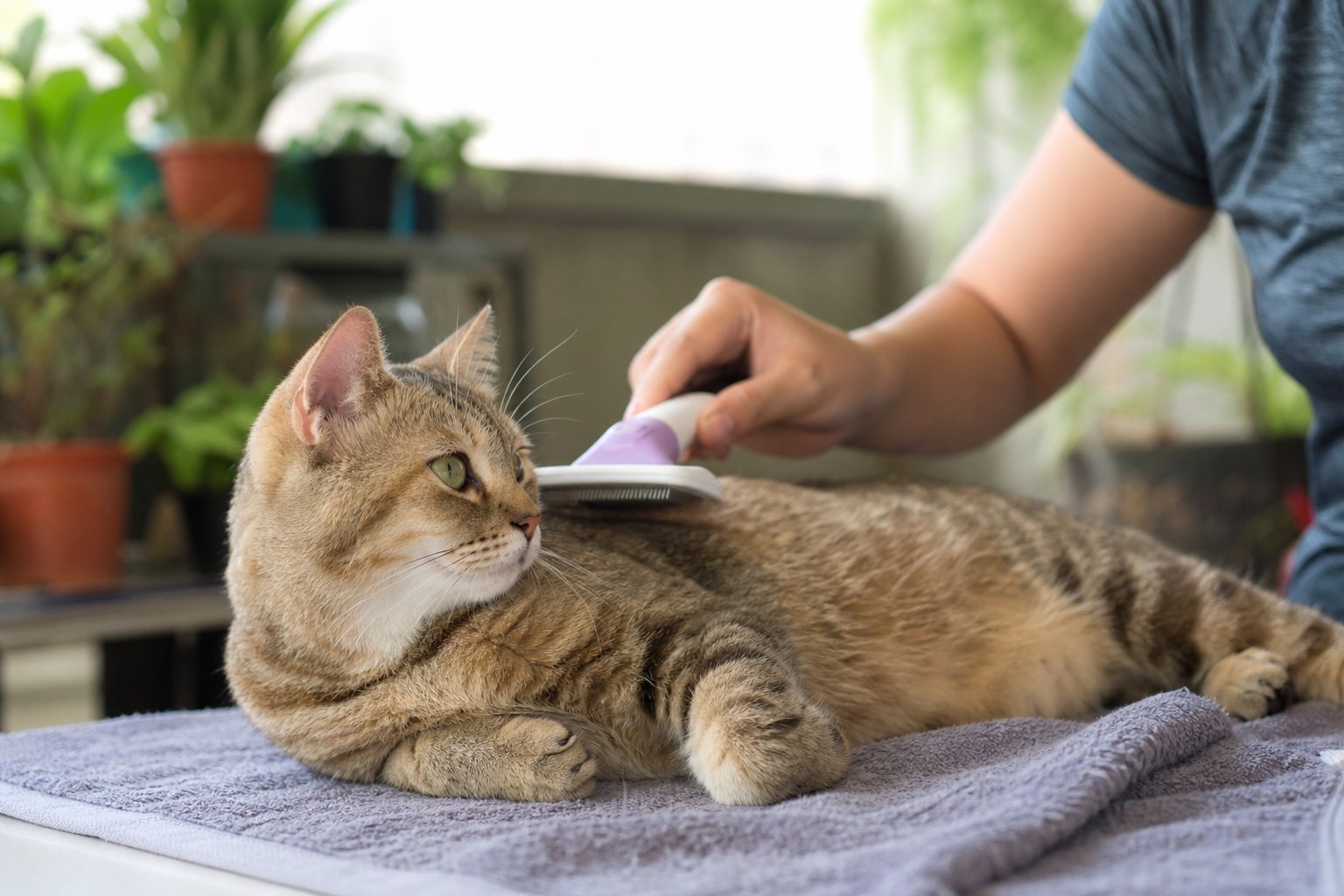
Leaving your cat with a sitter? The key is preparation: choose a reliable sitter, write a clear care sheet, set up a safe space, and arrange daily updates. A good sitter visits at least once or twice daily, follows your cat's routine, and knows when to call you or a vet. This guide walks you through every step for Malaysian cat owners.
Why a good cat sitter matters
Cats are creatures of habit. A sudden change in environment, feeding schedule, or litter routine can cause stress, appetite loss, or even illness. Unlike dogs, cats often hide discomfort, so a sitter who knows what normal looks like is your best early-warning system. A professional or well-briefed sitter does more than scoop litter: they observe appetite, water intake, litter box habits, energy levels, and behaviour. Those daily observations can catch problems before they become emergencies.
In Malaysia, many owners travel for work, balik kampung, or short holidays. Whether you're away for a weekend or two weeks, the same principles apply: consistency, clear communication, and a plan for the unexpected.
Choosing the right cat sitter
Start your search early, especially around festive seasons when good sitters get booked up. Ask yourself:
- Does the sitter have experience with cats specifically? Cat care differs from dog care.
- Are they comfortable administering medication, including pills, liquids, or topical treatments?
- Can they handle a cat that is shy, anxious, or prone to hiding?
- Do they have references or reviews you can check?
- Will they send daily updates with photos or videos?
- Do they have a backup plan if they fall ill or have an emergency?
A meet-and-greet is essential. Invite the sitter to your home while you're there, let them interact with your cat, and show them the routine. Watch how your cat responds. Some cats warm up quickly; others need time. A good sitter will be patient and won't force interaction.
If you're considering a friend or neighbour, don't assume they know cat care. Provide the same written instructions and do a trial run. A short weekend trip before a longer one can help everyone adjust.
Professional sitter vs friend: a quick comparison
| Factor | Professional sitter | Friend or neighbour |
|---|---|---|
| Experience with cats | Usually trained and insured | Varies; may need detailed guidance |
| Reliability and backup | Often has backup sitters | Depends on their availability |
| Cost | Paid service; rates vary | Often free or a token of appreciation |
| Emergency handling | May have protocols and consent forms | Needs clear instructions from you |
| Daily updates | Usually standard | Ask them to commit to updates |
| Familiarity with your cat | New, but professional | May already know your cat |
There's no single right choice. What matters is reliability, clear communication, and a sitter who will follow your instructions.
Preparing your home before you leave
A safe, cat-proof home reduces stress for both cat and sitter. Walk through your home as if you were a curious cat.
- Secure hazardous items: Keep cleaning products, medications, and small objects out of reach. Check for dangling cords, open windows without screens, and balconies.
- Set up a safe room: Choose one room where your cat can stay if they feel overwhelmed. Include food, water, litter box, bedding, and toys. This is especially useful in apartments or if your cat is anxious.
- Leave supplies in one place: Put food, litter, cleaning supplies, and medication together with clear labels. Show the sitter where everything is.
- Check windows and doors: Ensure screens are secure. In high-rise apartments, balcony safety is critical. Cats can fall from open windows or balconies.
- Prepare the litter area: Leave enough litter and a scoop. Show the sitter where to dispose of waste. In Malaysian humidity, odour can build up quickly, so daily scooping is important.
- Set up water stations: Cats often prefer multiple water sources. Leave bowls in several locations and show the sitter how to refresh them.
Apartment-specific tips
If you live in a Kuala Lumpur apartment or condominium, inform building management that a sitter will visit. Provide the sitter's name, expected times, and access instructions. Some buildings require registration for visitors. Also check that your cat cannot slip out when the door opens; a sitter entering and leaving is a common escape risk. Ask the sitter to close the door behind them immediately and never leave it ajar.
For terrace houses in Johor or other landed properties, check that gates and fences are secure. Cats may be indoor-only, but a sitter opening doors can create opportunities. A safe room is a good backup.
Writing a clear care sheet
A written care sheet is the single most useful thing you can give your sitter. Keep it concise but complete. Include:
- Your cat's name, age, and a recent photo.
- Feeding instructions: brand, amount, times, and any treats. Note if food should be measured or left out.
- Water: where bowls are, how often to refresh.
- Litter: type, location, scooping frequency, and disposal method.
- Medication: name, dose, time, method, and what to do if a dose is missed.
- Behaviour notes: shy, friendly, likes to hide, dislikes being picked up, favourite toys.
- Health notes: any chronic conditions, allergies, or past issues.
- Vet details: clinic name, address, phone, and after-hours contact if available.
- Emergency contacts: your phone, a backup contact, and a signed consent form for treatment.
- House notes: Wi-Fi, alarm, bin day, plant watering if needed.
Keep the care sheet in a visible place, such as on the kitchen counter. Also send a digital copy. Use clear headings and bullet points; avoid long paragraphs.
Feeding and litter: the daily essentials
Cats thrive on routine. Ask your sitter to feed at the same times you do. If you free-feed dry food, make sure the sitter knows how much to top up and when to refresh. For wet food, leave enough cans or pouches and a covered container for leftovers. In Malaysia's warm climate, wet food left out can spoil quickly; instruct the sitter to remove leftovers after 20–30 minutes.
Litter box hygiene is non-negotiable. A dirty box can cause cats to hold urine or defecate elsewhere, which can lead to medical issues. Ask the sitter to scoop at least once daily, more if your cat is particular. Show them where to bag and dispose of waste. If you use a clumping litter, note that it should not be flushed.
Water is often overlooked. Cats can be prone to dehydration, especially in air-conditioned rooms. Ask the sitter to refresh water bowls daily and note how much your cat drinks. If you use a water fountain, show the sitter how to clean and refill it.
Medication and special needs
If your cat takes medication, practice with the sitter before you leave. Show them exactly how you give it, whether in food, with a pill popper, or by hand. Write down the dose and time, and note what to do if a dose is missed. Never assume a sitter knows how to pill a cat; it can be tricky.
For cats with special needs, such as diabetes, kidney disease, or arthritis, provide extra detail. Include signs of a problem: lethargy, not eating, vomiting, diarrhoea, or changes in urination. Ask the sitter to contact you and your vet if they see these signs.
Keeping your cat calm and entertained
Cats can get bored or anxious when routines change. Leave familiar items: a worn T-shirt with your scent, favourite toys, scratching posts, and bedding. Puzzle feeders can provide mental stimulation. Ask the sitter to spend 10–15 minutes playing with your cat each visit, using a wand toy or laser pointer if your cat enjoys it.
Pheromone diffusers or sprays may help some cats. If you already use them, keep them running. If not, introduce them before you leave to see how your cat responds. Avoid changing food or litter suddenly; stress and dietary changes can upset the digestive system.
For anxious cats, a safe room with hiding spots is better than free access to the whole house. Ask the sitter to sit quietly in the room and let the cat approach at their own pace.
Communication and daily updates
Agree on a communication plan before you leave. A daily message with a photo or short video reassures you and helps the sitter stay accountable. Ask them to report specifics: appetite, litter box output, energy, and any unusual behaviour. If something seems off, they should call rather than text.
Set expectations for response times. If you're in a different time zone, provide a backup contact who can make decisions. Make sure the sitter knows how to reach you and your vet.
Emergency planning
Emergencies happen. Prepare a folder with:
- Your cat's vaccination and medical records.
- Your vet's contact details and after-hours emergency clinic information.
- A signed consent form authorising veterinary treatment up to a set amount.
- Payment information or an agreement on how costs will be handled.
- Your cat's carrier, easily accessible.
Discuss with your sitter what to do in common scenarios: cat not eating for 24 hours, vomiting, diarrhoea, difficulty breathing, or a suspected injury. A good rule: if in doubt, call the vet. Your sitter should not hesitate to seek help.
When to see a vet
While you're away, your sitter should monitor for signs that warrant veterinary attention. Contact a vet if your cat:
- Refuses food for more than 24 hours.
- Shows repeated vomiting or diarrhoea.
- Strains to urinate or visits the litter box frequently with little output.
- Has difficulty breathing or is open-mouth breathing.
- Appears lethargic, weak, or hides more than usual.
- Has a seizure, collapse, or injury.
- Shows signs of pain, such as crying, limping, or sensitivity to touch.
These signs can indicate serious conditions. Early veterinary care is always better. Your sitter should have your vet's number and your consent to seek treatment.
Returning home
When you return, give your cat time to readjust. Keep routines consistent and observe for any changes. Ask your sitter for a full report. If your cat seems off, contact your vet. A short debrief with the sitter can also help improve future arrangements.
Final checklist
- Book sitter early and do a meet-and-greet.
- Write a care sheet and share a digital copy.
- Stock enough food, litter, and medication.
- Set up a safe room and secure windows/balconies.
- Leave vet details and a signed consent form.
- Inform building management or neighbours.
- Agree on daily updates and emergency contacts.
- Prepare a carrier and emergency folder.
With the right preparation, you can travel with peace of mind, knowing your cat is safe and well cared for.
Disclaimer: This article provides general information only and is not a substitute for veterinary advice. Always consult a licensed veterinarian for health concerns about your cat.
Related reading
- Daily Care Guide Malaysia: A Practical Routine for Dogs and Cats
- Cat Sitter for Cat Owners in Malaysia: A Practical Guide
- Best Cat Carrier for Cats in Malaysia: A Practical Buying Guide
- Cat Fur Matting: A Step-by-Step Guide for Malaysian Cat Owners
- Cat Odour Control: Practical Cat Tips for Malaysian Homes
- Cat Sunscreen for Cats: Step-by-Step Guide for Malaysian Pet Parents
- Ear Cleaning Cat Tips Malaysia: Safe At-Home Routine for Malaysian Owners
- Holiday Care for Cat Owners in Malaysia: A Practical Guide
- Holiday Care Tips for Cat Owners in Malaysia: A Practical Guide
- How to Deal With Cat Fur Matting: A Practical Grooming Guide for Malaysian Cat Owners
- How to Control Cat Odour in a Malaysian Home: A Practical Guide
- How to Apply Sunscreen to a Cat: A Safe, Step-by-Step Guide for Malaysian Owners