
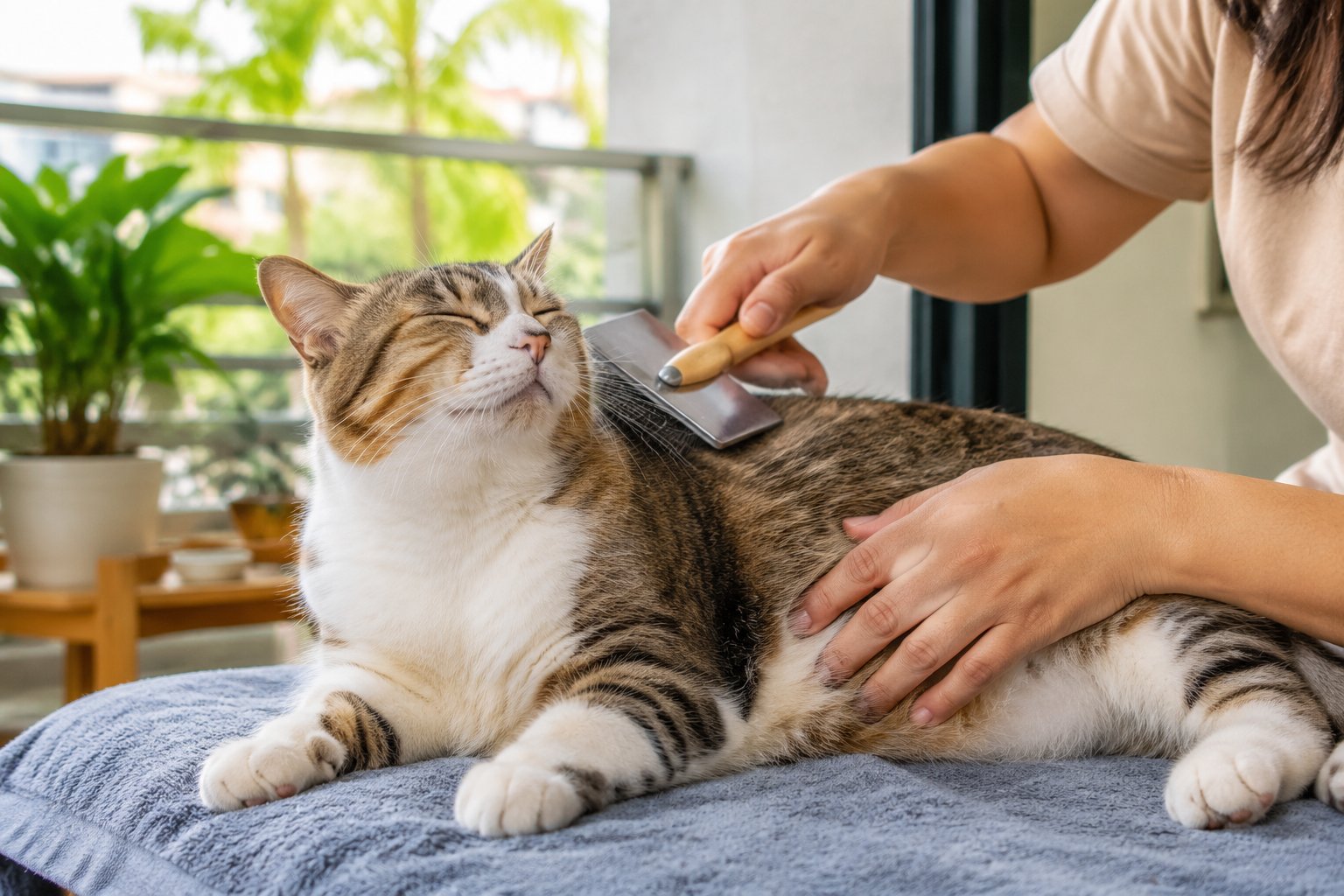
Quick answer
Keep cats indoors with windows shut, run a HEPA air purifier or air-conditioner on recirculate, keep litter low-dust and scooped, provide fresh water and wet food, avoid smoking and strong scents, and watch for coughing, open-mouth breathing or lethargy. Call a vet early if breathing changes.
Why haze matters for cats
Haze is a mix of smoke, dust and fine particles that hang in the air for days or weeks. When cats breathe these particles, their airways can become irritated. Cats are not small dogs: their lungs and airways are sensitive, and they are masters at hiding discomfort. A cat that seems "a bit quiet" may already be struggling to breathe comfortably.
Some cats are at higher risk:
- Flat-faced breeds such as Persians, Exotic Shorthairs and British Shorthairs, whose shorter airways make breathing harder.
- Senior cats and kittens.
- Cats with asthma, chronic bronchitis, heart disease or a history of respiratory infections.
- Overweight cats, because extra weight presses on the chest.
- Outdoor and free-roaming cats exposed to smoky air all day.
Malaysia's haze often arrives with dry, hot weather and still air. In a Kuala Lumpur apartment, smoke can drift in through balcony doors and corridor gaps. In a Johor terrace house, windows left open for ventilation can let haze into every room. The goal is not to seal your home completely, but to create a cleaner indoor space and reduce the things that add to airway irritation.
Set up a clean room
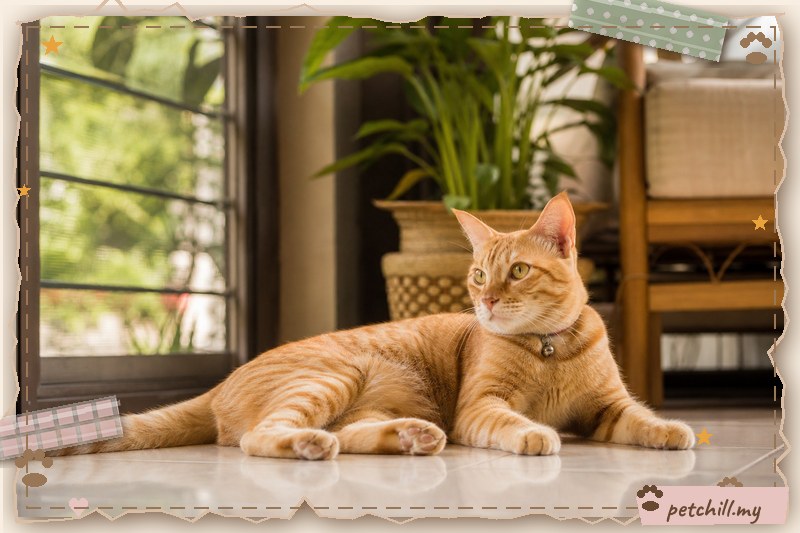
Choose one room where your cat spends most of its time, ideally a bedroom or living area away from the kitchen and balcony. Make it the "clean room" during bad haze days.
- Close windows and doors. Use towels or draft stoppers along gaps under doors if smoke seeps in.
- Run an air-conditioner on recirculate mode, not fresh-air mode. Clean the filter before haze season if you can.
- Place a HEPA air purifier sized for the room. Keep it on a low setting overnight so your cat can sleep comfortably.
- Avoid ozone generators and ionisers that produce ozone. HEPA filtration is the safer choice.
- Keep the room uncluttered so dust is easier to wipe away. Damp-mop floors and wipe surfaces with a plain damp cloth rather than spraying chemicals.
- Do not burn candles, incense or mosquito coils in the room. These add smoke and particles.
- Keep the litter box out of the clean room if possible, or use a low-dust litter and scoop often.
If you have several cats, provide multiple resting spots and resources so no cat is blocked from food, water or the litter box. A stressed cat may hide more during haze, so keep routines predictable.
Manage litter, dust and scent
Litter can be a hidden source of dust. During haze, every extra particle in the air matters.
- Choose low-dust, unscented litter. Clumping clay can be dusty; some plant-based or paper-based litters produce less dust. Try a small bag first and transition gradually.
- Scoop at least twice a day. Waste left in the box adds odour and ammonia, which irritates airways.
- Keep the box away from your cat's sleeping area and food bowls.
- When cleaning, open a window briefly or use a fan to move air, and keep your cat out of the room until dust settles.
- Avoid air fresheners, scented sprays, plug-ins and strong cleaning chemicals. Cats have sensitive noses and lungs.
- Wash bedding weekly in unscented detergent and dry it fully.
If you smoke, smoke outdoors and change clothes before handling your cat. Second-hand smoke and haze together are a heavy burden on feline lungs.
Hydration and feeding
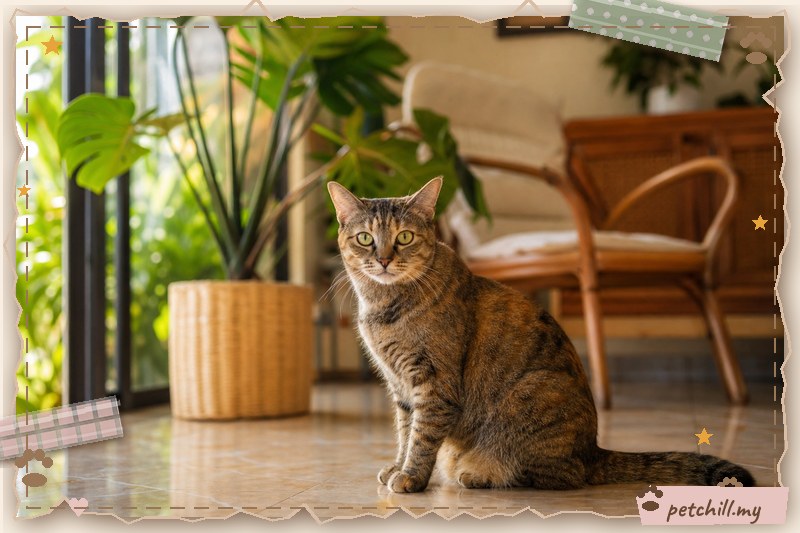
Moist airways cope better with irritation. Encourage drinking without forcing it.
- Offer fresh water in several bowls around the home, away from food and litter.
- Some cats prefer running water; a fountain can help, but clean it regularly.
- Feed wet food if your cat accepts it. Add a little warm water to dry food if your cat tolerates it.
- Avoid sudden diet changes during haze. A cat with an upset stomach is one more problem to manage.
- If your cat has kidney disease, heart disease or a prescription diet, ask your vet before changing water or food amounts.
Cats often drink less when they feel unwell. If your cat stops eating or drinking for more than a day, contact your vet.
Enrichment for indoor cats
Keeping a cat indoors during haze can lead to boredom and stress, especially for cats used to roaming. Stress can lower appetite and make breathing problems harder to spot.
- Set up a window perch facing a quiet view, but keep the window closed.
- Rotate toys and use puzzle feeders.
- Schedule short play sessions with a wand toy, morning and evening.
- Provide scratching posts and vertical space.
- Keep a predictable feeding and litter routine.
- Use a calming pheromone diffuser only if your vet agrees; avoid strong scents.
For multi-cat homes, watch for tension. Cats that cannot escape each other may hide more, and hiding can mask illness.
Warning signs and when to see a vet
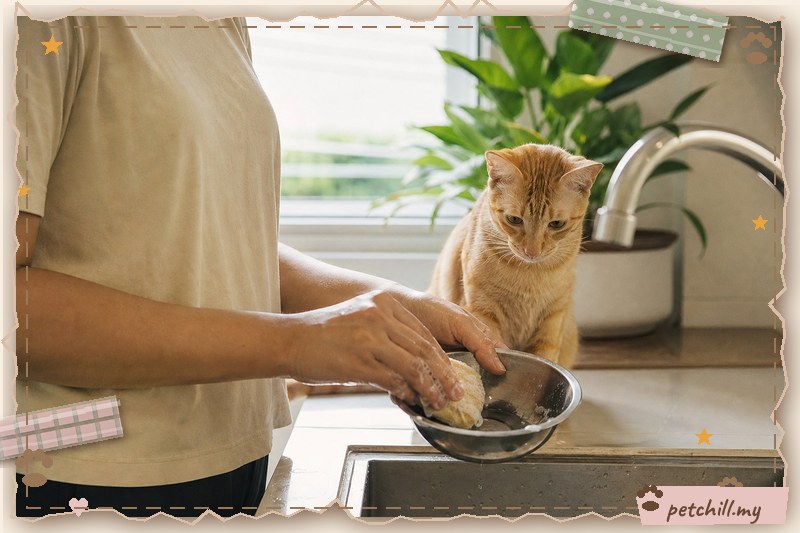
Haze-related irritation can progress. Know the signs that need a vet.
Call your vet promptly if your cat:
- Breathes with its mouth open. Cats normally breathe through their nose; open-mouth breathing is a red flag.
- Has fast, noisy or laboured breathing at rest.
- Coughs repeatedly or has a persistent wheeze.
- Has blue, grey or pale gums or tongue.
- Refuses food or water for more than 24 hours.
- Is unusually lethargic, weak or hiding more than normal.
- Has a flare-up of known asthma, with more frequent coughing or wheezing.
Emergency signs: gasping, collapse, struggling to breathe, or gums turning blue. Seek urgent veterinary care.
Do not give human cough medicines, decongestants or inhalers to your cat unless your vet prescribes them. Some human medications are toxic to cats. If your cat has asthma, your vet may have already prescribed an inhaler and spacer; follow that plan and keep it handy during haze.
Comparison table: haze-day checklist
| Area | Do | Avoid | Why it matters |
|---|---|---|---|
| Windows and doors | Keep closed; use draft stoppers | Leaving balcony doors open all day | Reduces fine particles entering the home |
| Air conditioning | Recirculate mode; clean filter | Fresh-air intake mode | Brings outdoor haze inside |
| Air purifier | HEPA filter sized to room | Ozone generators, ionisers | HEPA traps particles without adding ozone |
| Litter | Low-dust, unscented; scoop twice daily | Scented, dusty litter | Less dust and ammonia irritation |
| Water | Several bowls, fountain, wet food | Letting bowls run dry | Hydration supports airway moisture |
| Scents | Plain damp cleaning | Candles, incense, air fresheners | Avoids extra smoke and chemicals |
| Exercise | Indoor play, puzzle feeders | Letting cats roam outside | Keeps cats out of smoky air |
| Health checks | Watch breathing and appetite | Ignoring coughing or hiding | Early vet care prevents crises |
Special cases: seniors, flat-faced cats and asthma
Senior cats may have weaker lungs and less reserve. Flat-faced cats already work harder to breathe. Cats with asthma may need their medication reviewed before haze season. Keep a written plan from your vet: what to watch for, when to increase monitoring, and when to call.
If your cat uses an inhaler, check the dose counter and spacer condition. Store medication as directed and keep a spare prescription if possible. Do not wait until the cat is gasping to look for the inhaler.
Preparing before haze arrives
- Stock low-dust litter, wet food and water filters.
- Replace air-conditioner and purifier filters.
- Confirm your vet's contact details and after-hours options.
- Keep a carrier ready in case you need to travel to the vet.
- Note your cat's normal breathing rate at rest so you can compare later.
Vet disclaimer
This article is general information for Malaysian cat owners and is not a substitute for veterinary advice. Breathing problems can worsen quickly. If your cat shows signs of respiratory distress, contact a licensed veterinarian or an emergency animal clinic immediately. Always follow your vet's instructions for your cat's specific health needs.
Related reading
- Daily Care Guide Malaysia: A Practical Routine for Dogs and Cats
- Best Cat Tree for Cats in Malaysia: A Practical Buying Guide
- Cat Sunscreen & Sun Safety Tips for Malaysian Cats: What Actually Works
- Grooming Senior Cats: Practical Cat Tips for Malaysia
- Haze and Cat Breathing: A Malaysian Cat Owner's Guide to Protecting Your Cat
- How to Monsoon-Care a Cat in Malaysia: A Practical Daily-Care Guide
- Monsoon Season for Cat Owners in Malaysia: A Practical Wet-Weather Care Guide
- Best Cat Grass for Cats in Malaysia: A Practical Buying & Growing Guide
- Best Interactive Toys for Cats in Malaysia: A Practical Buying Guide

