
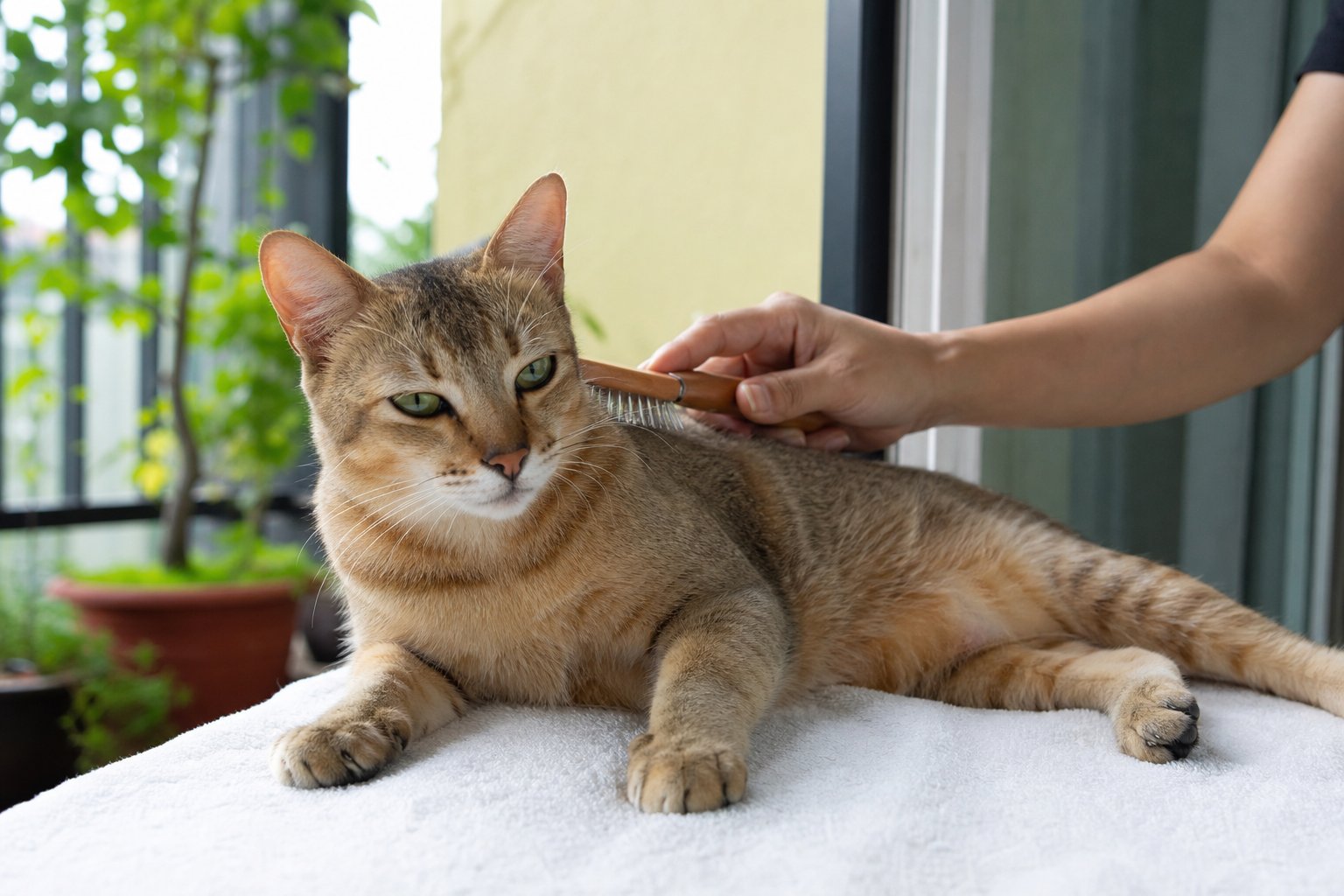
Why paw care matters
A cat's paws are engineering marvels. Each paw has soft pads that absorb impact, provide traction, and contain scent glands used for marking territory. The paws also house nerve endings that help your cat sense texture and temperature. Healthy paws mean comfortable walking, jumping, and grooming.
In Malaysia's humid climate, paws face extra challenges: dampness between toes can encourage fungal or bacterial growth, and hot surfaces can burn pads. Regular paw care helps you spot problems early and keeps your cat comfortable.
This guide covers everything you need to know about paw care for cats, from weekly checks to nail trimming and cleaning. You'll also learn common paw problems and when to call your vet.
Daily paw care habits
You don't need a complicated routine. A few simple habits each day can keep paws healthy.
Quick visual check
Once a day, glance at your cat's paws when they're relaxed. Look for:
- Cuts, scrapes, or redness
- Swelling between toes
- Discharge or bad smell
- Foreign objects like grass seeds or small stones
- Cracked or dry pads
If your cat is active outdoors, check after every outing.
Keep litter clean
Dirty litter is a common source of paw irritation. Scoop solids daily and change litter at least once a week (more often if you have multiple cats). Choose unscented, low-dust litter to reduce irritation. If your cat has sensitive paws, avoid crystal or coarse litters.
Manage moisture
After your cat walks on wet surfaces (common during Malaysia's rainy season), dry paws gently with a towel. Pay attention to the spaces between toes. Moisture trapped there can lead to pododermatitis (inflammation of the paw pads).
Provide safe surfaces
Avoid letting your cat walk on hot pavement or rough gravel. In Malaysian heat, test surfaces with your hand: if it's too hot for you, it's too hot for paws. Provide soft bedding and scratching posts with safe materials.
Weekly paw inspection: step-by-step
Set aside five minutes once a week for a thorough paw check. Choose a time when your cat is calm, perhaps after a meal.
- Start with the front paws. Gently lift one paw and hold it in your palm. Talk softly to keep your cat relaxed.
- Examine the pads. Look for cuts, cracks, or foreign objects. The pads should be smooth and slightly springy.
- Check between the toes. Spread the toes gently. Look for redness, swelling, or debris. Grass seeds (awns) can work their way into the skin and cause abscesses.
- Inspect the nails. Nails should be clean and not overgrown. Check for splits or breaks.
- Look at the dewclaws. These are on the inner side of the front legs. They don't wear down naturally and can curl into the pad if not trimmed.
- Repeat on the other paws. Don't forget the back paws.
- Reward your cat. Give a treat or praise to create a positive association.
If your cat resists, start with one paw per day and gradually build tolerance. Never force it; if your cat is in pain, stop and consult your vet.
Nail trimming: how to do it safely
Cats need their nails trimmed regularly, especially indoor cats. Overgrown nails can snag on fabrics, curl into pads, or cause walking discomfort.
How often?
Every 2–4 weeks for most indoor cats. Outdoor cats may wear nails down, but check monthly.
Tools you need
- Sharp cat nail clippers (scissor-style or guillotine-style)
- Styptic powder (to stop bleeding if you cut too close)
- Treats
- A towel (for wrapping if needed)
Step-by-step
- Hold the paw gently. Press the top of the toe to extend the nail.
- Identify the quick. The quick is the pink part inside the nail that contains blood vessels and nerves. In cats with dark nails, it's harder to see; trim tiny slivers at a time.
- Trim only the clear tip. Cut perpendicular to the nail, avoiding the quick. If unsure, trim less.
- Do one nail at a time. Reward your cat between nails. If your cat becomes stressed, stop and try again later.
- Don't forget dewclaws. Trim them too, as they don't wear down.
- If you cut the quick, apply styptic powder and press gently. Keep your cat calm. If bleeding doesn't stop, call your vet.
If you're nervous, ask your vet or a professional groomer to show you how. Never use human nail clippers; they can split the nail.
Cleaning paws: what to use and what to avoid
Cats are fastidious groomers, but sometimes they need help.
When to clean
- After outdoor walks
- After using the litter box (if paws are soiled)
- If you notice dirt or mud between toes
- If your cat has mobility issues and can't groom properly
How to clean
- Use a damp, soft cloth or an unscented pet-safe wipe.
- Wipe each paw gently, including between toes.
- Dry thoroughly with a towel.
- Never use human soap, shampoo, or alcohol-based cleaners.
- Avoid medicated wipes unless your vet recommends them.
What about paw balms?
Paw balms can help dry, cracked pads, but most cats don't need them. If you use one, choose a vet-approved product and apply a thin layer, then distract your cat so it doesn't lick it off. Never use human lotions, which can be toxic.
Common paw problems and what to do
| Problem | Signs | What to do |
|---|---|---|
| Cut or scrape | Bleeding, limping, licking | Clean with saline, apply pressure if bleeding. See vet if deep or won't stop. |
| Foreign object (grass seed, thorn) | Swelling, licking, limping | Do not pull out if embedded. See vet. |
| Nail overgrowth | Curling into pad, snagging | Trim nails. If curled into pad, see vet. |
| Torn nail | Bleeding, pain | Apply styptic powder, see vet if severe. |
| Pododermatitis (paw inflammation) | Red, swollen, smelly paws | See vet for diagnosis and treatment. |
| Burns | Red, blistered pads | Cool with water, see vet immediately. |
| Frostbite (rare in Malaysia) | Pale, cold pads | Warm gradually, see vet. |
| Allergies | Licking, redness between toes | See vet for allergy management. |
Foreign objects
Grass seeds are a common problem in Malaysia. They can lodge between toes and migrate into the skin, causing abscesses. If you see a seed or thorn, don't pull it out if it's deeply embedded; you could break it off. See your vet.
Torn nails
A torn nail is painful and can bleed a lot. Apply styptic powder if available and keep your cat calm. If the nail is partially torn, your vet may need to remove it.
Burns
Paw pads can burn on hot pavement or if your cat steps on a hot stove. Cool the paw with room-temperature water and see a vet immediately. Don't apply ice directly.
Allergies
Cats can be allergic to pollen, dust, or certain foods, leading to paw licking and redness. Your vet can help identify triggers and prescribe treatment.
When to see a vet
See a vet if you notice any of the following:
- Limping that lasts more than a day
- Bleeding that doesn't stop after 5 minutes of pressure
- Swelling, redness, or discharge from a paw
- A bad smell from the paw
- A nail stuck in the pad or a foreign object you can't remove
- Your cat refuses to walk or put weight on a paw
- Constant licking or chewing at paws
- Changes in nail colour or texture
These signs can indicate infection, injury, or underlying disease. Early treatment is often simpler and more effective.
Frequently asked questions
How often should I trim my cat's nails? Every 2–4 weeks for indoor cats. Outdoor cats may wear nails down, but check monthly. Trim just the clear tip, avoiding the pink quick.
Can I use human lotion on my cat's paw pads? No. Human lotions can be toxic if licked and may soften pads excessively. Use only vet-approved paw balms if recommended.
Why is my cat licking its paws constantly? Constant licking can signal allergies, pain, infection, or stress. Check for redness or swelling. If it persists, see a vet.
How do I clean my cat's paws after outdoor walks? Wipe with a damp, soft cloth or unscented pet-safe wipe. Dry thoroughly, especially between toes. Check for foreign objects.
Are scented cat litters bad for paws? Scented litters can irritate sensitive paws. Choose unscented, low-dust litter and keep it clean.
When should I see a vet for paw problems? See a vet for limping, bleeding, swelling, discharge, bad smell, or if your cat refuses to walk.
Local considerations for Malaysian cat owners
Malaysia's climate and living environments present specific paw care challenges.
- Humidity: Dampness between toes can lead to fungal infections. Dry paws thoroughly after wet walks.
- Hot surfaces: Pavement and metal surfaces can get very hot. Walk your cat on grass or shaded areas, and test surfaces with your hand.
- Rainy season: After rain, wipe paws to remove mud and prevent moisture build-up.
- Apartment living: Indoor cats need regular nail trims and scratching posts to keep nails healthy.
- Outdoor access: If your cat goes outside, check paws daily for grass seeds and thorns.
Final thoughts
Paw care is a simple but essential part of cat ownership. With a few minutes each week, you can prevent many problems and catch issues early. Remember to be gentle, reward your cat, and never hesitate to ask your vet for help.
Disclaimer: This article is for general information only and is not a substitute for professional veterinary advice. Always consult a licensed veterinarian for diagnosis and treatment of your cat's health issues.
Related reading
- Daily Care Guide Malaysia: A Practical Routine for Dogs and Cats
- Ear Cleaning for Cats Step by Step: A Safe, Vet-Approved Guide for Malaysian Owners
- Grooming Senior Cats: Practical Cat Tips for Malaysia
- How to Cat Massage a Cat: A Gentle, Step-by-Step Guide for Malaysian Owners
- How to Clean a Cat's Ears Safely: A Step-by-Step Guide for Malaysian Owners
- How to Monsoon-Care a Cat in Malaysia: A Practical Daily-Care Guide
- Monsoon Care for Cats Step by Step: A Practical Wet-Season Guide for Malaysian Homes
- Best Cat Tree for Cats in Malaysia: A Practical Buying Guide
- Cat Fur Matting: A Step-by-Step Guide for Malaysian Cat Owners
- Cat Odour Control: Practical Cat Tips for Malaysian Homes
- Cat Sitter for Cat Owners in Malaysia: A Practical Guide
- Cat Sunscreen & Sun Safety Tips for Malaysian Cats: What Actually Works



