
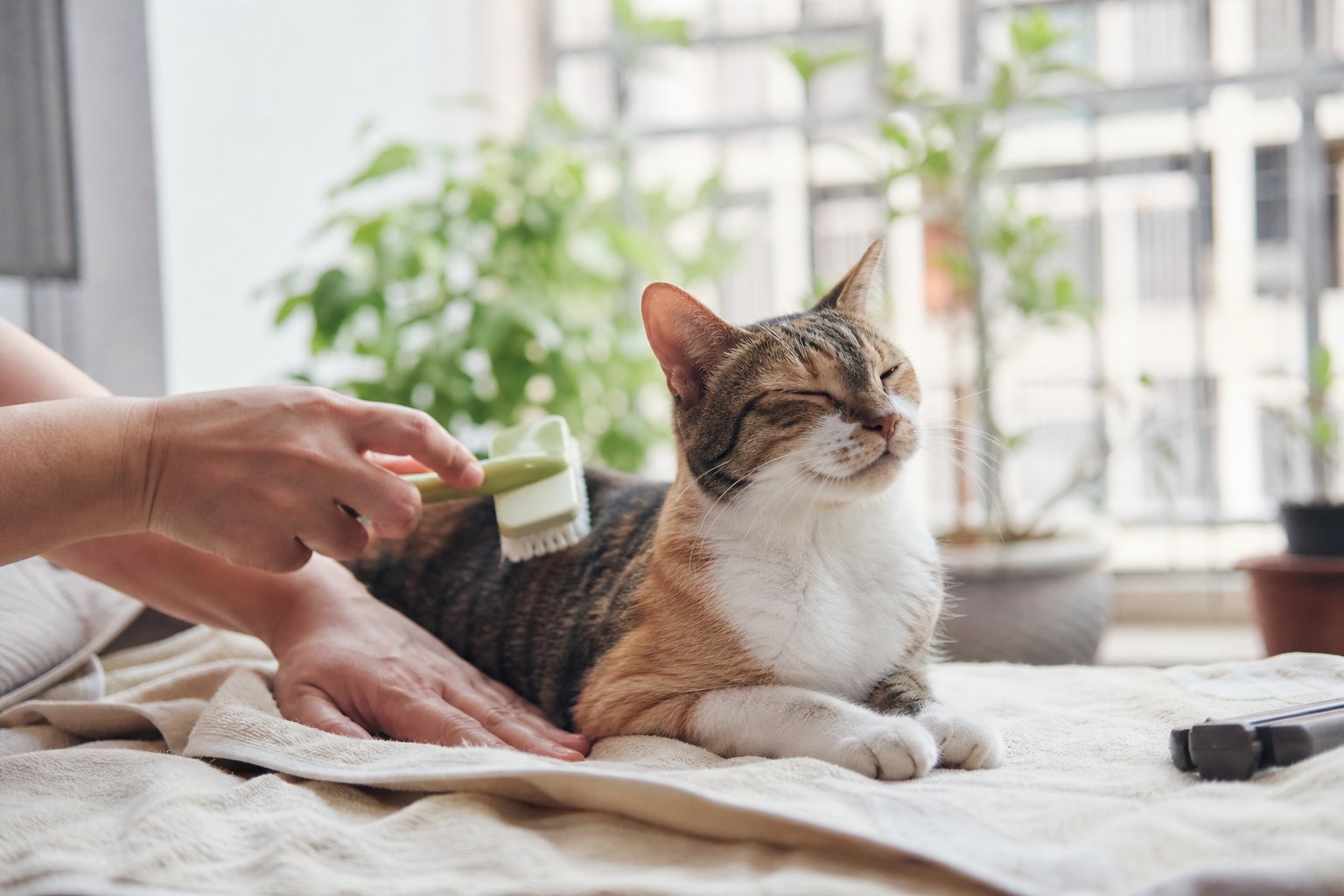
What cat massage is—and what it is not
Cat massage is gentle, deliberate touching that follows your cat's comfort cues. It is not physiotherapy, chiropractic or medical treatment. Think of it as calm, structured petting that helps your cat relax and helps you notice changes in their body, such as a new lump, a warm patch or a flinch.
Cats are not small dogs. They are predators and prey animals at once, so they value control and escape routes. A massage that feels like restraint will fail. A massage that feels like choice will often be welcomed. The goal is a calm, cooperative cat, not a compliant one.
This guide covers a step-by-step routine you can do at home, safety checks before you start, a comparison table of common techniques, and clear signs that mean stop and call your vet.
Before you start: the five-point safety check
Run through this checklist every time, especially in the first few weeks.
- Health check. Is your cat eating, drinking, using the litter tray and moving normally? If not, skip massage and observe or call your vet.
- Consent check. Put your hand near your cat and wait. If they lean in, sniff or rub, that is a yes. If they pull back, flatten ears or walk away, that is a no.
- Environment check. Choose a quiet room away from loud TVs, other pets and sudden doorbell sounds. A non-slip mat or a familiar blanket helps.
- Hand check. Trim your nails, remove rings and watches, and warm your hands. Cold hands startle cats.
- Timing check. Many cats are most receptive when sleepy, after a meal, or during a calm evening. Avoid right after play sessions when they are wound up.
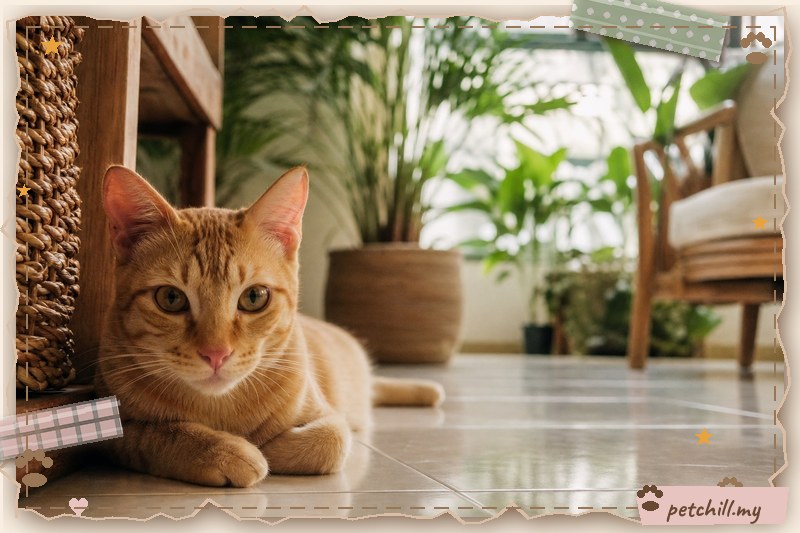
Cat massage for cats step by step: the full routine
Use this sequence as a template. You do not need to complete every step. A good session might be only steps one to four.
Step 1: Let your cat come to you
Sit on the floor or a low surface. Let your cat approach. Offer the back of your hand at nose height. Wait for a sniff, a head rub or a lean. If your cat ignores you, do not proceed. Try again later.
Step 2: Start with the head and cheeks
Using flat fingers, stroke gently from the top of the head down the cheeks, following the fur direction. Many cats enjoy cheek rubbing because scent glands are concentrated there. Use slow, even strokes. Pause after three or four strokes and watch your cat's response.
Step 3: Move to the neck and shoulders
With the palm of your hand, make slow, circular strokes over the shoulders and the base of the neck. Keep pressure light—think of the weight of a coin. Avoid the throat and the front of the neck. If your cat lifts their head or leans away, ease off.
Step 4: Stroke along the back
Place your flat hand on the back and stroke from the shoulders toward the tail, in the direction the fur grows. Use one hand or both, depending on your cat's size. Do not press down on the spine. Keep the motion smooth and slow. Many cats stretch or arch into this stroke.
Step 5: Gentle hip and tail-base circles
Using two fingers, make small, light circles over the hips and the base of the tail. Some cats love this area; others are sensitive. Watch for tail swishing or skin rippling. If you see either, move away.
Step 6: Legs and paws—only if invited
Many cats dislike having their legs and paws handled. If your cat is relaxed, gently stroke down the front legs once or twice. Do not pull or squeeze the paws. Never massage the belly unless your cat rolls over and clearly invites it—and even then, keep it brief and light.
Step 7: Finish with a slow, calming stroke
End with three to five long, slow strokes from head to tail. Then remove your hands and let your cat stay or leave. Do not pick them up immediately. A calm ending builds trust for next time.
Comparison table: common cat massage techniques
| Technique | How to do it | Best for | Avoid if |
|---|---|---|---|
| Flat-hand stroking | Flat palm, slow strokes in fur direction | First sessions, nervous cats, bonding | Cat is overstimulated or skin ripples |
| Finger circles | Two fingers, small light circles on shoulders and hips | Relaxed cats who already accept touch | Cat flinches, has lumps, or has joint pain |
| Cheek and head rub | Fingertips along cheeks and forehead | Calming an anxious cat | Cat has facial wounds or eye issues |
| Ear-base rub | Gentle rub at the base of the ear, not inside | Cats who enjoy head contact | Ear is dirty, painful or has discharge |
| Paw handling | Brief, light hold or stroke of the paw | Cats being trained for nail trims | Cat pulls away or has paw pain |
| Belly stroke | Very light palm stroke, only if invited | Confident cats who roll over | Most cats—belly is a vulnerable area |
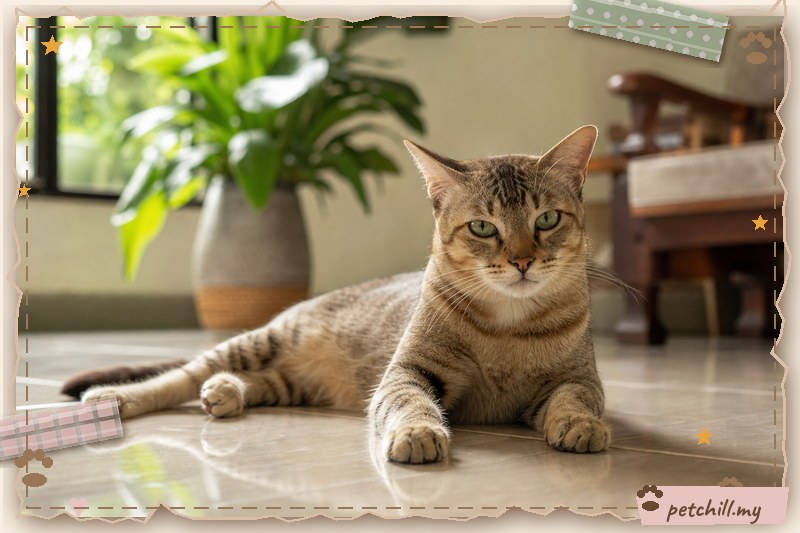
Reading your cat's body language during massage
Cats give clear signals. Your job is to notice them early.
Green light signs: slow blinking, leaning into your hand, purring with a relaxed body, kneading, stretching, head rubbing, tail held loosely upright.
Amber signs—slow down or change area: tail tip twitching, skin rippling along the back, ears rotating slightly, pupils widening, sudden grooming of a paw or flank.
Red signs—stop now: tail thumping, ears flattened, hissing, growling, swatting, stiff body, trying to leave, dilated pupils with a tense posture.
If you see red signs, remove your hands and let your cat leave. Do not scold. A cat that learns massage ends when they want it to end is more likely to accept it next time.
How to build a routine that lasts
Consistency matters more than duration. A short daily session at the same time—perhaps after your evening meal—helps your cat predict what will happen. Predictability lowers stress.
Start with two minutes. Add a minute every few days if your cat stays relaxed. Most cats do well with five to ten minutes. Some cats prefer two or three short sessions spread through the day.
Use a cue, such as a soft word or a specific blanket, so your cat associates the cue with calm touch. If your cat leaves when they hear the cue, respect that.
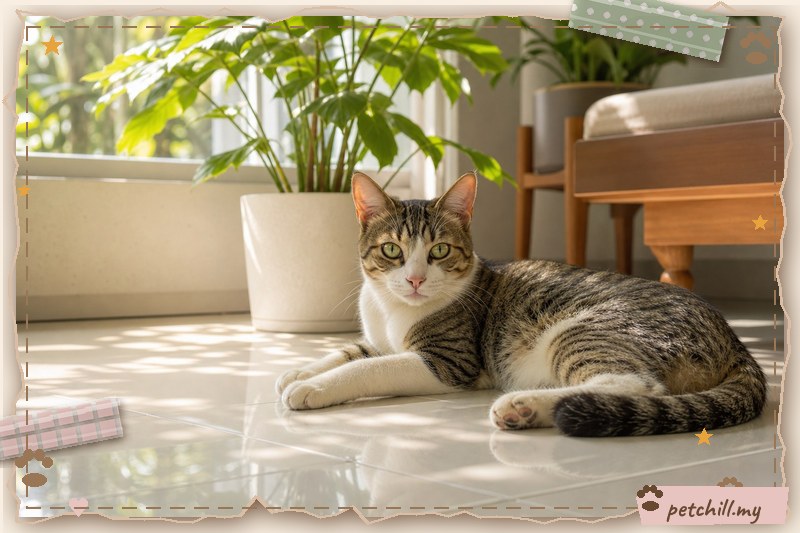
Malaysian contexts: making massage work at home
Kuala Lumpur apartment. In a high-rise apartment, noise from corridors, lifts and neighbours can make cats edgy. Choose the quietest room, close the windows if traffic noise is loud, and massage during a calm part of the day. A non-slip mat on a tiled floor gives your cat secure footing.
Penang rainy season. During heavy rain and thunderstorms, many cats are already stressed by the noise. Massage can help, but only if your cat is seeking comfort. If your cat is hiding, do not pull them out. Sit nearby quietly and let them come to you when they are ready.
Johor terrace house. In a terrace house with more outdoor sounds and other pets, choose a room away from the front gate and other animals. If you have multiple cats, massage one at a time so each cat gets undivided, calm attention.
When to see a vet
Massage is not a diagnostic tool, but it can help you notice changes. See a veterinarian if you observe any of the following:
- A new lump, swelling or warm area anywhere on the body
- Flinching, crying out or aggression when a specific area is touched
- Limping, stiffness or reluctance to jump
- Changes in appetite, drinking, litter tray habits or weight
- Excessive grooming, hair loss or skin wounds
- Sudden behaviour changes, hiding or withdrawal
- Ear discharge, head shaking or bad smell from the ears
- Any cat that seems painful during gentle touch
If your cat has a known medical condition—such as heart disease, kidney disease, arthritis, or a recent injury or surgery—ask your vet before starting massage. Some conditions require modified or avoided techniques.
Common mistakes to avoid
- Pressing too hard. Light pressure is enough. Deep tissue work is not appropriate for cats without veterinary guidance.
- Massaging a cat that is not consenting. Restraint damages trust.
- Working on the belly by default. Most cats dislike it.
- Ignoring subtle stress signals. Tail twitching and skin rippling are early warnings.
- Massaging over lumps or wounds. Note the location and show your vet.
- Using oils or creams. Cats groom themselves, and many products are not safe to ingest. If you want to use a product, ask your vet first.
- Expecting immediate results. Some cats take weeks to accept touch.
A simple weekly plan
| Day | Focus | Duration |
|---|---|---|
| Monday | Head and cheeks only | 2–3 minutes |
| Tuesday | Head, neck and shoulders | 3–4 minutes |
| Wednesday | Rest or free-choice stroking | As your cat chooses |
| Thursday | Back strokes | 3–5 minutes |
| Friday | Full routine if accepted | 5–8 minutes |
| Saturday | Quiet session after a meal | 5 minutes |
| Sunday | Rest and observe | — |
Adjust freely. The plan is a guide, not a rule. Your cat's comfort is the priority.
Final thoughts
Cat massage is a skill built on observation and patience. Done gently and with consent, it can strengthen your bond and help you notice small changes early. Done forcefully, it can damage trust. Start short, stay light, and let your cat lead.
This article is for general information only and is not a substitute for veterinary advice. If your cat is unwell, in pain, or has a medical condition, consult a licensed veterinarian in Malaysia.
Related reading
- Daily Care Guide Malaysia: A Practical Routine for Dogs and Cats
- Cat Massage: A Practical Guide for Malaysian Cat Owners
- How to Cat Massage a Cat: A Gentle, Step-by-Step Guide for Malaysian Owners
- Monsoon Care for Cats Step by Step: A Practical Wet-Season Guide for Malaysian Homes
- Pet Daily Care Guide Malaysia: Brushing, Nails, Ears, Eyes, Teeth and Weight (2026)
- Best Catnip for Cats in Malaysia: A Practical Buyer's Guide
- Best Puzzle Feeder for Cats in Malaysia: A Practical Buying Guide
- Best Scratching Post for Cats in Malaysia: A Practical Buying Guide
- Cat Exercise: Practical Cat Tips for Malaysian Homes
- Cat Exercise for Cats Step by Step: A Practical Daily Plan for Malaysian Homes
- Cat Fur Matting: Causes, Fixes and Daily Grooming Tips for Malaysian Cats
- Cat Fur Matting: A Step-by-Step Guide for Malaysian Cat Owners