
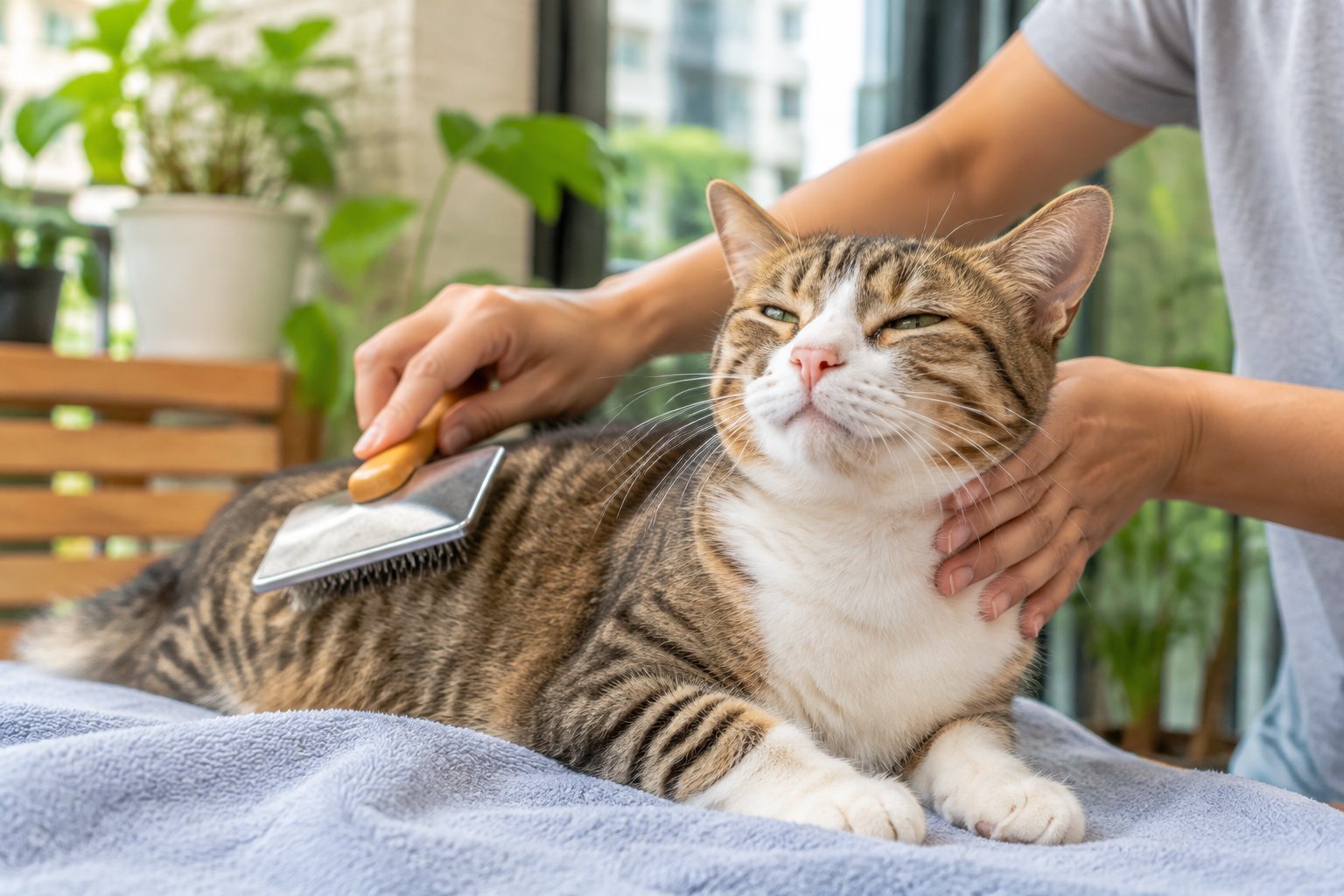
Why harness train your cat?
Harness training gives your cat safe outdoor access without the risks of free-roaming. In Malaysia, where many cats live in apartments or terrace houses, a harness walk can provide exercise, mental stimulation, and a change of scenery. It also strengthens your bond and helps prevent boredom-related behaviours like over-grooming or night yowling.
But cats are not small dogs. They need a gradual, reward-based approach. This guide covers everything from choosing the right harness to your first outdoor walk, with practical tips for Malaysian homes and weather.
Step 1: Check with your vet first
Before you buy a harness, book a vet check. Your vet can confirm your cat is healthy enough for outdoor activity and up to date on vaccinations, parasite prevention, and microchipping. Outdoor cats face risks from ticks, fleas, heartworm, and other parasites, so prevention matters.
Ask your vet about local disease risks in your area. In Malaysia, mosquito-borne diseases and intestinal parasites are common concerns. Your vet may recommend monthly preventives. Also discuss your cat's age, weight, and any joint issues that could affect walking.
If your cat is senior, anxious, or has a medical condition, your vet may suggest indoor enrichment instead of outdoor walks. That is a valid choice — many cats live full lives indoors with play, climbing structures, and puzzle feeders.
Step 2: Choose the right harness
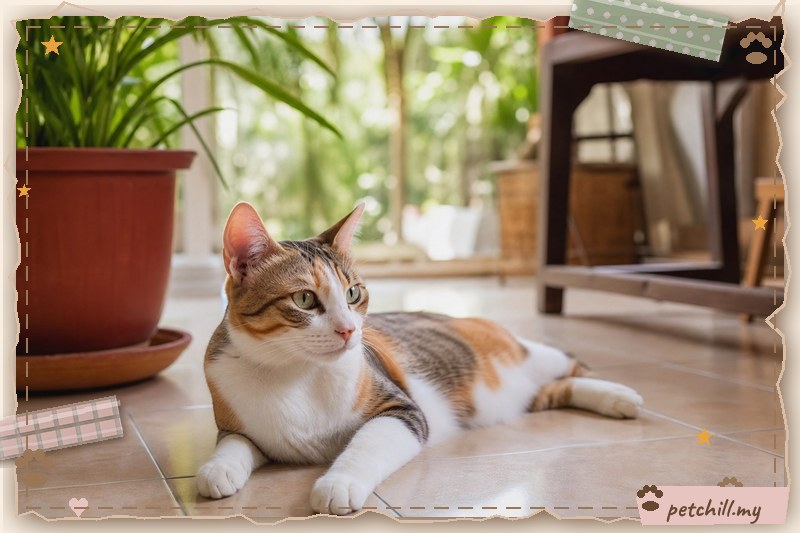
Not all harnesses suit cats. Dog harnesses are often too wide and bulky, allowing cats to slip out. Look for a harness designed specifically for cats.
| Harness type | Pros | Cons | Best for |
|---|---|---|---|
| H-style (figure-eight) | Simple, adjustable, lightweight | Can rub under armpits if poorly fitted | Most cats, beginners |
| Vest-style | Distributes pressure well, secure | Can be warm in hot weather | Cats that pull or slip out |
| Padded mesh vest | Comfortable, breathable | Sizing can be tricky | Humid climates, sensitive skin |
| Step-in harness | Easy to put on | Less adjustable | Calm cats that tolerate handling |
Key features to look for:
- Adjustable neck and chest straps
- Secure buckles or clips (not just velcro)
- Breathable, lightweight material
- Reflective stitching for visibility
- A D-ring for leash attachment on the back
Avoid harnesses with thin straps that can cut into the skin, and never attach a leash to a collar alone. A collar can slip over a cat's head or strain the neck.
Step 3: Fit the harness correctly
A loose harness is a safety risk. Fit it so you can slide two fingers under each strap — snug but not tight. The harness should not twist or slide sideways when your cat walks.
Check these points:
- Neck strap sits behind the ears, not over the throat
- Chest strap sits behind the front legs
- Back panel lies flat along the spine
- No rubbing under the armpits or behind the elbows
Do a gentle tug test indoors. If your cat can back out of the harness, it is too loose or the style is wrong. Some cats are escape artists; a vest-style harness with a belly strap is more secure.
Step 4: Introduce the harness indoors
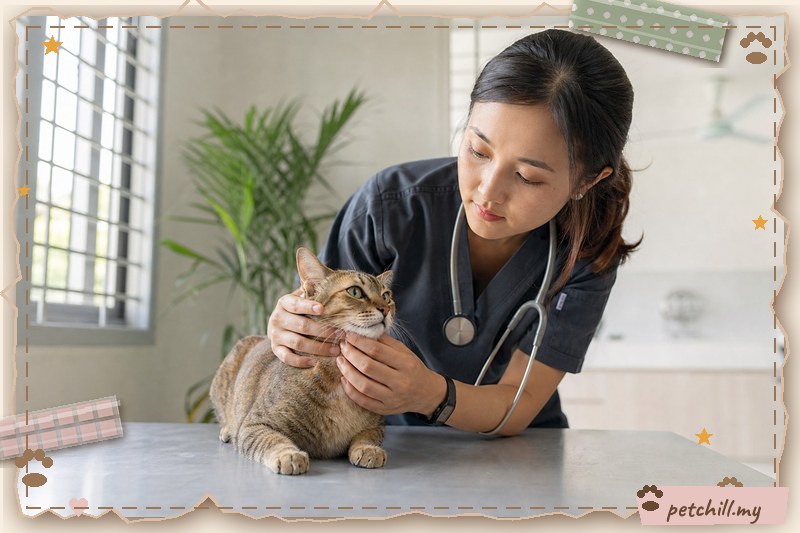
Start in a quiet room with no distractions. Let your cat sniff the harness. Place it on the floor with treats nearby. Do not force it on.
Session 1: Leave the harness out for a day. Reward your cat for approaching it.
Session 2: Drape the harness loosely over your cat's back for a few seconds while offering treats. Remove it immediately. Repeat two or three times.
Session 3: Fasten the harness loosely for a few seconds, reward, and remove. Gradually increase the time to a minute, then five minutes.
Keep sessions short — two to five minutes, two or three times a day. End on a positive note. If your cat freezes, flops, or hides, you have gone too fast. Go back a step.
Use high-value rewards: small pieces of cooked chicken, freeze-dried treats, or a favourite wet food. Praise calmly. Never punish or scold — it builds fear.
Step 5: Add the leash and move around
Once your cat wears the harness calmly for ten minutes indoors, clip on a lightweight leash. Let your cat drag it around under supervision. Reward calm walking.
Next, gently hold the leash and follow your cat around the room. Do not pull or steer. Let your cat explore at its own pace. Practice picking up and putting down the leash without tension.
Teach a simple cue like "walk" or "come" using treats. Cats respond well to clicker training if you want to shape behaviours. Keep sessions playful and short.
Step 6: Practice in a safe outdoor space
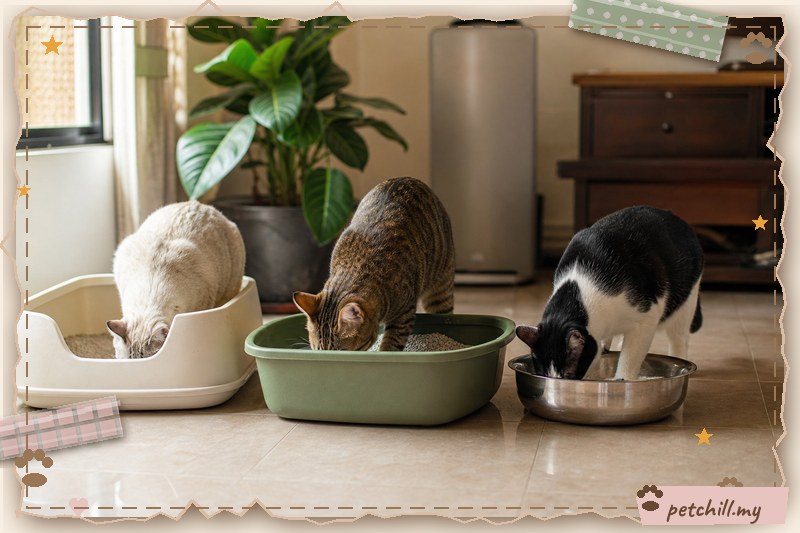
Before going outside, ensure your cat is fully vaccinated and parasite-protected. Choose a quiet, enclosed area — a balcony, a small garden, or a quiet corridor. Avoid busy roads, unknown dogs, and loud noises.
Carry your cat outside in your arms or in a carrier, then put on the harness in the safe space. Start with five-minute sessions. Let your cat hide under a bush or sit still — that is normal. Do not drag or force movement.
Gradually extend the time and explore new areas. Always supervise. Never tie your cat to a pole or leave it unattended.
Step 7: Build a routine and troubleshoot
Consistency helps. Walk at the same time each day, especially in cooler hours. In Malaysia's heat and humidity, early morning or evening is best. Avoid hot pavement — check with your hand; if it is too hot for you, it is too hot for paws.
Common problems and solutions:
| Problem | Possible cause | Solution |
|---|---|---|
| Cat freezes or flops | Overwhelmed, harness too tight | Go back to shorter indoor sessions, check fit |
| Cat slips out | Harness too loose or wrong style | Tighten straps, try vest-style |
| Cat chews harness | Boredom, discomfort | Redirect with toys, check for rubbing |
| Cat refuses to walk | Fear, unfamiliar environment | Start in a familiar quiet spot, use treats |
| Cat pants or drools | Stress or heat | Move indoors, cool down, shorten sessions |
If your cat shows signs of stress — flattened ears, dilated pupils, hiding, trembling — stop and try again another day. Never force it.
Safety checklist for Malaysian cat owners
- Fully vaccinated and microchipped
- Monthly parasite prevention
- Well-fitted harness with ID tag on a breakaway collar as backup
- Lightweight leash, no retractable leads
- Avoid peak heat and hot pavement
- Supervise at all times
- Carry a carrier for emergencies
- Avoid areas with free-roaming dogs
- Bring water for longer outings
In Kuala Lumpur apartments, use quiet corridors or a balcony for practice. In a Johor terrace house, a small enclosed garden works well. During Penang's rainy season, keep sessions short and dry — a wet harness can cause chafing.
When to see a vet
Stop harness training and see your vet if your cat shows any of these signs:
- Persistent limping or reluctance to move after wearing the harness
- Skin redness, hair loss, or sores under the straps
- Panting, drooling, or collapse during or after a session
- Vomiting, diarrhoea, or loss of appetite
- Extreme fear that does not improve with gradual training
- Any injury from slipping out of the harness
Your vet can check for underlying pain, skin issues, or anxiety. In some cases, a behaviourist may help. Never ignore signs of distress.
Frequently asked questions
How long does it take to harness train a cat? Most cats need two to six weeks of short daily sessions. Some accept a harness in days; others take months. Progress depends on your cat's temperament, age, and past experiences. Never rush — go at your cat's pace and reward calm behaviour.
What type of harness is best for cats? A well-fitted H-style or vest-style harness made for cats is best. It should be snug but allow two fingers under the straps. Avoid dog harnesses, which are often too bulky, and never use a collar alone for leash walking.
Can all cats be harness trained? Most cats can learn to wear a harness, but not all enjoy walking outdoors. Kittens and confident adults adapt fastest. Senior cats, anxious cats, or those with health issues may prefer indoor enrichment instead. Always consult your vet first.
How do I stop my cat from slipping out of the harness? Choose a harness with adjustable neck and chest straps and a secure buckle. Fit it so two fingers fit under each strap. Check tightness before every walk. If your cat can back out, the harness is too loose or the style is wrong for its body shape.
Should I use a harness or a collar for walking my cat? Always use a harness for leash walking. Collars can slip off or strain the neck if a cat pulls. A harness distributes pressure across the chest and is much safer. Keep a breakaway collar with ID tags on your cat as backup.
When can I take my cat outside in a harness? Only after your cat is fully vaccinated, microchipped, and comfortable wearing the harness indoors. Start with short outdoor sessions in a quiet, enclosed area. Avoid busy roads and unknown dogs. Ask your vet about local disease risks first.
Final thoughts
Harness training is a gradual, rewarding process. With patience, the right gear, and positive reinforcement, many cats learn to enjoy safe outdoor time. Always prioritise your cat's comfort and safety, and consult your vet before starting. For more information on pet care in Malaysia, visit the Department of Veterinary Services website or the SPCA.
Disclaimer: This article is for general information only and does not replace professional veterinary advice. Always consult a licensed veterinarian for your cat's specific health needs.
Related reading
- Daily Care Guide Malaysia: A Practical Routine for Dogs and Cats
- How to Use Catnip for Cats: A Practical Malaysian Guide
- How to Use Interactive Toys for Cats: A Malaysian Pet Parent's Guide
- Pet Daily Care Guide Malaysia: Brushing, Nails, Ears, Eyes, Teeth and Weight (2026)
- Best Catnip for Cats in Malaysia: A Practical Buyer's Guide
- Best Interactive Toys for Cats in Malaysia: A Practical Buying Guide
- Best Puzzle Feeder for Cats in Malaysia: A Practical Buying Guide
- Best Window Perch for Cats in Malaysia: A Practical Buying Guide
- Cat Grass for Indoor Cats: A Practical Malaysian Guide
- Cat Massage for Cats Step by Step: A Gentle Guide for Malaysian Pet Parents