
Why scratching posts matter
Scratching is not naughty behaviour. Cats scratch to shed old claw sheaths, stretch muscles along the back and shoulders, and leave scent marks that make their territory feel safe. An indoor cat without a suitable outlet will use the sofa, curtains or door frames because those surfaces are stable, textured and in busy areas.
A scratching post gives your cat a legal place to do all of that. Used correctly, it protects furniture, reduces stress and supports claw health. The key word is correctly: many posts fail not because the cat is stubborn but because the post is too short, too wobbly or in the wrong room.
This guide explains how to choose, place and teach a scratching post in a Malaysian home, with practical steps, a comparison table and troubleshooting for common problems.
Choose the right post before you train
Training starts with the product. A post that moves, smells strange or offers the wrong texture will be rejected no matter how patiently you encourage your cat.
Stability first
A post must not wobble. Cats need to push hard against the surface with both front paws. If the base rocks, the cat will stop mid-scratch and look for something solid, usually your wall or furniture. Look for a wide, heavy base or a post that can be screwed to a wall or weighted with sandbags.
Height and full stretch
Your cat should be able to stand on hind legs and stretch both front paws overhead without crouching. For most adult cats, that means a usable scratching surface of at least 60 to 90 cm. Taller is better for large breeds. Short posts that only reach chest height encourage scratching at the wrong angle and are often ignored.
Material matters
Sisal rope, rough cardboard and sisal fabric are the most reliable materials. Avoid smooth carpet, velvet or polished wood. Carpet is tempting because it looks tidy, but many cats dislike the texture and it can snag claws. Cardboard scratchers are cheap and popular but wear out faster.
Vertical, horizontal or both
Some cats prefer to scratch horizontally on the floor, especially older cats or those with joint discomfort. Offer at least one vertical post and one flat cardboard scratcher. Watch which one your cat chooses and buy more of that style.
| Post type | Best for | Watch out for |
|---|---|---|
| Tall sisal rope post | Most adult cats, full-stretch scratchers | Must be heavy or wall-anchored |
| Cardboard flat scratcher | Cats that scratch floors, senior cats | Shreds quickly, needs replacing |
| Sisal fabric panel | Wall-mounted options, small flats | Check it is not too smooth |
| Cat tree with sisal columns | Multi-cat homes, climbers | Columns must be tall enough |
| Angled or ramp scratcher | Kittens, seniors, cats with arthritis | Less stretch, may not satisfy strong scratchers |
Place the post where scratching already happens
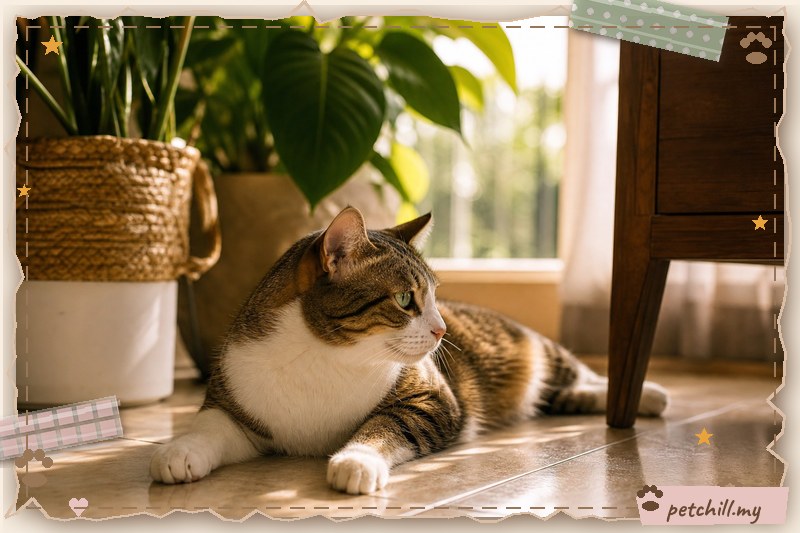
Location is the most common reason a scratching post fails. Owners often hide the post in a spare room to keep the living room tidy. The cat never uses it, and the sofa stays a target.
Put the post beside the furniture your cat already scratches. If the sofa corner is the favourite spot, place the post directly next to that corner, touching it if possible. The cat will choose the post because it is in the same territory-marking zone and offers a better surface.
Cats also scratch when they wake up, when they enter a room and when they feel excited or anxious. Place posts near sleeping spots, room entrances and busy family areas. In a multi-room home, one post per main room is more effective than a single post in a corridor.
Malaysian home examples
In a Kuala Lumpur apartment, space is tight, so choose a slim wall-mounted sisal panel beside the sofa rather than a bulky cat tree in the middle of the living room. In a Johor terrace house, place a tall post near the front door and another beside the main sofa, because cats often scratch at entry points to mark territory.
Teach your cat to use the post
Most cats learn quickly when the post is in the right place. Follow these steps.
- Observe first. For two or three days, note where and when your cat scratches. Look for the sofa corner, curtain edge or door frame.
- Move the post there. Place it beside the scratched surface, not across the room.
- Make it inviting. Rub a little catnip or silvervine on the post, or tie a favourite toy to the top. Never use strong citrus sprays near it.
- Reward every scratch. When your cat touches the post, calmly say yes and offer a treat or a short play session. Timing matters: reward within a second or two.
- Redirect, do not punish. If your cat heads for the sofa, gently lift or guide it to the post, then reward. Never shout, spray water or tap the nose.
- Play near the post. Wand toys that run up and down the post encourage stretching and scratching.
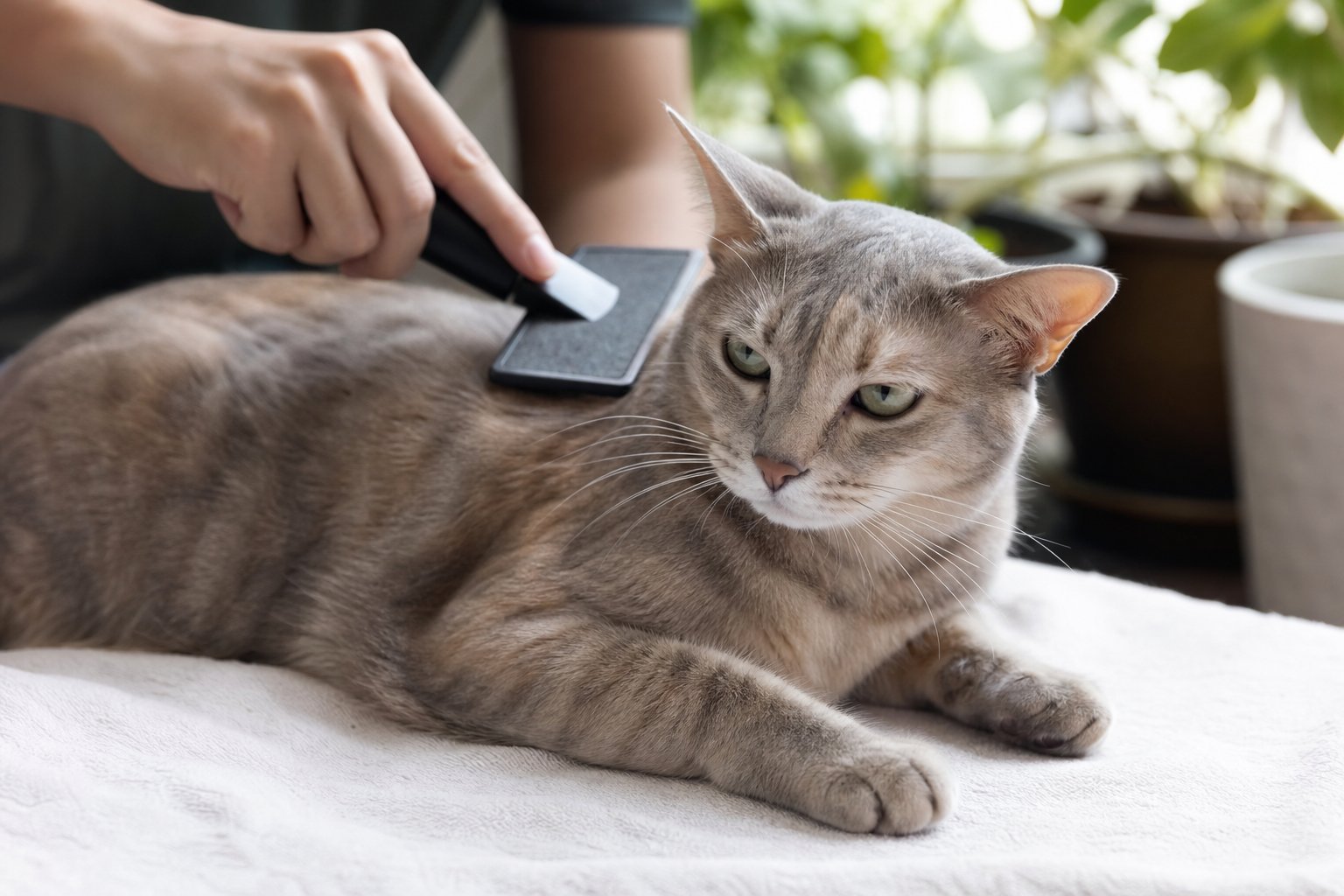
- Trim claws regularly. Shorter claws do less damage and make scratching less urgent. Ask your vet or a groomer to show you how.
- Be consistent for two to three weeks. Most cats accept a well-placed post within that window. Some take longer, especially older cats or cats that have scratched furniture for years.
What not to do
Do not physically force your cat's paws onto the post. Do not punish scratching. Do not remove the post after a few days because the cat has not used it. Do not cover the post with a blanket or place it behind furniture. These actions teach the cat that the post is unpleasant or irrelevant.
Protect furniture while training
While your cat learns, make the old scratching spot less appealing. Use double-sided tape, a temporary throw or a fitted cover on the sofa corner. Place the post right beside the covered area so the cat has an immediate alternative.
Do not use strong-smelling repellents that may irritate your cat's nose or make the room stressful. Physical barriers and redirecting are kinder and more effective. Once your cat uses the post reliably, you can remove the covers.
Handle multi-cat homes
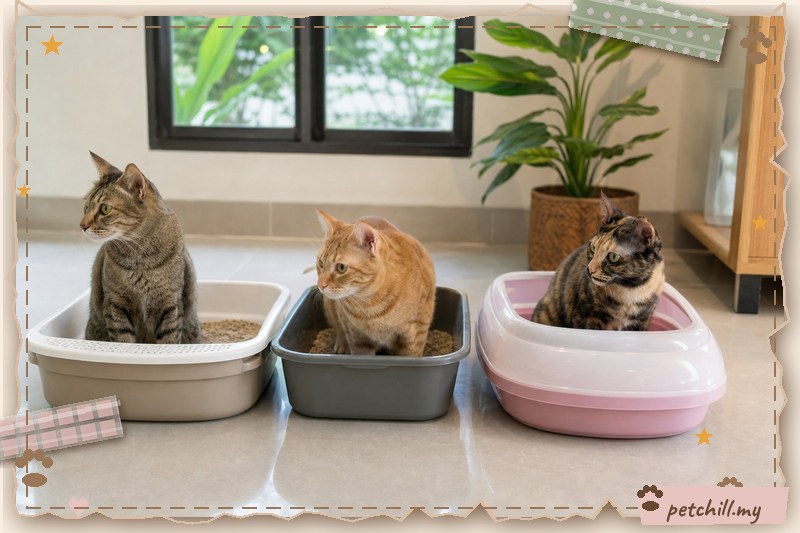
In homes with two or more cats, one post is rarely enough. Cats may guard resources, and a single post in a corner can become a source of tension. Provide at least one post per cat plus one extra, placed in different rooms and at different heights.
Watch for bullying. If one cat blocks another from the post, add another post in a separate area with a clear escape route. Vertical space, such as a cat tree with sisal columns, helps cats share territory without conflict.
Maintain the post
A scratching post is a tool, not a decoration. Check it monthly.
- Tighten screws and check the base for wobble.
- Replace frayed sisal rope before it breaks through.
- Replace cardboard scratchers when they are shredded or falling apart.
- Vacuum loose fibres so your cat does not swallow them.
- Clean with a damp cloth and mild pet-safe soap; avoid strong chemicals.
A worn post is often still usable until the structure fails. Replace it when the cat stops using it or when the base becomes unstable.
When to see a vet
Scratching is normal, but some changes need veterinary attention.
- Sudden excessive scratching of walls, floors or furniture may signal stress, skin irritation or pain.
- Scratching at the face or ears can indicate fleas, mites, allergies or ear infection.
- Reluctance to stretch or jump may suggest joint pain, especially in older cats.
- Overgrown, ingrown or broken claws need professional trimming or treatment.
- Bleeding or infected claw beds should be checked promptly.
- Sudden behaviour change in a normally calm cat warrants a vet visit.
If your cat stops using a post it previously loved, check for pain, new stress in the home or a damaged post before assuming it is being stubborn.
Quick checklist
- Tall enough for a full stretch
- Stable base, no wobble
- Sisal or rough cardboard surface
- Placed beside the scratched furniture
- One post per main room
- Rewards for scratching, no punishment
- Claws trimmed regularly
- Post checked and maintained monthly
Vet disclaimer
This article provides general educational information for cat owners in Malaysia and is not a substitute for professional veterinary advice. If your cat shows signs of pain, skin disease, stress or sudden behaviour change, consult a licensed veterinarian. Product availability and prices vary locally; ask a Malaysian pet retailer or your vet for options suitable for your cat.
Related reading
- Daily Care Guide Malaysia: A Practical Routine for Dogs and Cats
- Best Cat Tree for Cats in Malaysia: A Practical Buying Guide
- Cat Tree for Indoor Cats: The Complete Malaysia Guide
- How to Use Cat Grass for Cats: A Practical Malaysian Guide
- How to Use a Cat Tree for Cats: A Practical Guide for Malaysian Homes
- Interactive Toys for Indoor Cats: A Practical Malaysian Guide
- Best Cat Grass for Cats in Malaysia: A Practical Buying & Growing Guide
- Best Catnip for Cats in Malaysia: A Practical Buyer's Guide
- Best Interactive Toys for Cats in Malaysia: A Practical Buying Guide
- Best Puzzle Feeder for Cats in Malaysia: A Practical Buying Guide



