
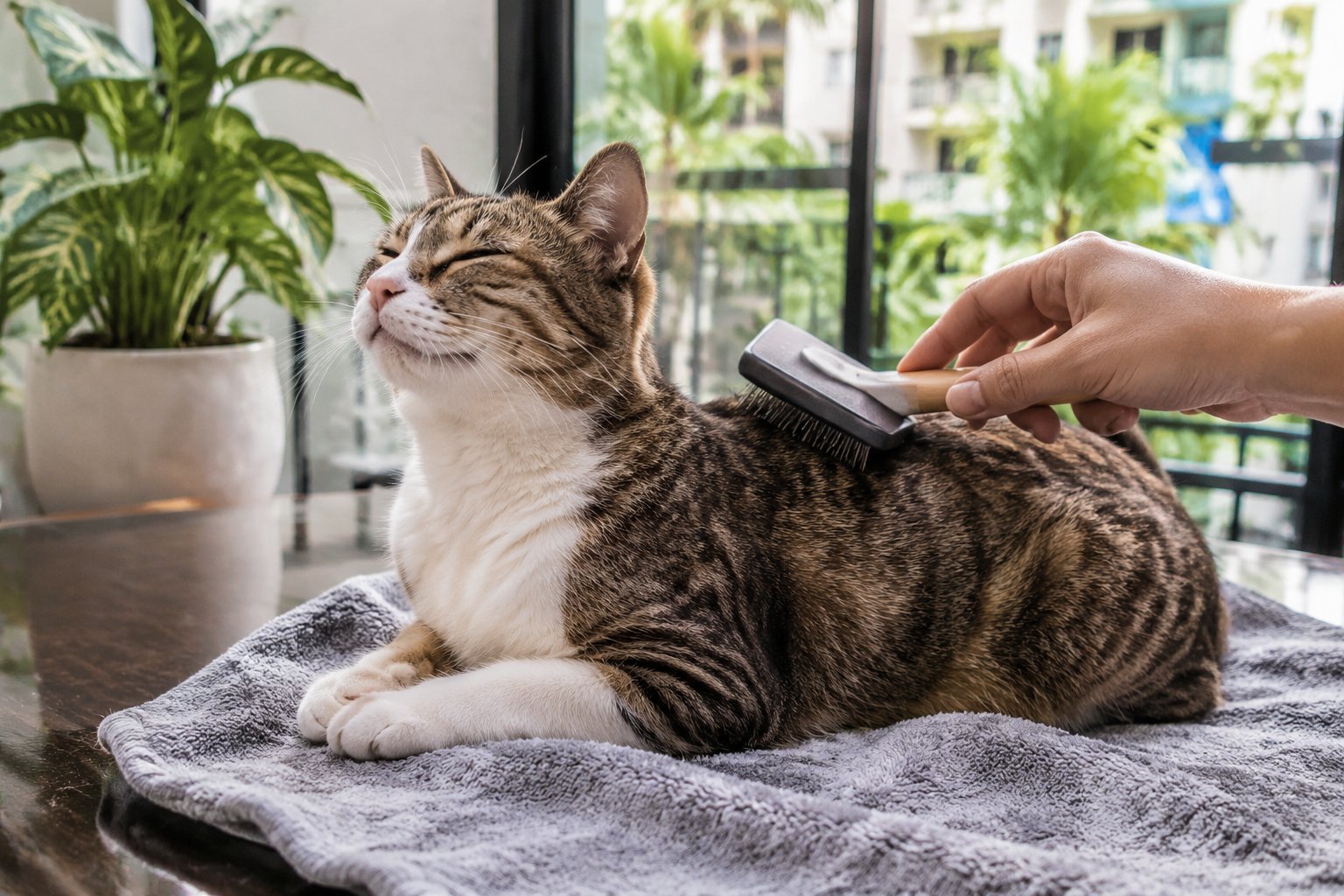
The short answer
Cat fur matting is tangled, tightened hair that clumps against the skin. It is common in long-haired cats, older cats, overweight cats and any cat that has stopped grooming properly. In Malaysia's humid weather, damp coats and indoor living make mats more likely. The fix is consistent brushing, thorough drying and, for tight mats, professional removal rather than scissors.
Why mats form — and why Malaysia makes it worse
A cat's coat is designed to shed loose hair continuously. When that loose hair is not removed, it wraps around the growing coat and tightens like felt. Several things push a cat towards matting:
- Coat type. Persians, Maine Coons, Ragdolls, Himalayans and domestic longhairs mat far more easily than short-coated cats.
- Humidity and dampness. Malaysia's year-round warmth and high humidity mean a coat that gets wet — from rain, a water bowl, a bath or a leaking air-conditioner — dries slowly. Moisture softens the hair cuticle and encourages tangling.
- Indoor lifestyle. Cats that live indoors in air-conditioning shed steadily and may have less opportunity to groom themselves against rough surfaces.
- Obesity. A cat that cannot comfortably reach its back, tail base and hindquarters will develop mats exactly there.
- Age and arthritis. Stiff joints make twisting to groom painful, so older cats quietly stop.
- Dental pain. Grooming involves licking and nibbling; a sore mouth reduces grooming effort.
- Illness. Thyroid disease, kidney disease, skin allergies and gastrointestinal upset can all reduce grooming or change coat quality.
- Stress or change. A new pet, a move or a disrupted routine can reduce grooming behaviour.
- Poor grooming tools. A brush that only skims the top coat leaves the undercoat to mat underneath.
Mats are not just untidy. They pull on the skin, restrict movement, trap moisture and warmth, and create a microclimate where bacteria and yeast thrive. A mat can hide a wound, a hot spot or a lump until it becomes serious.
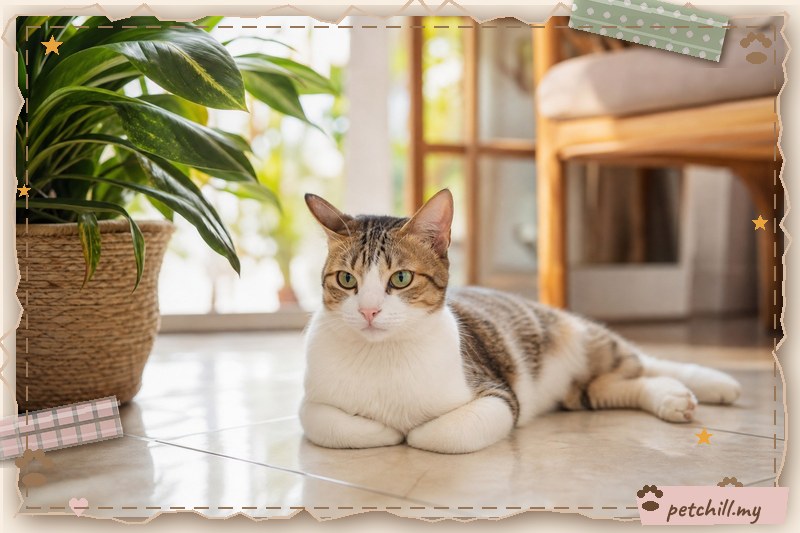
How to check your cat for mats
Run your hands over your cat's body at least once a week. Pay attention to the areas cats struggle to reach:
- Behind the ears and at the neck.
- Under the front legs (the armpits).
- Along the flanks and belly.
- The hindquarters and around the tail base.
- Between the back legs and around the sanitary area.
A small tangle that you can tease apart with your fingers is early-stage. A mat that feels like a dense felt pad, sits tight against the skin, or makes your cat flinch is advanced. Part the coat gently to look at the skin underneath: redness, moisture, crusting or a bad smell means the mat needs veterinary attention.
The daily grooming routine that prevents mats
Prevention is far easier than removal. Build a short routine and stick to it.
1. Brush daily for long-haired cats
Long-haired cats need a proper session every day, ideally at the same time so it becomes a habit. Short-haired cats generally need two to three sessions a week, increasing during shedding periods. Use a metal comb that reaches the undercoat, followed by a slicker brush. Work in small sections, starting at the back and moving to the more sensitive areas last.
2. Use the right tools
| Tool | What it does | Best for |
|---|---|---|
| Metal greyhound comb | Detangles and checks for missed spots | All coats, especially long hair |
| Slicker brush | Removes loose topcoat and smooths | Medium and long coats |
| Undercoat rake | Pulls out loose undercoat | Double-coated breeds |
| De-shedding tool | Reduces heavy shedding | Short, dense coats |
| Mat splitter | Breaks a mat into smaller pieces | Small, loose tangles only |
| Clippers with guard | Safely clips tight mats | Severe mats, ideally by a professional |
Avoid brushes with sharp pins that scratch the skin, and never use human hair products on a cat's coat.
3. Keep the coat dry
After a bath, a rainy walk in a carrier, or an accidental soaking, dry the coat thoroughly with a towel and then a low-heat pet dryer. Do not let a damp cat curl up in a cool room. In humid weather, check under the armpits and around the tail base for lingering dampness.
4. Bathe only when needed
Most cats do not need frequent baths. When you do bathe, use a cat-specific shampoo, rinse completely, and dry fully. Never bathe a tightly matted cat — water tightens mats and traps moisture against the skin.
5. Manage weight and comfort
Keep your cat lean. Provide soft, warm sleeping spots and, for older or arthritic cats, a low-sided litter tray and easy access to food and water so grooming energy is not spent on navigation. If your cat is overweight, ask your vet for a safe weight plan.
6. Check the mouth and joints
If your cat has stopped grooming, look for drooling, bad breath, difficulty eating, stiffness when jumping or reluctance to be handled. These are clues that the matting is a symptom, not the disease.
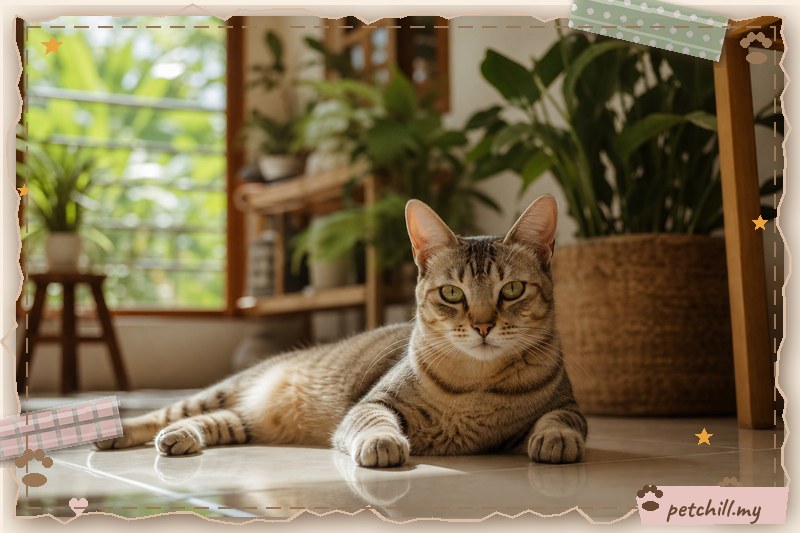
How to remove mats safely
Small, loose tangles can often be worked out gently with your fingers and a comb, holding the hair at the base so you do not pull the skin. Work slowly and stop if your cat is uncomfortable.
For tighter mats:
- Never use scissors. Cat skin is thin and loose, and it folds into the blades easily. Scissor injuries are a common and entirely avoidable reason for emergency visits.
- Use clippers with a guard if you are experienced, and clip parallel to the skin rather than digging underneath the mat.
- Consider a professional groomer or your vet for dense mats, mats over bony areas, or a cat that will not tolerate handling.
- Do not shave a cat down to the skin without advice. The coat provides protection from sun and insects, and shaving can cause irritation and sunburn.
- Never pull a mat off. It can tear the skin.
If the skin under a mat is red, broken, weeping or smelly, do not attempt home removal. Book a vet visit.
When matting is a medical sign
Matting that appears suddenly, or that keeps returning despite good grooming, deserves a vet check. Your vet may look for:
- Arthritis or spinal pain limiting movement.
- Obesity.
- Dental disease or oral pain.
- Skin infections, parasites or allergies.
- Hormonal or metabolic disease affecting coat quality.
- Behavioural or stress-related changes in grooming.
Treating the underlying cause is the only way to stop the mats coming back.
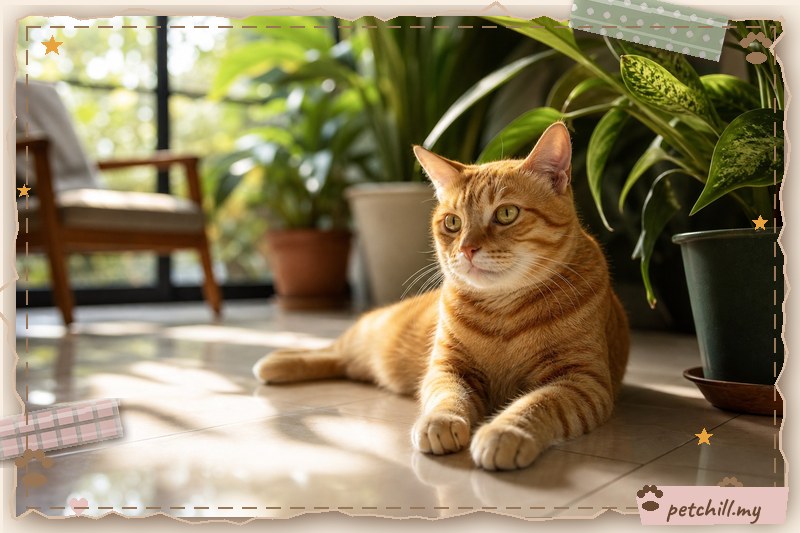
When to see a vet
See a vet promptly if:
- A mat is tight against the skin and cannot be safely loosened.
- The skin underneath is red, moist, crusty, bleeding or foul-smelling.
- Your cat cries, flinches or tries to bite when the area is touched.
- Your cat is not eating, is losing weight, or has stopped grooming altogether.
- Matting appeared suddenly, or is accompanied by vomiting, diarrhoea, lethargy or breathing changes.
- Your cat is elderly, pregnant or has a chronic condition and develops mats.
A vet can sedate or clip safely, treat any skin infection, and investigate the underlying reason.
A practical Malaysian routine
In a Kuala Lumpur apartment, air-conditioning keeps the indoor air cool but can dry the coat while humidity outside remains high. Brush your long-haired cat in the evening, check under the armpits for dampness, and keep a metal comb near the sofa so short sessions happen often.
In a Johor terrace house, cats may have access to a covered patio or garden. After rainy afternoons, towel-dry the coat and check the belly and tail base, where dampness lingers. Keep long-haired cats indoors during heavy rain and dry them fully before they settle.
In Penang during the rainy season, coats can stay slightly damp for hours. A quick daily comb-out, a dry sleeping area and a low-heat dryer after any soaking will prevent most mats.
Quick prevention checklist
- Brush long-haired cats daily; short-haired cats two to three times weekly.
- Use a metal comb that reaches the undercoat.
- Dry the coat fully after any wetting.
- Check ears, armpits, belly and tail base weekly.
- Keep your cat lean and comfortable.
- Watch for reduced grooming, stiffness or mouth pain.
- Never cut mats with scissors.
- Book a vet or groomer for tight or painful mats.
Bottom line
Matting is a daily-care problem with medical consequences. In Malaysia's climate, the winning strategy is simple: brush consistently, keep the coat dry, watch for the health reasons cats stop grooming, and get professional help for tight mats. A few minutes a day prevents most of the painful, expensive problems matting causes.
This article is general information only and is not a substitute for veterinary advice. If your cat has painful, infected or recurring mats, consult a licensed veterinarian.
Related reading
- Daily Care Guide Malaysia: A Practical Routine for Dogs and Cats
- Grooming Senior Cats Step by Step: A Gentle Daily Routine for Older Cats
- How to Deal With Cat Fur Matting: A Practical Grooming Guide for Malaysian Cat Owners
- Cat Carrier for Cats: A Practical Buying Guide for Malaysian Owners
- Cat Odour Control for Cats: A Step-by-Step Guide for Malaysian Homes
- Cat Water Intake: Essential Tips for Malaysian Pet Owners
- Ear Cleaning Cat Tips Malaysia: Safe At-Home Routine for Malaysian Owners
- How to Cat Massage a Cat: A Gentle, Step-by-Step Guide for Malaysian Owners
- How to Clean a Cat's Ears Safely: A Step-by-Step Guide for Malaysian Owners
- How to Groom Senior Cats: A Gentle Daily-Care Guide for Malaysian Owners
- Iodine Tincture vs Povidone-Iodine for Pets in Malaysia: When It's Actually Needed (and When It's Not)



