
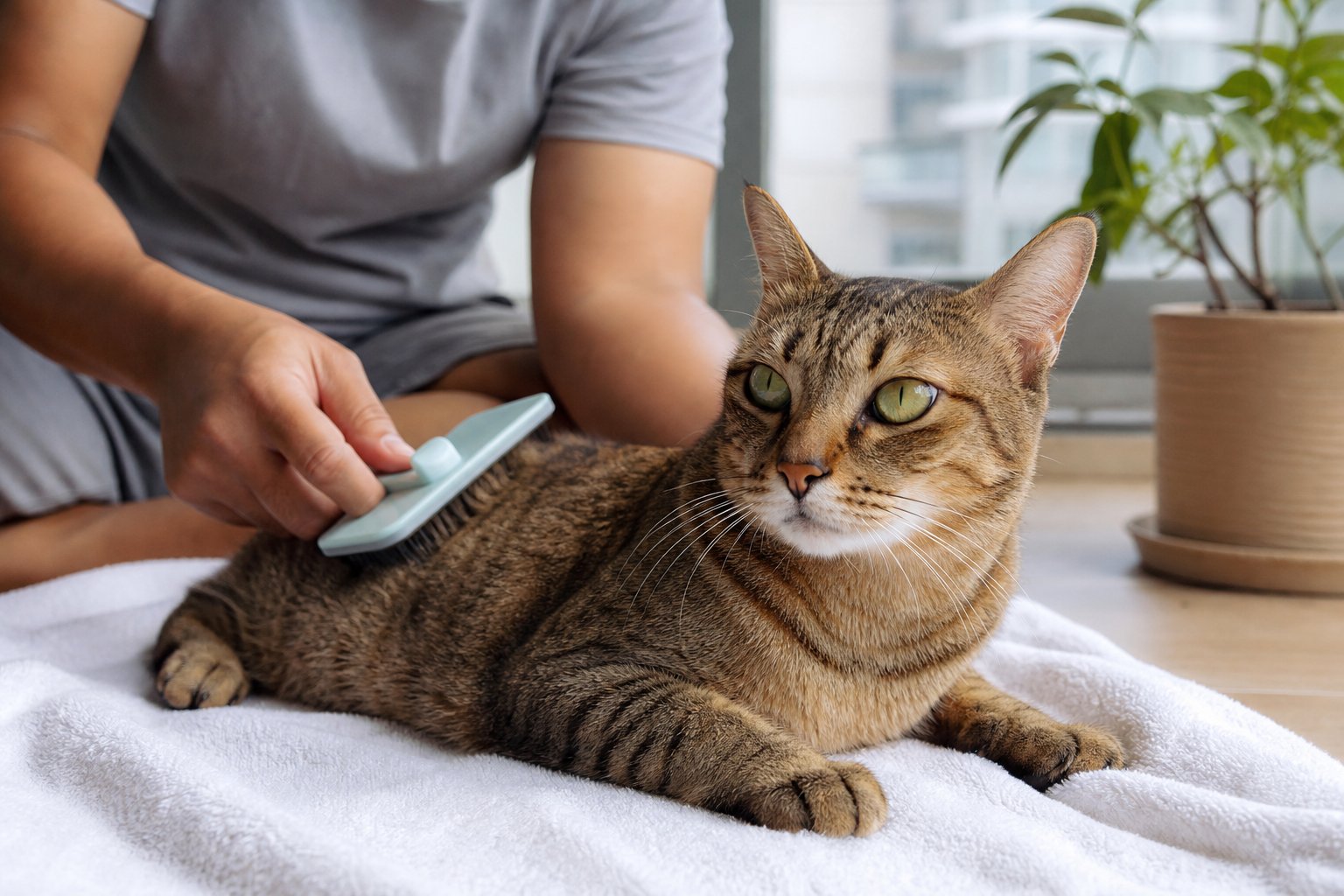
What catnip actually does
Catnip is a herb, Nepeta cataria, from the mint family. The active compound is nepetalactone, which binds to a cat's olfactory receptors and triggers a short behavioural response. A typical session lasts around 5 to 15 minutes, after which the cat loses interest for a while — often an hour or more — before it can respond again.
Responses vary widely. Some cats roll, rub, kick, purr and chatter. Others become calm and floppy. A minority become overexcited and swat. And a large group of cats simply do not respond at all, because sensitivity is inherited. Roughly half to two-thirds of cats are thought to respond, which means your cat ignoring catnip is completely normal.
Catnip is not a drug in the harmful sense. It is not addictive, cats do not withdraw from it, and there is no known toxicity for healthy adult cats at normal exposure. It is best thought of as enrichment: a tool for play, exercise and environmental variety, not a treatment for anxiety or illness.
Which cats should not get catnip
Catnip is generally safe, but it is not for every cat at every life stage.
- Kittens under about six months. Very young kittens usually do not respond, and their bodies are small. There is no benefit in offering it.
- Pregnant or nursing queens. Avoid unnecessary exposure; keep the environment calm instead.
- Cats with a health condition. If your cat has asthma, heart disease, epilepsy or any condition where excitement is a concern, ask your vet first.
- Cats with a history of aggression. Catnip can tip an already aroused cat into swatting or biting.
- Cats recovering from surgery or illness. Skip it until your vet says normal activity is fine.
If you are unsure, the safest approach is a single small pinch while you watch, then observe for 30 minutes.
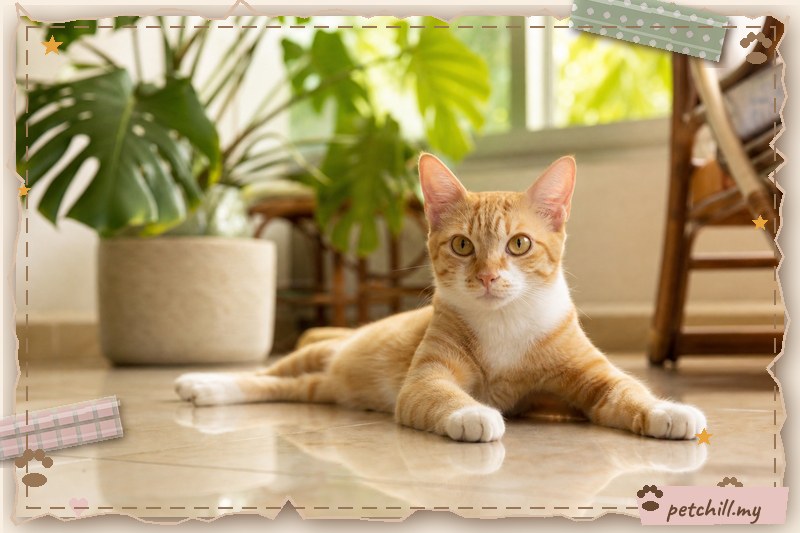
The main ways to use catnip
There is no single correct method. The best approach is to match the format to your cat and to the purpose.
1. Dried catnip
This is the most common form. Offer a small pinch — about half to one teaspoon — on a plate, in a shallow cardboard box, or rubbed into a fabric toy. Let the cat investigate on its own. Do not force the cat's nose into it.
Dried catnip loses potency over time, especially in humid conditions. Buy small quantities, keep the container sealed, and replace it every few months.
2. Fresh catnip
Fresh leaves are stronger-smelling and often get a bigger reaction. Offer one or two leaves on the floor, or rub a leaf gently on a scratcher or toy. Fresh catnip is also easy to grow in a pot, which suits Malaysian homes with a balcony or a bright window.
3. Catnip spray
Sprays are convenient for toys, scratchers, carriers and scratching posts. Lightly mist the object, let it dry for a minute, then offer it. Avoid spraying directly on the cat, on bedding your cat sleeps in all night, or on surfaces your cat licks. Check the label: some sprays are water-based infusions, others contain additives.
4. Catnip-filled toys
Many fabric toys contain catnip. These are useful for independent play, but the herb inside fades. You can refresh a toy by opening a small seam, adding a pinch of dried catnip, and stitching it closed — or simply rub dried catnip on the outside.
5. Catnip in a box or on a mat
Sprinkling a little dried catnip into a shallow cardboard box or onto a mat can encourage a shy cat to explore a new object. This is a gentle way to build confidence.
| Format | Best for | How much | Watch out for |
|---|---|---|---|
| Dried herb | General play, boxes, mats | ½–1 teaspoon | Stale herb; mess on carpets |
| Fresh leaves | Strong response, garden pots | 1–2 leaves | Wilting; overwatering the plant |
| Spray | Toys, scratchers, carriers | Light mist | Additives; spraying the cat |
| Filled toys | Solo play, boredom | Toy-sized | Torn seams; ingested fabric |
| Catnip mat | Shy cats, new spaces | Light sprinkle | Washing removes potency |
How much and how often
A small pinch is enough. More catnip does not produce a stronger or longer reaction; it just creates more mess and waste. For most cats, a few sessions a week is plenty.
Daily use is not dangerous, but cats can become temporarily less responsive when exposed very often. Think of catnip as one item in a rotation: wand toys one day, a puzzle feeder the next, a catnip box after that.
A simple weekly rhythm for a Malaysian household might look like this:
- Monday: wand toy session, 10 minutes.
- Wednesday: puzzle feeder with part of the daily ration.
- Friday: catnip in a cardboard box or on a scratcher.
- Weekend: new object to sniff — a paper bag, a box, a rotated toy.
This keeps novelty high and prevents catnip from becoming the only enrichment your cat gets.
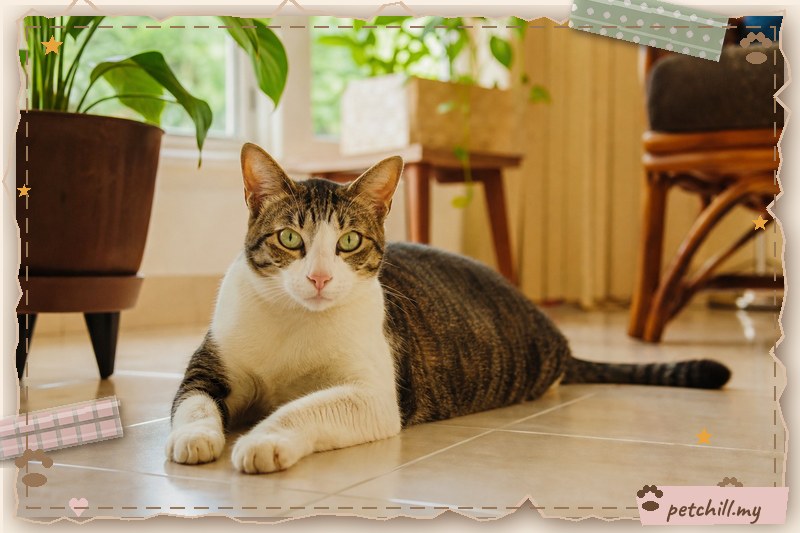
Using catnip for play, training and travel
Catnip is a practical behaviour tool when used thoughtfully.
Encouraging play. Rub catnip on a new toy or scratcher to make it interesting. This is especially useful for a cat that ignores new purchases.
Scratching posts. A little catnip rubbed into the sisal or cardboard can draw a cat to the post instead of the sofa. Pair it with praise and a treat when the cat uses the post.
Carrier training. Lightly mist a carrier with catnip spray and leave it open in the room for a few days before a vet visit. The goal is to make the carrier a normal, interesting object rather than a signal for a car trip.
Introducing a new space. A sprinkle of catnip on a mat can help a shy cat explore a new room or a new cat tree.
Not for training away fear. Catnip is not a sedative and should not be used to mask fear or pain. If your cat is hiding, trembling or not eating, that needs a vet, not a herb.
Catnip in a Malaysian home
Malaysia's heat and humidity change how you store and use catnip.
Storage. Dried catnip absorbs moisture quickly. Keep it in a small airtight container, away from sunlight and the stove. A silica gel sachet in the container helps. If the herb smells musty or looks clumped, throw it out.
Growing it. Catnip grows in pots on a balcony or near a bright window. It prefers morning sun and afternoon shade, and well-draining soil. In the rainy season, move pots under cover so they do not waterlog. Snip leaves as needed rather than stripping the plant.
Apartment living. In a Kuala Lumpur apartment, a catnip mat or a catnip-rubbed scratcher is a low-mess way to add enrichment without floor space. Keep the herb container closed so it does not attract ants.
Terrace houses. In a Johor terrace house, a pot of catnip in a shaded courtyard can be a fresh supply, but check that neighbourhood cats or dogs cannot reach it and that the plant is not treated with pesticides.
Rainy season. During the wet months, indoor play matters more. A catnip toy and a cardboard box can substitute for outdoor time when it is pouring.
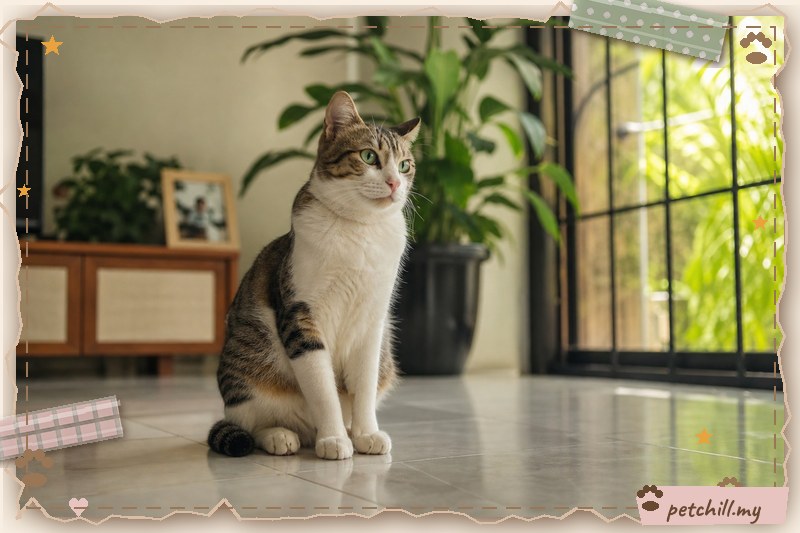
Common mistakes to avoid
- Forcing the cat to sniff. Let the cat approach. Holding catnip to a cat's face can cause stress or a swat.
- Using too much. A pile of catnip on the floor is wasteful and messy. A pinch is enough.
- Expecting a reaction. Many cats do not respond. That is genetics, not a problem.
- Using catnip to calm a sick cat. It is not a medicine. If your cat is unwell, see a vet.
- Leaving torn toys around. Catnip toys are often chewed. Check seams and remove loose fabric or filling.
- Spraying bedding used all night. A light mist on a toy is fine; a soaked bed is not.
- Storing herb in the fridge. Condensation makes it mouldy. A cool, dry cupboard is better.
When to see a vet
Catnip itself rarely causes problems, but the behaviour around it can reveal something that needs attention.
See a vet if your cat:
- becomes aggressive or bites hard during or after catnip sessions;
- vomits repeatedly or has diarrhoea after eating catnip or a catnip toy;
- swallows fabric, string or toy filling;
- seems lethargic, hides, stops eating or breathes oddly after a session;
- has a first-time seizure or collapse;
- shows sudden behaviour change at any age.
Also see a vet before using catnip on a cat with a known heart, lung or neurological condition, or on a pregnant or nursing queen.
A simple starter plan
If you have never used catnip with your cat, try this:
- Buy a small packet of plain dried catnip or one fresh plant.
- Choose a quiet time when the cat is awake and calm.
- Put half a teaspoon on a plate or in a shallow box.
- Sit back and watch for 15 minutes. Do not coax.
- Note the reaction: playful, relaxed, aggressive or none.
- If playful or relaxed, repeat once or twice that week.
- If aggressive, skip catnip and use wand toys instead.
- If no reaction, try fresh leaves once; if still nothing, your cat is simply not a responder.
Catnip is a small, cheap addition to a good enrichment routine. It does not replace daily play, scratching opportunities, safe spaces, fresh water and regular veterinary care.
This article is general information for Malaysian cat owners and is not a substitute for veterinary advice. If your cat is unwell, pregnant, very young or has a health condition, consult a licensed veterinarian before using catnip.
Related reading
- Best Catnip for Cats in Malaysia: A Practical Buyer's Guide
- Catnip for Indoor Cats: A Complete Malaysian Guide
- Daily Care Guide Malaysia: A Practical Routine for Dogs and Cats
- Interactive Toys for Indoor Cats: A Practical Malaysian Guide
- Best Interactive Toys for Cats in Malaysia: A Practical Buying Guide
- Cat Grass for Indoor Cats: A Practical Malaysian Guide
- Harness Training a Cat in Malaysia: Step-by-Step Tips for a Calm, Safe First Walk
- Harness Training for Cats Step by Step: A Safe, Calm Guide for Malaysian Homes
- How to Harness Train a Cat: A Step-by-Step Guide for Malaysian Owners



