
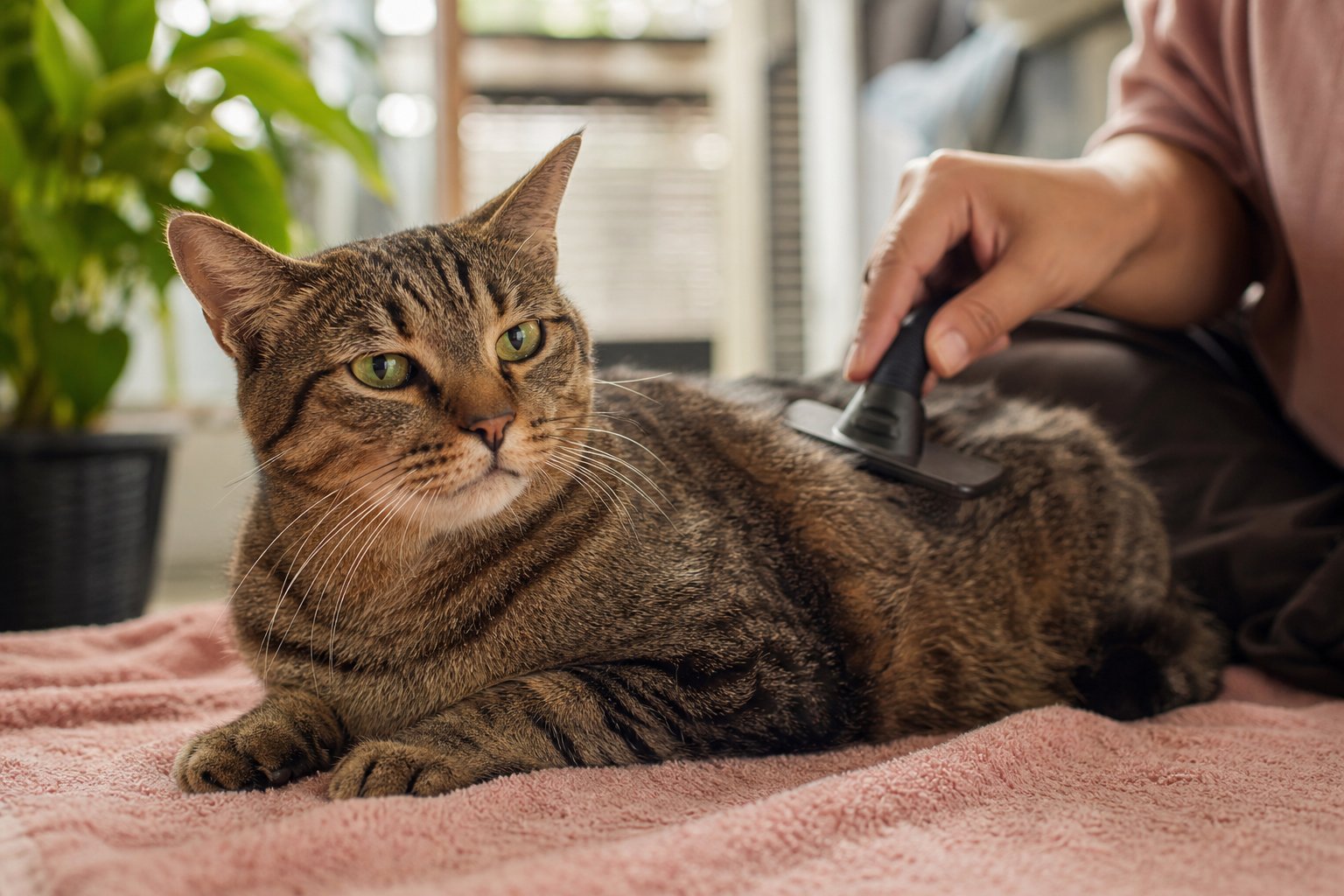
What cat massage is — and what it is not
Cat massage is gentle, slow, hands-on contact that follows your cat's comfort. It is not deep-tissue work, chiropractic adjustment, or a substitute for veterinary care. Think of it as a calm, structured way to check your cat's body, build trust, and help it relax. Most cats accept short sessions of light stroking and kneading along the back, shoulders, and neck. Many do not want their belly, paws, or tail touched, and that is normal.
The goal is consent, not completion. A massage that lasts 90 seconds because your cat walked away is a success. A 20-minute session that ends with a swat is not. Keep sessions short, watch the body language, and let your cat choose how much it wants.
Before you start: set up for success
Choose a quiet time when your cat is already calm — after a meal, after play, or during a nap. Avoid times when it is hungry, hyper, or waiting for food. Pick a familiar spot: a favourite blanket, the sofa, or a low cat bed. Sit at the same level as your cat rather than looming over it.
Wash and dry your hands. Remove rings, watches, and bracelets that could catch fur. Keep your nails short. Have a towel nearby in case your cat decides it is done. Turn off loud music or the TV, and keep children and other pets away for the first few sessions.
A simple checklist before you begin:
- Cat is calm and awake, not startled or asleep.
- You are in a quiet room with no escape blocked.
- Your hands are clean, dry, and jewellery-free.
- You have 3–5 minutes, not 30.
- You are ready to stop at the first sign of discomfort.
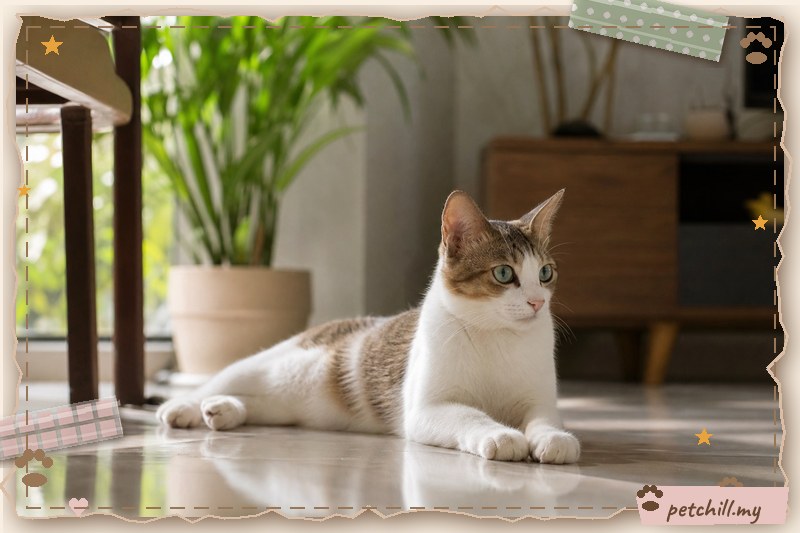
The basic strokes: how to cat massage a cat
Start with the flat of your hand, fingers together, and move in the direction the fur grows. Use slow, steady strokes. Think of spreading butter, not kneading dough. Begin at the shoulders and work along the back toward the tail base, then return to the neck and head.
1. The flat-hand sweep
Rest your whole hand on your cat's back near the shoulders. Let your hand settle for a second so your cat feels your presence. Then sweep slowly down the back toward the tail, following the spine but not pressing on it. Lift your hand and repeat 3–5 times. This is the warm-up stroke and tells your cat what is coming.
2. The fingertip circle
Use the pads of two or three fingers to make small, slow circles on the muscles beside the spine — not on the spine itself. Work from the shoulders toward the hips. Keep the circles small, about the size of a 20-sen coin, and use very light pressure. If your cat leans into your hand, you can add a little more weight. If it twitches or moves away, lighten up or move to another area.
3. The ear-base rub
Many cats enjoy a gentle rub at the base of the ears, where the jaw meets the skull. Use one fingertip and make slow circles. Watch the ears: if they flatten or rotate back, stop. This area is close to the face, so keep your movements predictable and slow.
4. The chin and cheek stroke
Stroke gently along the jawline and cheek, moving toward the whisker pads. Some cats will push their chin into your hand. That is a good sign. Avoid the nose and eyes, and never press on the throat.
5. The shoulder knead
Place your hand over the shoulder and gently knead the muscle with your fingertips, as if you were kneading bread. Keep it slow and light. This can help relax cats that hold tension in their shoulders, but only if your cat is comfortable with being touched there.
6. The tail-base pause
Some cats love a gentle scratch at the base of the tail; others find it overstimulating. Test with one light touch and watch the reaction. If your cat lifts its tail, leans in, or purrs louder, you can continue briefly. If the tail flicks, the skin ripples, or your cat turns to look at your hand, stop. Never pull or press hard on the tail itself.
Pressure, speed, and timing
Use less pressure than you think. Start with the weight of a coin resting on your cat's back. You should be moving the skin, not pressing into muscle or bone. Slow down: a stroke that takes two seconds is better than a quick rub. Cats often dislike fast, jerky movements.
Keep sessions to 3–5 minutes at first. You can build up to 10 minutes over several weeks if your cat stays relaxed. Always end while your cat is still enjoying it, not after it has had enough. That way, the next session starts on a good note.
| Session stage | Time | What to do | What to watch |
|---|---|---|---|
| Settle | 30 seconds | Let your cat sniff your hand, sit quietly | Cat stays, ears forward |
| Warm-up | 1 minute | Flat-hand sweeps along the back | Tail loose, no rippling skin |
| Main strokes | 2–3 minutes | Fingertip circles, ear base, chin | Purring, leaning in, slow blinking |
| Wind-down | 30 seconds | One or two slow sweeps, then hands off | Cat stays relaxed or walks away calmly |
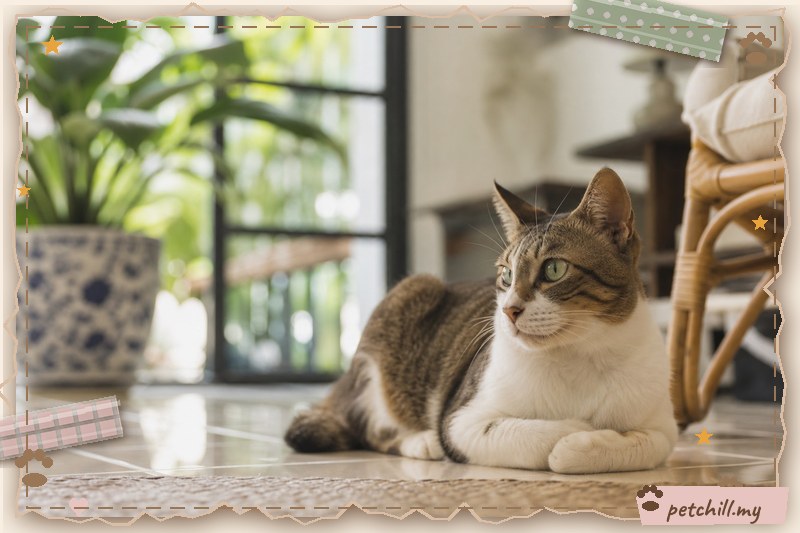
Reading your cat's body language
Consent is everything in cat massage. A cat that wants touch will lean in, slow-blink, purr, knead, or stretch. A cat that does not will stiffen, flick its tail, flatten its ears, turn its head toward your hand, or try to leave. Some cats give a quick warning nip before they swat. Learn your cat's early signals and stop at the first one.
Pay attention to the skin along the back. If it ripples or twitches when you touch a certain spot, that area is sensitive. Move away and try again another day. Never hold a cat down to finish a massage. If your cat walks away, the session is over.
Body zones: where to go and where to avoid
Not all areas are equal. Some are safe for most cats; others are off-limits unless your cat clearly invites it.
| Body zone | Generally safe? | Notes |
|---|---|---|
| Shoulders and upper back | Yes | Good starting area for most cats |
| Neck and ear base | Yes, gently | Watch for ear flattening |
| Chin and cheeks | Yes, gently | Avoid eyes and nose |
| Lower back | Often yes | Use light pressure, avoid the spine |
| Tail base | Sometimes | Test with one touch; stop if tail flicks |
| Belly | Usually no | Many cats defensive; skip unless invited |
| Paws and legs | Usually no | Cats often pull away; never force |
| Face and whiskers | No | Too sensitive for most cats |
| Throat | No | Never press on the throat |
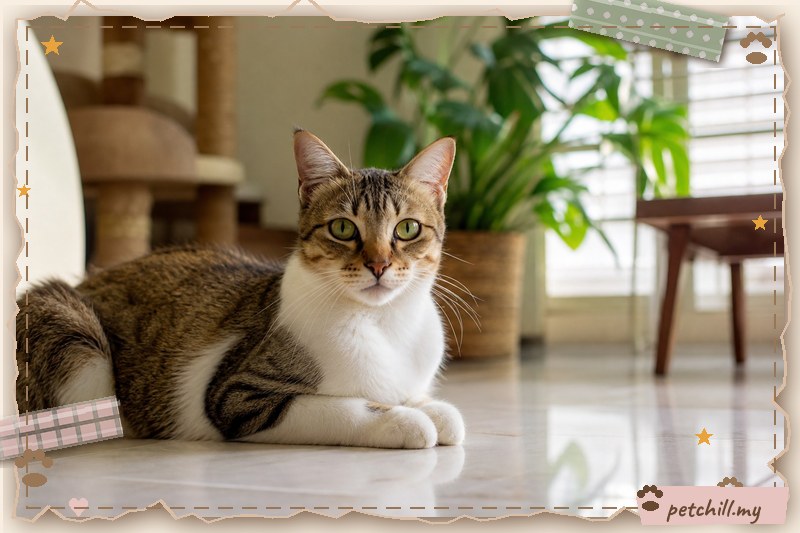
Massage for different ages and needs
Kittens usually do not need massage, but gentle handling helps them get used to touch. Keep sessions to under a minute and let the kitten lead. Senior cats may benefit from very light strokes, especially if they are stiff, but check with your vet first. Cats with arthritis may not want their joints handled; focus on the back and shoulders and avoid lifting limbs.
Pregnant cats, cats recovering from surgery, and cats with heart or kidney disease should only be massaged if your vet says it is safe. Never massage over a wound, rash, lump, or hot spot. If you find a lump or a sensitive area, note where it is and mention it at your next vet visit.
Common mistakes to avoid
- Pressing too hard. Light pressure is almost always better.
- Massaging a cat that is not in the mood. Wait for a calm moment.
- Going too long. Short sessions are more effective than long ones.
- Using human oils or creams. Many are toxic to cats.
- Forcing a cat to stay. Let it leave.
- Ignoring early warning signs. A flicking tail is a stop sign.
- Massaging over a lump or sore spot. Get it checked instead.
When to see a vet
Stop massage and contact a veterinarian if your cat shows any of these signs:
- Cries out, flinches, or guards a specific area when touched.
- Has a new lump, swelling, or hot spot.
- Limps, drags a limb, or seems stiff after resting.
- Refuses food, hides, or seems unusually tired.
- Has a wound, rash, or skin infection.
- Shows sudden aggression when touched in a certain spot.
- Is pregnant, recovering from surgery, or has a known medical condition.
Massage is not a treatment for pain, arthritis, or illness. If you are unsure whether massage is safe for your cat, ask your vet first. In Malaysia, your regular small-animal vet can advise on gentle handling for senior or unwell cats.
Building a routine that works for Malaysian homes
In a Kuala Lumpur apartment, space is limited, so choose a quiet corner away from the door and lift traffic. A low cat bed or a folded blanket on the floor works well. In a Johor terrace house, the car porch or a shaded room away from the afternoon heat is a better spot than a hot upstairs room. During the rainy season, cats may be more restless, so keep sessions short and calm.
Try to massage at the same time each day, perhaps after the evening meal. Keep a simple note of what your cat enjoys and what it avoids. Over time, you will learn its preferences. Some cats love the ear base; others prefer long, slow strokes along the back. There is no single correct routine.
A simple daily-care checklist
- Wash hands and remove jewellery.
- Pick a quiet, familiar spot.
- Let your cat sniff your hand first.
- Start with flat-hand sweeps.
- Use light fingertip circles on the back and shoulders.
- Watch the tail, ears, and skin for stop signals.
- Keep it to 3–5 minutes.
- End while your cat is still relaxed.
- Note any lumps, sore spots, or changes.
- Ask your vet about any concerns.
Final thoughts
Cat massage is a simple, low-cost way to connect with your cat and check its body for changes. The key is consent, light pressure, and short sessions. You do not need special tools or oils — just clean hands and a calm moment. If your cat walks away, that is fine. Try again another day. Over time, many cats come to see massage as a pleasant part of the daily routine.
This article is for general information only and is not a substitute for veterinary advice. If your cat is unwell, in pain, pregnant, recovering from surgery, or has a medical condition, consult a licensed veterinarian before starting massage.
Related reading
- Daily Care Guide Malaysia: A Practical Routine for Dogs and Cats
- Ear Cleaning Cat Tips Malaysia: Safe At-Home Routine for Malaysian Owners
- Ear Cleaning for Cats Step by Step: A Safe, Vet-Approved Guide for Malaysian Owners
- Grooming Senior Cats: Practical Cat Tips for Malaysia
- How to Clean a Cat's Ears Safely: A Step-by-Step Guide for Malaysian Owners
- How to Groom Senior Cats: A Gentle Daily-Care Guide for Malaysian Owners
- How to Monsoon-Care a Cat in Malaysia: A Practical Daily-Care Guide
- How to Paw Care a Cat: A Complete Guide for Malaysian Owners
- Monsoon Care for Cats Step by Step: A Practical Wet-Season Guide for Malaysian Homes
- Monsoon Season Tips for Cat Owners in Malaysia: A Practical Wet-Weather Care Guide
- Best Cat Tree for Cats in Malaysia: A Practical Buying Guide



