
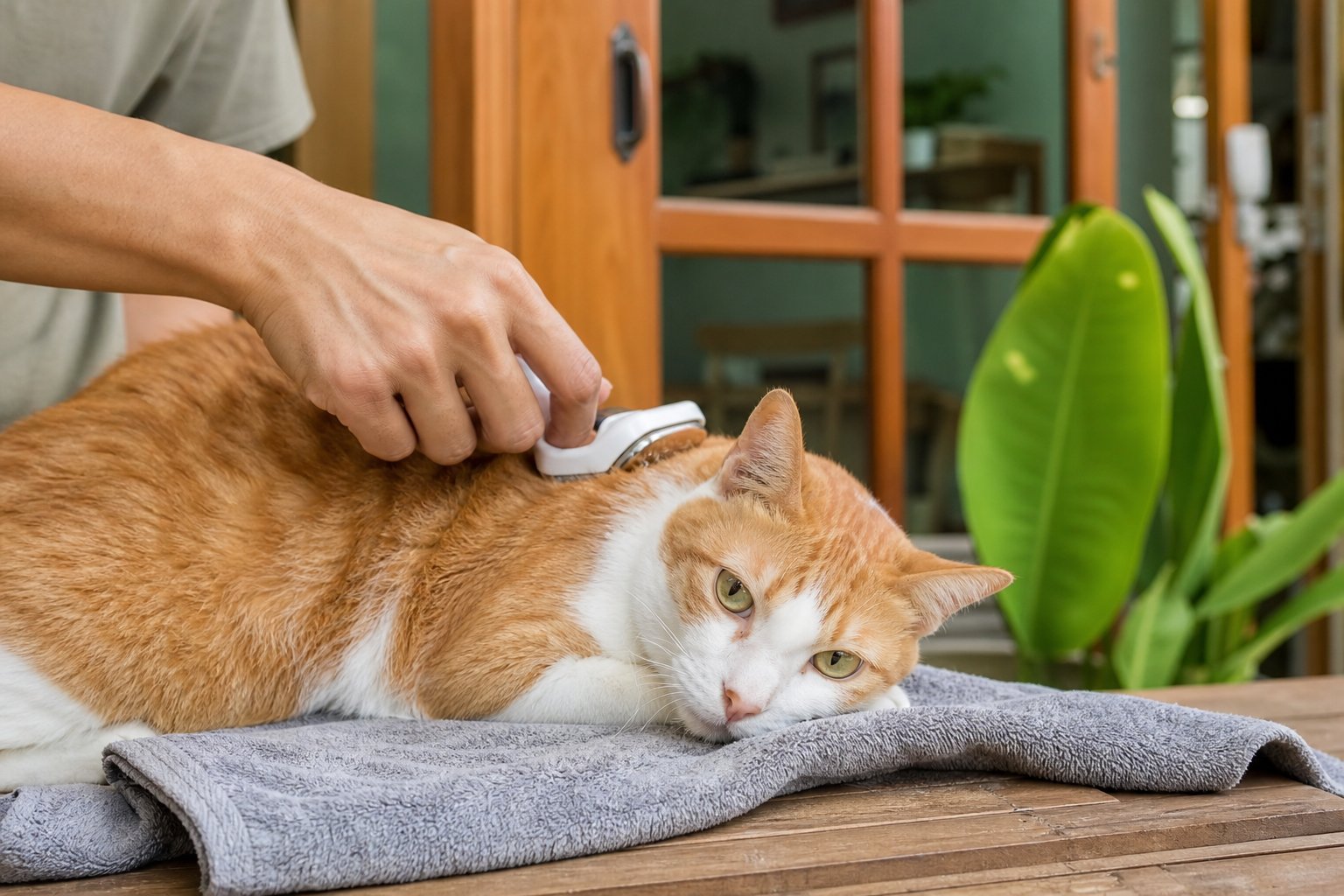
Why matted fur matters
Matted fur is not just an untidy coat. A mat is a dense knot of dead hair, live hair, oils, dirt and sometimes moisture pressed tightly against the skin. It pulls constantly, restricts the skin's ability to breathe, and creates a warm, damp pocket where bacteria and parasites thrive. Cats with severe matting can become reluctant to move, stop grooming, and develop skin infections underneath the knots.
In Malaysia's humid climate, mats can worsen quickly. A small tangle behind the ear or under the belly can tighten within days, especially in long-haired breeds, senior cats, and cats carrying extra weight. The good news is that most matting is preventable and treatable with the right tools and a calm, step-by-step approach.
This guide covers why mats form, how to check your cat, how to remove mats safely at home, when to stop and call a professional, and how to build a grooming routine that works for Malaysian homes.
What causes matting in cats
Matting happens when loose dead hair stays trapped in the coat instead of being removed by grooming. Several factors make this more likely:
- Coat type. Long-haired and semi-long-haired cats — including Persians, Maine Coons, Ragdolls and domestic longhairs — mat more easily than short-haired cats.
- Age and mobility. Senior cats, overweight cats and cats with arthritis often cannot reach their back, belly or tail base. Those areas mat first.
- Dental pain. A cat with sore gums or a broken tooth may stop grooming because grooming hurts.
- Illness. Thyroid disease, kidney disease, skin allergies and parasites can all change coat quality or reduce grooming.
- Environment. High humidity, damp bedding and infrequent brushing all contribute. Cats that go outdoors may pick up burrs, seeds and dirt that start tangles.
- Stress or behaviour. Some cats dislike being brushed, so owners avoid it. The coat then builds up dead hair until mats form.
- Improper bathing or drying. A cat that gets wet and is not dried properly can develop tight mats as the coat clumps.
Understanding the cause matters because removing a mat without fixing the reason usually means the mat returns.
How to check your cat for mats
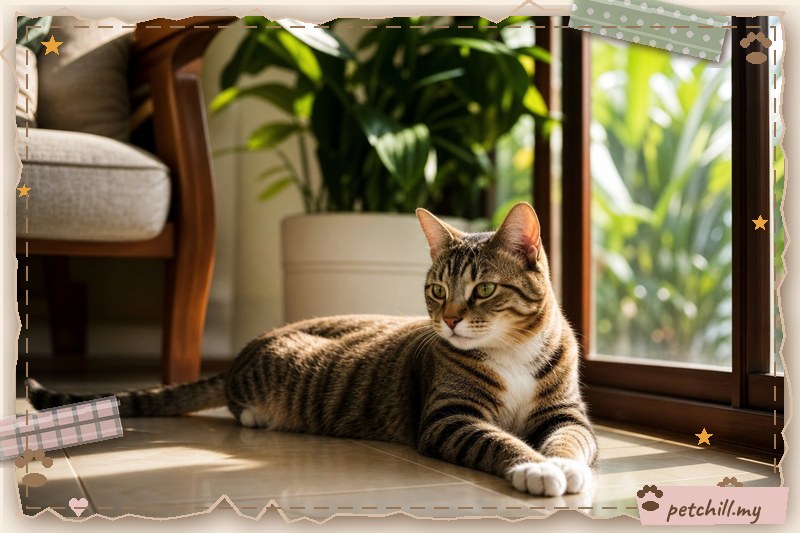
Do a hands-on check at least once a week. Run your fingers through the coat, then use a comb. Pay special attention to:
- Behind the ears and at the neck
- Under the chin
- The armpits and between the front legs
- The belly and groin
- The tail base and the back of the hind legs
- Anywhere a harness or collar sits
A small tangle feels like a pea-sized knot. A tight mat feels hard and does not move freely from the skin. If you can slide a comb between the mat and the skin, it is usually safe to work on at home. If the mat is stuck directly to the skin, do not pull it.
Also check the skin under and around the mat. Part the fur gently and look for redness, crusting, discharge, fleas, cuts or a bad smell. If you see any of these, stop and book a vet visit.
Tools that actually work
| Tool | Best for | Notes |
|---|---|---|
| Wide-tooth metal comb | Checking the coat, loosening small tangles | Start here before any brushing |
| Slicker brush | Daily maintenance on most coats | Use gentle strokes; avoid scraping skin |
| Undercoat rake | Double coats and heavy shedding | Do not use on tight mats |
| Mat splitter | Small to medium mats | Splits a mat so it can be combed out |
| Dematting comb | Loose mats after splitting | Work slowly from the tip inward |
| Pet clippers | Tight or large mats | Only with pet-safe blades and experience |
| Grooming scissors | Never near skin | High injury risk; avoid |
Avoid human hair clippers, kitchen scissors and any tool with sharp exposed points. Cat skin is thin and tears easily. If you are unsure, a professional groomer or vet is the safer choice.
Step-by-step: removing a mat safely at home
Only attempt home removal if your cat is calm, the mat is loose, and the skin underneath looks healthy.
Step 1: Set up a calm space. Choose a quiet room with good light. Place a non-slip towel on a table or your lap. Have treats nearby. If your cat struggles or panics, stop and try later or get help.
Step 2: Check the mat. Gently part the fur around it. Confirm the skin is intact and the mat is not stuck directly to the skin.
Step 3: Split, don't pull. Use a mat splitter to break the mat into smaller sections. Never yank a comb through a tight knot — this hurts the cat and can tear skin.
Step 4: Work from the tip inward. Hold the mat between your fingers, close to the skin, to protect the skin. Comb small sections from the outer edge toward the base.
Step 5: Use small amounts of detangler if needed. A pet-safe detangling spray or a tiny amount of cornstarch can reduce friction. Avoid human products with strong fragrance or alcohol.
Step 6: Stop if the mat will not budge. A mat that is hard, tight and close to the skin should be shaved off by a professional. Do not keep pulling.
Step 7: Reward and rest. Give treats and a break. Grooming in short sessions is far better than a long battle.
When shaving is the better option
Shaving is often kinder than hours of combing, especially for tight mats, sensitive areas, or cats that find grooming stressful. A vet or professional groomer can shave close to the skin safely and check for wounds underneath.
Do not shave your cat completely unless there is a medical or welfare reason. A full shave removes insulation and sun protection. A "lion cut" or partial shave may be appropriate for severe matting, but discuss it with your vet or groomer first. In Malaysia's heat, a shaved cat can also be at risk of sunburn and insect bites, so keep shaved cats indoors and away from direct sun.
Preventing mats: a routine that works
Prevention is easier than removal. Build a short, regular routine:
- Brush little and often. Two to five minutes daily is better than one long weekly session.
- Use the right tool for the coat. A slicker brush for maintenance, a metal comb to check, and an undercoat rake during shedding.
- Target problem areas. Armpits, belly, behind ears and tail base need extra attention.
- Brush after outdoor time. Check for burrs, seeds and dirt.
- Keep bedding dry. In humid weather, wash and dry bedding regularly.
- Manage weight. Overweight cats cannot reach their backs and bottoms. Ask your vet about a healthy weight plan.
- Check teeth and mobility. If your cat has stopped grooming, look for dental pain or arthritis.
- Start young. Get kittens used to gentle brushing and handling.
For cats that hate brushing, try a soft grooming glove first, then progress to a comb. Pair grooming with treats and keep sessions very short.
When to see a vet
See a vet if you notice any of the following:
- Skin under a mat is red, broken, bleeding, oozing or smells bad
- Your cat cries, flinches or bites when the mat is touched
- Matting appeared suddenly or is spreading quickly
- Your cat is not eating, is lethargic, or has stopped grooming entirely
- You see fleas, ticks, crusts, bald patches or a rash
- Your cat is senior, overweight, or has a known health condition
- You cannot safely remove the mat at home
A vet can sedate a painful or stressed cat, shave safely, treat skin infections, and check for underlying disease. Do not delay if the skin looks damaged.
Local considerations for Malaysian cat owners
Malaysia's warm, humid weather means coats can stay damp after rain or after a cat lies on a cool floor. In a Kuala Lumpur apartment, a long-haired cat that spends time on a balcony can pick up dust and humidity-related tangles, so a quick daily comb and a dry sleeping area help. In a Johor terrace house, cats that go into the garden may bring in seeds and burrs, which should be checked and removed after every outing. During the Penang rainy season, keep towels and bedding dry and dry your cat thoroughly if it gets wet.
Local prices for grooming, clippers and vet care vary, so ask your own vet or groomer for a quote rather than relying on general figures.
A simple weekly checklist
- Comb through the whole coat, including belly and armpits
- Check behind ears and at the tail base
- Look at the skin for redness, parasites or wounds
- Remove burrs and debris after outdoor time
- Wash and dry bedding
- Weigh your cat or check body condition
- Book a vet check if grooming behaviour has changed
Final thoughts
Matted fur is a welfare issue, not a cosmetic one. Most cases can be prevented with regular, gentle grooming and attention to your cat's health. When a mat is tight, painful or widespread, professional help is the safest and kindest option. Never use scissors near the skin, and always check the skin underneath before you start.
This article is general information only and is not a substitute for veterinary advice. If your cat has painful, damaged or infected skin under a mat, or if you are unsure, consult a licensed veterinarian.
Related reading
- Daily Care Guide Malaysia: A Practical Routine for Dogs and Cats
- Cat Fur Matting: Causes, Fixes and Daily Grooming Tips for Malaysian Cats
- Cat Fur Matting: A Step-by-Step Guide for Malaysian Cat Owners
- Best Cat Carrier for Cats in Malaysia: A Practical Buying Guide
- Cat Odour Control: Practical Cat Tips for Malaysian Homes
- Cat Sitter for Cat Owners in Malaysia: A Practical Guide
- Cat Sitter Tips for Cat Owners in Malaysia: A Complete Guide
- Cat Sunscreen for Cats: Step-by-Step Guide for Malaysian Pet Parents
- Ear Cleaning Cat Tips Malaysia: Safe At-Home Routine for Malaysian Owners
- Ear Cleaning for Cats Step by Step: A Safe, Vet-Approved Guide for Malaysian Owners
- Grooming Senior Cats: Practical Cat Tips for Malaysia
- Grooming Senior Cats Step by Step: A Gentle Daily Routine for Older Cats



