
Quick answer
Monsoon care for a cat means keeping them dry, warm, and parasite-protected: dry damp fur and paws, keep bedding and litter dry, groom regularly, control fleas and ticks, provide indoor enrichment, and watch for signs of illness like sneezing or scratching. Adjust routines for rain and see a vet if symptoms appear.
Why monsoon care matters for cats in Malaysia
Malaysia's rainy season can last for weeks, bringing high humidity, damp floors, and fewer dry outdoor hours. Cats are creatures of routine, and sudden changes—like being kept indoors more, or stepping onto wet tiles—can cause stress. Dampness also creates ideal conditions for skin irritation, parasite activity, and respiratory flare-ups. Daily care during this period is less about grand gestures and more about small, consistent habits: drying paws, airing bedding, and keeping the litter box dry. This guide walks through practical steps you can take at home, with checklists and a comparison table to help you plan.
Keep your cat dry (and warm) without overdoing it
Towel-dry after every outing
If your cat goes outside—even to a balcony or corridor—check their fur and paws when they come back. Use a clean, dry towel to blot moisture from the belly, legs, and paws. Pay attention to the spaces between toes, where dampness can linger. For long-haired cats, a quick comb-through after drying helps prevent matting.
Set up a drying station
Keep a towel, a small mat, and a pet-safe wipe near the door. This makes it easy to dry your cat before they walk through the house. A microfibre towel works well because it absorbs water quickly. Avoid using a hairdryer unless your cat is comfortable with it; the noise and heat can cause stress or burns. If you do use one, keep it on the cool setting and move it constantly.
Provide warm, draught-free spots
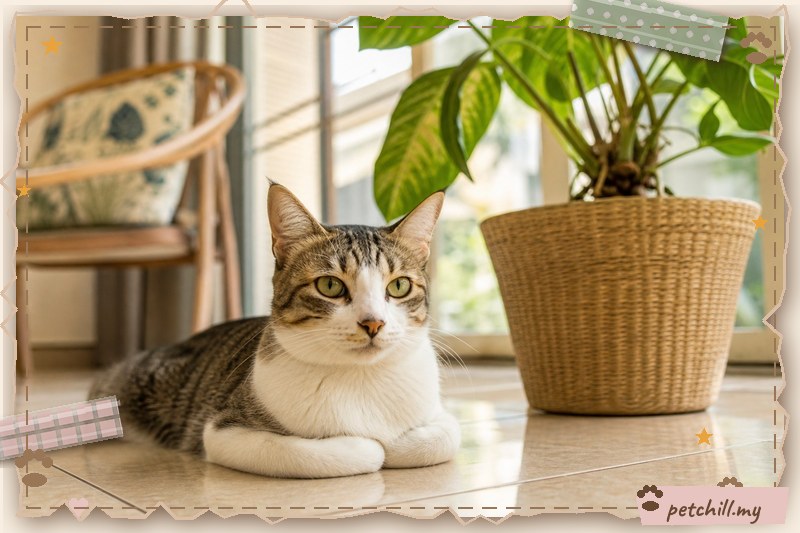
Cats love warmth, but they also need to escape it. Offer a few options: a covered bed in a quiet corner, a cardboard box with a blanket, or a window perch that gets morning sun. Avoid placing beds directly on cold tile floors; a raised bed or a thick mat helps. If your home is air-conditioned, keep the temperature moderate and ensure your cat can move to a warmer room if needed.
Don't overdress or overheat
Unless your vet advises otherwise, cats generally do not need sweaters. Overheating can be more dangerous than mild coolness. Focus on dry bedding and draught-free spaces rather than clothing.
Paw and coat care in wet weather
Check paws daily
Wet paws can become soft and more prone to irritation. After drying, inspect the paw pads and between the toes for redness, cracks, or debris. If your cat walks on wet ground outdoors, rinse paws with plain water and dry thoroughly. Avoid letting them lick off mud; use a damp cloth instead.
Grooming routine
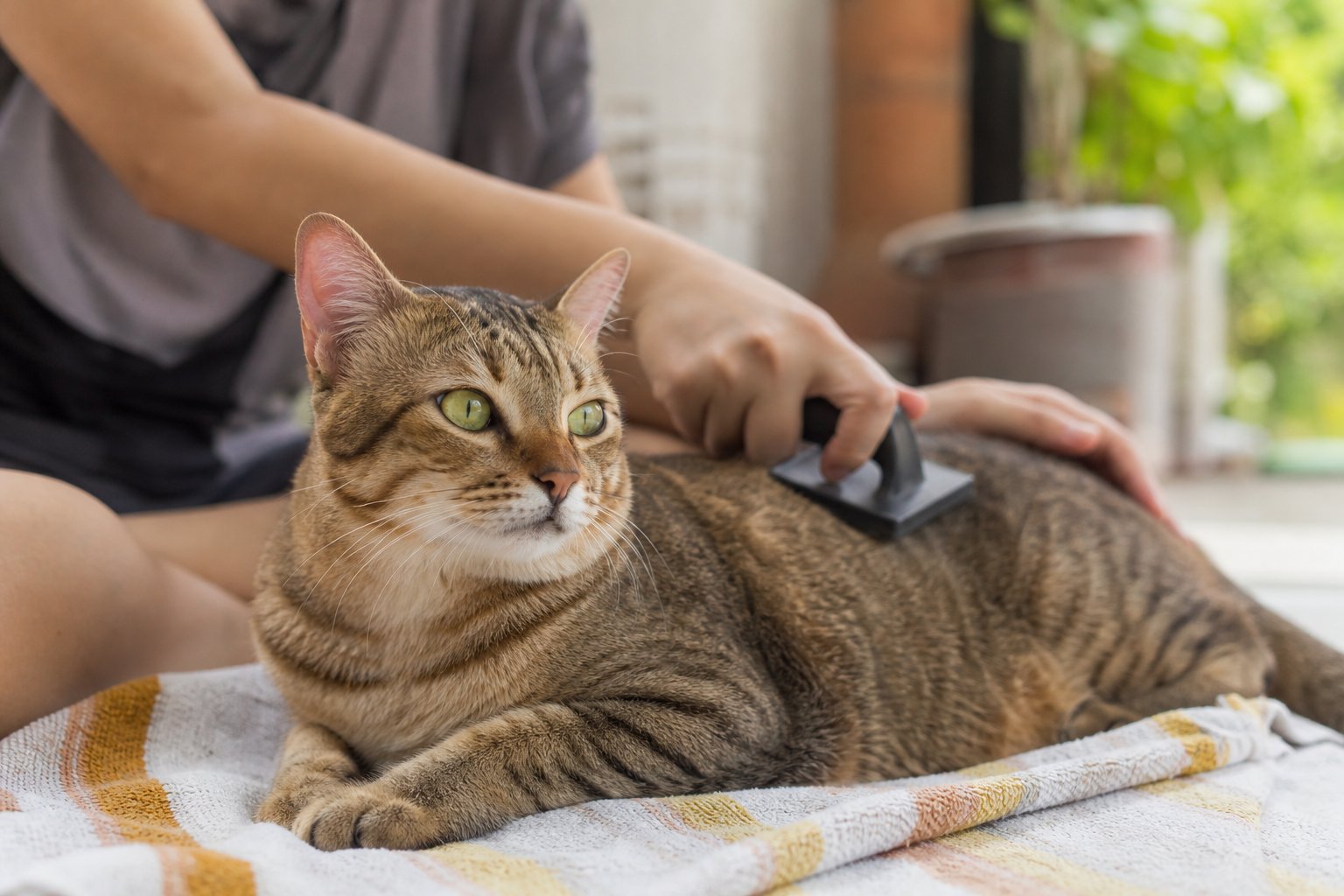
Brush your cat at least every other day during the monsoon. Grooming removes loose fur, distributes natural oils, and helps you spot skin problems early. For long-haired cats, daily brushing prevents mats, which can trap moisture and cause skin infections. Use a comb suited to your cat's coat type and be gentle around tangles.
Bathing: less is more
Cats generally do not need frequent baths. Over-bathing can strip natural oils and dry the skin. If your cat gets muddy or has a skin condition, use a vet-recommended pet shampoo and dry thoroughly afterwards. Never use human shampoo, which can irritate a cat's skin.
Ear and eye checks
Damp weather can exacerbate ear problems, especially in cats with folded ears or allergies. Check ears weekly for redness, discharge, or odour. Wipe the outer ear with a pet-safe cleaner if needed, but never insert anything into the ear canal. Eyes should be clear; discharge or squinting warrants a vet visit.
Parasite control: fleas, ticks, and mosquitoes
Why monsoon increases parasite risk
Fleas and ticks thrive in warm, humid conditions. Mosquitoes breed in standing water, and they can transmit heartworm to cats. Even indoor cats are at risk if parasites hitch a ride on clothing or other pets. Consistent prevention is key.
Use vet-approved preventives
Ask your vet which flea, tick, and heartworm preventive suits your cat. Products vary in formulation and frequency. Never use dog products on cats; some ingredients are toxic to cats. Set a reminder on your phone so you do not miss a dose, especially when routines change.
Reduce standing water
Empty plant saucers, buckets, and any containers that collect rainwater. If you have a garden, check for clogged drains. Mosquito nets on windows and doors help keep insects out while allowing ventilation.
Check for hitchhikers
After outdoor time, run your hands over your cat's coat, especially around the neck, ears, and tail base. Remove ticks promptly with a tick remover or tweezers, and clean the area. If you find fleas, treat the cat and the environment (bedding, carpets) according to your vet's advice.
Litter box and indoor hygiene
Keep the box dry
Humidity can make litter clump poorly and odour linger. Scoop at least twice daily and top up with fresh litter. If the litter feels damp, replace it entirely. Choose a litter that clumps well and controls odour; some plant-based litters are more moisture-sensitive, so monitor.
Location matters
Place the litter box in a dry, well-ventilated area away from damp walls or leaking ceilings. Avoid bathrooms with poor ventilation. If you use a covered box, check inside for condensation and clean regularly.
Clean and dry thoroughly
Wash the box weekly with mild, pet-safe soap and water, then dry completely before refilling. Damp residue can encourage mould and bacteria. Have a spare box so you can rotate while one dries.
Manage indoor humidity
If your home feels damp, use a dehumidifier or air conditioner on dry mode. Keep windows open when weather permits to improve airflow. Wipe down condensation on windows and walls to prevent mould growth, which can affect both pets and people.
Indoor enrichment when outdoor time is limited
Why enrichment matters
Rainy days mean fewer outdoor explorations, which can lead to boredom, weight gain, and stress. Cats need mental and physical stimulation to stay healthy. A bored cat may over-groom, scratch furniture, or become withdrawn.
Rotate toys
Keep a stash of toys and rotate them every few days to keep novelty high. Wand toys, puzzle feeders, and crinkle balls are good options. Interactive play sessions of 10–15 minutes, twice daily, help burn energy and strengthen your bond.
Create vertical space
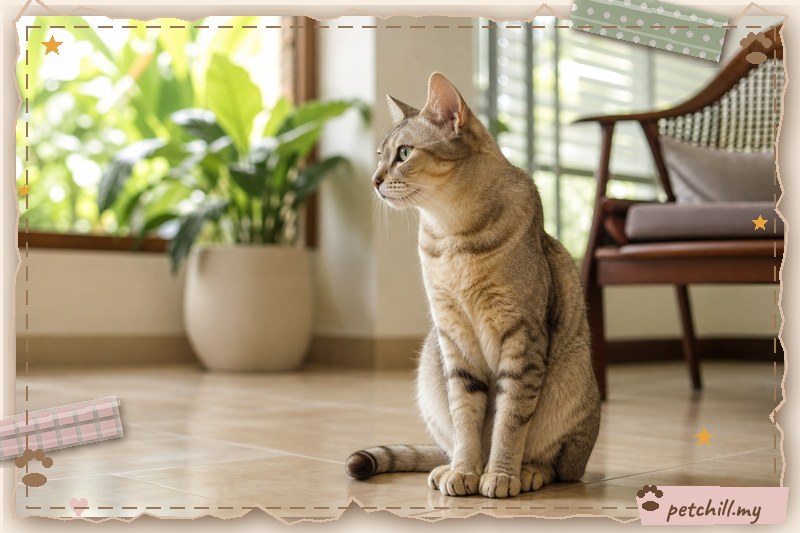
Cats feel safer when they can climb and observe. Cat trees, shelves, or window perches give them vertical territory. Place a perch near a window so they can watch the rain and birds—this is enriching in itself.
Food puzzles and scent games
Hide treats in puzzle feeders or around the house for your cat to find. Scent games tap into natural foraging behaviour. Start easy and increase difficulty as your cat learns.
Training and bonding
Short training sessions using positive reinforcement can be fun and mentally tiring. Teach simple cues like sit or touch. Avoid punishment; reward desired behaviour with treats or praise.
Food, water, and storage in humid weather
Store food properly
Moisture can spoil dry food quickly. Keep kibble in an airtight container in a cool, dry place. Do not store food near the stove or in damp cupboards. Check expiry dates and smell the food before serving; discard if it smells off or looks clumped.
Monitor water intake
Cats often drink less, which can lead to urinary issues. Encourage drinking with a water fountain or multiple water bowls placed away from food. Change water daily and clean bowls regularly to prevent biofilm.
Watch weight and activity
If your cat is less active indoors, adjust portion sizes to prevent weight gain. Use a kitchen scale to measure food accurately. Consult your vet before changing diet significantly.
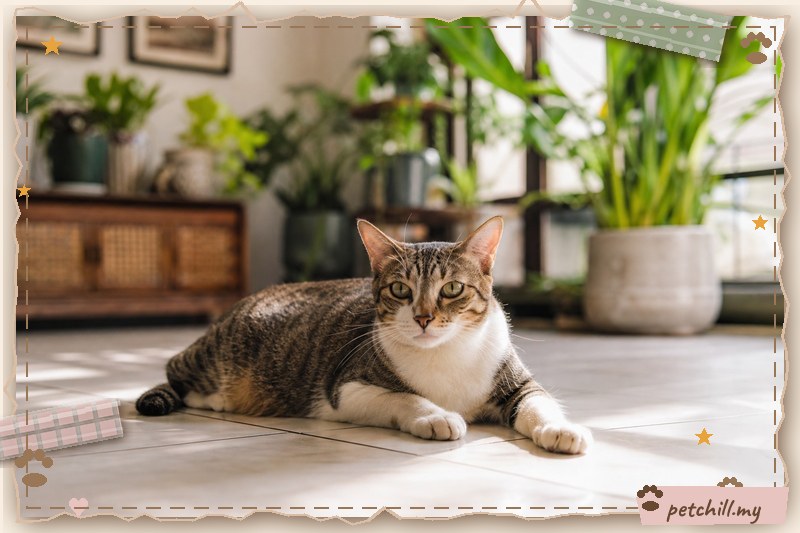
Health checks: what to watch for during the monsoon
Daily once-over
A quick daily check helps you catch problems early. Look for:
- Sneezing, coughing, or nasal discharge
- Squinting, eye discharge, or redness
- Scratching, hair loss, or red skin
- Changes in appetite or water intake
- Lethargy or hiding more than usual
- Diarrhoea or vomiting
- Difficulty urinating (especially male cats—this is an emergency)
Respiratory issues
Damp, cold air can trigger flare-ups in cats with asthma or chronic respiratory disease. Keep your cat warm and dry, avoid smoking indoors, and use dust-free litter. If your cat coughs or breathes with effort, see a vet.
Skin problems
Persistent dampness can cause bacterial or fungal skin infections, especially in skin folds or under mats. Dry thoroughly after wetting, groom regularly, and check for redness, odour, or hair loss. Do not use human creams unless advised by a vet.
Arthritis and mobility
Cold, damp weather can make arthritis symptoms more noticeable in older cats. Provide soft bedding, ramps to favourite spots, and keep pathways clear. If your cat seems stiff or reluctant to move, consult your vet about pain management.
Comparison table: monsoon care checklist
| Area | Daily | Weekly | Monthly | Notes |
|---|---|---|---|---|
| Drying | Towel-dry after outings | Check paws and ears | – | Pay attention to between toes |
| Grooming | Quick brush (long-haired) | Full brush-out | Bath only if needed | Use pet-safe products |
| Litter box | Scoop twice | Wash and dry | Replace litter entirely | Keep box dry and ventilated |
| Parasite control | Check for ticks after outings | – | Apply preventive as scheduled | Vet-approved products only |
| Enrichment | 2 play sessions | Rotate toys | New puzzle challenge | Vertical space helps |
| Food storage | Check water bowls | Inspect food container | Clean container | Airtight, cool, dry |
| Health check | Quick once-over | Ear and eye check | Weight check | Note any changes |
When to see a vet
Contact your vet if your cat shows any of the following:
- Persistent sneezing, coughing, or difficulty breathing
- Eye or nasal discharge that does not improve
- Scratching that leads to hair loss, redness, or open sores
- Vomiting or diarrhoea lasting more than 24 hours
- Refusing food or water for more than 24 hours
- Straining to urinate or crying in the litter box (emergency)
- Shivering that continues after drying and warming
- Limping or reluctance to move
- Any sudden change in behaviour or appetite
Do not wait if symptoms are severe or worsening. Early veterinary care can prevent complications.
Local examples
- In a Kuala Lumpur apartment, a cat may have limited outdoor access, so monsoon care focuses on indoor humidity control, litter box dryness, and enrichment. Use a dehumidifier in the room where the litter box sits, and set up a window perch so the cat can watch the rain safely.
- In a Johor terrace house, cats may roam a small garden. After rain, check paws for mud and dry them thoroughly. Empty plant saucers and buckets to reduce mosquito breeding, and keep a towel by the back door for quick drying.
Local history
Many Malaysian households have long kept cats as companions, and traditional advice often emphasises keeping cats indoors during heavy rain to prevent them from getting chilled or lost. While specific historical records are limited, the practice of providing shelter and dry bedding during the monsoon is a common-sense tradition that aligns with modern veterinary advice.
Vet disclaimer
This article provides general information and is not a substitute for professional veterinary advice. Always consult a licensed veterinarian for diagnosis and treatment of your cat's health conditions. Product recommendations are examples only; your vet can advise on suitable options for your cat.
Related reading
- Daily Care Guide Malaysia: A Practical Routine for Dogs and Cats
- Best Cat Tree for Cats in Malaysia: A Practical Buying Guide
- Ear Cleaning Cat Tips Malaysia: Safe At-Home Routine for Malaysian Owners
- Ear Cleaning for Cats Step by Step: A Safe, Vet-Approved Guide for Malaysian Owners
- Haze Season for Cat Owners in Malaysia: A Practical Indoor Air Guide
- Haze Season Tips for Cat Owners in Malaysia: A Practical Indoor Air Guide
- How to Cat Massage a Cat: A Gentle, Step-by-Step Guide for Malaysian Owners
- How to Clean a Cat's Ears Safely: A Step-by-Step Guide for Malaysian Owners
- How to Paw Care a Cat: A Complete Guide for Malaysian Owners
- Monsoon Care for Cats Step by Step: A Practical Wet-Season Guide for Malaysian Homes
- Monsoon Season for Cat Owners in Malaysia: A Practical Wet-Weather Care Guide



