
The short answer
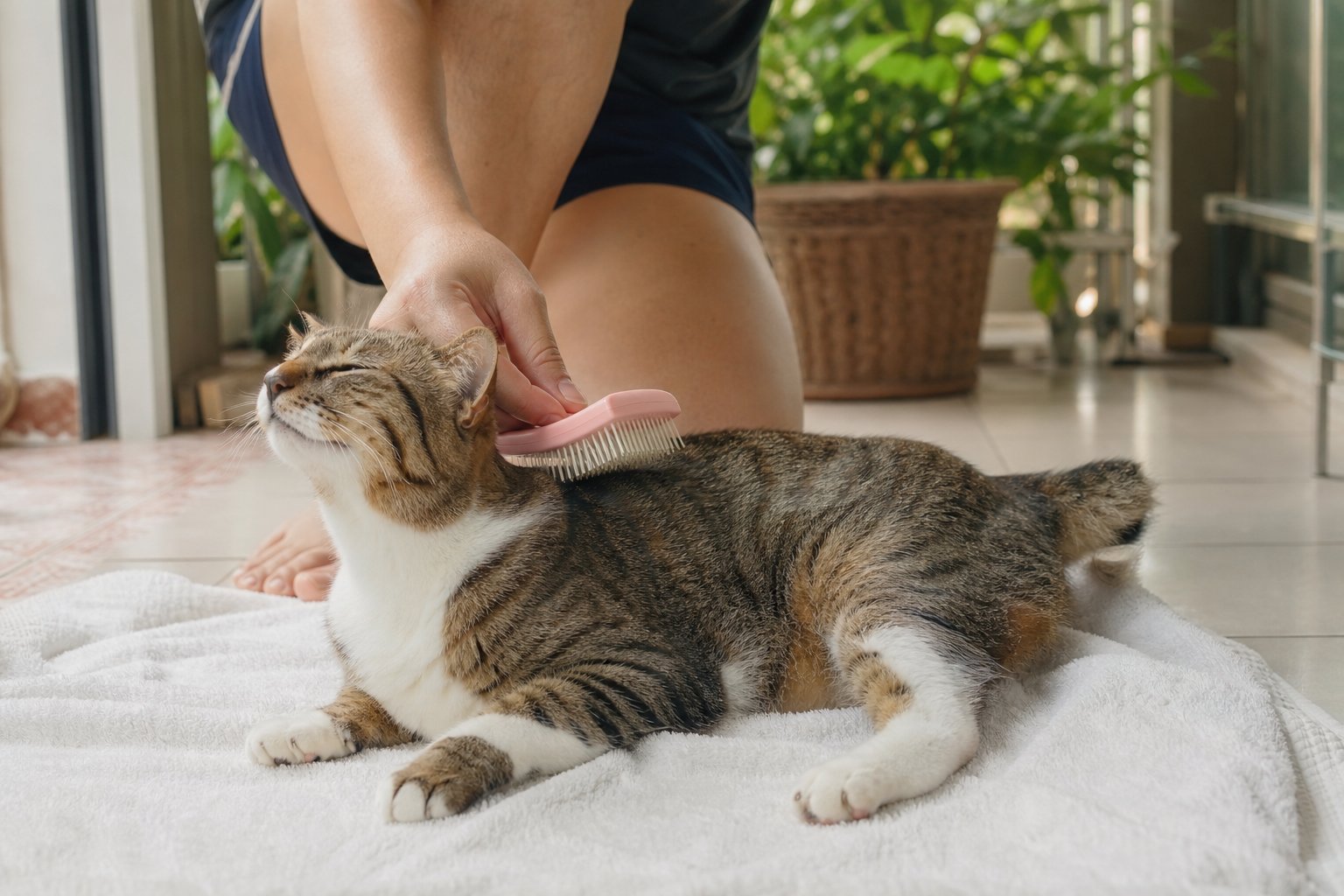
Cat grass is a pet-safe cereal grass — usually wheat, oat, barley or rye — grown in a small pot for cats to chew. For indoor cats it does three useful jobs: it adds a little indigestible fibre, it gives a bored cat something legal to nibble, and it can help fur move through the gut during shedding season. It is not a medicine, not a meal replacement, and not a cure for vomiting. Think of it as a cheap, low-risk enrichment tool that most cats enjoy.
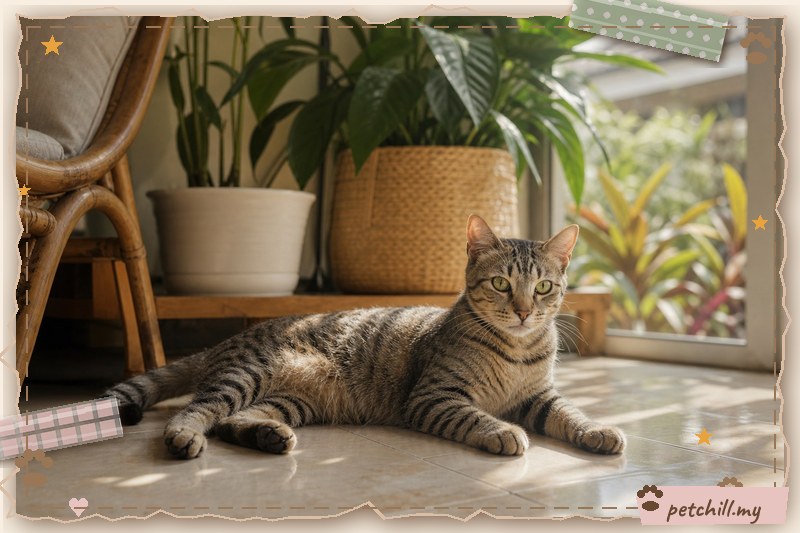
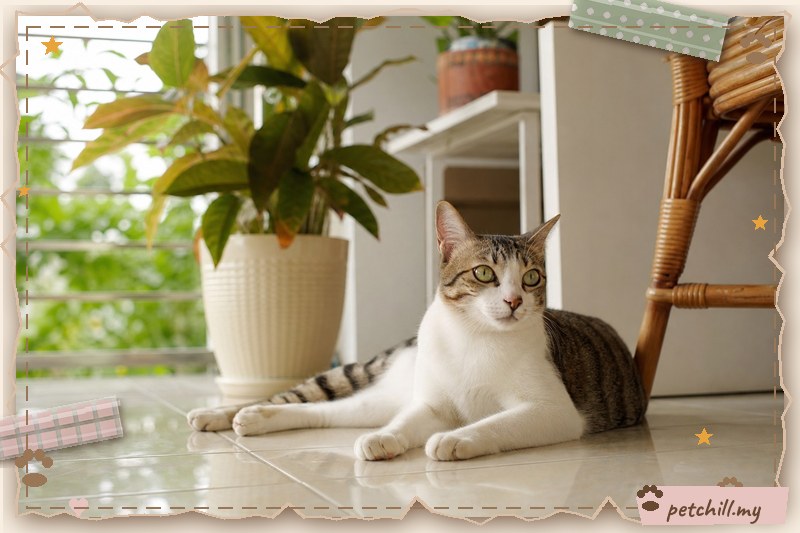
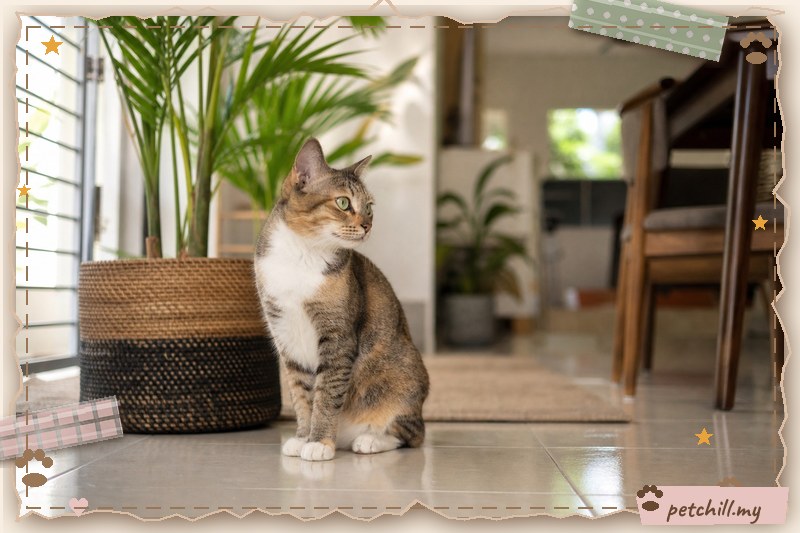
Malaysian homes are often air-conditioned, tiled and sealed, which means indoor cats get very little plant contact. A pot of cat grass on a windowsill is one of the simplest ways to add a natural behaviour back into their day.
What cat grass actually is (and what it is not)
Cat grass is not one specific plant. The name covers several fast-growing cereal grasses sold as seed:
| Type | Growth speed | Notes for Malaysian homes |
|---|---|---|
| Wheat grass | Fast (7–10 days) | Most common; cheap seed; can go slimy if overwatered |
| Oat grass | Fast | Softer blades; often preferred by picky cats |
| Barley grass | Fast | Slightly tougher; good in a shallow tray |
| Rye grass | Medium | Hardier in warm weather; blades coarser |
| Dactylis (orchard grass) | Medium | Sometimes sold as "cat grass" in seed mixes |
What it is not:
- Not catnip. Catnip (Nepeta cataria) is a mint-family herb that triggers a behavioural response in roughly half of cats. Cat grass is eaten for fibre.
- Not a lawn substitute. Grass grown outdoors may carry pesticides, fertiliser, parasites from stray animals, or sharp seeds. Keep the pot indoors or on a covered balcony.
- Not a treatment. If your cat is vomiting, losing weight or straining, grass will not fix it. That needs a vet.
- Not all "grass" is safe. Some ornamental grasses and lawn grasses are fine, but many garden plants are toxic to cats. Never assume a green blade is safe.
Why indoor cats eat grass
There are several reasonable explanations, and more than one can apply to the same cat:
- Fibre and gut movement. Grass blades are largely indigestible. They add bulk that may help move swallowed fur and food through the digestive tract.
- Hairball support. During heavy shedding, cats swallow more fur. A little grass fibre may help that fur pass, or help a cat bring up a hairball.
- Chewing outlet. Indoor cats have limited things to chew. Grass redirects chewing away from cables, curtains and toxic houseplants.
- Moisture and freshness. Fresh blades contain water and appeal to cats that are curious about new textures.
- Boredom and stress. Nibbling is a natural foraging behaviour. A pot of grass gives a flat-bound cat a small daily project.
What grass does not do is "detox" a cat or replace a complete diet. Any commercial cat food labelled complete and balanced already meets nutritional needs. Grass is a supplement to enrichment, not nutrition.
Setting up cat grass in a Malaysian home
Heat and humidity change the method slightly compared with cooler climates. Mould, fungus gnats and sour soil are the main failure points.
What you need
- A shallow pot or tray with drainage holes (10–15 cm deep is plenty)
- Sterile potting mix, not garden soil
- Cat grass seed (wheat, oat, barley or a mix)
- A saucer to catch water
- A bright spot with indirect light — a balcony edge, a kitchen window, or under a grow light
Step-by-step
- Soak the seed for 6–8 hours or overnight to speed germination.
- Fill the pot to about 2 cm from the rim with moist (not soaked) potting mix.
- Scatter seed densely — a thick carpet is easier for cats to nibble than sparse blades.
- Cover lightly with 5 mm of mix and mist the surface.
- Keep it warm and bright. Germination usually takes 3–7 days in Malaysian temperatures.
- Water sparingly. Mist daily rather than pouring. Soggy soil in humid weather grows mould fast.
- Harvest at 8–12 cm. Offer the pot when blades are tall enough for your cat to bite comfortably.
- Replace every 2–3 weeks. Grass gets tough, yellow or mouldy; start a second pot before the first fades.
A rotation system that works
Keep two or three small pots at different stages: one ready to eat, one germinating, one resting. This avoids gaps and stops your cat from destroying a single pot in one session.
Common problems
| Problem | Likely cause | Fix |
|---|---|---|
| White fuzz on soil | Mould from overwatering or poor airflow | Water less, move to a breezier spot, discard affected pot |
| Tiny flying insects | Fungus gnats from wet organic mix | Let the surface dry between misting; use fresh mix |
| Yellow tips | Too much water or too little light | Reduce watering, move closer to light |
| Cat digs out soil | Boredom or the pot is too light | Use a heavier pot, add a layer of pebbles, offer a digging box |
| Cat ignores it | Grass too tall, tough or unfamiliar | Offer younger, softer blades; try oat grass |
How to offer cat grass safely
- Start small. Put the pot down for 10–15 minutes, then lift it away. This prevents overeating and keeps the pot intact.
- Supervise the first few sessions. Watch for excessive gulping, soil eating or vomiting.
- Trim long blades. Very long blades can be swallowed in a tangle; keep grass around 8–12 cm.
- Wash nothing you cannot rinse. If you mist the grass, use clean water. Do not use fertiliser, pesticide or leaf shine.
- Keep pots off the floor if you have dogs or toddlers who might raid them.
- Do not use grass from roadsides, parks or unknown garden centres unless you are certain it is untreated.
A simple weekly routine
| Day | Task |
|---|---|
| Day 1 | Soak seed, prepare fresh pot |
| Day 3–5 | Check germination, mist lightly |
| Day 8–10 | Move pot to cat area, offer 10 minutes |
| Day 12–14 | Trim, inspect for mould, start replacement pot |
| Day 18–21 | Retire old pot, compost the contents |
Cat grass versus other chewing options
Indoor cats need appropriate things to chew. Here is how cat grass compares with common alternatives:
| Option | Pros | Cons |
|---|---|---|
| Cat grass | Natural fibre, cheap, enriching, easy to grow | Messy soil, mould risk, some cats overeat |
| Catnip | Enrichment, play trigger for many cats | Not all cats respond; not a fibre source |
| Silvervine | Strong play response in many cats | Less widely available; short-lived effect |
| Dental chews | Helps mechanical cleaning of teeth | Calorie load; not all cats accept them |
| Cardboard and paper | Safe chewing and shredding | No fibre benefit; messy |
| Houseplants | Attractive to cats | Many are toxic; risky without identification |
Cat grass is not a substitute for dental care or a balanced diet, but it is one of the lowest-cost enrichment items you can add to an indoor cat's week.
Safety: what to watch for
Cat grass itself is non-toxic, but the way it is grown and offered can cause problems.
- Mould and mycotoxins. Damp soil in a humid home can grow mould. Discard any pot with fuzzy growth, a sour smell or black patches.
- Pesticides and fertilisers. Never use treated grass or soil. If you buy a ready-grown pot, ask the seller whether it was treated.
- Soil ingestion. Some cats eat soil along with grass. Use a clean mix and discourage digging.
- Overeating. A cat that gorges on grass may vomit soon after. That is usually harmless once, but repeated gorging is worth discussing with your vet.
- Blockage risk. Very long, fibrous blades swallowed in quantity can, in rare cases, cause gastrointestinal upset. Keep grass short and offer it in sessions.
- Toxic lookalikes. Do not let cats chew ornamental plants, lilies, dieffenbachia, pothos, oleander or sago palm. If you are unsure of a plant's identity, keep it out of reach.
When to see a vet
Cat grass is safe, but it is not a diagnostic tool. See a veterinarian if your cat:
- Vomits repeatedly, or vomits grass and then cannot keep water down
- Has a bloated or painful abdomen
- Strains to defecate, or has not passed stool for more than a day or two
- Loses weight, stops eating, or becomes lethargic
- Has blood in vomit or stool
- Chews constantly and seems driven to eat non-food items (soil, plastic, fabric) — this can signal pica or an underlying medical issue
- Is a kitten, senior or has a known chronic condition such as kidney disease or inflammatory bowel disease
A single hairball vomit after grass is common and usually not an emergency. Repeated vomiting, appetite loss or pain is not something to manage at home.
Practical Malaysian contexts
Kuala Lumpur apartment. A high-rise cat with no balcony access gets very little plant contact. A small wheat grass pot near a window gives a daily nibbling session and a reason to move between rooms. Keep it on a tray to protect tiled floors, and rotate pots so the cat does not strip one in a single sitting.
Penang rainy season. During the wet months, indoor humidity climbs and soil stays damp longer. Water less often, use a pot with generous drainage, and check the soil surface daily for fuzz or fungus gnats. A small fan or a breezy window helps more than extra watering.
Johor terrace house with a covered patio. A pot on a covered patio works well, but keep it off the ground if neighbourhood cats or dogs pass by. Outdoor pots can pick up parasites and stray seed, so bring the pot inside when your cat is not using it.
Frequently asked questions
Is cat grass safe for indoor cats? Yes. Cat grass grown from wheat, oat, barley or rye seed is non-toxic to cats. The main risks are mould from overwatering, pesticide residue on outdoor pots, and overeating causing mild vomiting. Use clean potting mix, fresh seed and a pot kept indoors.
How much cat grass should I give my cat? Offer a small pot or a few blades at a time, once a day or a few times a week. Most cats self-regulate and nibble briefly. Remove wilted or soiled grass, and do not let your cat graze freely on a large tray all day.
Does cat grass help with hairballs? It can help. Grass blades add indigestible fibre that may help move swallowed fur through the gut, and chewing can trigger a harmless vomit that brings up a hairball. It is supportive care, not a treatment for a cat that vomits often or seems unwell.
Can I use normal garden soil for cat grass? Use sterile potting mix rather than garden soil, which can carry parasites, mould and pesticide residue. In Malaysia, choose a light, well-draining mix and a pot with drainage holes so roots do not sit in water during the rainy season.
Why does my indoor cat eat my houseplants? Indoor cats often chew plants out of boredom, curiosity or a desire for fibre and moisture. Redirect that behaviour to cat grass, and remove toxic plants such as lilies, dieffenbachia and pothos from reach. Ask your vet if chewing becomes constant.
Is cat grass the same as catnip? No. Cat grass is a cereal grass eaten for fibre; catnip is a herb in the mint family that many cats react to by rolling, sniffing or becoming playful. They serve different purposes and can be offered separately.
Bottom line
Cat grass is a low-cost, low-risk enrichment tool for indoor cats. It gives cats a safe chewing outlet, adds a little fibre, and may help with hairball management during shedding. Grow it in clean potting mix, keep it short and fresh, offer it in short sessions, and watch for mould in Malaysia's humid weather. If your cat vomits repeatedly, stops eating or seems unwell, put the pot away and see a vet.
This article is general information for Malaysian cat owners and is not a substitute for veterinary advice. Always consult a licensed veterinarian about your cat's health, diet and any changes in behaviour.
Related reading
- Daily Care Guide Malaysia: A Practical Routine for Dogs and Cats
- Interactive Toys for Indoor Cats: A Practical Malaysian Guide
- Puzzle Feeder for Indoor Cats: A Complete Malaysian Guide
- Best Cat Grass for Cats in Malaysia: A Practical Buying & Growing Guide
- Best Catnip for Cats in Malaysia: A Practical Buyer's Guide
- Best Interactive Toys for Cats in Malaysia: A Practical Buying Guide
- Best Puzzle Feeder for Cats in Malaysia: A Practical Buying Guide
- Catnip for Indoor Cats: A Complete Malaysian Guide
- Harness Training for Cats Step by Step: A Safe, Calm Guide for Malaysian Homes
- How to Exercise a Cat: A Practical Daily Play Plan for Malaysian Homes
- How to Use Catnip for Cats: A Practical Malaysian Guide



