
Why a cat tree matters
A cat tree is more than a piece of furniture—it's a way to meet your cat's natural needs for climbing, scratching, perching and hiding. In a Malaysian home, where many of us live in apartments or terrace houses with limited outdoor access, a well-used cat tree can reduce boredom, stress and destructive behaviour. But simply buying one isn't enough; you need to know how to use a cat tree for cats so that it becomes a valued resource rather than an ignored obstacle.
This guide explains how to choose, place, introduce and maintain a cat tree, with practical tips for Malaysian living. We'll cover training, safety, cleaning and troubleshooting, so you can make the most of your investment and improve your cat's quality of life.
Choosing the right cat tree for your cat
Before you can use a cat tree effectively, you need one that suits your cat. Consider these factors:
- Size and age: Kittens and senior cats need low platforms and easy access. Active adults benefit from tall trees with multiple levels. Large breeds need sturdy, wide platforms.
- Stability: A wobbly tree will scare cats away. Look for a heavy base and solid construction. If you already have a tree, reinforce it.
- Materials: Sisal rope is ideal for scratching posts. Carpet is common but can be hard to clean. Removable, washable covers are a bonus.
- Space: Measure your room. A floor-to-ceiling tree saves floor space but needs a secure fit. Corner trees fit snugly.
- Features: Look for perches, hidey holes, ramps and dangling toys. Multiple cats need multiple resting spots.
In Malaysia, humidity can affect materials. Choose materials that resist mould, and avoid trees with strong chemical odours. If you buy online, check reviews for stability and ease of cleaning.
Comparison table: cat tree types
| Type | Best for | Pros | Cons |
|---|---|---|---|
| Floor-to-ceiling | Small apartments, active cats | Saves floor space, tall climbing | Needs secure fit, can be tricky to install |
| Corner tree | Rooms with unused corners | Space-efficient, stable | Limited climbing height |
| Multi-level condo | Multi-cat households | Lots of territory, variety | Takes up floor space, higher cost |
| Wall-mounted | Modern homes, limited floor space | Customisable, saves floor | Requires drilling, less portable |
| Simple scratching post | Kittens, seniors, budget | Cheap, easy to move | Limited climbing and perching |
Where to place your cat tree
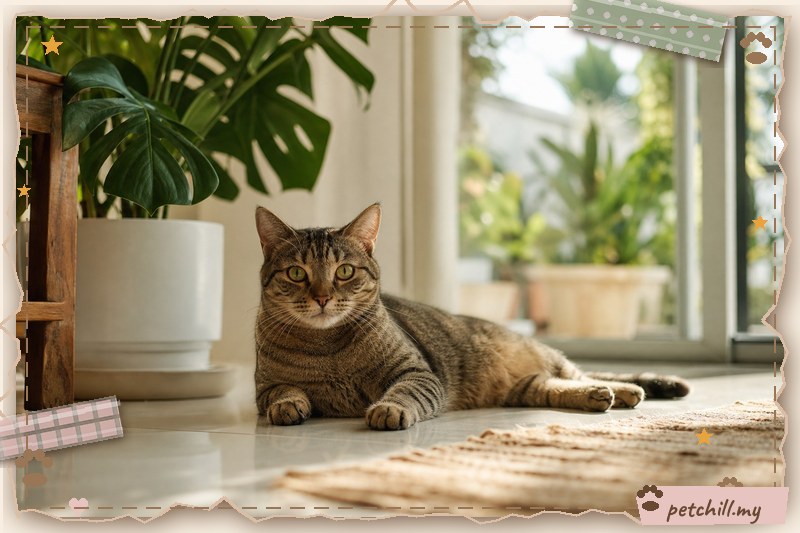
Placement can make or break your cat's use of the tree. Cats are sensitive to their environment, so choose a spot that feels safe and appealing.
- Quiet but not isolated: Cats like to observe without being in the middle of chaos. A corner of the living room or a quiet bedroom works well.
- With a view: Near a window is ideal—cats love watching the outside world. In Malaysian homes, ensure the window is secure and not in direct harsh sunlight all day.
- Away from loud appliances: Avoid placing next to washing machines, air-conditioner compressors or speakers.
- Near scratching areas: If your cat scratches the sofa, put the tree next to it to redirect the behaviour.
- Avoid damp areas: Bathrooms and laundry areas can be humid; mould can grow on the tree.
- Consider traffic flow: Cats often prefer to be off the main path but still able to see what's going on.
For apartments, a cat tree near the balcony door (but not in direct sun) can provide entertainment. In a terrace house, a tree in a upstairs room may offer a quiet retreat from household activity.
Introducing your cat to the cat tree
Some cats take to a new tree immediately; others need encouragement. Here's how to introduce it without stress:
- Set it up before your cat investigates. Assemble it fully and let it air out if it has a factory smell.
- Place it in the chosen spot and leave it alone. Let your cat explore at their own pace. Don't force them onto it.
- Make it inviting. Rub a little catnip on the scratching posts or place a favourite blanket on a perch.
- Use treats and toys. Toss a treat onto a low platform, or dangle a toy from a higher level to encourage climbing.
- Play with your cat on the tree. Use a wand toy to lead them up and down. Reward any interaction with praise or a treat.
- Feed meals on the tree. Place food bowls on different levels to encourage exploration.
- Be patient. It may take days or weeks. Never punish a cat for avoiding the tree.
If your cat is shy, start with a low platform and gradually encourage higher levels. For confident cats, you can place treats on the highest perch.
Training your cat to use the cat tree
Training isn't about tricks; it's about making the tree a rewarding place. Follow these steps:
- Reward every step: Use treats, praise or petting when your cat approaches, sniffs or steps on the tree.
- Use clicker training if you like: Click and treat when your cat interacts with the tree. This can speed up learning.
- Redirect unwanted behaviour: If your cat scratches furniture, gently pick them up and place them on the scratching post, then reward. Never scold.
- Create a routine: Play sessions on the tree at the same time each day can become a habit.
- Use pheromone sprays: Feline facial pheromone products can make the tree feel familiar. Spray on the tree (test first).
Remember that cats are individuals. Some prefer high perches, others prefer hidey holes. Observe your cat's preferences and adjust.
Using a cat tree to solve common behaviour issues
A cat tree can be a powerful tool for managing behaviour. Here's how to use it for common problems:
- Scratching furniture: Place the tree next to the scratched item. Reward your cat for using the post. Keep nails trimmed. Use double-sided tape on furniture temporarily.
- Climbing curtains or shelves: Provide a tall tree as an alternative. Make sure it's more appealing than the curtains.
- Boredom and inactivity: Encourage climbing and playing on the tree. Use puzzle feeders on the platforms.
- Multi-cat tension: Provide multiple trees or a large tree with separate resting spots. This gives cats vertical territory and reduces conflict.
- Anxiety: A high perch can help a nervous cat feel safe. Place a hidey hole at mid-height.
In Malaysian apartments, where space is limited, a cat tree can also provide vertical territory that reduces stress.
Keeping the cat tree clean and hygienic
A dirty cat tree can harbour parasites, bacteria and odours. Regular cleaning is essential, especially in humid climates.
- Weekly: Vacuum the tree, especially the perches and scratching posts. Remove loose fur.
- Monthly: Wash removable covers according to instructions. Wipe down surfaces with a pet-safe cleaner.
- Immediately: Clean up accidents (vomit, urine, hairballs) with an enzymatic cleaner.
- Deep clean: Every few months, inspect for worn areas and deep clean. If the tree is heavily soiled, consider replacing parts.
- Dry thoroughly: In Malaysia's humidity, ensure the tree dries completely to prevent mould. Place it in a well-ventilated area or under a fan.
Use pet-safe cleaning products; avoid bleach and strong chemicals. If your cat has fleas, treat the tree as part of your flea control plan.
Safety checks and maintenance
A cat tree should be safe. Check these regularly:
- Stability: Tighten screws and bolts. Check for wobbling. Use anti-slip pads under the base.
- Wear and tear: Replace frayed sisal rope, torn fabric or loose toys. Cats can ingest loose threads.
- Small parts: Ensure toys and bells are securely attached. Remove anything that could be chewed off.
- Placement: Keep away from heat sources, windows that could slam, and unstable furniture.
- Weight limits: Don't let multiple large cats crowd a lightweight tree.
If you have kittens, supervise until they are confident. For senior cats, provide ramps or steps to help them reach perches.
Cat tree use in Malaysian homes: practical examples
- Kuala Lumpur apartment: A floor-to-ceiling tree in a corner near the balcony door gives your cat a view and climbing exercise without taking up much floor space. Use a wall anchor for safety.
- Johor terrace house: A multi-level tree in a upstairs room provides a quiet retreat away from the busy living area. Place it near a window but out of direct afternoon sun.
- Penang rainy season: Humidity can make trees damp. Choose a tree with washable covers and place it in a well-ventilated room. Wipe down regularly to prevent mould.
When to see a vet
If your cat shows any of the following signs, consult a veterinarian:
- Reluctance to climb or move, which may indicate pain or arthritis.
- Difficulty breathing or coughing when on the tree.
- Skin wounds or hair loss from scratching the tree excessively.
- Signs of stress or anxiety that don't improve with environmental changes.
- Ingestion of foreign material from the tree (thread, foam, etc.).
This article is for general information only and is not a substitute for professional veterinary advice. Always consult a licensed veterinarian for health concerns.
Frequently asked questions
How do I get my cat to use a cat tree? Place the tree near your cat's favourite spot, lure them with treats or toys, and play with them on it. Never force them; let them explore at their own pace. Reward any interaction.
Where should I put a cat tree in my house? Put it in a quiet area with a view, away from heavy foot traffic and loud appliances. Near a window is ideal. Avoid damp spots and direct sunlight in hot climates.
How often should I clean a cat tree? Vacuum weekly and spot-clean stains immediately. Wash removable covers monthly. For heavy shedding, clean more often. Use pet-safe cleaners and let it dry completely.
Is a cat tree safe for kittens? Yes, but choose one with low platforms and secure ramps. Supervise until they are confident. Avoid very high trees until they are older. Check for small parts that could be chewed off.
Can a cat tree stop my cat from scratching furniture? Yes, if you place it near the scratched furniture and reward your cat for using it. Provide multiple scratching surfaces. Trim nails regularly and use deterrents on furniture.
How do I stop my cat tree from wobbling? Place it on a level floor, tighten all screws, and use anti-slip pads under the base. For tall trees, anchor to the wall with a strap. Check stability regularly.
Related reading
- Daily Care Guide Malaysia: A Practical Routine for Dogs and Cats
- Best Cat Tree for Cats in Malaysia: A Practical Buying Guide
- Cat Tree for Indoor Cats: The Complete Malaysia Guide
- Monsoon Care for Cats Step by Step: A Practical Wet-Season Guide for Malaysian Homes
- Moving House with a Cat in Malaysia: A Practical Guide for Cat Owners
- Multi-Cat Household Tips for Cat Owners: A Practical Guide for Malaysian Homes
- Best Scratching Post for Cats in Malaysia: A Practical Buying Guide
- Best Window Perch for Cats in Malaysia: A Practical Buying Guide
- Cat Massage: A Practical Guide for Malaysian Cat Owners



