
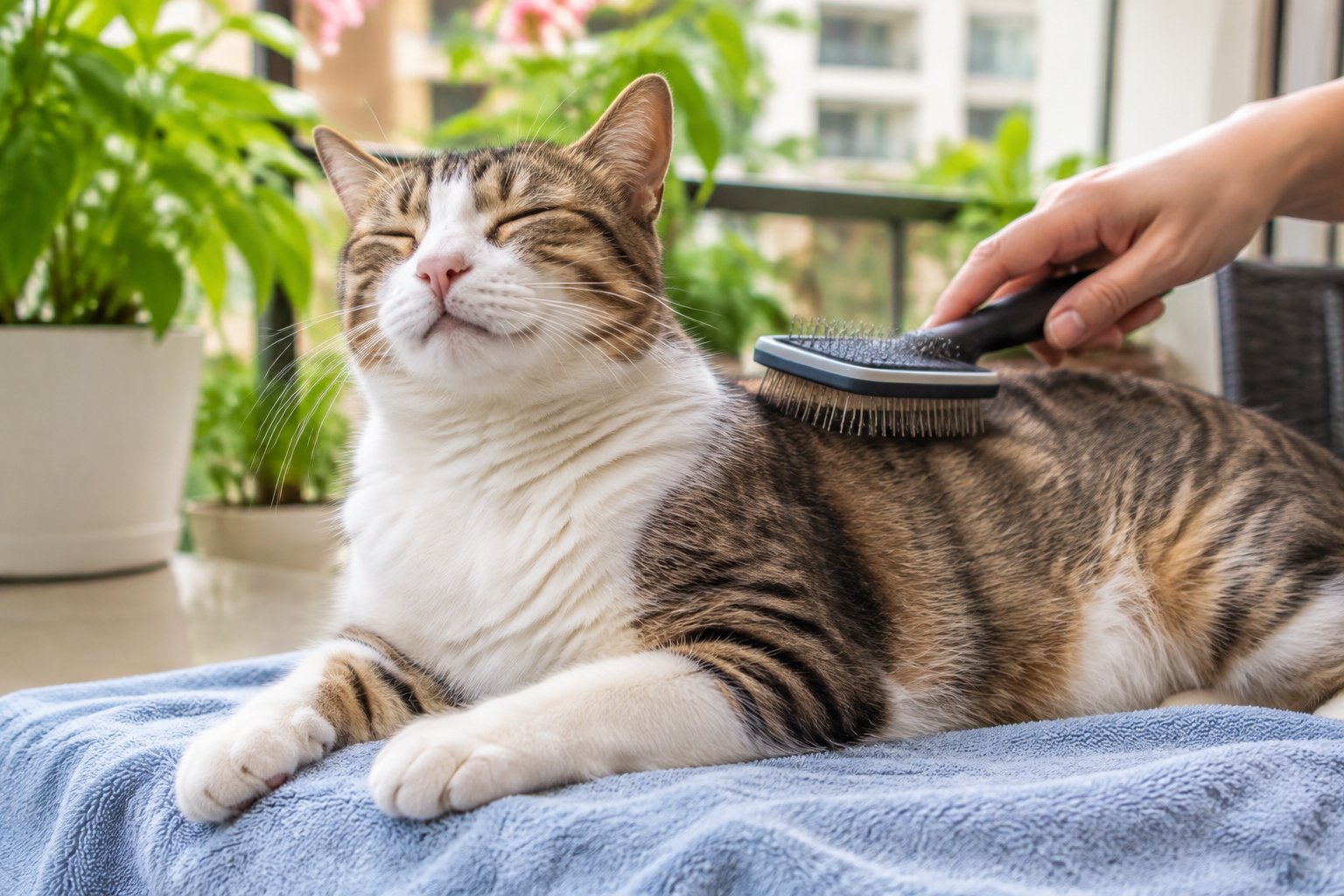
The short answer
Clean a cat's ears only when they look dirty or your vet advises it. Use a vet-approved ear cleaner and cotton pads, never cotton buds deep in the canal. Gently massage the base, let your cat shake, then wipe the visible folds. Stop and see a vet if there is pain, discharge, odour, redness or head shaking.
Most healthy cats do not need frequent ear cleaning. Their ears are largely self-cleaning, and over-cleaning can do more harm than good. The goal of home ear care is to keep the visible outer ear free of excess wax and dirt, and to notice problems early, not to scrub the canal every week.
This guide explains what supplies to use, a safe step-by-step method, how often to clean, common mistakes, and the signs that mean you should stop and book a vet appointment instead.
Why ear cleaning matters, and why less is often more
A cat's ear canal is L-shaped and delicate. The vertical part you can see leads down to a horizontal section near the eardrum. Because of this shape, you cannot safely reach deep into the canal at home, and you should not try. What you can do is keep the outer ear clean and check it regularly for changes.
Regular checking helps you spot problems early: redness, swelling, dark debris, discharge, a bad smell, or small wounds from scratching. Early detection matters because ear problems in cats are often caused by underlying issues such as ear mites, bacterial or yeast infections, allergies, or skin disease. Cleaning away wax will not cure an infection; it may only hide the signs for a while.
Over-cleaning is a real risk. Frequent cleaning with harsh products can strip the ear's natural protective wax, irritate the skin lining the canal, and create moisture that encourages yeast or bacteria to grow. For most healthy cats, a quick visual check every week or two and cleaning only when needed is enough.
Some cats do need more help: older cats, cats with folded ears, cats with allergies, and cats that produce a lot of wax. Your vet can advise a cleaning schedule that suits your cat's individual ears.
What you need before you start
Gather everything first so you are not searching for supplies with a nervous cat on your lap.
- Vet-approved ear cleaning solution for cats. Ask your vet which product suits your cat. Do not use dog products unless your vet says they are safe for cats.
- Cotton pads or soft gauze. These are for wiping the visible folds. Cotton wool balls can leave fibres behind.
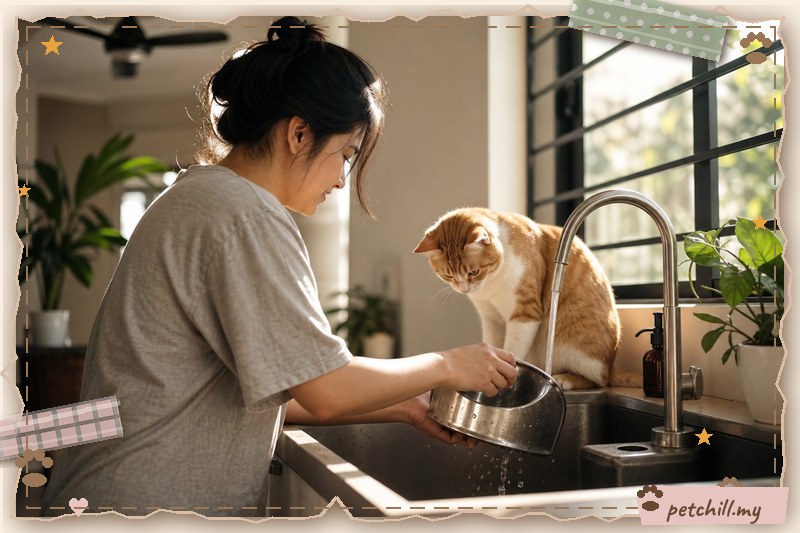
- A towel. Useful for wrapping a wriggly cat or wiping up spills.
- Treats. Reward your cat before, during and after. This makes future sessions easier.
- A helper (optional). A second person can gently hold the cat while you clean.
What to avoid:
- Cotton buds (swabs) inside the canal
- Alcohol, hydrogen peroxide, vinegar or homemade solutions
- Human ear drops
- Sharp or pointed tools
- Pouring large amounts of liquid into the ear
If you are unsure which cleaner to buy, ask your vet or a pharmacist at a pet supply store. Local prices vary, so compare products and ask your vet which one is appropriate rather than guessing.
Step-by-step: how to clean a cat's ears safely
- Choose a calm moment. Pick a time when your cat is relaxed, not just after play or a meal. Have treats ready.
- Check the ears first. Look at both ears. Note any redness, swelling, discharge, bad smell, dark specks, or signs of pain. If you see these, stop and book a vet visit.
- Position your cat safely. Sit on the floor with your cat facing away from you, or place the cat on a non-slip surface. A towel wrap can help keep a wriggly cat calm. Never scruff or restrain roughly.
- Apply the cleaner to a cotton pad. For most cats, it is safer to put the solution on a cotton pad and wipe the visible folds rather than pouring liquid into the ear. If your vet has advised flushing the canal, follow their instructions exactly.
- Wipe the outer ear gently. Use a fresh pad for each ear to avoid spreading dirt or infection from one ear to the other. Wipe from the inside of the fold outward, using gentle strokes.
- Massage the base only if advised. Some vets recommend a gentle massage at the base of the ear to help loosen wax. Do this only if your vet has shown you how, and only on a healthy ear.
- Let your cat shake. If any solution entered the ear, your cat will shake its head. This is normal. Have a towel ready.
- Wipe away loosened debris. After shaking, wipe the visible parts again with a clean pad.
- Reward and finish. Give treats and praise. Do not clean both ears in one long session if your cat is stressed; take a break and finish later.
- Clean your hands and supplies. Wash your hands afterwards and throw away used pads.
If your cat struggles, stop. Forcing the issue can cause injury and make your cat fearful of handling. Ask your vet to show you the technique in person, or have a vet nurse clean the ears while you watch.
How often should you clean your cat's ears?
There is no single schedule that suits every cat. Use this as a general guide, and adjust with your vet's advice.
| Cat situation | Typical cleaning frequency | Notes |
|---|---|---|
| Healthy adult cat, no history of ear problems | Every few weeks, or only when dirty | Check weekly; clean only if needed |
| Cat with excessive wax | Weekly, if your vet advises | Use a vet-approved cleaner |
| Cat with allergies or skin disease | As advised by your vet | Cleaning supports, but does not replace, treatment |
| Cat with folded ears | Weekly check; clean as needed | Folded ears can trap moisture and wax |
| Cat recovering from an ear infection | Follow your vet's instructions | Do not clean unless your vet says so |
| Senior cat | Check weekly; clean as needed | Older cats may need help with grooming |
If you are cleaning more than once a week because the ears keep getting dirty, that is a sign to see your vet rather than clean more often.
Common mistakes to avoid
- Using cotton buds deep in the canal. This is the most common mistake. Buds push wax inward and can damage the eardrum.
- Using the wrong product. Human ear drops, alcohol, hydrogen peroxide and vinegar can irritate or damage a cat's ear.
- Cleaning an infected ear. If the ear is red, painful, swollen or discharging, cleaning can make it worse. See a vet first.
- Over-cleaning. Healthy ears do not need daily cleaning. Too much cleaning can irritate the skin.
- Sharing products between pets. Use separate pads for each ear and each pet.
- Ignoring pain. If your cat cries, pulls away, or guards its head, stop. Pain is a sign to see a vet.
- Forgetting to check both ears. Problems can affect one ear only, so compare both sides.
When to see a vet
Stop home cleaning and book a vet appointment if you notice any of the following:
- Head shaking, scratching at the ears, or rubbing the head against furniture
- Redness, swelling or warmth in the ear flap or canal
- Discharge: yellow, green, brown or black, especially if it smells bad
- Dark, coffee-ground-like debris, which can suggest ear mites
- Pain when the ear or head is touched
- A head tilt, loss of balance, or walking in circles
- Changes in hearing, or a cat that seems disoriented
- A wound, lump or foreign object in the ear
- Ear problems that keep coming back after cleaning
Your vet will examine the ear canal, often with an otoscope, and may take a sample to check for mites, bacteria or yeast. Treatment depends on the cause, so do not use leftover ear drops from a previous illness without veterinary advice.
Keeping ears healthy between cleans
- Check weekly. A quick look at both ears during cuddle time helps you notice changes early.
- Keep the coat around the ears tidy. Long-haired cats may benefit from gentle trimming around the ear opening by a groomer or vet nurse.
- Dry ears after bathing or swimming. Moisture in the ear can encourage infection. Pat the outer ear dry with a towel.
- Manage allergies. If your cat has skin allergies, keeping them under control reduces ear problems.
- Use parasite prevention as advised. Ear mites are contagious and need proper treatment for all pets in the household.
- Watch for changes in behaviour. A cat that suddenly dislikes head touches may have ear pain.
A note for Malaysian cat owners
Malaysia's warm, humid climate can make ear problems more noticeable, especially in cats that live partly outdoors or in multi-cat households. Humidity does not cause ear infections by itself, but it can make ears feel uncomfortable and may contribute to moisture in the ear canal after bathing or rain. In a Kuala Lumpur apartment, where many cats live indoors, regular weekly ear checks are easy to fit into grooming routines. In a Johor terrace house with cats that spend time in the garden, check ears after outdoor time for grass seeds, dirt or signs of scratching. Penang's rainy season is a good reminder to dry ears gently after your cat gets wet. If you are unsure whether your cat's ears are healthy, ask your vet rather than trying new products.
Quick checklist
- Vet-approved cat ear cleaner
- Cotton pads or gauze
- Towel and treats
- Check both ears before cleaning
- Wipe only the visible folds
- No cotton buds in the canal
- Stop if your cat shows pain
- Book a vet if you see discharge, odour, redness or head shaking
Final thoughts
Ear cleaning is a simple skill, but it is one where doing less is often safer. Most cats need only occasional cleaning and regular checks. The most important part of home ear care is knowing when to stop and let a vet take over. If you are ever unsure, ask your vet to show you the technique in person. A few minutes of guidance can make cleaning safer and less stressful for both you and your cat.
This article is general information only and is not a substitute for veterinary advice. Always consult a licensed veterinarian for diagnosis and treatment of your cat's ear problems.
Related reading
- Daily Care Guide Malaysia: A Practical Routine for Dogs and Cats
- Cat Fur Matting: A Step-by-Step Guide for Malaysian Cat Owners
- Grooming Senior Cats Step by Step: A Gentle Daily Routine for Older Cats
- How to Cat Massage a Cat: A Gentle, Step-by-Step Guide for Malaysian Owners
- How to Groom Senior Cats: A Gentle Daily-Care Guide for Malaysian Owners
- How to Monsoon-Care a Cat in Malaysia: A Practical Daily-Care Guide
- How to Paw Care a Cat: A Complete Guide for Malaysian Owners
- Monsoon Care for Cats Step by Step: A Practical Wet-Season Guide for Malaysian Homes
- Pet Daily Care Guide Malaysia: Brushing, Nails, Ears, Eyes, Teeth and Weight (2026)
- Best Cat Grass for Cats in Malaysia: A Practical Buying & Growing Guide



