
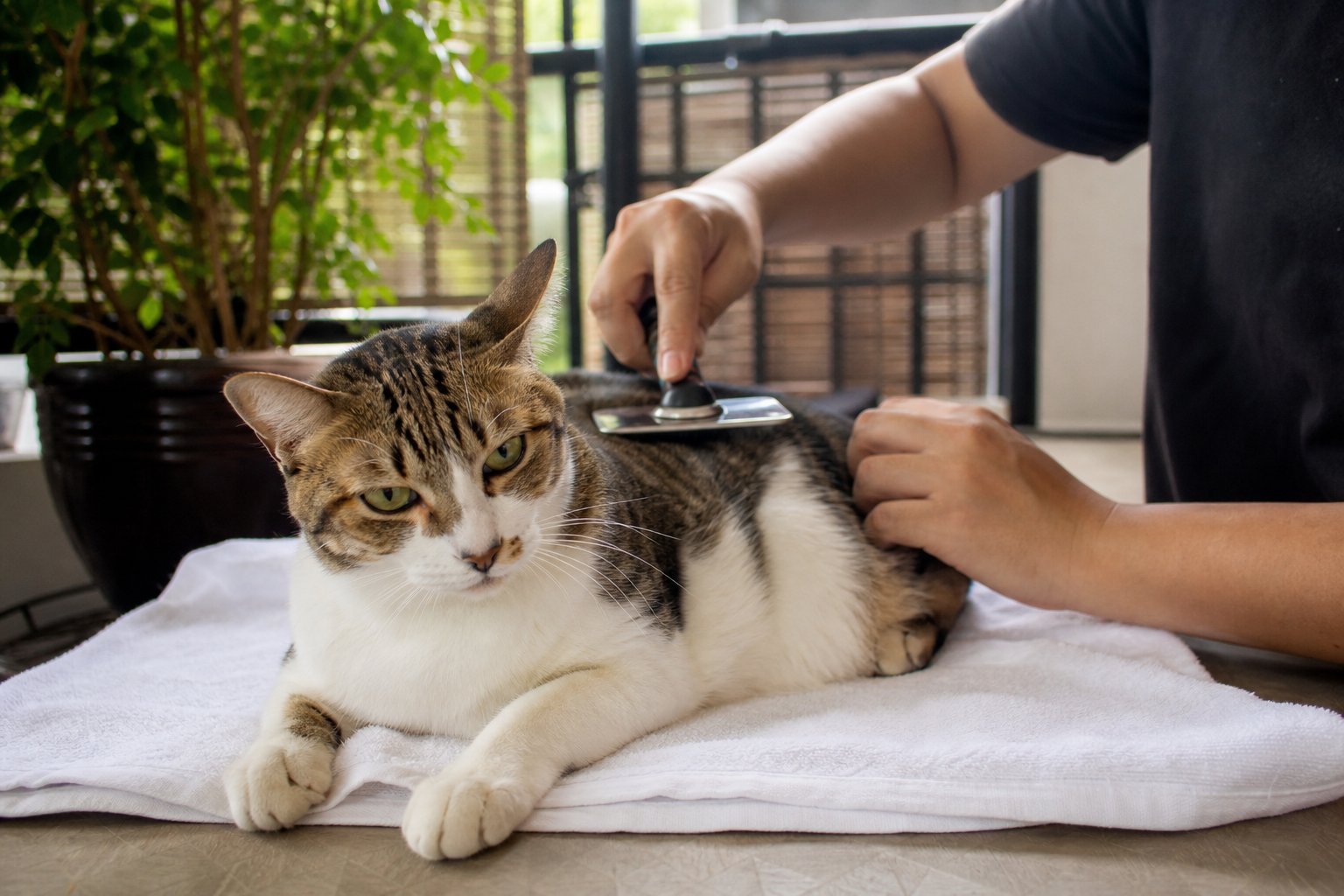
What cat massage actually is
Cat massage is not a spa treatment you impose on your cat. It is a slow, consensual handling routine: you use flat hands, gentle pressure and predictable rhythm to help your cat relax, and you read their body language the whole time. Done well, it strengthens your bond, gives you a daily health check, and can calm a cat during stressful moments such as thunderstorms, fireworks or a house move.
Done badly, it is a fast route to scratches and a cat that avoids your hands. The difference is consent. A cat that walks away, flicks its tail or flattens its ears is not being difficult; it is telling you the session is over.
This guide is written for Malaysian cat owners living in apartments, terrace houses and shared homes. It covers techniques, a comparison table, safety rules, a health-check routine and when to see a vet. It does not replace veterinary advice.
Why massage is worth learning
Massage has practical benefits beyond relaxation.
- Bonding. Predictable, gentle touch builds trust. A cat that learns your hands are safe is easier to groom, pill and take to the vet.
- Health monitoring. Running your hands over the body weekly helps you notice lumps, scabs, weight loss, fleas, ticks or heat and swelling early.
- Stress reduction. Slow, rhythmic touch can help some cats settle during noisy events.
- Comfort for older cats. Very light massage can ease stiffness in senior cats, but only with vet approval.
- Grooming support. Massage loosens loose fur and helps you spot matting before it becomes painful.
Massage is not a treatment for disease. It will not cure arthritis, skin infections or anxiety disorders. Think of it as supportive care that sits alongside veterinary medicine.
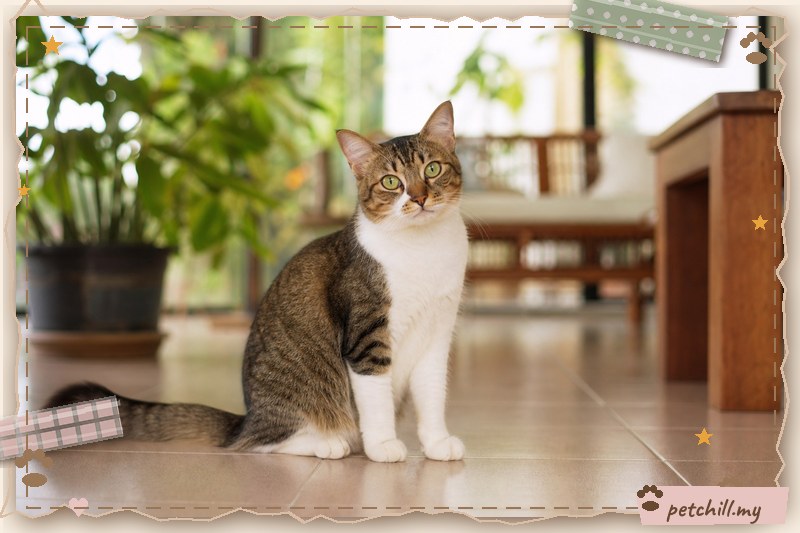
Before you start: consent and setup
Choose the right moment
Pick a time when your cat is already relaxed: after a meal, during a quiet evening, or when they are resting on a favourite blanket. Avoid times when they are playful, hungry or waiting for food.
Set up the space
- A quiet room away from loud TVs, children and other pets.
- A non-slip surface such as a towel or mat.
- Warm, clean hands. Wash them first.
- Short nails on your part. Cats have thin skin.
- No food treats in your hand during the session; offer them afterwards.
Ask permission
Hold out one finger near your cat's nose. If they lean in, sniff and stay, you have a green light. If they turn away or walk off, try later. Never pick up a sleeping cat to massage them.
Learn the stop signals
Stop immediately if you see:
- Tail flicking or thumping.
- Ears rotating back or flattening.
- Skin rippling along the back.
- Pupils dilating suddenly.
- A low growl, hiss or warning nip.
- Sudden grooming of the spot you touched.
- Freezing or stiffening.
These are not signs your cat is ungrateful. They are signs you missed an earlier cue. End the session calmly and try a shorter one next time.
Step-by-step massage techniques
Use the flat of your hand, not fingertips. Keep pressure light: think of the weight of a coin, not a thumb press. Move slowly and repeat each stroke a few times.
1. The settling hand
Rest one flat hand on your cat's shoulder or side and leave it there for 10–20 seconds. This is a check-in, not a stroke. If your cat relaxes into your hand, continue. If they stiffen, stop.
2. Long back strokes
With a flat palm, stroke slowly from the shoulders towards the tail base, following the direction of the fur. Use light pressure. Repeat 3–5 times. This is the most accepted stroke for most cats.
3. Shoulder circles
Using two fingers, make small, slow circles over the shoulder muscles just behind the neck. Keep the circles small and the pressure light. Watch the ears.
4. Cheek and jaw rubs
Many cats enjoy gentle rubbing along the cheek line and under the chin, where scent glands sit. Use one finger and follow the cat's lead. Avoid the nose and eyes.
5. Ear-base rubs
Gently rub the base of the ears with a fingertip. Do not push inside the ear canal. If your cat shakes their head or pulls away, stop.
6. Paw handling (optional)
Only if your cat already tolerates paw touching. Hold each paw briefly, press the pad gently, and release. This helps prepare for nail trims. Never force a paw open.
7. Tail-base check (avoid unless invited)
The base of the tail is highly sensitive and many cats dislike it. Do not massage it unless your cat clearly presents that area and stays relaxed. Even then, use the lightest touch.
8. Closing stroke
Finish with two slow, flat strokes from head to tail base, then remove your hands. Let the cat stay where they are. Offer a treat or a meal afterwards, not during.
Comparison table: massage styles and when to use them
| Style | Pressure | Best for | Avoid if | Typical duration |
|---|---|---|---|---|
| Settling hand (still touch) | None | Nervous cats, first sessions | Cat is restless or playful | 10–20 seconds |
| Long back strokes | Very light | Most cats, daily bonding | Skin is painful or scabby | 1–3 minutes |
| Shoulder circles | Light | Stiff older cats (with vet OK) | Recent vaccination site soreness | 1–2 minutes |
| Cheek and chin rubs | Very light | Calming, greeting | Facial wounds or dental pain | 30–60 seconds |
| Ear-base rubs | Very light | Relaxation | Ear infection or head shaking | 30 seconds |
| Paw handling | Light | Nail-trim preparation | Paw injury or arthritis | 10–20 seconds per paw |
| Tail-base touch | Minimal | Only confident, willing cats | Most cats; never force | 5–10 seconds |
Use this table as a menu, not a checklist. A good session might use only two or three styles.
A weekly health-check routine
Massage is also a chance to run a gentle head-to-tail check. Do this once a week, ideally at the same time each week.
- Head and face. Look for discharge from eyes or nose, dirty ears, bad breath or drooling.
- Neck and shoulders. Feel for lumps, scabs or tenderness.
- Back and sides. Check for fleas, ticks, dandruff, bald patches or hot spots.
- Belly. Only if your cat allows it. Look for swelling, redness or a sudden change in shape.
- Legs and joints. Feel for heat, swelling or reluctance to be touched.
- Paws and claws. Check for overgrown claws, cuts or foreign objects.
- Tail and rear. Look for matting, soiling or signs of diarrhoea.
- Weight. Weigh monthly if possible, or judge by feel around the ribs.
Write down anything unusual and mention it at your next vet visit. Photos help track changes.
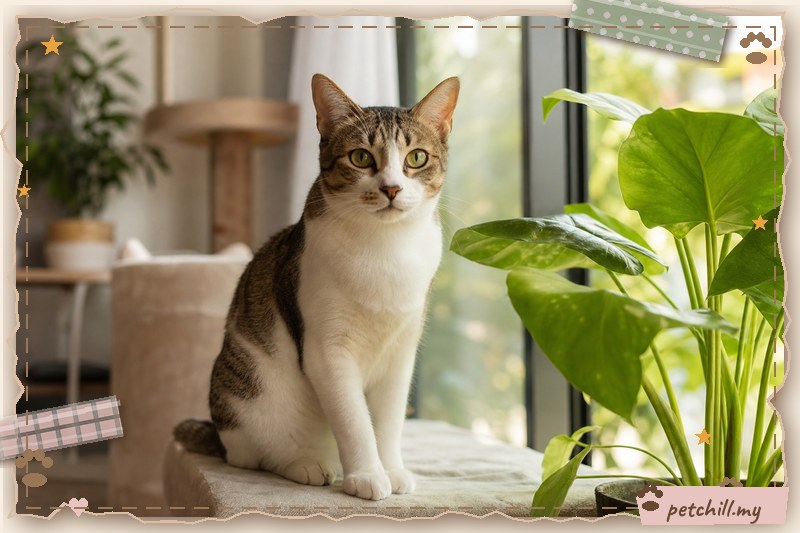
Massage in Malaysian homes
Malaysian homes vary widely, and so do the stresses on our cats.
- Kuala Lumpur apartments. City cats often live in smaller spaces with less outdoor access. Short daily massage sessions give them predictable, calm interaction and help you notice weight gain from reduced activity. Keep sessions away from balcony doors and open windows.
- Johor terrace houses. Cats in terrace homes may share space with children, other pets and visitors. Massage in a quiet room helps them decompress after noisy gatherings, and a weekly health check helps you spot ticks and fleas picked up from the garden or car porch.
Other local contexts matter too. During the Penang rainy season, cats may be indoors more and become restless; gentle massage can be part of a routine that includes play and scratching posts. During festive periods with fireworks or loud celebrations, a calm, familiar handling routine can help some cats settle, though it is not a substitute for veterinary advice for genuinely fearful cats.
If you live in a multi-cat home, massage each cat separately. Cats are territorial and may redirect aggression if they smell another cat on your hands. Wash your hands between sessions.
Common mistakes to avoid
- Massaging a cat that has not consented. Always let the cat come to you.
- Using too much pressure. Cats are small and their muscles are thin. Light is right.
- Going straight for the belly. The belly is vulnerable. Most cats will not allow it, and that is normal.
- Long sessions. Five minutes is plenty for most cats. Ten is the upper limit for very relaxed cats.
- Massaging over lumps or wounds. This can cause pain and spread infection. Note the lump and see a vet.
- Massaging after vaccination. Injection sites can be sore for a day or two. Skip that area.
- Ignoring stress signals. A bite is a failure of reading, not a bad cat.
- Using oils or creams. Cats lick their fur. Never apply human massage oils, essential oils or creams; many are toxic to cats.
When to see a vet
Stop massage and book a vet visit if you notice any of the following:
- A new lump, especially one that is growing, warm or painful.
- Sudden weight loss or weight gain.
- Reluctance to be touched in a specific area, or limping.
- A wound, abscess, scab or hot spot.
- Ear discharge, head shaking or a bad smell from the ears.
- Bad breath, drooling or difficulty eating.
- Vomiting, diarrhoea or changes in appetite lasting more than a day.
- Hiding, aggression or a sudden change in behaviour.
- A bite or scratch that breaks your skin. Wash thoroughly and seek medical advice; cat bites can become infected quickly.
Massage should never delay veterinary care. If you are unsure, call your vet. Local prices for consultations and treatments vary, so ask your clinic directly rather than relying on online figures.
Building a routine that lasts
Consistency matters more than technique. A short session at the same time each day, paired with a calm environment, is more useful than an occasional long one.
- Pair with an existing habit. Massage after your evening meal or before bed.
- Keep a simple log. Note the date, duration and anything unusual you felt.
- Use treats wisely. Reward after the session, not during, so your hands stay associated with calm touch rather than food grabbing.
- Respect off days. Some days your cat will not want contact. That is normal.
- Involve the household. Teach children to use flat hands and to stop when the cat leaves. Never let children pick up a cat to massage.
A quick pre-session checklist
- Cat is awake, calm and not eating.
- Room is quiet and the surface is non-slip.
- Your hands are clean, warm and free of cream or oil.
- You have 5 minutes with no interruptions.
- You know the stop signals.
- You have a treat ready for afterwards.
Final thoughts
Cat massage is a simple skill with real benefits: better bonding, earlier detection of health changes and a calmer cat. The rules are straightforward. Let your cat lead, keep pressure light, keep sessions short, and stop at the first sign of stress. Use massage as a complement to good veterinary care, not a replacement. In Malaysian homes, from Kuala Lumpur apartments to Johor terrace houses, a few minutes of calm, consensual touch each day can make a meaningful difference to your cat's wellbeing and to your relationship with them.
This article is for general information only and is not veterinary advice. Always consult a licensed veterinarian for diagnosis and treatment of your cat's health conditions.
Related reading
- Daily Care Guide Malaysia: A Practical Routine for Dogs and Cats
- Pet Daily Care Guide Malaysia: Brushing, Nails, Ears, Eyes, Teeth and Weight (2026)
- Best Cat Grass for Cats in Malaysia: A Practical Buying & Growing Guide
- Best Interactive Toys for Cats in Malaysia: A Practical Buying Guide
- Cat Fur Matting: A Step-by-Step Guide for Malaysian Cat Owners
- Cat Massage for Cats Step by Step: A Gentle Guide for Malaysian Pet Parents
- Cat Sunscreen for Cats: Step-by-Step Guide for Malaysian Pet Parents
- How to Exercise a Cat: A Practical Daily Play Plan for Malaysian Homes
- How to Cat Massage a Cat: A Gentle, Step-by-Step Guide for Malaysian Owners
- How to Clean a Cat's Ears Safely: A Step-by-Step Guide for Malaysian Owners
- How to Use a Cat Tree for Cats: A Practical Guide for Malaysian Homes
- How to Use a Scratching Post for Cats: A Complete Malaysian Guide



