
The short answer
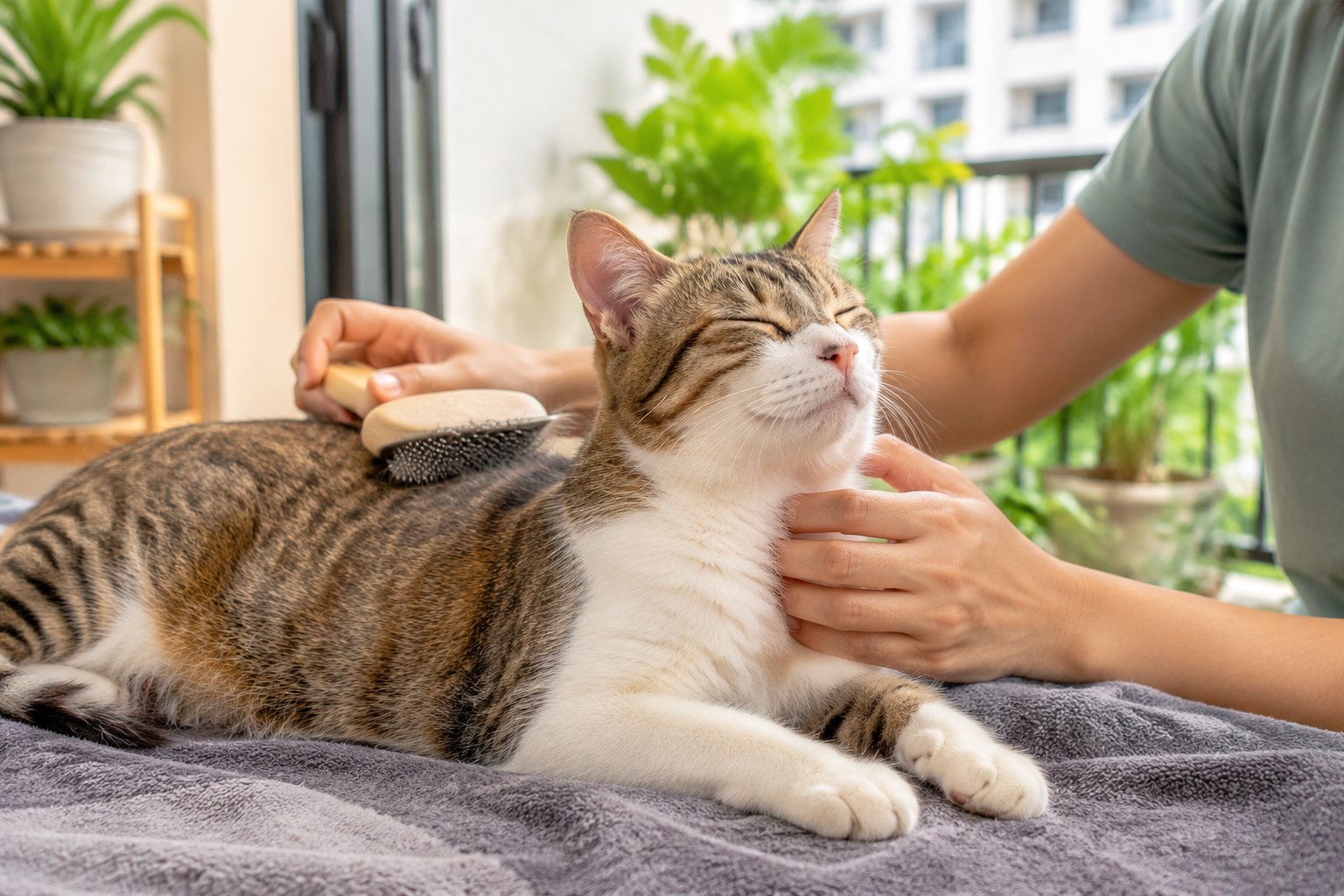
Senior cats usually need more grooming help, not less. Age brings stiffness, thinner skin, weaker claws and sometimes illness, so a gentle routine of short brushing sessions, weekly body checks, nail trims and spot cleaning of eyes and ears keeps an older cat comfortable. Go slowly, reward often, and treat any sudden coat or skin change as a reason to see a vet.
Why senior cats need a different grooming approach
A young cat spends a large part of its day washing itself. That self-grooming does more than keep the coat tidy: it spreads natural oils, removes loose hair, stimulates circulation and helps regulate body temperature. As cats age, several things chip away at that routine.
- Stiff joints. Arthritis and general stiffness make it hard to twist around to the lower back, tail base and hind legs. Those are the first places older cats often look scruffy.
- Thinner, more fragile skin. Older skin tears more easily, so rough brushing or pulling at mats can cause injuries.
- Thicker, brittle claws. Senior claws may grow faster or curl more, and some cats stop scratching enough to wear them down.
- Dental pain. A sore mouth can reduce grooming, eating and drinking.
- Weight change. Extra weight reduces reach; weight loss can signal underlying disease.
- Underlying illness. Kidney disease, thyroid problems, diabetes, skin allergies and parasites can all change the coat.
The practical takeaway is that grooming is also a health check. Every brushing session is a chance to feel for new lumps, scabs, wounds, fleas or tenderness. In Malaysia's warm, humid climate, that matters even more, because damp fur near the skin can encourage skin irritation and odour.
Build a calm grooming routine
Senior cats generally tolerate grooming better in short, predictable sessions than in one long marathon. Think of grooming as a daily habit of a few minutes, with a longer weekly session for the full check.
Set up the space
Choose a quiet, non-slip surface at a comfortable height, so you are not bending awkwardly and your cat is not perched somewhere it might slip. A rubber mat on a table or a towel on the floor works well. Keep treats within reach and close the door so other pets cannot interrupt.
Use the right tools
You do not need a cupboard full of equipment. A soft bristle brush or rubber grooming mitt, a metal comb with rounded teeth for longer coats, a fine-toothed flea comb, pet-safe wipes, cotton pads, styptic powder for nail accidents, and blunt-ended nail clippers cover most needs. Avoid harsh slicker brushes on thin senior skin unless your vet or groomer recommends one.
Follow a head-to-tail order
A consistent order helps your cat learn what to expect:
- Face and chin. Wipe away eye discharge with a damp cotton pad, one wipe per eye, moving away from the eye.
- Ears. Look inside; wipe only the visible outer fold with a cotton pad. Never push cotton buds into the ear canal.
- Neck and shoulders. Start brushing here, where most cats enjoy it.
- Back and sides. Brush with the lie of the fur, then against it lightly if your cat accepts it.
- Belly and armpits. These are sensitive areas. Go slowly and stop if your cat tenses.
- Hindquarters and tail base. Check carefully for mats, stool stuck to fur, and skin redness.
- Legs and paws. Lift each paw briefly, check pads and nails, and press gently on the paw to extend a claw.
- Full body check. Run your hands over the body to feel for lumps, scabs and tenderness.
Keep sessions short and rewarding
Two to five minutes is plenty for a cat that dislikes grooming. End on a good note with a treat or a meal, even if you only brushed one side. If your cat walks away, let it go and try again later. Forcing the issue teaches a cat to fear the brush, and that makes every future session harder.
Coat care by coat type
| Coat type | Typical brushing | Watch for |
|---|---|---|
| Short, smooth coat | 3 to 4 short sessions a week | Dandruff, greasy patches, flea dirt, bald spots |
| Short, dense coat | Most days, 5 to 10 minutes | Shedding clumps, mats behind legs, skin odour |
| Semi-long coat | Daily brushing plus weekly comb-through | Mats behind ears, under armpits, around the tail base |
| Long coat | Daily brushing and combing, professional help if needed | Deep mats, stool stuck to fur, skin hidden under clumps |
| Curly or woolly coat | Daily, with regular professional grooming | Tight mats close to skin, moisture trapped near skin |
If your cat has a long coat and is already matted, do not try to fix everything at home. A professional groomer or your vet can clip safely, and a vet can check the skin underneath.
Skin, lumps and parasite checks
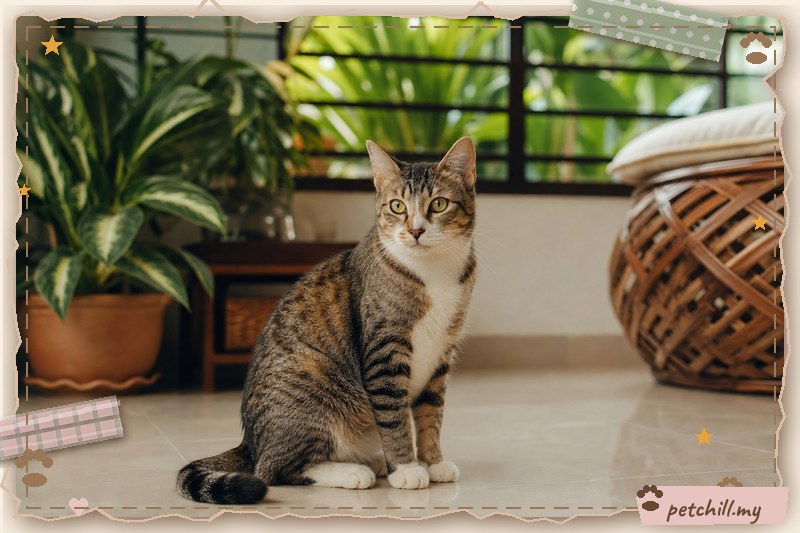
Once a week, spend a few minutes running your hands slowly over your cat from nose to tail. Feel for small bumps, scabs, crusts, wounds, warm patches, swelling or areas your cat flinches from. Part the fur in a few places to look at the skin itself.
In Malaysia, fleas and ticks can be a year-round problem, and humid weather can leave skin damp and irritated. Check the armpits, groin, ears and between the toes. Flea dirt looks like tiny dark specks that turn reddish-brown on a damp tissue. If you find parasites, ask your vet about a suitable product for an older cat, because some treatments are not appropriate for seniors or cats with certain health conditions.
Also watch for:
- Greasy or smelly coat that does not improve with gentle cleaning.
- Dandruff or flaking that appears suddenly.
- Bald patches or over-grooming, especially on the belly and inner legs.
- Staining around the mouth, eyes or rear, which can point to dental, eye or digestive problems.
- A coat that looks dull and unkempt despite regular grooming.
Nails, paws and mobility
Nail care is one of the most useful things you can do for an older cat. Thick, overgrown claws can curl into the paw pad, catch on fabric and make walking painful. Aim to check nails every two to four weeks.
Trim only the clear, curved tip. The pink area inside the nail, the quick, contains blood vessels and nerves. On dark nails, take off tiny slivers at a time. Keep styptic powder nearby in case you nick the quick. If you are nervous, ask your vet or a groomer to demonstrate once, then practise one nail at a time at home.
Check paw pads for cracks, dryness, foreign objects and matted fur between the toes. Trim fur between the pads only if it is trapping dirt or causing slipping, and use blunt-ended scissors with great care, or leave it to a professional.
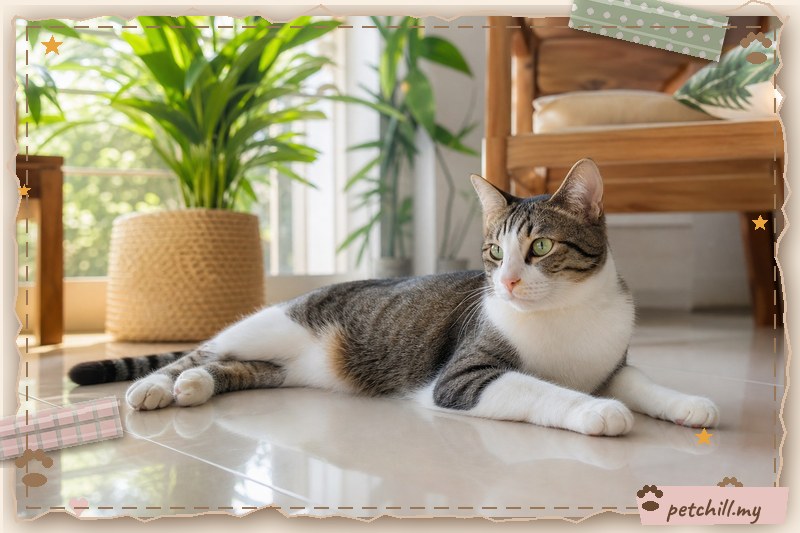
Mobility matters too. An older cat that no longer scratches a post may need nails trimmed more often. If your cat is slipping on tiled floors, add a mat or rug along its usual route. This is a common issue in Malaysian homes with polished tiles, and it makes a real difference to a stiff senior cat.
Eyes, ears and mouth
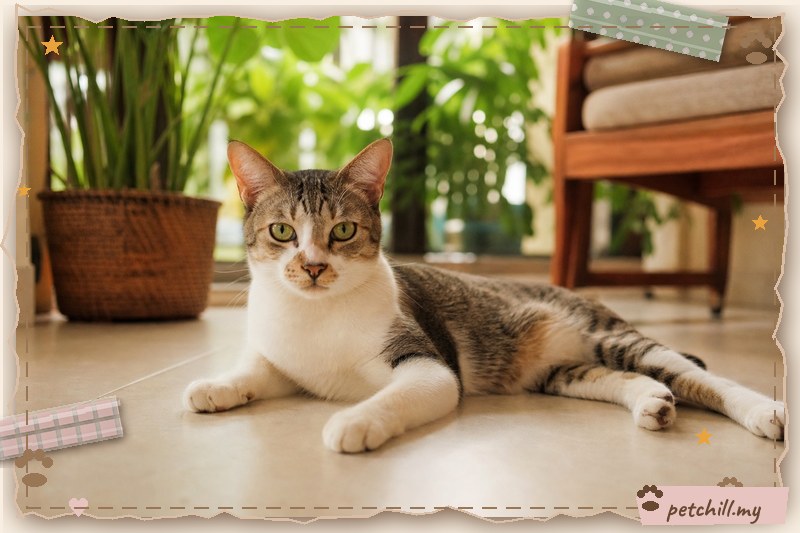
Eyes. Small amounts of clear discharge can be normal, especially in flat-faced breeds. Wipe gently with a damp cotton pad, using a fresh pad for each eye. See a vet for green or yellow discharge, redness, squinting, swelling or a sudden change.
Ears. Healthy ears are pale and mostly clean. Wipe the visible outer part with a cotton pad. Do not use cotton buds in the canal, and do not use home remedies or oils unless your vet recommends them. A bad smell, dark discharge, head shaking or scratching suggests an infection or ear mites.
Mouth. You may not be able to brush a senior cat's teeth fully, but you can look at the mouth regularly. Lift the lip gently and check for red gums, brown tartar, broken teeth and ulcers. Bad breath is common but not normal; it can signal dental disease or other illness. Ask your vet about dental checks, and never use human toothpaste.
Bathing and spot cleaning
Most senior cats do not need frequent baths. Full baths can chill an older cat, stress arthritic joints and increase the risk of slips. Spot cleaning is usually enough: a damp cloth or pet-safe wipe for soiled fur, a warm damp cloth for the rear after toileting, and a soft cloth for the face.
If a bath is genuinely needed, for example after an accident or on veterinary advice, prepare carefully. Use lukewarm water, a non-slip mat, a pet-safe shampoo and a warm room. Wash the body, avoid the face, rinse thoroughly and dry with a towel, keeping the cat warm afterwards. Never leave a wet senior cat in a cold, air-conditioned room.
When to see a vet
Grooming problems are sometimes the first visible sign of illness. Contact your vet if you notice any of the following:
- A sudden stop in self-grooming, or grooming only one area.
- Bald patches, scabs, sores, redness or a rash.
- A greasy, smelly or sticky coat that does not improve.
- New lumps, swelling or areas your cat will not let you touch.
- Pain, flinching, crying or aggression during grooming.
- Overgrown nails curling into the pad, or a swollen, painful paw.
- Eye discharge, redness, squinting or cloudiness.
- Ear discharge, odour, head shaking or scratching.
- Bad breath, drooling, dropping food or eating on one side.
- Weight loss, increased thirst, increased urination or reduced appetite.
- Fleas or ticks that keep returning despite treatment.
- Any mat that is tight against the skin, or skin damage under a mat.
Do not delay because you assume a change is just old age. Early checks are easier on your cat and often cheaper than waiting for a problem to worsen.
A simple daily and weekly checklist
Daily
- Two to five minutes of gentle brushing, or more for long coats.
- Quick look at eyes and ears; wipe if needed.
- Check the rear for soiling after toileting.
- Offer fresh water and note any change in appetite.
Weekly
- Full hands-on body check for lumps, scabs and tenderness.
- Comb through the coat to catch early mats.
- Check nails and paw pads.
- Look in the mouth and check for bad breath.
- Check for fleas and ticks.
- Wash bedding and grooming tools.
Every two to four weeks
- Trim nails if needed.
- Weigh your cat if possible, or ask your vet to weigh it at check-ups.
- Review whether grooming is getting harder, easier or more painful for your cat.
Making grooming easier in Malaysian homes
Malaysian homes often have tiled floors, ceiling fans, air-conditioning and open windows, and each affects grooming. Tiled floors can be slippery for a stiff senior cat, so place a mat where it sleeps and eats. Air-conditioning dries the air, which can worsen dandruff, so keep the room comfortable rather than very cold. Ceiling fans and open windows bring in dust and pollen, so wipe surfaces and bedding regularly. In the rainy season, damp towels and bedding can stay humid, so dry them thoroughly to reduce skin irritation and odour.
If you live in a Kuala Lumpur apartment, keep grooming sessions indoors in a quiet room away from corridor noise and lift traffic. In a Johor terrace house, watch for your cat picking up dirt or insects from the garden and check paws and coat after outdoor time. In Penang, where humidity can stay high, dry your cat thoroughly after any wipe-down and check skin folds for dampness.
Final thoughts
Grooming a senior cat is less about achieving a perfect coat and more about comfort, connection and early detection. Short, gentle sessions, a consistent order, and a weekly hands-on check will keep your older cat cleaner and help you spot problems sooner. If something changes suddenly, or your cat shows pain, get veterinary advice rather than pushing through.
This article is general information only and is not a substitute for veterinary advice. Always consult a licensed veterinarian about your cat's health, grooming and parasite treatment.
Related reading
- Daily Care Guide Malaysia: A Practical Routine for Dogs and Cats
- Grooming Senior Cats Step by Step: A Gentle Daily Routine for Older Cats
- How to Cat Massage a Cat: A Gentle, Step-by-Step Guide for Malaysian Owners
- How to Get a Cat to Drink More Water: A Practical Daily-Care Guide
- How to Clean a Cat's Ears Safely: A Step-by-Step Guide for Malaysian Owners
- Cat Fur Matting: Causes, Fixes and Daily Grooming Tips for Malaysian Cats
- Cat Fur Matting: A Step-by-Step Guide for Malaysian Cat Owners
- Cat Nail Trimming in Malaysia: A Calm, Step-by-Step Guide for Indoor Cats
- Cat Sitter Tips for Cat Owners in Malaysia: A Complete Guide
- Cat Sunscreen & Sun Safety Tips for Malaysian Cats: What Actually Works



