
Start with the box, not the cat
Most cat odour in Malaysian homes comes from the litter box, not from the cat itself. A healthy cat groomed regularly should smell mild. If your home smells strongly of urine or stool, the cause is usually management: too few boxes, too little litter, infrequent scooping, worn-out plastic, or a box placed in a hot, stuffy corner.
Fix the basics first. Then look at ventilation, humidity, diet and health. This guide walks through each layer with practical steps you can apply in a Kuala Lumpur apartment, a Johor terrace house or a Penang home during the rainy season.
Rule 1: One box per cat, plus one
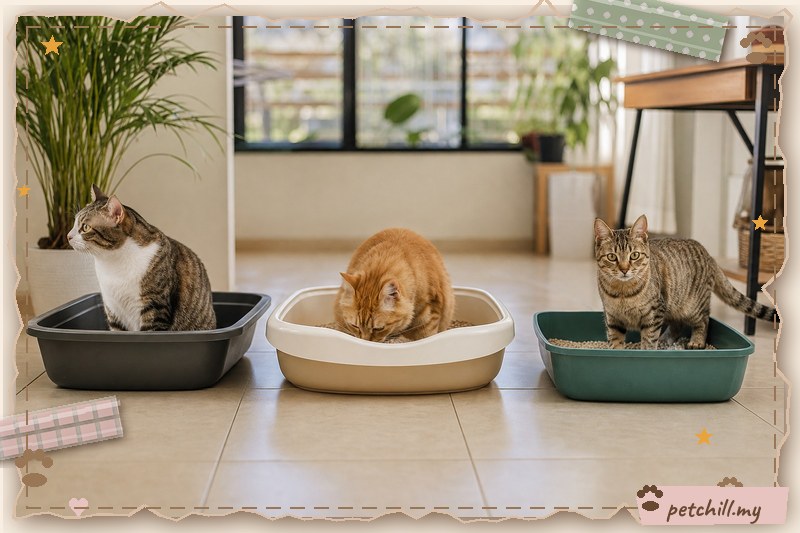
The single most effective odour-control step is having enough boxes. The common guideline is one litter box per cat plus one extra. Two cats means three boxes. This reduces queueing, prevents one cat from guarding a box, and gives you a spare while one is being washed.
Box size matters too. The box should be about one and a half times the length of your cat, nose to tail base. Many commercial boxes sold in Malaysia are too small for adult cats. A large storage tub with a cut-out entrance often works better and costs less.
Placement checklist:
- Put boxes in quiet spots with an escape route.
- Avoid next to food and water bowls.
- Avoid hot, enclosed rooms such as unventilated utility areas.
- Keep one box on each floor in double-storey houses.
- Do not hide boxes behind closed doors that cats cannot open.
Rule 2: Litter depth and litter type
Fill the box with 5–8 cm of litter. Too little litter lets urine reach the plastic, where it soaks into scratches and creates permanent smell. Too much litter is wasteful and makes scooping awkward.
| Litter type | Odour control | Dust | Notes for Malaysian homes |
|---|---|---|---|
| Clumping clay | Good | Moderate to high | Easy to scoop; choose low-dust versions if your cat sneezes |
| Non-clumping clay | Fair | Moderate | Cheaper but needs full changes more often |
| Tofu or soy-based | Good | Low | Lightweight; can absorb humidity and clump softer in wet weather |
| Pine pellets | Good | Low | Sawdust tracking; good for odour but some cats dislike texture |
| Paper pellets | Fair | Low | Useful for sensitive cats; replace frequently |
| Crystal or silica gel | Good | Low | Long-lasting but dusty when poured; some cats dislike the texture |
There is no single best litter. The best litter is one your cat will use consistently and that you can maintain daily. If you change litter, mix old and new over a week so your cat accepts it.
Rule 3: Scoop twice daily, deep-clean weekly
Scoop solids and clumps at least twice a day. In warm Malaysian weather, urine in the box starts producing ammonia quickly, so a once-a-day scoop may not be enough in a small apartment.
Weekly routine:
- Empty the box completely.
- Wash with warm water and a mild unscented soap.
- Avoid strong disinfectants, bleach or pine-based cleaners; residual fumes can deter cats and irritate airways.
- Dry the box fully in the sun if possible. Sunlight helps drying and reduces damp odour.
- Refill with fresh litter.
Replace plastic boxes when they are heavily scratched or still smell after washing. Scratches harbour bacteria that no amount of scooping will fix. Many households replace boxes every year or so, depending on use.
Rule 4: Control humidity and ventilation
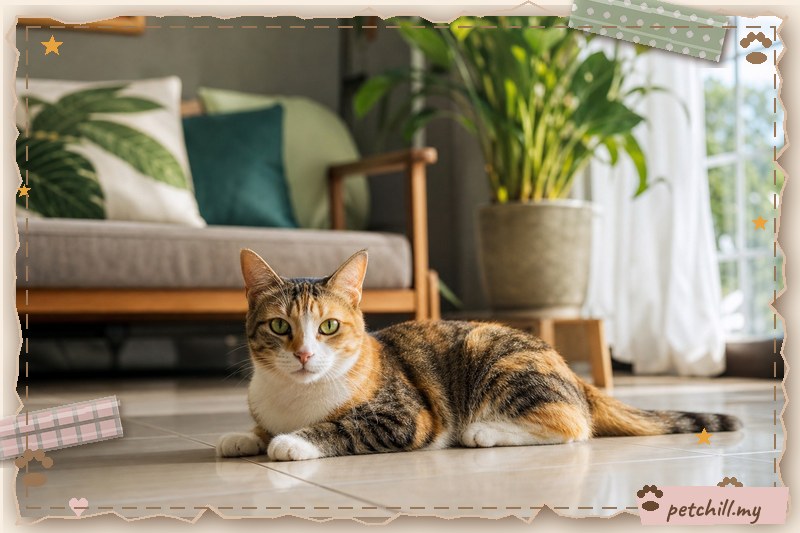
Malaysia's humidity is the hidden driver of pet odour. Damp litter, damp bedding and damp floors hold smell. Improve airflow with open windows, ceiling fans or exhaust fans, especially in the room where the box sits. If the box is in a small bathroom, run the exhaust fan or leave the door ajar.
Practical humidity steps:
- Keep the box away from leaking pipes and damp walls.
- Use a dehumidifier in the box room during the rainy season if the room feels clammy.
- Wash and dry cat bedding weekly; damp bedding smells sour.
- Wipe hard floors with a pet-safe cleaner and dry them rather than leaving puddles.
- Do not store open litter bags in damp store rooms; keep them sealed.
Rule 5: Manage the whole room, not just the box
Odour settles into soft surfaces. Curtains, sofa covers, rugs and cat trees absorb urine and dander. Wash removable covers regularly. Vacuum carpets and cat trees with a brush attachment. For urine accidents, use an enzymatic pet cleaner and allow it to dry completely; the enzymes break down the smell compounds rather than masking them.
Avoid ammonia-based cleaning products. Ammonia smells like urine and can encourage cats to re-mark the same spot. Avoid heavily perfumed air fresheners and scented candles around cats; strong fragrance can irritate their sensitive noses and does not remove the source.
Rule 6: Diet, water and stool odour
Stool odour varies with diet. A consistent, complete cat food with adequate protein and moisture usually produces more predictable stool than frequent switching or feeding large amounts of rich table food. Sudden diet changes can cause gas, loose stool and stronger smell. Transition over seven to ten days.
Water intake matters. Cats that drink little may produce more concentrated urine. Encourage drinking with multiple water bowls, a pet fountain, and wet food if suitable for your cat. Always follow your vet's advice for cats with kidney or urinary conditions.
Rule 7: Grooming and the cat itself
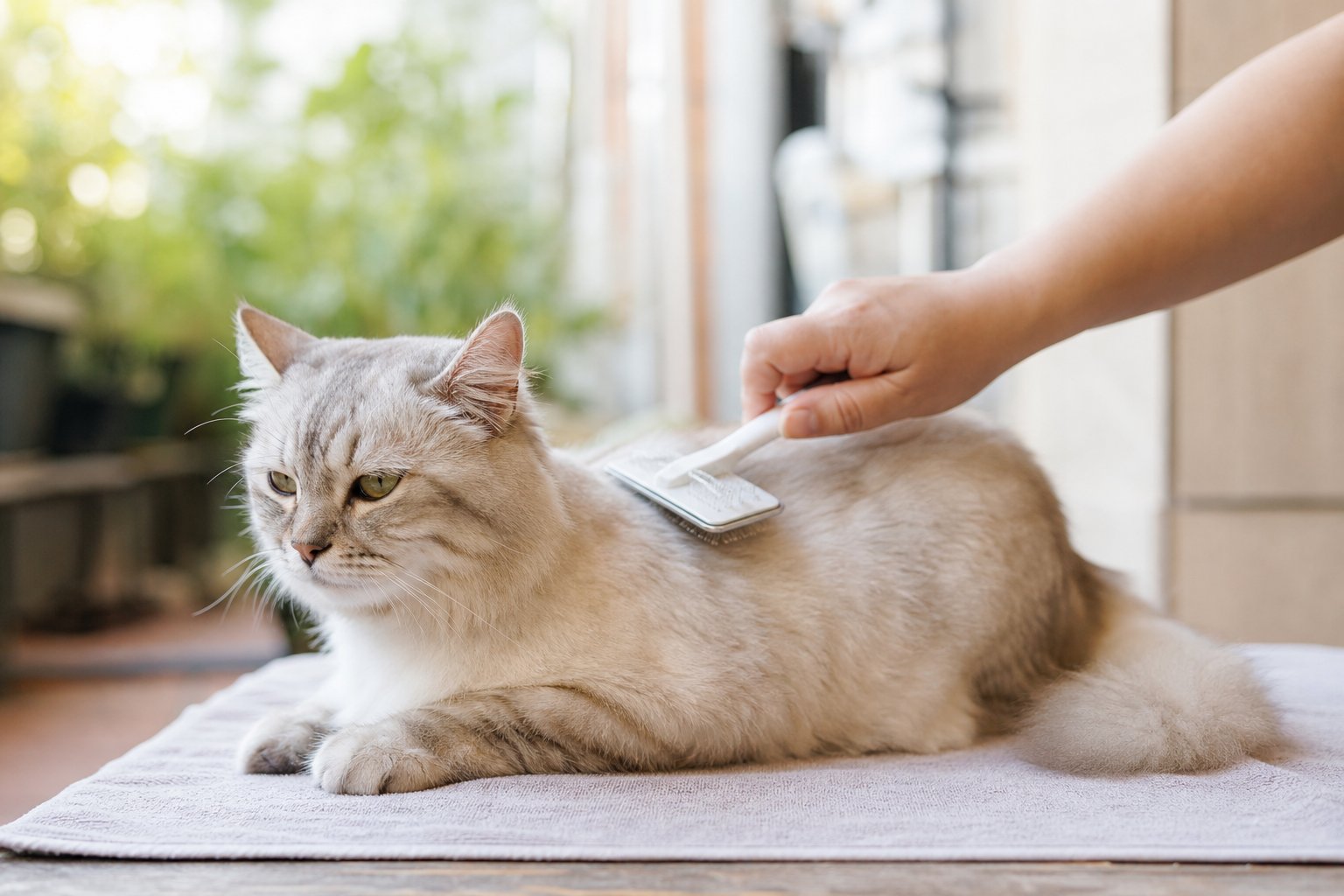
A healthy cat self-grooms, but long-haired cats and older cats may need help. Brush regularly to remove loose fur and dander. Check the rear end, paws and mouth. Impacted anal glands, dental disease and skin infections can all cause odour that no litter routine will fix.
Bathing is rarely necessary for cats and can dry their skin. Spot-clean soiled fur with a damp cloth or pet-safe wipe. If your cat smells persistently despite good grooming, book a vet check.
Rule 8: Multi-cat households
More cats means more waste and more social pressure. Provide separate feeding stations, multiple water points, and boxes in different locations. Avoid placing all boxes in one row; cats may guard or block access. Clean boxes more often, not just more boxes. Watch for one cat hiding or avoiding the box, which can signal stress or illness.
Rule 9: Travel, boarding and temporary setups
When travelling within Malaysia or boarding your cat, pack a familiar litter and a portable box. Cats are sensitive to litter changes and unfamiliar smells. At home after boarding, expect a short adjustment period. If your cat urinates outside the box after returning, rule out stress and health issues with your vet.
Rule 10: When the smell is a health signal
Some odours need medical attention, not more cleaning. Watch for:
- Urine that smells unusually strong, sweet or fishy.
- Straining to urinate, crying in the box, or frequent small urinations.
- Blood in urine.
- Sudden urination outside the box in a previously reliable cat.
- Diarrhoea, gas or greasy stool.
- Bad breath, drooling or difficulty eating.
- Discharge, wounds or a persistent smell from the ears or skin.
Male cats, especially, can develop urinary blockages, which are emergencies. If your cat is straining and producing little or no urine, seek veterinary care immediately.
When to see a vet
See a vet promptly if your cat shows straining to urinate, blood in urine, repeated vomiting, diarrhoea lasting more than a day, loss of appetite, bad breath with weight loss, or a sudden change in litter box habits. These signs can indicate urinary, dental, digestive or metabolic disease. Do not rely on odour-control products to mask a medical problem.
A simple daily and weekly checklist
Daily:
- Scoop solids and clumps twice.
- Top up litter to 5–8 cm.
- Wipe up spills and accidents immediately.
- Open windows or run fans in the box room.
Weekly:
- Deep-clean boxes and dry fully.
- Wash bedding and soft covers.
- Vacuum cat trees and rugs.
- Check litter stock and discard damp bags.
Monthly:
- Inspect boxes for scratches and replace if needed.
- Review diet and water intake.
- Weigh your cat if possible and note changes.
Local context for Malaysian homes
In a Kuala Lumpur apartment, space is tight and airflow can be limited. Keep the box away from the kitchen and sleeping area, use a large open box, and run the exhaust fan or a small fan to move air. In a Johor terrace house, boxes may sit in a utility area or car porch; keep them dry during monsoon rains and away from damp walls. In Penang during the rainy season, humidity rises, so dry bedding thoroughly and check litter bags for moisture.
Bottom line
Cat odour control is mostly about routine: enough boxes, enough litter, frequent scooping, weekly deep cleaning, good ventilation and humidity control. If the smell persists despite these steps, or if your cat's habits change, see a vet. A healthy cat in a well-managed home should not make the house smell.
This article is general information only and is not a substitute for veterinary advice. Consult a licensed veterinarian for diagnosis and treatment of your cat.
Related reading
- Daily Care Guide Malaysia: A Practical Routine for Dogs and Cats
- Cat Sitter for Cat Owners in Malaysia: A Practical Guide
- Cat Sunscreen for Cats: Step-by-Step Guide for Malaysian Pet Parents
- Ear Cleaning Cat Tips Malaysia: Safe At-Home Routine for Malaysian Owners
- How to Control Cat Odour in a Malaysian Home: A Practical Guide
- Monsoon Season Tips for Cat Owners in Malaysia: A Practical Wet-Weather Care Guide
- Multi-Cat Household Tips for Cat Owners: A Practical Guide for Malaysian Homes
- Best Cat Carrier for Cats in Malaysia: A Practical Buying Guide
- Best Cat Tree for Cats in Malaysia: A Practical Buying Guide
- Cat Fur Matting: A Step-by-Step Guide for Malaysian Cat Owners
- Cat Sitter Tips for Cat Owners in Malaysia: A Complete Guide



