
The short answer
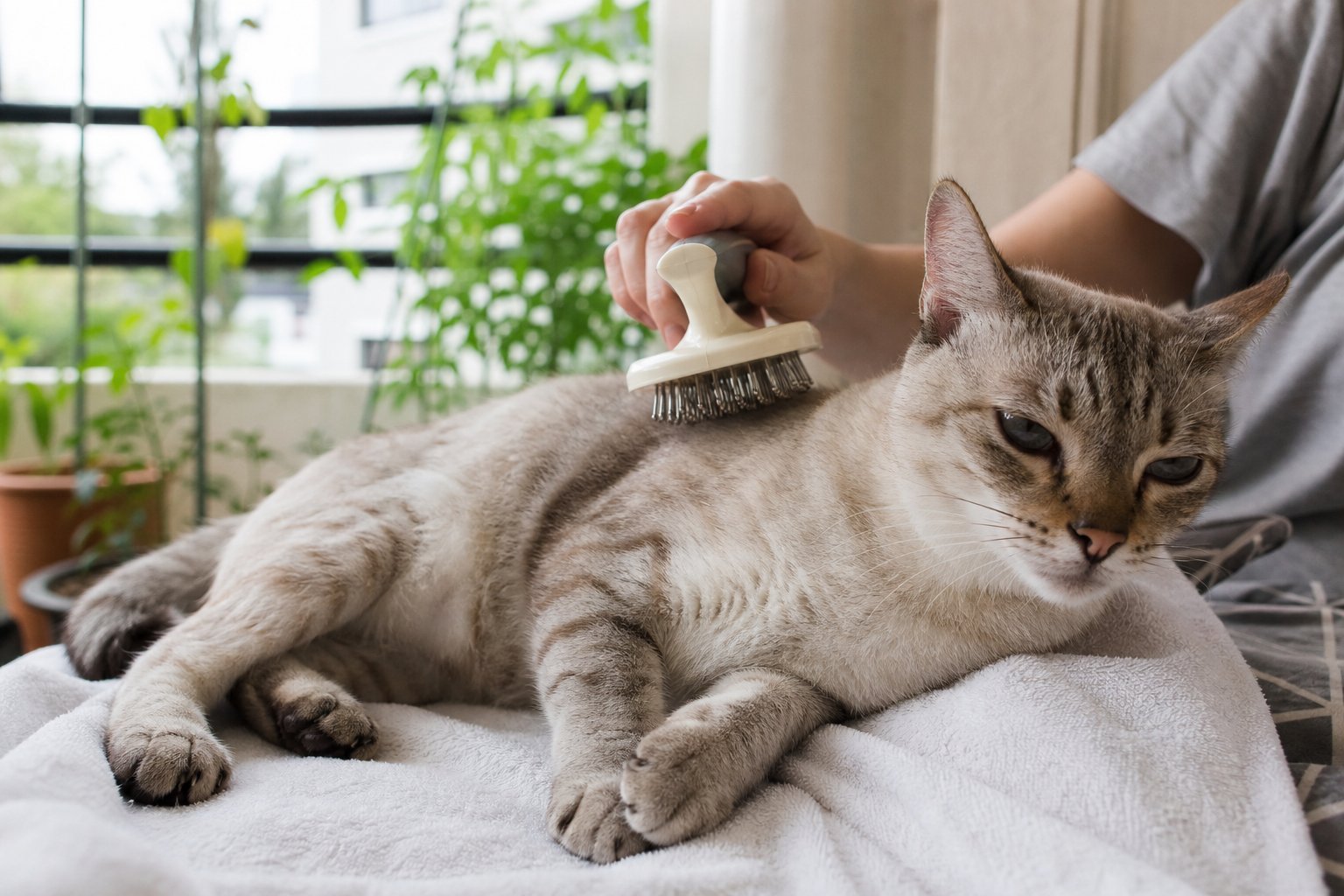
Grooming a senior cat is less about beauty and more about comfort and health checks. Older cats often groom less thoroughly because of arthritis, dental pain, weight gain or reduced flexibility. A short, gentle routine most days keeps the coat clean, prevents matting and gives you a chance to notice lumps, skin changes, sore mouths and overgrown nails early.
Work in this order: calm handling, coat brush-out, skin and body check, eyes, ears, nails, then dental care. Keep each session short, reward your cat, and stop if they show pain or stress.
Why senior cats need a different grooming approach
A young cat spends a lot of time licking, nibbling and washing itself. As cats age, that self-grooming can drop off. The reasons are practical rather than lazy:
- Joint stiffness. Reaching the back, tail base and hind legs becomes uncomfortable.
- Dental pain. A sore mouth makes licking and nibbling painful.
- Weight changes. Extra weight makes twisting and reaching harder; weight loss can signal illness.
- Reduced senses. Poor eyesight or smell can make grooming less effective.
- Illness. Kidney disease, thyroid problems, diabetes and skin conditions can change coat quality.
- Cognitive changes. Some older cats become confused or less interested in routine.
The result is often a dull coat, dandruff, greasy patches, matting behind the ears or under the tail, and overgrown nails. Grooming is also a health screen: you feel lumps, scabs, wounds and tenderness that you would otherwise miss.
Step 1: Set up a calm grooming space
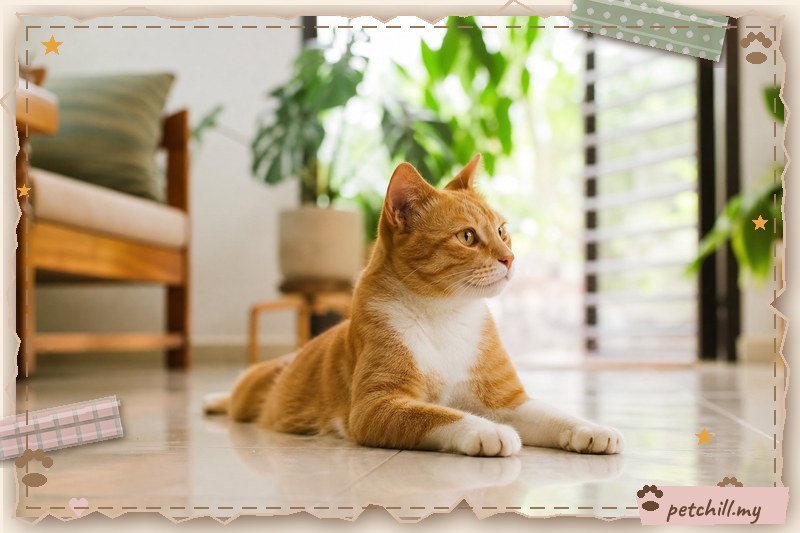
Before you touch your cat, set the scene.
- Choose a quiet room away from other pets and noise.
- Use a non-slip mat or a towel on a stable table or your lap.
- Have treats, a soft brush, a metal comb, cat nail clippers, cotton pads and a damp cloth within reach.
- Keep sessions short — 5 to 10 minutes is plenty for most senior cats.
- Pick a time when your cat is relaxed, often after a meal or a nap.
Handle your cat gently. Let them sniff the brush first. If they walk away, let them go and try again later. Forcing a session teaches a cat to fear grooming, which makes future care harder.
Step 2: Brush the coat gently, section by section
Brushing removes loose fur, spreads natural oils and prevents mats. The right tool depends on the coat:
| Coat type | Suggested tool | Frequency | Notes |
|---|---|---|---|
| Short, smooth coat | Rubber curry brush or soft bristle brush | Every other day | Gentle circular strokes, then smooth down |
| Short, dense coat | Fine-toothed metal comb plus slicker brush | 2–3 times a week | Check under the tail and behind ears |
| Medium coat | Slicker brush plus metal comb | Most days | Comb after brushing to find hidden mats |
| Long coat | Wide-toothed comb, slicker brush, metal comb | Daily | Work in small sections; never pull mats |
| Curly or woolly coat | Slicker brush and comb | Daily | Mats form quickly; consider professional help |
Work in the direction the fur grows. Start at the head and neck, then the back, sides, belly if tolerated, legs and tail. Use one hand to support the skin so you are not pulling it. Pay attention to the armpits, groin, behind the ears and the base of the tail, where mats commonly form.
If you find a mat, do not yank it. Try to tease it apart with your fingers or a comb, working from the tip inward. Severe mats close to the skin should be removed by a vet or professional groomer, because cutting cat skin is very easy to do by accident.
Step 3: Check skin, lumps and body condition
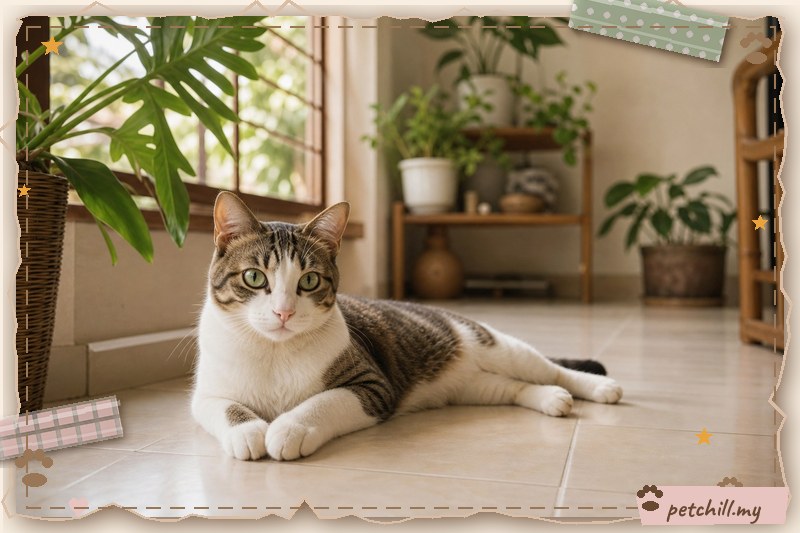
While brushing, run your hands over the whole body. This is your monthly — ideally weekly — health check.
Look and feel for:
- New lumps or bumps, and whether they are fixed or movable.
- Scabs, wounds, redness or flaky patches.
- Fleas, flea dirt or ticks, especially after time outdoors.
- Greasy or smelly areas.
- Thinning fur or bald patches.
- Tenderness when you touch a joint or the belly.
- Changes in weight or muscle mass along the spine and hips.
In Malaysia's warm, humid climate, skin folds and long coats can stay damp, which may encourage skin irritation. Drying a cat thoroughly after any bath or wet towel wipe is important. If you see persistent redness, hair loss or itching, ask your vet rather than trying many home remedies.
Step 4: Clean eyes and ears only when needed
Most cats do not need daily eye or ear cleaning. Less is often better.
Eyes: Use a clean, damp cotton pad to wipe away normal sleep crusts from the inner corner outward. Use a separate pad for each eye. Do not use the same pad on both eyes. Never press on the eyeball.
Ears: Look at the ear flap and the visible canal. Normal ears are pale and mostly clean. If you see dark debris, discharge, redness, swelling or your cat scratches at the ear, see a vet. Do not push cotton buds deep into the ear canal; this can pack wax or damage the ear. A vet-recommended ear cleaner on a cotton pad for the outer flap is usually enough.
Stop and seek advice if there is a bad smell, pain, head shaking or balance problems.
Step 5: Trim nails carefully
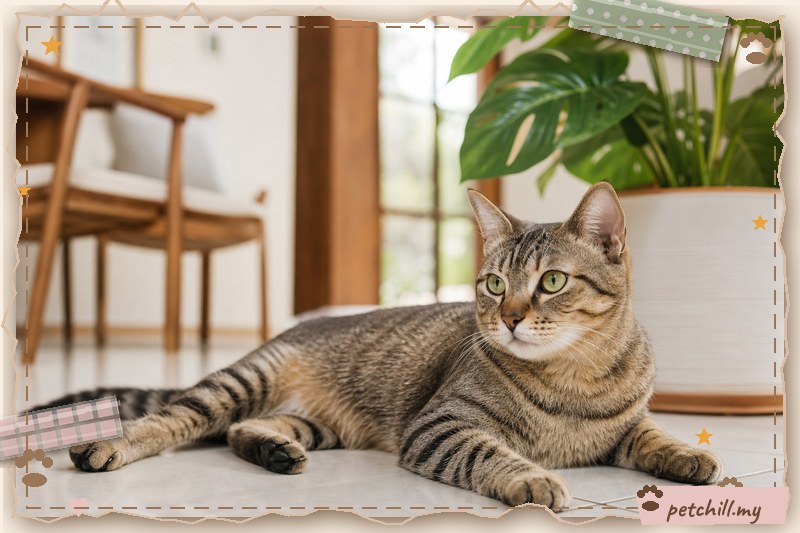
Senior cats often grow thick, curled nails because they scratch less. Overgrown nails can catch on fabric, curl into the paw pad and cause pain or infection.
How to trim safely:
- Hold a paw gently and press the pad to extend a nail.
- Look for the pink quick inside the nail. On clear nails it is easy to see; on dark nails it is harder.
- Cut only the clear, curved tip, well away from the quick.
- Trim a little at a time. If unsure, take off less.
- Reward and move to the next paw, or stop and continue another day.
If your cat has thick, brittle or ingrown nails, or you cannot see the quick, let your vet or a groomer handle it. Never use human nail clippers, which can split the nail.
Step 6: Dental care and mouth checks
Dental disease is common in older cats and can be painful. Grooming time is a good moment to check the mouth — but only if your cat allows it.
- Lift the lip gently to look at the gums and teeth.
- Note bad breath, red gums, brown tartar, drooling or missing teeth.
- If your cat flinches when the mouth is touched, stop. Pain on mouth handling needs a vet check.
If your vet says your cat's mouth is healthy, ask about tooth brushing with cat-safe toothpaste. Never use human toothpaste. Dental chews or vet-recommended products may help some cats, but they are not a substitute for professional dental care.
Step 7: Bathing and spot cleaning
Most senior cats do not need regular baths. Bathing can stress an older cat and is risky if they are weak or unwell. Spot cleaning with a damp cloth or pet-safe wipe is often enough for minor mess.
If a bath is necessary:
- Use a cat-safe shampoo only.
- Work in a warm, draught-free room.
- Avoid the eyes, ears and mouth.
- Rinse thoroughly.
- Dry with a towel and keep the cat warm until fully dry.
- Never leave a wet cat in a cold or air-conditioned room to dry on its own.
Ask your vet first if your cat has skin disease, is on medication or is unwell.
A simple daily and weekly routine
| Task | How often | Time needed |
|---|---|---|
| Gentle brush-out | Most days | 5–10 minutes |
| Skin and lump check | Weekly | 2–3 minutes |
| Eye wipe (if needed) | As needed | Under 1 minute |
| Ear check | Weekly look; clean only if needed | 1–2 minutes |
| Nail check | Every 2–4 weeks | 2–5 minutes |
| Mouth check | Weekly, if tolerated | Under 1 minute |
| Full body hands-on check | Monthly | 5 minutes |
Short, frequent sessions are better than long ones. A cat that tolerates two minutes daily will be groomed more consistently than one that is held down for twenty minutes once a week.
Handling cats that dislike grooming
Some senior cats become less tolerant of handling, especially if they are in pain. Try these approaches:
- Start with one body area and build up over days.
- Use a towel or blanket wrap for nail trims if your cat accepts it.
- Pair grooming with treats or a favourite brush.
- Try a grooming glove if a brush frightens your cat.
- Ask for help from a family member to hold gently, or book a groomer experienced with senior cats.
- Rule out pain first. A cat that suddenly hates being touched may have arthritis, dental pain or another medical problem.
In a Kuala Lumpur apartment, space is often limited, so a quiet bathroom or a corner away from the balcony door can work well as a grooming spot. In a Johor terrace house with several pets, grooming one cat in a closed room prevents interruptions and reduces stress.
When to see a vet
Contact your vet if you notice any of the following:
- Sudden matting or a coat that has become greasy, dull or flaky.
- New lumps, wounds, scabs or areas of hair loss.
- Bad breath, drooling, dropping food or refusing to eat.
- Red, swollen or discharging eyes or ears.
- Overgrown, curled or ingrown nails, or nails you cannot trim safely.
- Reluctance to be touched, especially on the back, hips or mouth.
- Weight loss or weight gain, or a sudden change in grooming behaviour.
- Any sign of pain, lameness or confusion.
These signs are not just grooming problems. They can be the first visible clue to arthritis, dental disease, skin infection or an underlying illness.
A note on Malaysian conditions
Malaysia's heat and humidity mean cats can be uncomfortable and skin can stay damp. Keep long-haired cats well brushed, dry them properly after any wet cleaning, and check skin folds regularly. During the rainy season in Penang or other states, indoor cats may still get damp from humidity, so watch for skin irritation and keep bedding dry.
Local prices for grooming tools, professional grooming and veterinary care vary, so ask a Malaysian vet or retailer for current advice rather than relying on overseas prices.
Vet disclaimer
This article is general information and is not a substitute for veterinary advice. Every senior cat is different. If your cat is unwell, in pain, or you are unsure about grooming, contact a licensed veterinarian for a proper examination.
Related reading
- Daily Care Guide Malaysia: A Practical Routine for Dogs and Cats
- Cat Fur Matting: Causes, Fixes and Daily Grooming Tips for Malaysian Cats
- Cat Fur Matting: A Step-by-Step Guide for Malaysian Cat Owners
- How to Clean a Cat's Ears Safely: A Step-by-Step Guide for Malaysian Owners
- How to Groom Senior Cats: A Gentle Daily-Care Guide for Malaysian Owners
- Iodine Tincture vs Povidone-Iodine for Pets in Malaysia: When It's Actually Needed (and When It's Not)
- Pet Daily Care Guide Malaysia: Brushing, Nails, Ears, Eyes, Teeth and Weight (2026)
- Haze and Cat Breathing in Malaysia: How to Protect Your Cat During Smoky Air
- How to Deal With Cat Fur Matting: A Practical Grooming Guide for Malaysian Cat Owners
- How to Cat Massage a Cat: A Gentle, Step-by-Step Guide for Malaysian Owners



