
Monsoon care for cats in Malaysia: what actually matters
Malaysia's wet season is not just a few showers. Depending on the region, the northeast monsoon can bring long spells of rain, grey skies and high humidity, while afternoon thunderstorms are common in many areas. For cat owners, the practical question is simple: what changes at home when the air stays damp for days or weeks?
The short answer is that monsoon care is mostly about moisture control, warmth, hygiene and stress. Cats are generally good at coping with rain if they have a dry, safe base. Problems tend to build slowly: a damp coat that never quite dries, a litter tray that smells stronger, food left out too long, a cat that hides under the bed during thunder. This guide walks through the routines that help, with checklists you can use through the season.
Keep your cat dry, warm and draft-free
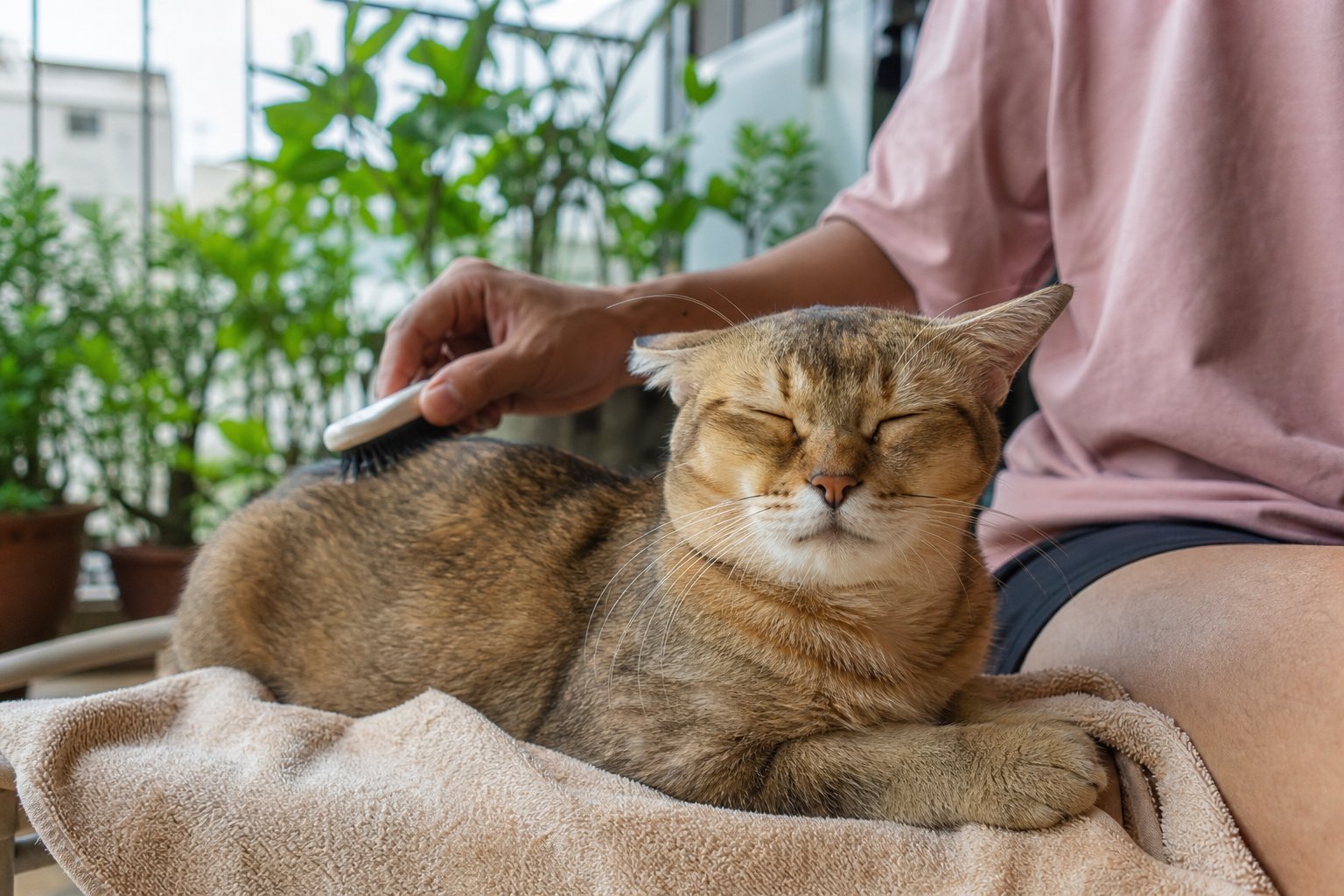
A cat's coat insulates best when it is dry. Once fur is soaked, the skin underneath stays damp, and a cat that cannot find a warm spot may become uncomfortable. You do not need to wrap your cat in blankets all day. You do need a dry indoor base.
Practical drying routine after a wet outing
- Blot the coat with a clean towel, starting from the back and working towards the legs.
- Pay attention to the belly, armpits, groin and between the hind legs, where moisture lingers.
- Check the paws and between the toes; dry gently.
- Wipe the ears with a dry cloth only on the outer part; never push anything into the ear canal.
- Let your cat finish grooming in a warm, draught-free room.
If your cat tolerates it, a low-heat hairdryer held well away from the body can help, but many cats dislike the noise. A towel and a warm room are usually enough. Never use a hot dryer close to the skin.
Set up a dry sleeping zone
- Choose a spot away from doors, windows and air-conditioning vents that blow directly onto the bed.
- Use bedding that dries quickly, such as cotton or fleece, and wash it weekly in damp weather.
- Raise beds slightly off cold tile floors, especially in air-conditioned rooms.
- Offer more than one sleeping option so your cat can choose a warmer or cooler spot.
In a Kuala Lumpur apartment, damp often collects in bathrooms and near windows where rain blows in. Wipe window sills and floors dry, and keep the bathroom door closed if your cat likes to sleep on cool tiles. In a Johor terrace house, rain can drive under a covered porch or into a utility area; check that your cat's favourite outdoor resting spot is not sitting in a puddle.
Manage indoor humidity and damp
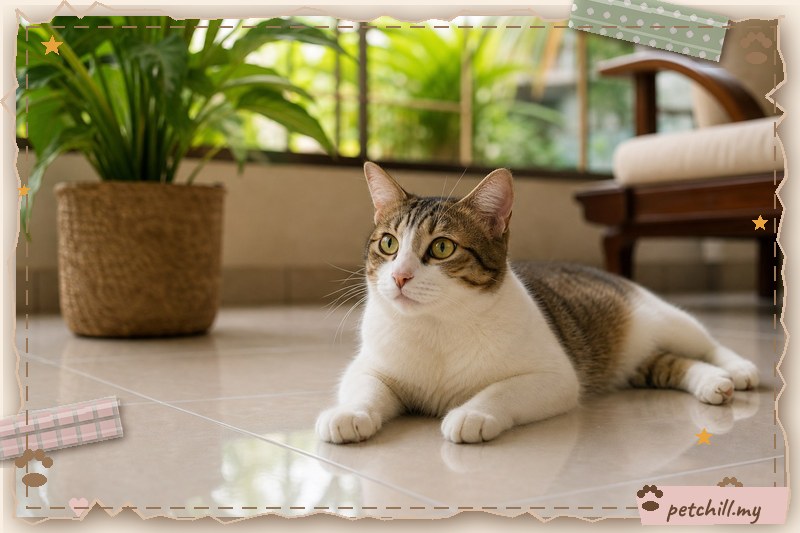
High humidity is the quiet driver behind many monsoon problems. It makes bedding feel clammy, slows drying, encourages mould and can make skin folds and ears feel uncomfortable. You cannot control the weather, but you can control the indoor microclimate.
Simple humidity checklist
- Open windows briefly when rain stops to let moist air out and fresh air in.
- Use exhaust fans in bathrooms and kitchens.
- Run air conditioning on a dry setting if you have it; this removes moisture as well as cooling.
- Consider a dehumidifier in the room where your cat sleeps, especially in older homes or ground-floor rooms.
- Do not dry laundry indoors in the same small room where your cat sleeps; it adds moisture to the air.
- Wipe condensation from windows and walls.
- Check cupboards and cat carriers for musty smells; air them out.
If you use a dehumidifier, keep the cord out of reach and give your cat an escape route to a room that is not being dried. Some cats dislike the fan noise, so introduce it gradually.
Paw, skin and ear checks: the weekly five-minute routine
Damp conditions make paw and skin problems more noticeable. You do not need to be a groomer, but a short weekly check catches small issues before they become sores.
What to check
| Area | What to look for | What to do |
|---|---|---|
| Paw pads | Cracks, softness, redness, trapped grit | Dry gently; keep litter clean; ask a vet if sore |
| Between toes | Moisture, matted fur, smell | Dry after wet outings; trim matts only if safe |
| Skin folds | Redness, discharge, odour | Keep dry; clean gently; vet if worsening |
| Ears | Dark discharge, scratching, head shaking | Wipe outer ear only; vet if discharge or pain |
| Coat | Greasiness, dandruff, matts | Brush regularly; dry thoroughly after wetting |
| Nose and eyes | Discharge, sneezing, squinting | Monitor; vet if persistent |
Long-haired cats and flat-faced breeds may need more frequent checks because moisture and debris trap more easily. Senior cats and overweight cats may struggle to groom hard-to-reach areas, so help them with gentle brushing and drying.
If your cat goes outside, rinse muddy paws with plain water and dry them. Avoid frequent shampooing unless your vet recommends it for a skin condition. Over-washing strips natural oils and can make the coat and skin worse.
Food, water and litter hygiene in wet weather
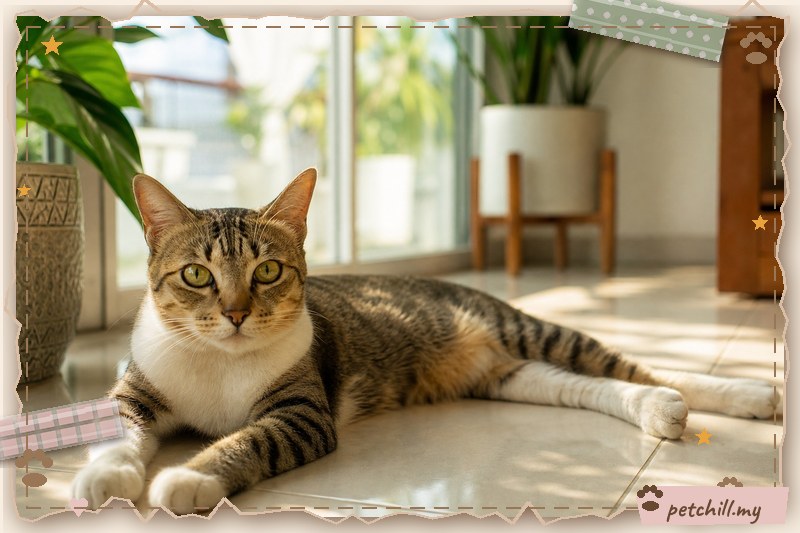
Warm, humid air speeds up spoilage. A bowl of wet food that is fine in air-conditioned comfort can turn quickly in a stuffy kitchen. The same applies to water bowls that develop a slimy film, and litter that clumps poorly in damp air.
Food and water rules
- Serve wet food in portions your cat will finish; remove leftovers within about 30 minutes.
- Cover and refrigerate opened cans, and let food come to room temperature before serving.
- Store dry food in a sealed container in a cool, dry cupboard, not next to the stove or in a damp utility room.
- Wash food and water bowls daily with hot soapy water and rinse well.
- Refresh water at least once a day; more often if your cat dribbles food into the bowl.
- Check dry food for clumping, musty smell or insects; discard if affected.
Litter tray tips
- Scoop at least once a day, twice if possible.
- Replace clumping litter more often in humid weather; damp litter smells stronger and tracks.
- Keep the tray in a dry, ventilated spot, not next to a leaking window or wet floor.
- Wash the tray with mild soap and dry it fully before refilling.
- Provide one tray per cat plus one extra where space allows.
If your cat suddenly avoids the litter tray, do not assume it is being difficult. Damp, dirty litter, a noisy location or a painful urinary problem can all be reasons. See a vet if avoidance comes with straining, frequent small urinations or blood.
Storm anxiety and safe hiding places
Thunderstorms are a regular feature of Malaysian weather. Some cats barely react; others hide, pace, vocalise or over-groom. You cannot stop the thunder, but you can make the experience less frightening.
Before and during a storm
- Close curtains and windows to reduce flashes and wind noise.
- Create a hiding spot with a covered bed, box or cupboard your cat already likes.
- Play soft music or white noise to mask thunder.
- Keep your own behaviour calm; avoid picking up a frightened cat who wants to hide.
- Offer food and water near the hiding place rather than forcing your cat to come out.
- Keep doors and windows secure so a startled cat cannot bolt outside.
If your cat becomes severely distressed, injures itself, stops eating during stormy spells or cannot settle for hours, talk to your vet. Behavioural support and, in some cases, medication may be appropriate, but these should be discussed with a professional rather than improvised.
Outdoor access, carriers and travel in the rain
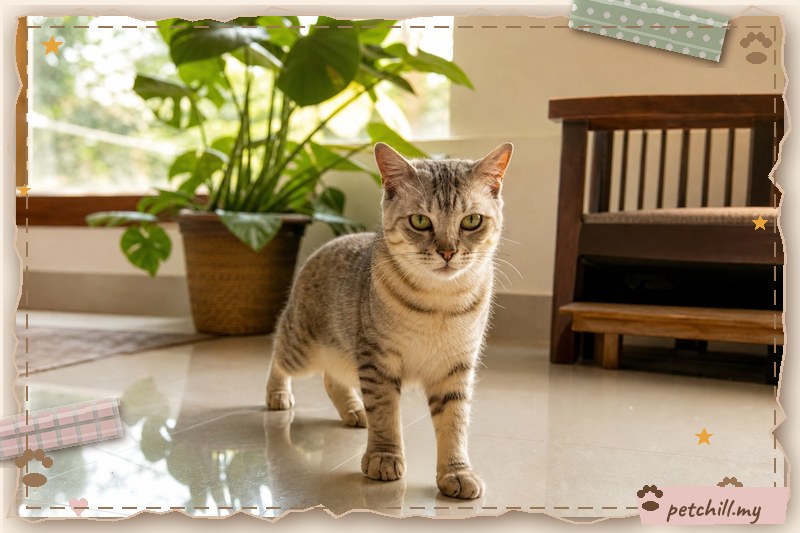
Many Malaysian cats live indoors, but some have supervised outdoor time or live in homes with enclosed courtyards. Rain changes the risk profile: wet ground, slippery tiles, standing water and reduced visibility.
If your cat goes outside
- Skip outdoor time during heavy rain and thunderstorms.
- Check that gates, screens and windows are secure before the season starts.
- Dry your cat thoroughly after any wet outing.
- Keep outdoor water bowls emptied and refilled with clean water; do not let them collect rain.
- Watch for cats sheltering under cars or in drains; check before driving.
Carrier and travel checklist
- Keep the carrier dry and store it indoors, not in a damp store room.
- Line it with a dry towel and check for mould before use.
- For vet visits in the rain, cover the carrier with a towel or light cover while walking to the car.
- Bring a spare towel in case your cat gets wet.
- Never leave a cat in a parked car, even in cloudy weather.
A monsoon season checklist for Malaysian cat homes
Use this as a weekly reset during the wet season.
- Wash and fully dry cat bedding.
- Wipe window sills, floors and surfaces where rain blows in.
- Check food containers for moisture, clumping or insects.
- Wash bowls and water dispensers.
- Scoop litter twice daily and refresh damp litter.
- Brush your cat and check paws, ears, skin folds and coat.
- Air out carriers, cupboards and cat trees.
- Check screens, windows and doors for gaps.
- Review your storm plan: hiding spot, carrier, towel, food and water.
- Note any changes in appetite, drinking, urination, grooming or behaviour.
When to see a vet
Monsoon care at home covers the everyday. Some signs need professional assessment. Contact a veterinarian if your cat:
- stops eating or drinking, or eats noticeably less for more than a day;
- has vomiting or diarrhoea that persists or comes with lethargy;
- breathes with effort, coughs repeatedly or makes unusual breathing sounds;
- strains to urinate, urinates frequently in small amounts, or has blood in the urine;
- has persistent scratching, hair loss, red skin, sores, odour or ear discharge;
- has a paw that is swollen, painful, bleeding or smells unpleasant;
- shows severe storm anxiety, self-injury or cannot settle;
- has a wet coat and then becomes shivery, weak or unusually quiet.
Do not rely on home remedies for these signs. A vet can examine your cat, check for skin or ear infections, assess hydration and rule out underlying disease. Local prices for consultations, tests and treatment vary, so ask your clinic directly rather than budgeting from online figures.
Frequently asked questions
How do I keep my cat dry during Malaysia's rainy season? Keep cats indoors when rain is heavy, dry wet fur with a towel promptly, and check paws and belly after outdoor access. Provide a covered litter area and a dry sleeping spot away from windows and doors so damp does not settle into bedding.
Is high humidity bad for cats? Persistent damp can worsen skin fold irritation, encourage mould in bedding and food, and make some cats uncomfortable. Use ventilation, air conditioning or a dehumidifier, wash bedding often, and dry your cat thoroughly after any wetting.
Why is my cat scared during thunderstorms? Loud thunder, wind and pressure changes can frighten cats. Give a quiet hiding place, close curtains, play calm music, and avoid forcing interaction. If fear is severe or your cat injures itself, ask your vet about behavioural support.
Can wet food spoil faster in monsoon weather? Yes. Warm, humid conditions speed spoilage. Serve wet food at room temperature, remove uneaten portions within about 30 minutes, refrigerate opened cans, and wash bowls daily. Never leave food out all day in damp weather.
Should I bathe my cat more often in the rainy season? Not usually. Most cats groom themselves well. Bathe only when needed, use a cat-safe shampoo, and dry thoroughly afterwards. Over-bathing can dry the skin and coat. Ask your vet if your cat has skin disease.
When should I see a vet during monsoon season? See a vet if your cat stops eating, has diarrhoea or vomiting, breathes with effort, has persistent scratching, hair loss, sores or ear discharge, or shows severe storm anxiety. These signs need professional assessment rather than home remedies.
Vet disclaimer
This article provides general information for cat owners in Malaysia and is not a substitute for veterinary advice. Every cat is different, and signs that look minor can have serious causes. If you are worried about your cat's health or behaviour, consult a licensed veterinarian who can examine your cat in person.
Related reading
- Daily Care Guide Malaysia: A Practical Routine for Dogs and Cats
- Pet Daily Care Guide Malaysia: Brushing, Nails, Ears, Eyes, Teeth and Weight (2026)
- Cat Nail Trimming in Malaysia: A Calm, Step-by-Step Guide for Indoor Cats
- Cat Nail Trimming in Malaysia: Frequency, Technique and Quick Bleeding First Aid
- Paw Care Cat Tips Malaysia: A Practical Daily Guide for Cat Owners
- Paw Care for Cats Step by Step: A Simple Weekly Routine
- Best Cat Carrier for Cats in Malaysia: A Practical Buying Guide
- Best Cat Grass for Cats in Malaysia: A Practical Buying & Growing Guide
- Best Cat Tree for Cats in Malaysia: A Practical Buying Guide
- Best Catnip for Cats in Malaysia: A Practical Buyer's Guide
- Best Food Bowl for Cats in Malaysia: A Practical Buying Guide
- Best Interactive Toys for Cats in Malaysia: A Practical Buying Guide



