
Quick answer
Haze can irritate a cat's airways, causing coughing, sneezing and laboured breathing. Keep cats indoors with windows shut, run an air purifier, avoid smoking indoors, and see a vet promptly if breathing is noisy, fast or the gums look pale or blue.
Why haze matters for cats
Haze is a mix of fine particles and gases from fires and traffic. These particles are small enough to reach deep into the lungs. Cats have sensitive airways and small lungs, so smoke and dust can trigger inflammation. Healthy cats may show mild signs, but cats with feline asthma, chronic bronchitis, heart disease or a history of respiratory infection are at greater risk. Brachycephalic breeds such as Persians and Exotic Shorthairs, which have flatter faces, may struggle more because their airways are already narrow. Kittens and senior cats also have less reserve.
Malaysia's haze episodes often coincide with dry periods and can last days or weeks. The Air Pollutant Index (API) is reported by the Department of Environment. When the API is unhealthy, outdoor air can affect indoor air too, especially in homes with open windows or poor ventilation. Cats that live on balconies or in open-air cages are directly exposed. Even indoor cats can be affected if windows are left open or if someone smokes indoors.
How haze affects a cat's breathing
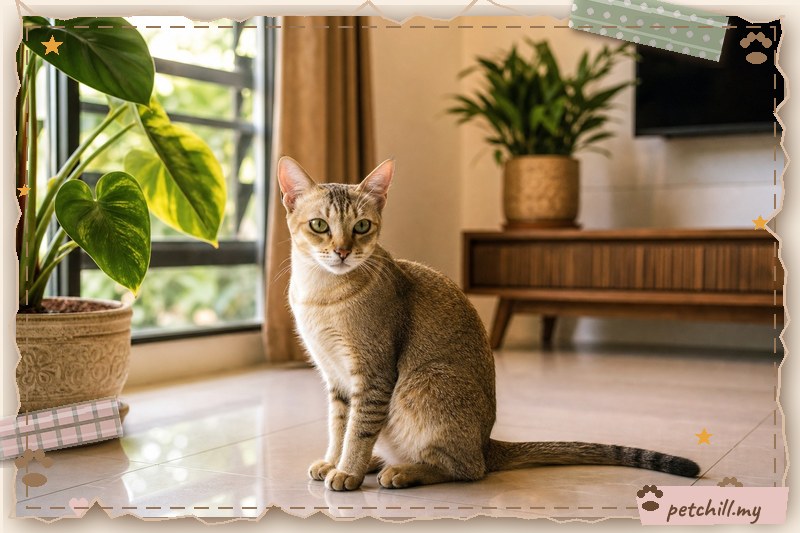
When a cat inhales smoke particles, the airways respond with inflammation and mucus. This narrows the passages and makes breathing harder. Common effects include:
- Nose and throat irritation: sneezing, clear nasal discharge, reverse sneezing.
- Eye irritation: redness, squinting, watery eyes.
- Coughing: often dry, sometimes with a gag at the end.
- Wheezing: a whistling sound, more common in asthmatic cats.
- Increased breathing effort: the belly moves more with each breath.
- Lethargy and reduced appetite: a sick cat may hide and eat less.
Cats are good at hiding illness. A cat that is breathing faster than usual may still eat and groom. Counting breaths at rest is a simple way to catch problems early. Normal resting breathing is quiet and around 20 to 30 breaths per minute. If you count more than 40 breaths per minute at rest, or if breathing looks laboured, contact a vet.
Signs your cat needs help
Some signs are emergencies. Seek veterinary care immediately if you see:
- Open-mouth breathing (cats rarely pant unless stressed or very ill).
- Fast breathing at rest, especially over 40 breaths per minute.
- Noisy breathing, wheezing or a honking cough.
- Blue, grey or pale gums and tongue.
- Extreme lethargy, collapse or inability to settle.
- Refusal to eat or drink for more than 24 hours.
- Coughing up blood or frothy fluid.
Do not wait for the haze to clear if your cat is in distress. Breathing problems can worsen quickly. Keep your cat calm and transport it in a secure carrier to the nearest veterinary clinic. Avoid strenuous handling.
Creating a cleaner indoor space
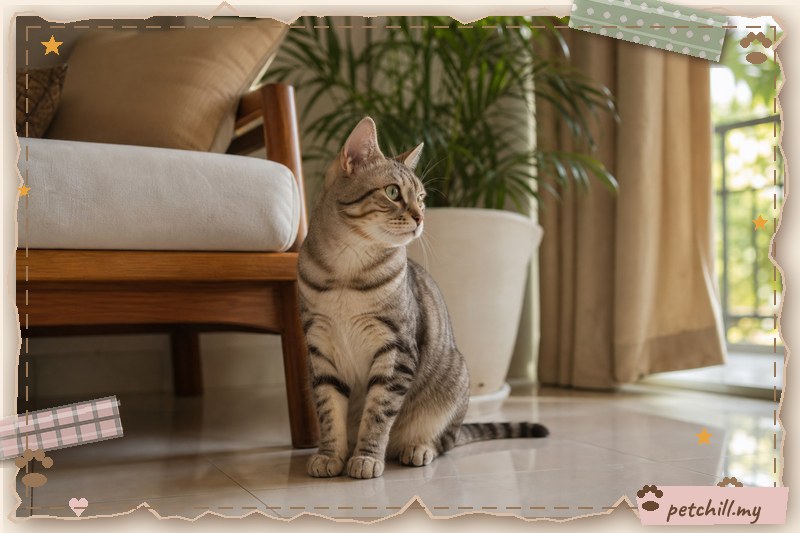
You cannot control outdoor air, but you can reduce indoor exposure. Use this checklist:
- Close windows and doors when the API is unhealthy. Use air conditioning on recirculate mode if available.
- Run a HEPA air purifier in the room where your cat spends most time. Choose a unit sized for the room and clean or replace filters as instructed.
- Avoid ozone generators and scented plug-ins, incense, mosquito coils and candles. These add irritants.
- Do not smoke indoors. Second-hand smoke worsens airway disease in cats.
- Use a damp cloth or mop to clean floors instead of sweeping, which raises dust.
- Keep litter boxes away from purifiers and air vents to avoid spreading dust.
- Provide fresh water and encourage drinking. Moisture helps keep airways hydrated.
- Limit balcony access and keep cats indoors. If your cat is used to outdoor time, create an indoor enrichment area with climbing shelves, scratching posts and window perches (with windows closed).
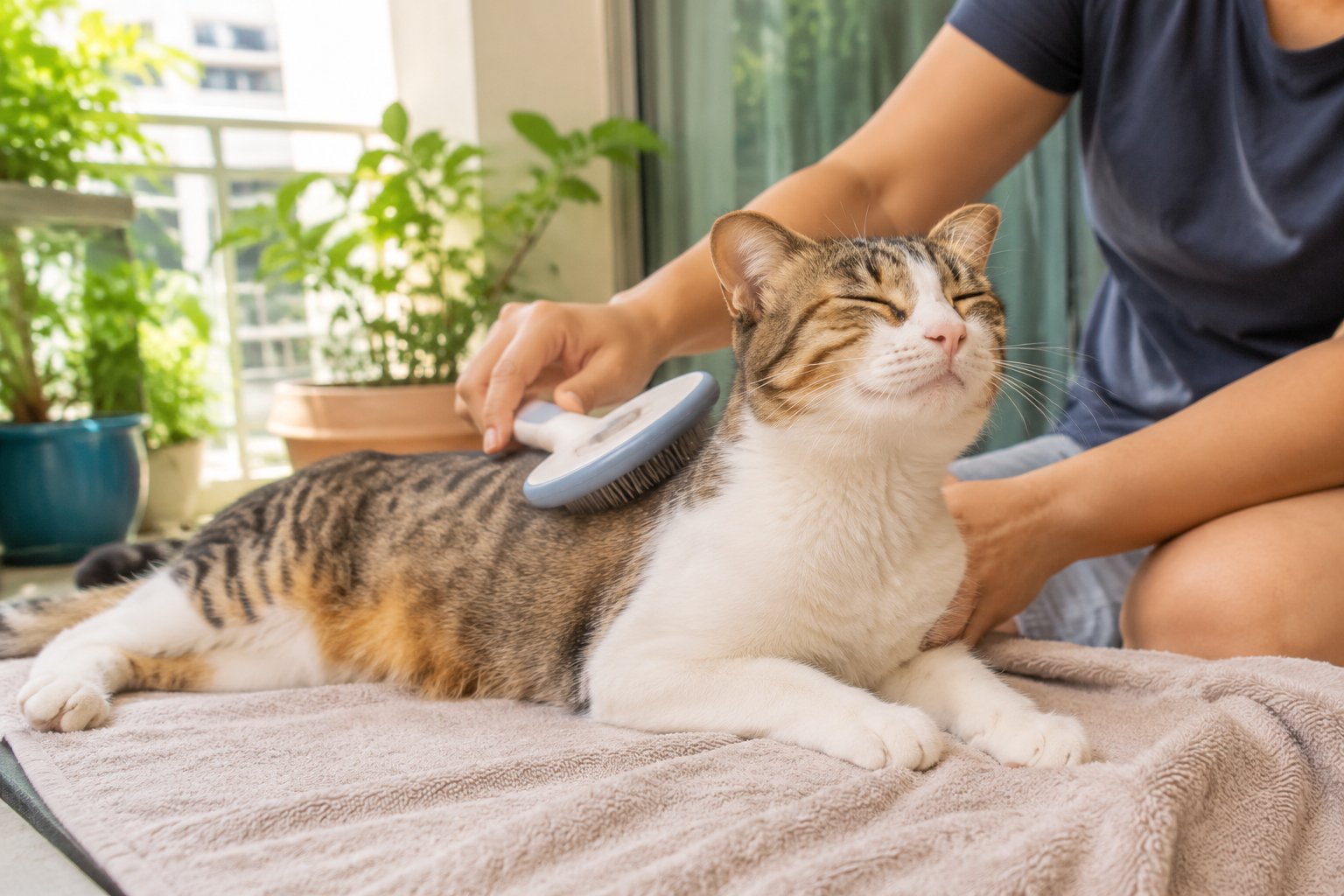
- Bathe and brush your cat gently to remove settled particles from the coat, especially if it goes outside.
For homes in Kuala Lumpur apartments, where windows may face busy roads, closing windows during haze is especially important. In Johor terrace houses, open back doors and car porches can let smoke in; keep them shut when the API is high. Penang's rainy season can bring relief, but haze can still occur in dry spells, so keep the purifier ready.
Air purifiers and other tools: what helps
| Tool | Helps with haze? | Notes for cat owners |
|---|---|---|
| HEPA air purifier | Yes | Reduces fine particles. Choose correct room size. Clean filters. |
| Air conditioner (recirculate) | Somewhat | Keeps windows shut and cools air. Clean filters regularly. |
| Humidifier | Limited | May soothe dry airways but can encourage mould if overused. Clean daily. |
| Ozone generator | No | Can irritate lungs. Avoid. |
| Scented candles/incense | No | Add smoke and fragrance irritants. Avoid. |
| Wet mopping | Yes | Removes settled dust without raising particles. |
| Cat carrier with mesh | Yes | Use for vet visits; cover with a light cloth to reduce exposure. |
No product replaces veterinary advice. If your cat has asthma, your vet may prescribe an inhaler and spacer. Keep medication handy during haze season.
Cats with asthma or heart disease
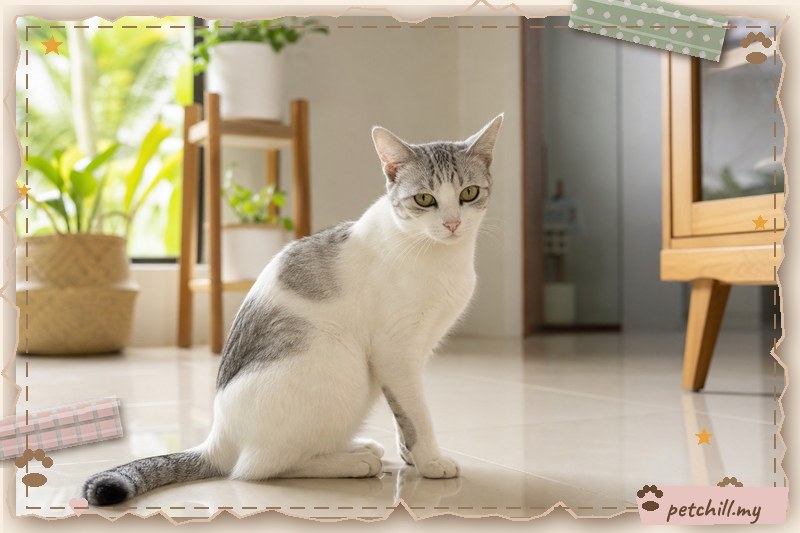
Feline asthma is common in Malaysia and can be triggered by smoke, dust and stress. Signs include coughing, wheezing and laboured breathing. If your cat has been diagnosed with asthma, follow your vet's treatment plan closely during haze. Do not stop preventer medication without advice. Keep rescue medication available and know how to use the spacer.
Cats with heart disease may also breathe faster when air quality is poor. Monitor resting breathing rate daily and record it. A sudden increase warrants a call to your vet. Senior cats and flat-faced breeds need extra monitoring.
Daily routine during haze
A simple routine can reduce risk:
- Morning: Check the API. If unhealthy, keep windows closed and start the purifier.
- Feeding time: Offer wet food to support hydration. Watch appetite.
- Playtime: Choose calm indoor play. Avoid intense exercise that makes breathing harder.
- Rest: Count breaths while your cat sleeps. Note any change.
- Evening: Wipe surfaces and mop floors. Check litter box and water.
- Night: Keep purifier running on low if noise is acceptable. Ensure fresh air is not needed from outside.
Keep a simple log of breathing rate, appetite and coughing. This helps your vet if signs develop.
When to see a vet
See a vet if your cat shows any of the following:
- Breathing faster than 40 breaths per minute at rest.
- Open-mouth breathing, wheezing or noisy breathing.
- Coughing that persists or worsens.
- Blue or pale gums.
- Lethargy, hiding, or refusal to eat.
- Eye or nasal discharge that does not improve.
If you are unsure, call your veterinary clinic for advice. In an emergency, go directly to the nearest clinic. Do not give human medications without veterinary guidance; some are toxic to cats.
Related reading
- Daily Care Guide Malaysia: A Practical Routine for Dogs and Cats
- Haze and Cat Breathing in Malaysia: How to Protect Your Cat During Smoky Air
- Best Cat Tree for Cats in Malaysia: A Practical Buying Guide
- Best Window Perch for Cats in Malaysia: A Practical Buying Guide
- Cat Odour Control: Practical Cat Tips for Malaysian Homes
- Cat Sitter for Cat Owners in Malaysia: A Practical Guide
- Cat Sunscreen for Cats: Step-by-Step Guide for Malaysian Pet Parents
- Cat Tree for Indoor Cats: The Complete Malaysia Guide
- Catnip for Indoor Cats: A Complete Malaysian Guide
- Ear Cleaning Cat Tips Malaysia: Safe At-Home Routine for Malaysian Owners



