
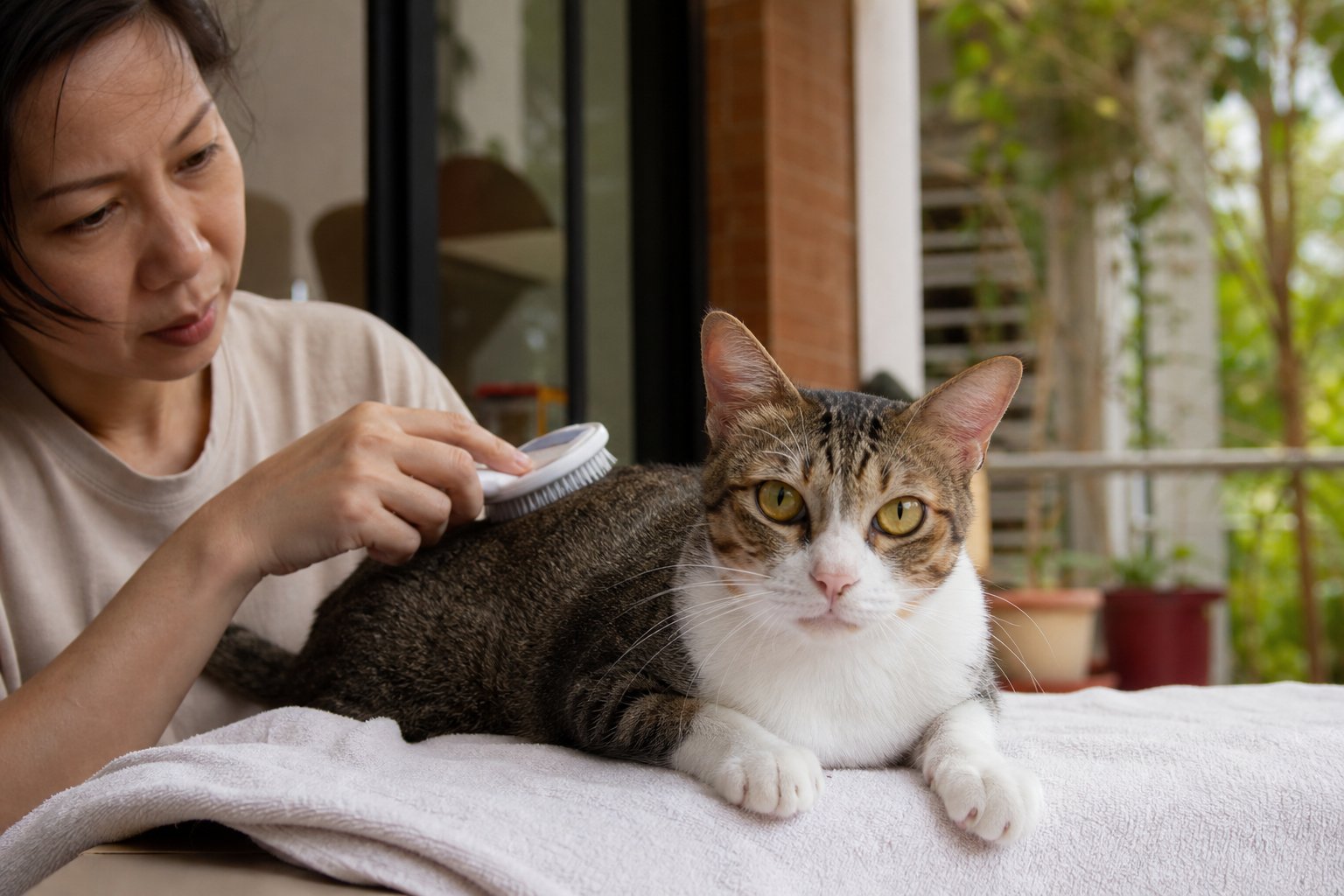
Holiday care for cat owners in Malaysia: the essentials
Going on holiday should be a break for you, not a source of worry for your cat. The key is to plan early, choose the right care option, and prepare both your cat and your home. This guide walks you through the decisions, from selecting a pet sitter to setting up a safe space, with practical tips tailored to Malaysian homes and lifestyles.
Understanding your cat's needs while you're away
Cats are creatures of habit. They thrive on routine: same feeding times, same litter box, same familiar smells. Any change can cause stress, which may show up as hiding, reduced appetite, or inappropriate elimination. Your holiday care plan should minimise disruption.
Start by assessing your cat's personality and health. A confident, sociable cat may handle a boarding facility, while a shy or anxious cat will do better at home with a sitter. Senior cats or those with medical conditions need extra consideration, such as medication schedules and access to a vet.
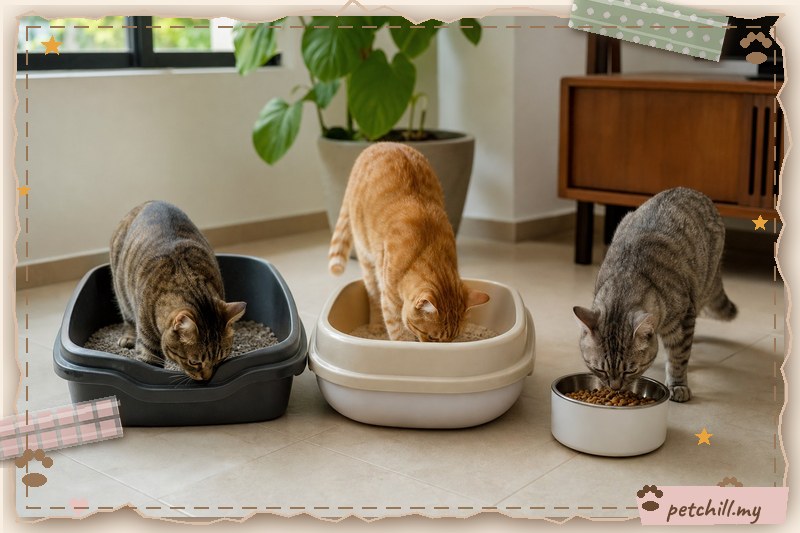
Also think about your cat's daily needs: fresh water, balanced meals, a clean litter tray, play and enrichment, and safety. These must be covered every day, no matter which care option you choose.
Care options compared
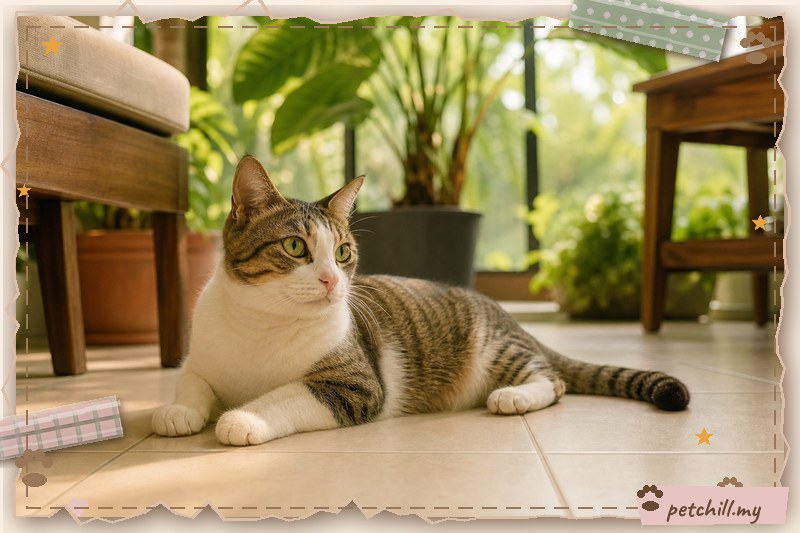
There are three main options: pet sitters who visit your home, boarding facilities, and leaving your cat with a trusted friend or family member. Each has pros and cons.
| Option | Pros | Cons | Best for |
|---|---|---|---|
| Pet sitter (home visits) | Cat stays in familiar territory; routine maintained; home security benefits | Requires trust in sitter; cat may still feel lonely between visits | Most cats, especially anxious or senior cats |
| Boarding facility | Professional supervision; social interaction with other cats (if allowed); no need for home visits | New environment can stress cats; risk of illness in group settings; must meet vaccination requirements | Sociable cats; short trips; owners who prefer professional care |
| Friend or family | Known person; potentially lower cost; personalised care | May lack cat-care experience; cat may be stressed by new home | Cats that are comfortable with the person and environment |
Pet sitters
A pet sitter visits your home once or twice daily to feed, clean the litter, play with your cat, and check its health. This is often the least stressful option because the cat remains in its own territory. In Malaysia, you can find pet sitters through word of mouth, social media groups, or professional pet-sitting services. Always meet the sitter beforehand and ask for references.
Boarding facilities
Boarding kennels and catteries provide a temporary home. Look for facilities that keep cats separate from dogs, have quiet areas, and enforce vaccination rules. Visit the facility before booking to check cleanliness, space, and handling. Ask about daily routines, emergency vet arrangements, and whether you can bring your cat's own food and bedding.
Friends and family
Asking a trusted friend or relative to care for your cat can work well if they know cats and can stay at your home or take your cat in. Provide detailed instructions and do a trial run if possible.
How to choose a reliable pet sitter
Choosing the right person is crucial. Start your search early, especially during peak holiday periods. Here's a checklist:
- Experience with cats: Ask about their experience, especially with shy or special-needs cats.
- References: Request contact details of previous clients and follow up.
- Meet-and-greet: Arrange a meeting at your home so the sitter can meet your cat and you can observe interactions.
- Clear contract: Agree on visits, tasks, fees, and emergency procedures in writing.
- Backup plan: Ensure the sitter has a backup contact and knows your vet's details.
- Insurance: Check if the sitter has insurance or bonding, though this may be rare in Malaysia.
During the meet-and-greet, watch how the sitter approaches your cat. A good sitter will be calm, patient, and allow the cat to initiate contact. Ask about their handling of emergencies, such as if your cat stops eating or escapes.
Preparing your home for a sitter
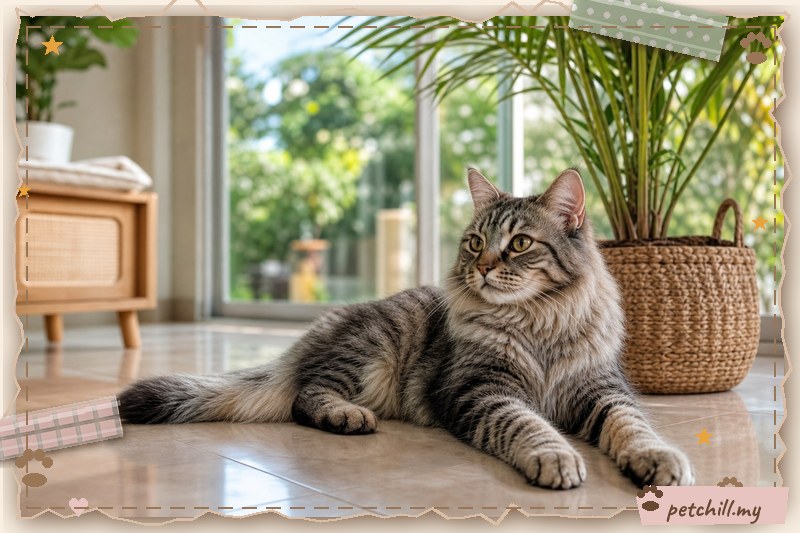
Make your home safe and sitter-friendly before you leave.
- Secure hazardous items: Store cleaning products, medications, and toxic plants out of reach. Common toxic plants include lilies, azaleas, and oleander.
- Check windows and balconies: Ensure screens are secure to prevent falls, especially in high-rise apartments.
- Set up a quiet room: If your cat is shy, designate a room with food, water, litter, and hiding spots where the sitter can care for it without overwhelming it.
- Label supplies: Leave food, litter, and medication clearly labelled with instructions.
- Provide entertainment: Leave toys, scratching posts, and a cat tree to reduce boredom.
- Emergency information: Post your vet's contact, your contact, and a trusted neighbour's number on the fridge.
Creating a care instruction sheet
A written care sheet prevents misunderstandings. Include:
- Feeding schedule and portion sizes (use a measuring cup).
- Litter cleaning routine and location of spare litter.
- Medication details: name, dose, time, and method of administration.
- Behavioural quirks: hiding spots, favourite toys, dislikes.
- Emergency contacts: your vet, an alternative vet, your phone number, and a local contact.
- Veterinary consent: a signed letter authorising the sitter to seek vet care up to a certain amount.
- House rules: whether the sitter can bring others, use appliances, etc.
Review the sheet with the sitter in person and leave a copy on the kitchen counter.
Boarding your cat: what to look for
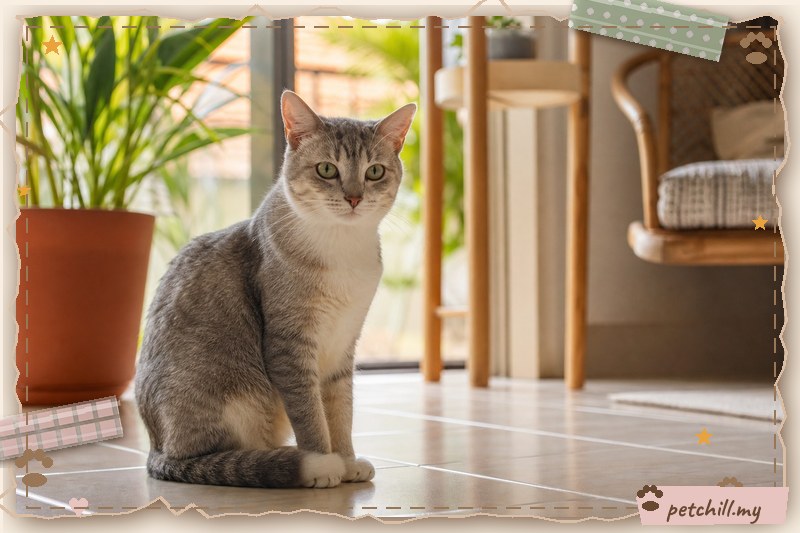
If you choose boarding, inspect the facility thoroughly. Ask these questions:
- Are cats housed separately from dogs, with visual barriers to reduce stress?
- What is the cleaning protocol? Are surfaces disinfected between guests?
- What vaccinations are required? Typically FVRCP and sometimes FeLV.
- What is the daily routine? How often are cats fed, played with, and checked?
- Is there a vet on call? What is the emergency procedure?
- Can you bring your cat's own food and bedding to reduce change?
- How are medications administered?
- What is the policy on flea and tick prevention?
Visit during operating hours to observe cleanliness and staff interaction with animals. Trust your instincts: a good facility will be transparent and welcoming.
Managing your cat's stress
Whether you use a sitter or boarding, help your cat cope with change.
- Gradual introduction: If boarding, visit the facility with your cat beforehand if allowed, or bring home an item with the facility's scent.
- Familiar items: Bring your cat's bedding, toys, and food to boarding.
- Pheromone products: Consider synthetic pheromone diffusers or sprays, which may help reduce anxiety. Consult your vet.
- Routine consistency: Ask the sitter to stick to your cat's feeding and play schedule.
- Trial separation: For very attached cats, practise short separations beforehand.
Health and safety checks before you travel
Schedule a vet visit at least a month before your trip. Ensure vaccinations are up to date, discuss parasite prevention, and refill any medications. If your cat has a chronic condition, ask your vet for a written care plan and ensure the sitter or boarding facility can manage it.
Check that your cat's microchip details are current and that it wears a collar with an ID tag (if it tolerates one). For indoor cats, ensure windows and doors are secure.
When to see a vet
While you're away, the sitter should monitor for signs of illness. Seek veterinary advice if your cat shows:
- Loss of appetite for more than 24 hours
- Vomiting or diarrhoea that persists
- Difficulty breathing or urinating
- Lethargy or hiding more than usual
- Signs of pain or injury
Leave clear instructions for the sitter to contact your vet immediately if any of these occur. Provide a signed consent form so treatment isn't delayed.
Legal and local considerations in Malaysia
In Malaysia, pet care services are not uniformly regulated, so it's up to you to vet providers carefully. The Department of Veterinary Services (DVS) provides guidelines on animal welfare, and you can refer to their website for general information. Local councils may have licensing requirements for boarding facilities; ask to see their licence.
If you're in a high-rise apartment, check whether your building has rules about pets and sitters. In a Kuala Lumpur apartment, for example, you may need to register your sitter with management and ensure they follow lift and common-area rules. In a Johor terrace house, secure gates and fences are important to prevent escapes.
During the rainy season in Penang, ensure your sitter knows how to keep your cat dry and warm, and check for leaks or damp areas that could affect your cat's health.
Cost considerations
Costs for pet sitters and boarding vary widely in Malaysia depending on location, services, and duration. Rather than quoting prices, we recommend contacting local providers for quotes. Ask what's included (food, litter, medication administration) and whether there are extra fees for holidays or special needs. Budget for contingencies, such as unexpected vet visits.
Final checklist before you leave
- Book sitter or boarding facility and confirm dates.
- Meet the sitter and complete a trial visit.
- Vet check-up and vaccinations up to date.
- Stock up on food, litter, and medication.
- Prepare care sheet and emergency contacts.
- Secure home and remove hazards.
- Leave signed veterinary consent form.
- Confirm backup arrangements.
- Pack your cat's familiar items if boarding.
With careful planning, you can enjoy your holiday knowing your cat is safe and well cared for.
Disclaimer: This article provides general information only and is not a substitute for professional veterinary advice. Always consult a licensed veterinarian for your cat's specific health needs.
Related reading
- Daily Care Guide Malaysia: A Practical Routine for Dogs and Cats
- Cat Sitter for Cat Owners in Malaysia: A Practical Guide
- Holiday Care Tips for Cat Owners in Malaysia: A Practical Guide
- Best Cat Tree for Cats in Malaysia: A Practical Buying Guide
- Cat Sitter Tips for Cat Owners in Malaysia: A Complete Guide
- Cat Sunscreen & Sun Safety Tips for Malaysian Cats: What Actually Works
- Cat Sunscreen for Cats: Step-by-Step Guide for Malaysian Pet Parents
- Ear Cleaning Cat Tips Malaysia: Safe At-Home Routine for Malaysian Owners
- Ear Cleaning for Cats Step by Step: A Safe, Vet-Approved Guide for Malaysian Owners
- Grooming Senior Cats: Practical Cat Tips for Malaysia
- Haze Season for Cat Owners in Malaysia: A Practical Indoor Air Guide



