
American Shorthair
American Shorthair · Cat · Malaysia
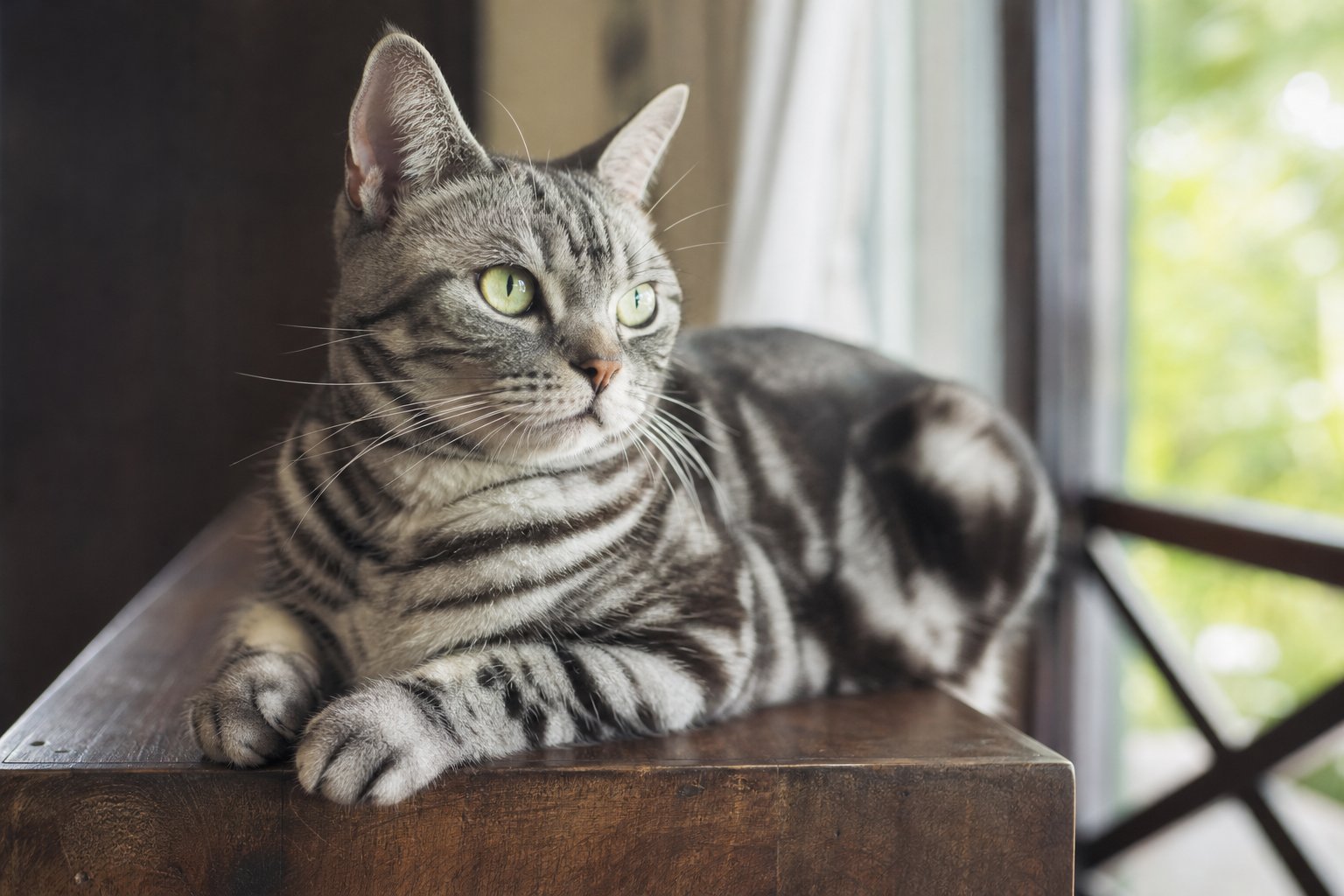
Quick answer
The American Shorthair is a calm, adaptable medium-sized cat that suits Malaysian apartments well. Keep it indoors in a cool, shaded space, brush weekly, watch its weight, and arrange regular vet checks for a long, healthy life.
Quick facts
- Origin
- United States
- Size
- Medium
- Lifespan
- 15-20 years
- Weight
- Medium build, typically around 3.5 to 7 kg depending on sex and lifestyle
- Coat
- Short, dense, easy-care coat that sheds and suits warm climates with indoor management
- Price guidance
- Ask local breeders for a current quote; prices vary with papers, colour, size and availability.
Personality
- Calm
- Friendly
- Adaptable
- Playful
- Easygoing
The American Shorthair is a sturdy, easygoing breed that adapts well to Malaysian condo and apartment living. Its short dense coat copes with tropical heat, but this cat still needs an indoor, shaded environment and steady activity. This guide covers temperament, grooming, diet, health watchpoints, and what to check before bringing one home.
Temperament in a Malaysian Home
The American Shorthair is known for a steady, friendly nature that fits busy Malaysian households. It is usually calm rather than demanding, tolerant of handling, and content to follow family members from room to room without constant attention. Most are sociable with children and other pets when introduced gradually. In a condo, this breed tends to settle quickly once it has a routine and a quiet corner. It is playful but not frantic, so short daily play sessions suit it better than long, intense ones. Because it is adaptable, it handles visitors, lift rides, and household noise reasonably well. Early socialisation helps shy kittens grow into confident adults. Expect a companion that is affectionate on its own terms rather than a lap cat that demands constant cuddles.
Daily Life in Heat and Humidity
Malaysian heat and humidity shape daily care for this breed. Its short, dense coat handles warmth better than long fur, but the cat should still live indoors with fans or air-conditioning and access to shaded, ventilated spots. Never leave it in a parked car or a closed balcony during the day. Provide fresh water in several places and refresh it often, since cats drink less when water is warm. Keep litter areas dry and clean to limit odour and bacterial growth in humid weather. Watch for hairballs, which are more common when shedding increases. A predictable routine of meals, play, and rest helps the cat stay relaxed. If your home is air-conditioned all day, offer a warmer resting spot so the cat can choose its comfort.
Grooming for Humid Weather
Grooming an American Shorthair is simple but not optional in Malaysia's humidity. Brush once or twice a week with a soft rubber or bristle brush to remove loose hair and reduce shedding around the home. During heavier shedding periods, increase to every other day. Short coats dry quickly, but skin can stay damp under the fur, so towel-dry thoroughly after any bath and keep baths infrequent unless your vet advises otherwise. Check ears weekly for wax and moisture, and wipe the outer ear only. Trim nails every few weeks and brush teeth regularly with cat-safe toothpaste. Hairballs are a common nuisance, so brushing plus occasional vet-approved hairball care helps. Inspect the coat for fleas and ticks, which thrive in warm climates, and keep parasite prevention current.
Exercise in Small Spaces
The American Shorthair has a medium build and a relaxed attitude, which means it can gain weight if it lounges too much. In a Malaysian apartment or condo, create vertical space with cat trees, shelves, and window perches so the cat can climb and watch the outside world safely. Two short play sessions a day with wand toys, balls, or puzzle feeders are usually enough. Rotate toys to keep interest high. Encourage movement by placing food puzzles around the home rather than leaving a full bowl out all day. Avoid strenuous play during the hottest hours and choose cooler morning or evening times. If the cat is panting or hiding after play, stop and let it cool down. Daily activity supports weight control, joint comfort, and mood.
Training and Household Routines
American Shorthairs are intelligent and respond well to calm, consistent training. Use short sessions of five to ten minutes and reward with food, praise, or play. Start with litter box habits, scratching post use, and a simple recall cue. Clicker training works well for this breed because it is food motivated and patient. Keep the litter box in a quiet, dry spot away from food and water, and scoop daily in humid weather. Provide sturdy scratching posts near furniture the cat favours. If you live in a condo, train the cat to settle in a carrier calmly for vet visits and lift journeys. Avoid punishment, which makes a steady cat anxious. Consistency from everyone in the household matters more than long sessions.
Feeding for a Medium Build
Feeding an American Shorthair in Malaysia means balancing a medium build with a tendency to gain weight. Choose a complete cat food suited to age and activity, and measure portions rather than free-feeding. Two measured meals a day suit most adults, with treats kept small and counted. Fresh, cool water should always be available, and wet food can help with hydration in a hot climate. Avoid sudden diet changes; transition over about a week. Store dry food in an airtight container away from heat and humidity to prevent spoilage. If the cat lives mostly indoors and is less active, adjust portions with your vet's guidance. Weigh the cat regularly and watch body shape, since gradual weight gain is easy to miss under a dense coat.
Health Watchpoints and Vet Access
The American Shorthair is generally robust, with a lifespan often reaching the late teens. Still, watch for a few widely documented tendencies. Obesity is common in indoor cats and raises risk to the heart and kidneys, so weigh regularly and keep portions measured. Hypertrophic cardiomyopathy, a heart muscle condition, is seen in the breed, and dental disease is common in cats generally. Increased thirst, weight change, reduced appetite, or breathing changes deserve a vet visit. In Malaysia, establish a relationship with a local small-animal vet near your home and keep vaccinations and parasite prevention current. Because many condos are high-rise, screen windows and balconies to prevent falls. Regular check-ups catch problems early.
Obesity
Watch for: Gradual weight gain, a rounder belly, less interest in play, and difficulty feeling the ribs under the coat.
Care: Measure portions, limit treats, encourage daily play, weigh regularly, and follow your vet's body-condition guidance.
Hypertrophic cardiomyopathy
Watch for: Laboured breathing, reduced activity, hiding, or fainting; some cats show no obvious signs early on.
Care: Keep routine vet check-ups, mention any breathing or activity changes promptly, and follow veterinary advice on monitoring.
Dental disease
Watch for: Bad breath, drooling, pawing at the mouth, chewing on one side, or reduced appetite.
Care: Brush teeth with cat-safe paste, offer dental-friendly food or chews as advised, and book regular dental checks with your vet.
Choosing an American Shorthair in Malaysia
When choosing an American Shorthair in Malaysia, prioritise health and temperament over appearance. Ask to see the kitten or cat interacting with people and littermates, and check eyes, ears, coat, and body condition. Request vaccination and deworming records, and ask about any known health issues in the parents. A responsible source will let you visit, answer questions, and provide a written health history. Avoid impulse purchases and be wary of sellers who rush you or refuse a home visit. Consider adopting through local rescue groups, where shorthaired cats are common. Before bringing one home, prepare a cool indoor space, litter box, scratching post, carrier, and a vet appointment. Confirm your condo allows pets and plan for a quiet settling-in period.
Caring in Malaysia
- Its short dense coat handles Malaysian heat well, but keep it indoors with a cool, shaded spot; medium build means easy weight gain if it lounges without activity.
- Brush the coat once or twice a week to cut loose hair and hairballs; even short fur sheds, and regular brushing keeps the coat tidy in humid weather.
- Keep an eye on steady weight gain, increased thirst, or less interest in food. Obesity raises heart and kidney risk, so weigh your cat and see the vet regularly.
Frequently asked questions
Is the American Shorthair suitable for a Malaysian condo?
Yes, it usually adapts well to condo living because it is calm and medium-sized. Provide vertical space, daily play, and a cool indoor resting area. Screen windows and balconies to prevent falls, and keep the litter box in a dry, quiet spot away from food and water.
How often should I brush an American Shorthair in Malaysia?
Brush once or twice a week, and more often during heavy shedding. The short dense coat sheds, and regular brushing reduces loose hair and hairballs in humid weather. Towel-dry thoroughly after any bath, check ears weekly, and keep parasite prevention current in the warm climate.
Does the American Shorthair cope with Malaysian heat?
It generally copes better than longhaired breeds because of its short dense coat, but it still needs an indoor, shaded, ventilated space. Provide cool fresh water in several places, avoid hot cars and closed balconies, and schedule play during cooler morning or evening hours. Air-conditioning helps, but offer a warmer resting option too.
How much exercise does an American Shorthair need?
Two short play sessions a day are usually enough, using wand toys, balls, or puzzle feeders. This breed is relaxed and can gain weight if it lounges, so encourage climbing with cat trees and shelves. Avoid intense play during the hottest hours and stop if the cat pants or hides.
What health issues should I watch for?
Watch for obesity, heart muscle changes such as hypertrophic cardiomyopathy, and dental disease. Note increased thirst, weight change, reduced appetite, breathing changes, or bad breath, and see your local vet promptly. Keep vaccinations and parasite prevention current, and schedule regular check-ups to catch problems early.
What should I check before choosing an American Shorthair?
Check health records, temperament, and living conditions first. Ask to see the cat interacting with people, inspect eyes, ears, coat, and body condition, and request vaccination and deworming records. A responsible source allows a visit and answers questions. Confirm your condo allows pets and book a vet check soon after bringing the cat home.
Related breeds
Cat breed guides →
Related articles
- American Shorthair Colours in Malaysia: Tabby, Bicolour and What Actually Matters
American Shorthairs come in dozens of accepted colour and pattern combinations, but in Malaysia the ones you will actually see are silver tabby, brown tabby and various bicolour 'add-white' cats. This guide explains what those labels mean, how colour affects grooming and photography rather than health or personality, and how to check a kitten's paperwork instead of paying for symmetry.
- American Shorthair Disadvantages in Malaysia: 7 Honest Trade-Offs Before You Adopt
The American Shorthair is hardy and low-maintenance, but it is not problem-free. Here are seven real trade-offs Malaysian owners should budget time and money for, plus how to manage each one.
- American Shorthair Lifespan in Malaysia: How Long Do They Live and How to Help Them Get There
American Shorthairs are one of the sturdier pure breeds, with a commonly cited lifespan of 15–20 years. The biggest controllable factors are indoor living, weight control and regular heart screening. Here is a practical, Malaysia-friendly plan.
- American Shorthair Personality in Malaysia: Friendly, Confident, High-Energy
The American Shorthair is a friendly, confident, high-energy companion cat that needs daily interactive play. This guide covers personality traits, intelligence, family fit and practical ways to keep one happy in a Malaysian home.
- American Shorthair Size & Weight in Malaysia: Growth Chart, BCS & Safe Feeding
American Shorthairs are muscular, not just big. This guide gives typical weight ranges, a growth chart, a 30-second body condition check, and safe feeding rules for Malaysian homes.
Related products at PetChill




Sources
Last reviewed: 2026-11-16
For health concerns, consult a licensed veterinarian in Malaysia.