
Chapter 7: Nocturnal activity and sleep cycles
Cats are crepuscular, naturally active at dawn and dusk, which often clashes with owners returning late from work. Bursts of 3am zoomies usually mean unspent energy or boredom. Combat this with a structured evening play session followed by a meal, and avoid free-feeding that removes the hunt-eat-groom-sleep rhythm. Keep lights low at night and do not reward demanding meows with attention. Consistency over two to three weeks typically resets the cycle without medication.
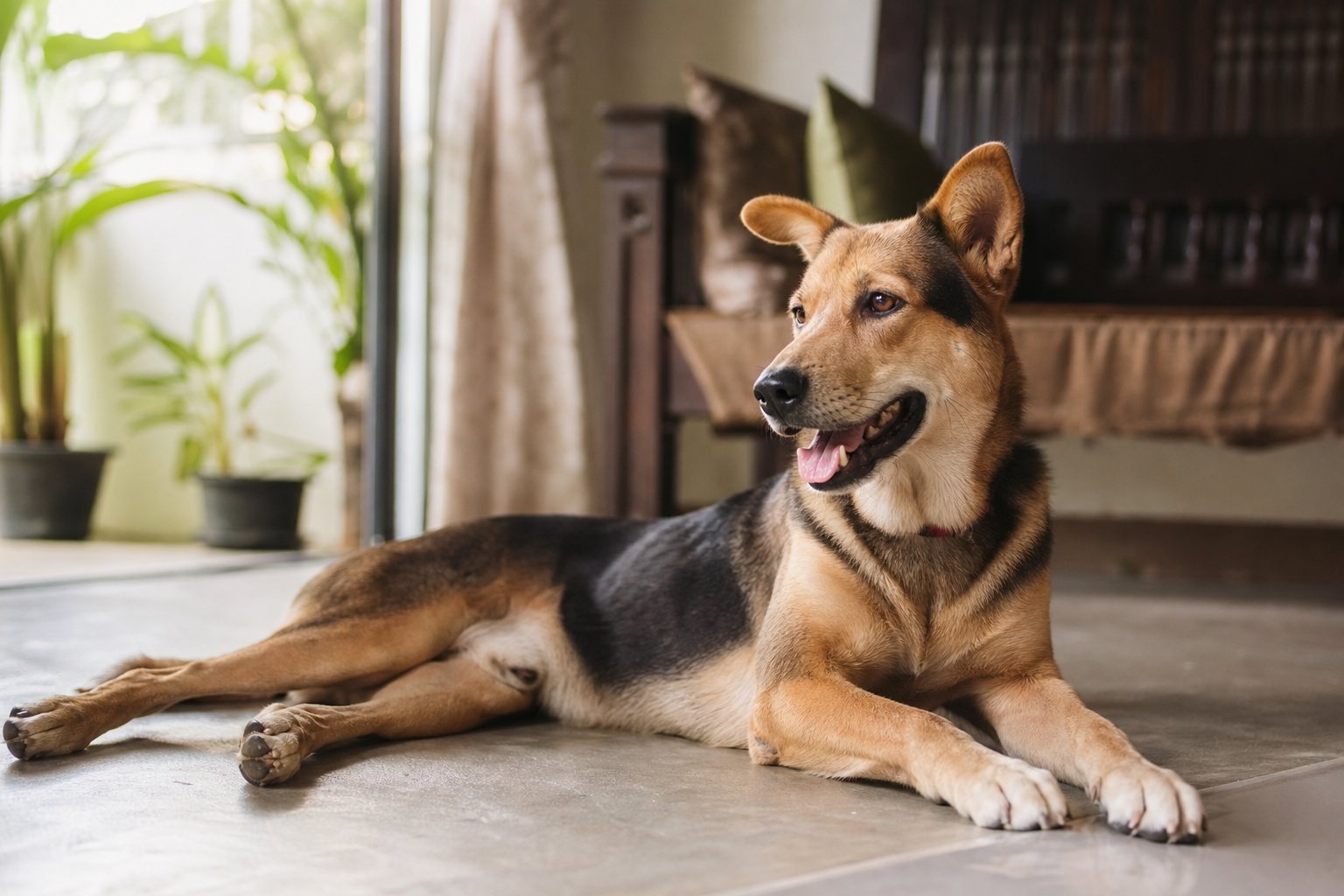
Dogs, by contrast, are generally diurnal and adapt more readily to a household's routine, but they can still wake at night if they are under-exercised, unsettled by heat, or simply used to getting attention at odd hours. In Malaysian homes — often apartments with limited floor space, tiled floors that stay warm, and windows that let in both streetlight and the calls of night birds — sleep routines need a little deliberate shaping. This chapter helps you build an evening rhythm that suits cats and dogs, works in a flat, and holds up through hot, humid nights.
Why the 3am Zoomies Happen
A cat's natural clock peaks at dawn and dusk. When you leave for work in the morning and return late, the cat's most active window can land squarely in the middle of your sleep. The zoomies are not naughtiness; they are a burst of stored energy with nowhere to go. Indoor cats in apartments have fewer outlets for stalking, chasing, and pouncing, so that energy accumulates. Boredom makes it worse: a cat with nothing to watch, climb, or hunt during the day will be ready to explode at night.
Dogs can develop a similar pattern for different reasons. A dog that has been alone most of the day may be restless at night, wanting the interaction it missed. A dog that naps all afternoon may simply not be sleepy. And in a tropical climate, a dog that is too hot — especially a thick-coated breed on a warm tiled floor with poor airflow — may pace or wake repeatedly.
Building an Evening Routine That Sticks
The core sequence is the same for cats: hunt, eat, groom, sleep. Your job is to recreate that rhythm on purpose.
- Play before dinner. Set aside a focused play session in the evening — a wand toy for cats, a game of fetch or tug for dogs. Aim for genuine exertion: stop-and-start chasing, pouncing, and a final "catch" so the session has a satisfying end. Ten to fifteen minutes of real play often beats an hour of half-hearted batting.
- Feed after play. A meal following the hunt signals the body that the active phase is over. This is why free-feeding works against you: a cat that grazes all day never experiences the hunger-then-satisfaction cycle that drives the natural rhythm. Scheduled meals, ideally timed after play, do more for sleep than any gadget.
- Wind down. Keep lights low in the evening and dim them further as bedtime approaches. Close curtains against streetlight. Keep the bedroom calm and avoid loud television or sudden activity right before sleep.
- Do not reward demanding meows with attention. If your cat meows at the door at 3am, getting up to pet, feed, or even scold teaches that night noise works. Ignore the demands consistently. If you must check on a pet, do it quietly and briefly, then return to bed without play or food.
For dogs, the same logic applies: a solid evening walk or play session, a meal at a regular time, and a calm, dim environment. In apartments, a brisk walk in the cooler evening hours is often more effective than a long midday outing in the heat.
Managing Heat, Light, and Apartment Life
Malaysia's warmth changes the sleep picture. Pets often sleep more during the hot middle of the day and become restless in the cooler evening — which is fine if you use that energy window well. Make sure fresh water is always available, and give pets a cool, shaded sleeping spot with good airflow. A fan moving air across a tiled floor can make a real difference to a dog or cat that would otherwise wake uncomfortable.
Light matters too. Cats are sensitive to dawn and dusk cues, and artificial light can blur them. Dimming lights in the evening and keeping the sleeping area dark helps the body settle. If your flat faces a bright corridor or streetlamp, a simple curtain or blind is worth the effort.
Checklist: Setting Up for Better Nights
- Evening play session scheduled and actually done, with a clear end
- Meals on a regular schedule, fed after play where possible
- Free-feeding stopped or reduced so the hunt-eat-groom-sleep rhythm can form
- Lights dimmed in the evening; sleeping area kept dark
- Cool, shaded, well-ventilated sleeping spot with fresh water
- Night-time meows and pacing ignored consistently (no feeding, no play, no scolding)
- Daytime enrichment in place: scratching posts, climbing spots, puzzle feeders, chew toys
- Dog walked or exercised in the cooler part of the evening
- Two to three weeks of consistency logged before judging whether it is working
Common Mistakes
- Getting up to feed or play at 3am. This is the single most common reason the cycle never resets. Attention of any kind can be a reward.
- Free-feeding "so they aren't hungry at night." It removes the natural rhythm and often makes night activity worse, not better.
- Punishing the zoomies. Shouting or chasing a cat at 3am adds excitement and attention. Ignore, and address the cause through daytime and evening activity.
- Skipping play on busy days. A single missed session can undo a week of progress, especially in young cats.
- Expecting instant results. The original guidance stands: consistency over two to three weeks typically resets the cycle without medication. Give it time.
- Overlooking heat and airflow. A pet that is too warm will not sleep well, no matter how good the routine.
- Leaving a dog alone all day with no enrichment, then expecting calm nights. Boredom during the day shows up at night.
When to Ask a Vet
Night restlessness is usually behavioural, but not always. Speak to your veterinarian if:
- Your pet suddenly changes sleep patterns, especially an older cat or dog that was previously settled.
- A cat vocalises loudly at night, seems disoriented, or paces — particularly in older cats, where night-time yowling can have medical causes.
- Your dog wakes repeatedly, pants heavily at night, or seems uncomfortable rather than merely restless.
- There are signs of pain, difficulty breathing, increased thirst or urination, or changes in appetite alongside the sleep changes.
- House-training accidents or night-time toileting appear in a previously reliable pet.
- Behavioural measures have not helped after several weeks of consistent effort.
A vet can rule out medical reasons before you invest more time in training, and can advise on whether your pet's age, breed, or health needs a different approach.