
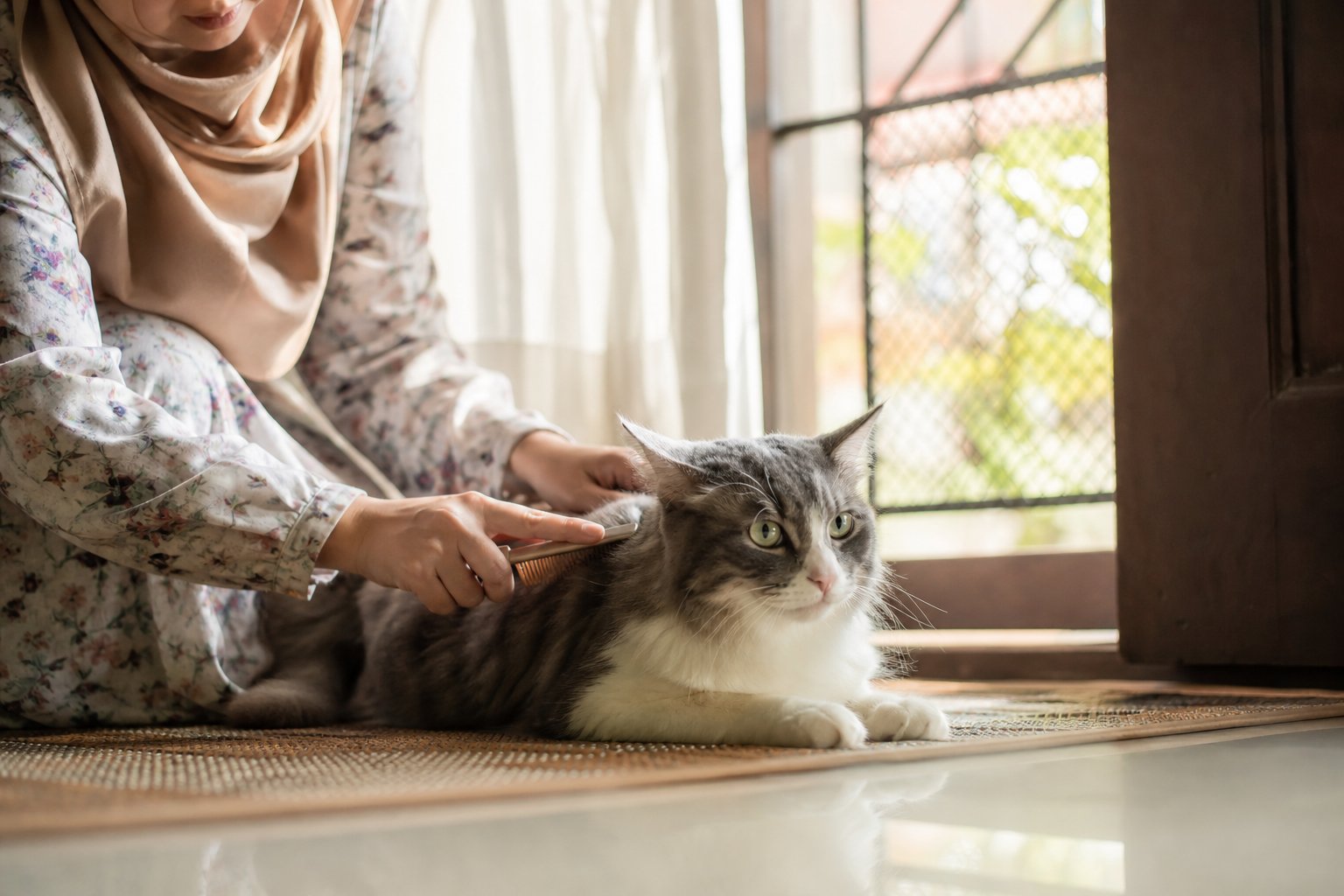
Chapter 3: Avoidance and cleaning
Chapter 3: Avoidance and cleaning
A daily and weekly routine, plus what to check when a cat stops using the box.
Litter box problems are one of the most common reasons cat owners in Malaysia ask for help, and most of them come down to two things: the box is not clean enough, or something about the box has started to feel unsafe or unpleasant to the cat. Dogs rarely have litter box issues, but the same principle applies to their toileting and sleeping areas — a dirty or badly placed spot invites accidents. This chapter gives you a simple routine you can keep up even on busy working days, and a checklist for when a cat suddenly stops using the box.
-
Practical check: note one change you can make this week.
-
Local context: adapt the advice to your home, climate and routine in Malaysia.
The daily routine
Scoop solid waste at least once a day, and twice a day if you have more than one cat or the box is in a small apartment. Cats are fastidious, and a box that smells strongly is the most common trigger for avoidance. Remove clumps fully rather than stirring them into the litter. Top up the litter to a consistent depth so your cat finds the same surface each time.
In Malaysia's heat and humidity, smell builds faster than in cooler climates, and damp litter clumps poorly and sticks to the box. Keep the box out of direct sun and away from damp corners such as next to a leaking pipe or an open bathroom window. If the litter feels clammy, it is time to change it, not just scoop it.
For dogs, the daily equivalent is picking up waste from the yard, balcony or pee pad area straight away, and washing the pad tray or spot with a pet-safe cleaner. Leftover smell tells a dog that the spot is the toilet, so it keeps returning there.
The weekly routine
Once a week, empty the box completely, wash it with mild soap and warm water, dry it thoroughly, and refill with fresh litter. Avoid strong-smelling household disinfectants and bleach-based cleaners unless they are fully rinsed and dried — cats are sensitive to strong fumes, and lingering smells can make a clean box seem unfamiliar. Never mix cleaning products together.
Wash food and water bowls daily and bedding weekly, especially in humid weather when odours and mould build up quickly. For dogs, wash pee pads trays and outdoor toilet spots weekly with a pet-safe cleaner, and check that the sleeping area is dry — a damp bed is a common reason a dog starts toileting indoors.
When a cat stops using the box: what to check
Work through this list before assuming it is behavioural:
- Cleanliness: Has scooping slipped? Is the litter damp or heavily soiled?
- Litter type: Has the brand, texture or scent changed recently?
- Box and location: Is the box too small, too deep, or in a noisy, busy or hard-to-reach spot? In apartments, a box next to a washing machine or main door can feel exposed.
- Number of boxes: A common guide is one box per cat plus one extra, spread across different rooms where possible.
- Cover: Is the box covered? Some cats dislike the enclosed feeling and trapped smell, especially in warm weather.
- Stress: New pet, new baby, visitors, renovation, or a move can all unsettle a cat.
- Health: Straining, crying, blood, or frequent small visits to the box need a vet promptly — do not wait.
Checklist
- Scoop waste at least daily; twice daily in multi-cat homes.
- Top up litter to a consistent depth.
- Keep the box out of direct sun and damp spots.
- Full wash and fresh litter weekly; rinse and dry fully.
- Avoid strong disinfectants and never mix cleaning products.
- Wash bowls daily and bedding weekly.
- One box per cat plus one, in quiet, reachable places.
- Note any change in litter, box or location.
- Watch for straining, crying or blood — call a vet.
Common mistakes
- Scooping only every few days and assuming the cat is "being difficult".
- Using scented litter or strong cleaners to mask smell instead of removing it.
- Placing the only box in a hot, noisy utility area or beside the washing machine.
- Washing the box with bleach and refilling while still damp.
- Changing litter brand abruptly rather than gradually.
- Punishing a cat for accidents — this increases stress and makes avoidance worse.
- For dogs, cleaning accidents with ammonia-based products that mimic urine smell.
When to ask a vet
Contact a vet promptly if a cat strains in the box, cries while toileting, passes blood, visits the box frequently with little output, or stops eating. These can signal a blockage or urinary problem, which is urgent, particularly in male cats. Also ask a vet if avoidance starts suddenly in an otherwise healthy cat, or if a dog that was previously house-trained starts toileting indoors with no obvious environmental cause.
-
Practical check: note one change you can make this week.
-
Local context: adapt the advice to your home, climate and routine in Malaysia.