
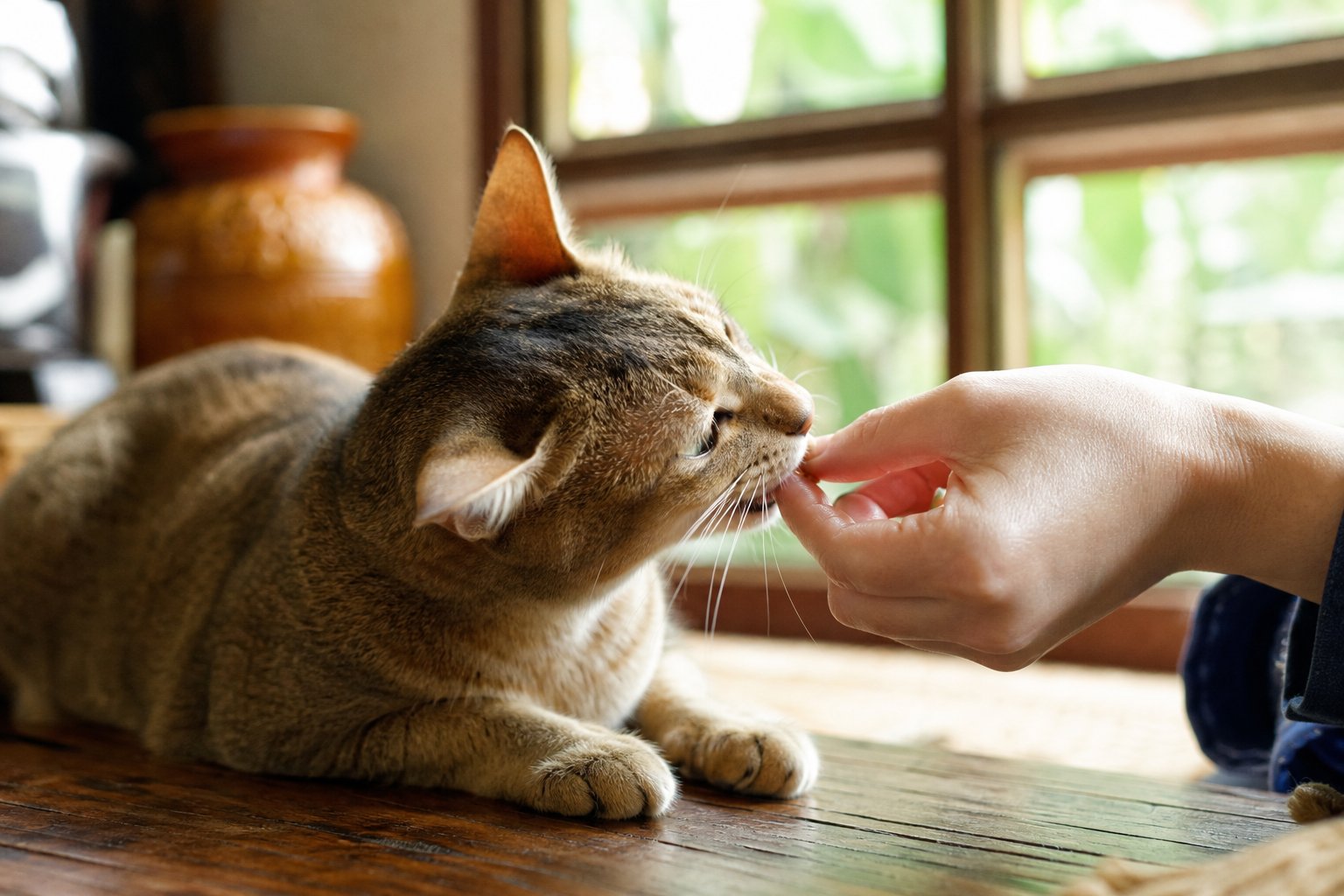
Chapter 1: Food and water bowls, litter and litter boxes
Feeding and toileting are the two routines you and your pet repeat every single day, so small improvements here pay off quickly. This chapter covers the equipment you need — bowls, water sources, litter and litter boxes — and how to set them up for a Malaysian home, whether that is a high-rise apartment with tiled floors or a house with a yard. None of it is expensive or complicated; the aim is simply gear that is easy to clean, suited to the climate, and placed where your pet will actually use it.
Bowls and water: choosing and placing them
Start with the basics of eating and drinking. Stainless steel or ceramic bowls are easy to clean and more durable than thin plastic, which can scratch and harbour bacteria over time. Choose bowls with a wide, shallow shape for flat-faced breeds, and heavy or non-slip bases so they do not slide across tiled floors. Fresh water should be available at all times, and many owners find a water fountain encourages cats to drink more.
In practice, this means thinking about where the bowls sit. Kitchens and bathrooms are common choices, but a bowl pushed against a wall or beside a noisy appliance can put a nervous pet off. Many owners find a quiet corner works better, with food and water slightly apart — some cats dislike drinking right next to their food. In our heat and humidity, water left standing can quickly collect dust, insects or a film on the bowl, so rinse and refill it at least daily, and more often if your pet is outdoors or the bowl sits in direct sun. Wash food bowls after every meal, and give water bowls and fountains a proper scrub on a regular schedule rather than just topping them up.
If you have more than one pet, provide separate bowls and space them apart so one animal cannot guard the food. Raised bowls or a mat underneath can help keep the floor tidy and reduce strain for older or larger dogs, though the priority is a stable, clean bowl your pet can reach comfortably.
Litter boxes: size, type and routine
For cats, the litter box is the single most important purchase after food. It should be large enough for your cat to turn around in comfortably, with low sides for easy entry. Scoop waste out daily and change the litter regularly, as cats are naturally clean animals and may refuse to use a dirty box. A covered box can help contain odour, but some cats prefer an open design for the better ventilation — useful in our humid weather.
A useful rule of thumb is one box per cat plus one spare, placed in different spots rather than lined up together. Put boxes somewhere quiet and easy to reach, away from food and water, and not tucked into a hot, airless corner. In apartments, a bathroom or utility area often works well; avoid placing the box next to a washing machine or anything that starts up noisily. Clumping litter is popular because it makes daily scooping easy, but whichever litter you choose, keep it consistent — sudden changes can put cats off. In the wet season, litter can absorb moisture and smell faster, so check boxes more often and dry them fully after washing.
Dogs: a consistent toileting routine
Dogs need a regular toileting routine, whether you rely on indoor pads or head outside. Whichever you choose, keep the spot consistent so your dog learns where to go. Stock up on odour-neutralising cleaners made for pet messes, as ordinary floor cleaners may not fully break down the smell and your pet may return to the same spot.
Take your dog out at predictable times — first thing in the morning, after meals, and before bed — and praise them for going in the right place. In apartments, this may mean a lift ride to a designated outdoor area, so build in extra time. In hot or rainy weather, choose cooler parts of the day and dry paws afterwards. If you use pads, keep them in the same place and replace them promptly so the area does not become a permanent toilet spot.
Checklist
- Bowls are stainless steel or ceramic, wide and shallow for flat-faced pets, with non-slip bases.
- Water is refreshed at least daily and the bowl or fountain is scrubbed regularly.
- Food and water bowls are washed after meals and placed in a quiet spot.
- Each cat has a box large enough to turn around in, plus a spare, in separate quiet locations.
- Waste is scooped daily and litter changed regularly; boxes are dried fully after washing.
- Dogs are taken out or to their pad at consistent times, and the spot stays the same.
- Odour-neutralising pet cleaner is on hand for accidents.
Common mistakes
- Topping up water without washing the bowl, letting a film build up.
- Using thin, scratched plastic bowls that are hard to clean properly.
- Placing the litter box beside food, or in a noisy, hot corner.
- Letting the box get dirty and assuming the cat is being difficult.
- Cleaning accidents with ordinary floor cleaner and leaving residual smell.
- Changing litter type suddenly, or moving the box without warning.
When to ask a vet
If your cat stops using the litter box, strains to urinate, or urinates outside the box, seek veterinary advice promptly — these can signal a medical problem, not just a dirty box. The same applies if your dog suddenly toilets indoors, strains, or has frequent accidents despite a steady routine. Changes in appetite, drinking, or eating and drinking behaviour that persist are also worth a vet visit.