
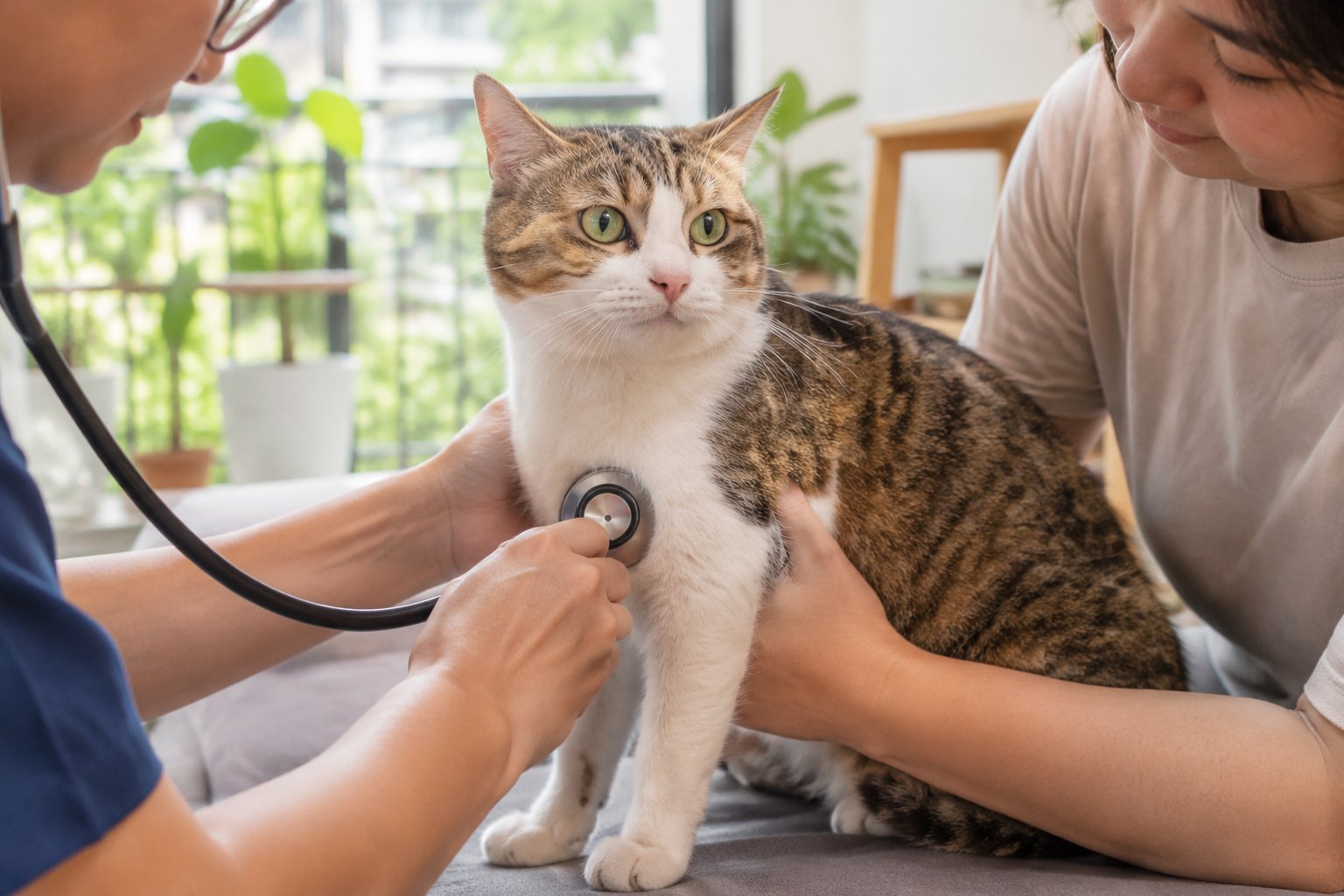
What is anemia in cats?
Anemia in cats is not a disease on its own. It is a medical sign that something else is wrong. In simple terms, a cat with anemia has fewer red blood cells or less hemoglobin than normal. Red blood cells carry oxygen around the body, so when they are low, organs and tissues do not get enough oxygen. This leads to the signs you may notice: weakness, lethargy, and pale gums.
Red blood cells are made in the bone marrow and circulate for about 70 to 80 days in cats. The body constantly replaces old cells. Anemia happens when blood is lost, red blood cells are destroyed, or the bone marrow fails to produce enough new cells. Each of these mechanisms points to different underlying causes.
In Malaysia, cats face particular risks. The warm, humid climate supports fleas and ticks year-round. Mosquitoes are common. Some cats roam outdoors and may fight, increasing the risk of infectious diseases. Indoor cats are not immune either, as parasites can be brought inside on shoes or by other pets. Understanding anemia helps you act quickly if your cat shows signs.
Recognising the signs: what to look for
Cats are good at hiding illness. Early anemia may not be obvious. As it worsens, signs become more apparent. Here are the key things to watch for:
- Pale gums: Gently lift your cat's lip and look at the gums. Healthy gums are pink. Pale pink, white, or bluish gums are a red flag. Check in natural light.
- Lethargy and weakness: Your cat may sleep more, seem reluctant to move, or tire quickly during play.
- Rapid breathing or panting: Low oxygen levels make the heart and lungs work harder. You may see fast breathing even at rest.
- Reduced appetite and weight loss: Anemic cats often eat less and gradually lose condition.
- Hiding or withdrawal: Sick cats often hide. If your normally social cat becomes reclusive, take note.
- Jaundice: Yellowing of the gums, skin, or whites of the eyes can occur if red blood cells are being destroyed (hemolysis).
- Dark urine: If red blood cells are destroyed, hemoglobin may pass into urine, making it dark or tea-coloured.
- Pica: Some anemic cats eat non-food items like litter or dirt, though this is less common in cats than in dogs.
If you notice any of these signs, especially pale gums combined with lethargy, contact your vet. Do not wait for the cat to "snap out of it".
Common causes of anemia in cats
Anemia has many causes. Vets classify it into three main types based on what is happening in the body: blood loss, hemolysis (destruction), and decreased production. Below are some common causes seen in Malaysia and worldwide.
Blood loss
- Parasites: Fleas and ticks feed on blood. Heavy infestations, especially in kittens or weak cats, can cause anemia. Hookworms also feed on blood in the intestines.
- Trauma: Injuries from fights, accidents, or surgery can lead to blood loss.
- Internal bleeding: Ulcers, tumours, or bleeding disorders can cause hidden blood loss.
- Feline infectious anemia (hemoplasmosis): Caused by Mycoplasma haemofelis and other species, these bacteria attach to red blood cells and lead to their destruction. They can be transmitted by fleas and ticks, and through bites.
Hemolysis (red blood cell destruction)
- Immune-mediated hemolytic anemia: The immune system mistakenly attacks red blood cells. This can be triggered by infections, drugs, or cancer, but often no cause is found.
- Toxic exposure: Certain toxins, such as onions, garlic, and some human medications (e.g., paracetamol), can damage red blood cells. Keep these away from cats.
- Infections: Feline leukemia virus (FeLV) and feline immunodeficiency virus (FIV) can lead to anemia through various mechanisms, including immune-mediated destruction.
Decreased production
- Chronic kidney disease: The kidneys produce erythropoietin, a hormone that stimulates red blood cell production. Damaged kidneys produce less, leading to anemia. This is common in older cats.
- Bone marrow disease: Cancer, infections, or toxic damage can suppress the bone marrow.
- Nutritional deficiencies: Lack of iron, vitamin B12, or folate can impair red blood cell production, though this is less common in cats fed complete commercial diets.
- Chronic inflammation: Long-term inflammatory conditions can suppress red blood cell production.
How vets diagnose anemia
Diagnosis starts with a physical examination. Your vet will check gum colour, heart rate, and breathing. They will also feel the abdomen for enlarged organs or masses.
A complete blood count (CBC) is the key test. It measures the number of red blood cells, hemoglobin level, and hematocrit (the proportion of blood made up of red cells). It also shows whether the bone marrow is responding by releasing young red blood cells (reticulocytes). This helps classify the anemia.
Additional tests may include:
- Blood smear: Examining a drop of blood under a microscope to look at cell shape and detect parasites.
- Blood chemistry: To assess kidney and liver function and check for underlying disease.
- Urinalysis: To check for blood or hemoglobin in urine.
- Infectious disease testing: For FeLV, FIV, and hemoplasmosis.
- Imaging: X-rays or ultrasound to look for tumours, bleeding, or organ changes.
- Bone marrow biopsy: In rare cases, to evaluate bone marrow function.
Your vet will use these results to determine the type and cause of anemia, which guides treatment.
Treatment options for anemic cats
Treatment depends on the underlying cause and severity. Mild anemia may be managed on an outpatient basis. Severe anemia may require hospitalisation.
Stabilisation
If the cat is in crisis, the vet will provide oxygen and intravenous fluids. A blood transfusion may be necessary if the anemia is life-threatening. Transfusions are not without risk and require a suitable donor, but they can be life-saving.
Treating the cause
- Parasites: Flea and tick control, deworming, and treatment for hemoplasmosis with antibiotics.
- Immune-mediated hemolytic anemia: Immunosuppressive drugs such as corticosteroids, and sometimes other medications.
- Chronic kidney disease: Managing kidney disease may include a special diet, blood pressure control, and medications. Erythropoietin injections may be used in some cases.
- Nutritional deficiencies: Iron supplements or vitamin injections, but only under veterinary guidance.
- Tumours or bleeding ulcers: Surgery or other targeted treatments.
Supportive care
- Nutrition: Ensure the cat eats a balanced diet. If appetite is poor, appetite stimulants or assisted feeding may be needed.
- Rest: Limit stress and allow rest.
- Monitoring: Regular check-ups and blood tests to track progress.
Never give human iron supplements or other medications without veterinary advice. Some can be toxic to cats.
Living with an anemic cat in Malaysia
Managing an anemic cat at home requires attention to diet, parasite control, and stress reduction. Here are practical tips for Malaysian cat owners.
Parasite control
Malaysia's climate means parasites are a year-round concern. Use vet-recommended flea and tick prevention consistently. Check your cat for ticks after outdoor access. Keep the environment clean and wash bedding regularly. For cats with access to the outdoors, regular deworming is important.
Diet and nutrition
Feed a complete and balanced commercial cat food. If your vet recommends a therapeutic diet, follow it closely. Avoid giving raw meat unless it is part of a carefully managed raw diet, as raw meat can carry bacteria and parasites. Fresh water should always be available.
Stress reduction
Stress can worsen illness. Provide quiet spaces, vertical perches, and consistent routines. In multi-cat households, ensure resources like litter boxes, food bowls, and resting spots are plentiful and separated.
Monitoring at home
Check your cat's gums weekly. Know what normal looks like. Keep a log of appetite, water intake, and litter box habits. If you notice changes, consult your vet.
Indoor vs outdoor
Indoor cats are safer from trauma and infectious diseases, but they still need parasite prevention. Outdoor cats have higher risks, so weigh the benefits and take precautions.
Prevention: reducing the risk
Not all anemia is preventable, but you can lower the risk:
- Parasite control: Use flea, tick, and worm prevention as advised by your vet.
- Vaccination: Keep vaccinations up to date, especially against FeLV if your cat goes outdoors.
- Safe environment: Remove toxic plants and human foods like onions and garlic. Store medications securely.
- Regular vet checks: Annual exams help catch problems early, especially in senior cats.
- Balanced diet: Feed a reputable commercial diet.
- Limit roaming: Keep cats indoors or in secure enclosures to reduce fights and accidents.
When to see a vet
Seek veterinary care immediately if your cat shows:
- Pale or white gums
- Difficulty breathing or rapid breathing at rest
- Collapse or extreme weakness
- Not eating for more than 24 hours
- Yellow gums or skin
- Dark or bloody urine
- Any signs of bleeding that do not stop
Do not attempt home remedies for anemia. Time matters.
Comparison table: types of anemia
| Type | What happens | Common causes | Key signs |
|---|---|---|---|
| Blood loss | Red blood cells lost from body | Parasites, trauma, internal bleeding | Pale gums, weakness, fast heart rate |
| Hemolysis | Red blood cells destroyed | Immune-mediated, toxins, infections | Jaundice, dark urine, fever |
| Decreased production | Bone marrow makes too few cells | Kidney disease, bone marrow disease, nutrition | Gradual onset, chronic illness signs |
Related reading
- Anemia in Cats: Causes, Signs and Care (Malaysia Guide)
- Anemia Prevention for Cats: A Practical Guide for Malaysian Owners
- Blood Test for Cats: What to Expect (Malaysian Owner's Guide)
- Cat Anemia Treatment in Malaysia: A Practical Owner's Guide
- Cat Bad Breath Treatment in Malaysia: Causes, Home Care and When to See a Vet
- Cat Dental Pain Treatment in Malaysia: A Practical Owner's Guide
- Cat Excessive Thirst Treatment in Malaysia: What to Do When Your Cat Drinks Too Much
- Cat Excessive Urination Treatment in Malaysia: A Practical Guide for Owners
- Cat Eye Infection Treatment in Malaysia: A Practical Owner's Guide

