
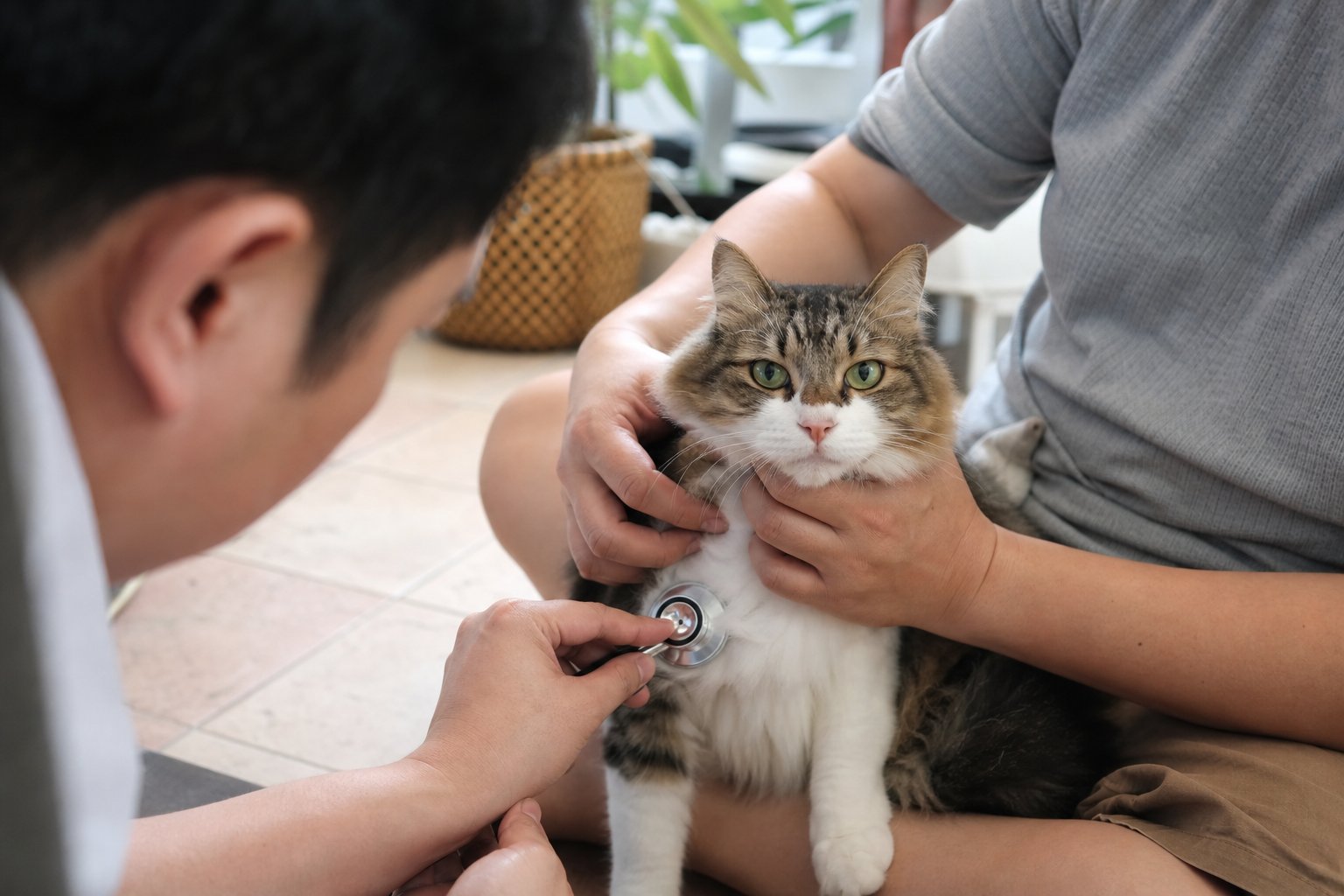
What a blood test for cats actually checks
A blood test is a window into your cat's internal health. In Malaysia, vets commonly run two main types of test: a complete blood count (CBC) and a biochemistry panel. Together they screen for a wide range of problems, from anaemia and infection to kidney disease and diabetes. This guide explains what each test measures, how to prepare your cat, what the results mean, and when a blood test is worth doing. It is written for Malaysian cat owners who want practical, honest information without alarm.
The two core tests: CBC and biochemistry
Complete blood count (CBC)
A CBC looks at the cells in your cat's blood. It measures:
- Red blood cells (RBCs): carry oxygen. Low levels mean anaemia, which can be caused by blood loss, parasites, chronic disease or bone marrow problems.
- White blood cells (WBCs): fight infection. High levels often indicate infection or inflammation; low levels can point to immune suppression or certain viral diseases.
- Platelets: help blood clot. Low platelets can lead to bleeding problems.
- Haemoglobin and haematocrit: indicate how well your cat is carrying oxygen.
A CBC is useful when your cat is lethargic, pale, feverish, or has unexplained weight loss. It is also part of routine pre-surgery screening.
Biochemistry panel
A biochemistry panel measures chemicals in the blood. Common tests include:
- BUN and creatinine: kidney function markers. They rise when kidneys are not filtering well.
- SDMA: a newer kidney marker that can detect disease earlier than creatinine.
- ALT and ALP: liver enzymes. High levels can indicate liver damage or stress.
- Glucose: blood sugar. High levels may suggest diabetes, especially if your cat is drinking and urinating more.
- Total protein and albumin: reflect nutrition, liver function and hydration.
- Electrolytes (sodium, potassium, chloride): important for heart and nerve function.
- Calcium and phosphorus: bone health and kidney function.
- Thyroid hormone (T4): often added for older cats to screen for hyperthyroidism.
Your vet may also run specific tests such as fructosamine (for diabetes monitoring), pancreatic lipase (for pancreatitis), or viral tests (FeLV/FIV) depending on your cat's signs.
Why your vet might recommend a blood test
Blood tests are not just for sick cats. Vets use them in several situations:
- Pre-anaesthetic screening: before surgery or dental work, a blood test checks that your cat's organs can handle anaesthesia.
- Illness investigation: if your cat is vomiting, diarrhoea, not eating, losing weight, drinking excessively, or acting lethargic.
- Monitoring chronic disease: cats with kidney disease, diabetes, thyroid disease or arthritis may need regular blood tests to adjust treatment.
- Senior wellness checks: cats over seven years old benefit from annual screening to catch problems early.
- Before starting certain medications: some drugs affect the liver or kidneys, so a baseline test is wise.
In Malaysia, common cat health issues include kidney disease (often age-related), hyperthyroidism, diabetes, and infectious diseases such as feline panleukopenia and feline immunodeficiency virus. A blood test helps your vet narrow down the cause.
How to prepare your cat for a blood test
Preparation is simple but important.
- Fasting: your vet may ask you to withhold food for 6–12 hours before the test, especially if glucose or lipids are being measured. Water is usually fine. Never fast a cat for more than 12 hours unless instructed; cats can develop liver problems if they go without food for too long.
- Carrier: bring your cat in a secure carrier. A towel over the carrier can reduce stress.
- Medication: tell your vet about any medications, supplements or herbal remedies your cat is taking. Some can affect test results.
- Calm approach: if your cat gets stressed at the clinic, ask about pheromone spray or a quiet waiting area. Stress can raise glucose levels temporarily.
What happens during the test
A vet or vet nurse will usually take a small blood sample from a vein in your cat's leg or neck. The area is clipped and cleaned. The needle prick is quick. Most cats tolerate it well, especially with gentle restraint. The sample is placed in tubes and either analysed in-house or sent to a laboratory. Results may be ready within minutes (in-house) or within a few days (external lab).
Understanding the results
Blood test results are reported as values with reference ranges. A value outside the range is a flag, not a diagnosis. Your vet will interpret the numbers alongside your cat's history, physical exam and other tests.
Here is a simplified guide to common abnormalities:
| Test | High may indicate | Low may indicate |
|---|---|---|
| RBC / haematocrit | Dehydration, polycythaemia | Anaemia (blood loss, parasites, chronic disease) |
| WBC | Infection, inflammation, stress | Viral infection, immune suppression, bone marrow disease |
| Platelets | Inflammation, certain cancers | Bleeding disorders, immune-mediated disease |
| BUN / creatinine | Kidney disease, dehydration, urinary blockage | Liver disease, low protein intake |
| ALT / ALP | Liver damage, medication side effects | Rarely significant alone |
| Glucose | Diabetes, stress | Liver disease, sepsis, insulin overdose |
| T4 | Hyperthyroidism | Hypothyroidism (rare in cats) |
| Potassium | Kidney disease, dehydration | Vomiting, diarrhoea, certain medications |
Your vet may repeat tests to track trends. A single abnormal value is often less meaningful than a pattern over time.

Common scenarios in Malaysian homes
Kuala Lumpur apartment: A cat that lives indoors may still develop kidney disease or diabetes. A senior blood test at a local clinic can catch early changes. If your cat is drinking more water than usual, a blood test is a sensible next step.
Johor terrace house: Cats with outdoor access may be exposed to parasites or fight injuries. A CBC can reveal anaemia from fleas or infection from a bite wound. Your vet may also recommend FeLV/FIV testing.
Penang rainy season: Damp weather can worsen arthritis in older cats. A blood test before starting pain relief helps ensure the kidneys and liver are healthy enough for medication.
How much does a blood test cost in Malaysia?
Prices vary by clinic, location and the tests included. A basic CBC may be affordable, while a full biochemistry panel with thyroid and pancreatic tests costs more. There is no standard price. Ask your vet for a written estimate before the test. Some clinics offer wellness packages that include blood work. Pet insurance may cover diagnostic tests if your policy includes illness cover; check the terms.
When to see a vet
Seek veterinary advice if your cat shows any of these signs:
- Not eating for more than 24 hours
- Vomiting or diarrhoea that persists
- Drinking and urinating more than usual
- Weight loss despite a good appetite
- Lethargy or weakness
- Pale gums
- Difficulty breathing
- Sudden collapse or seizures
A blood test is often part of the investigation. Do not wait for symptoms to become severe.
Frequently asked questions
How much does a blood test for cats cost in Malaysia? Prices vary widely by clinic, location and the number of tests included. A basic screen may cost less than a full panel with thyroid or pancreatic tests. Ask your vet for a written estimate before the test, and check whether follow-up tests are included.
Does my cat need to fast before a blood test? Often yes, especially for glucose and lipid tests. Your vet will tell you how long to withhold food. Water is usually allowed. Never fast a cat for more than 12 hours unless your vet specifically instructs it, as cats can become ill without food.
What does a complete blood count (CBC) show in cats? A CBC measures red blood cells, white blood cells and platelets. It helps detect anaemia, infection, inflammation, dehydration and some bleeding disorders. It does not diagnose organ function on its own; it is usually combined with a biochemistry panel.
Can a blood test detect kidney disease in cats? Yes. Biochemistry tests measure blood urea nitrogen (BUN) and creatinine, which rise when kidney function declines. SDMA is a newer marker that can detect kidney disease earlier. Your vet may also check urine concentration and blood pressure.
How often should senior cats have blood tests? Many vets suggest annual screening for cats over seven years and more often for cats over ten or those with chronic conditions. Your vet may recommend every six months if your cat has kidney disease, diabetes or thyroid disease.
Is a blood test stressful for my cat? It involves a needle prick, usually in a leg or neck vein. Most cats tolerate it well, especially with gentle handling. Bringing your cat in a secure carrier and using pheromone spray can reduce stress. Ask your vet about pain relief if your cat is sensitive.
Final thoughts
A blood test is a simple, low-risk procedure that gives your vet valuable information. It is not a diagnosis on its own, but it guides decisions about treatment, monitoring and surgery. If you have concerns about your cat's health, talk to your vet about whether a blood test is appropriate. Early detection often makes a real difference.
Disclaimer: This article is for general information only and does not replace veterinary advice. Always consult a licensed veterinarian for diagnosis and treatment of your cat.

