
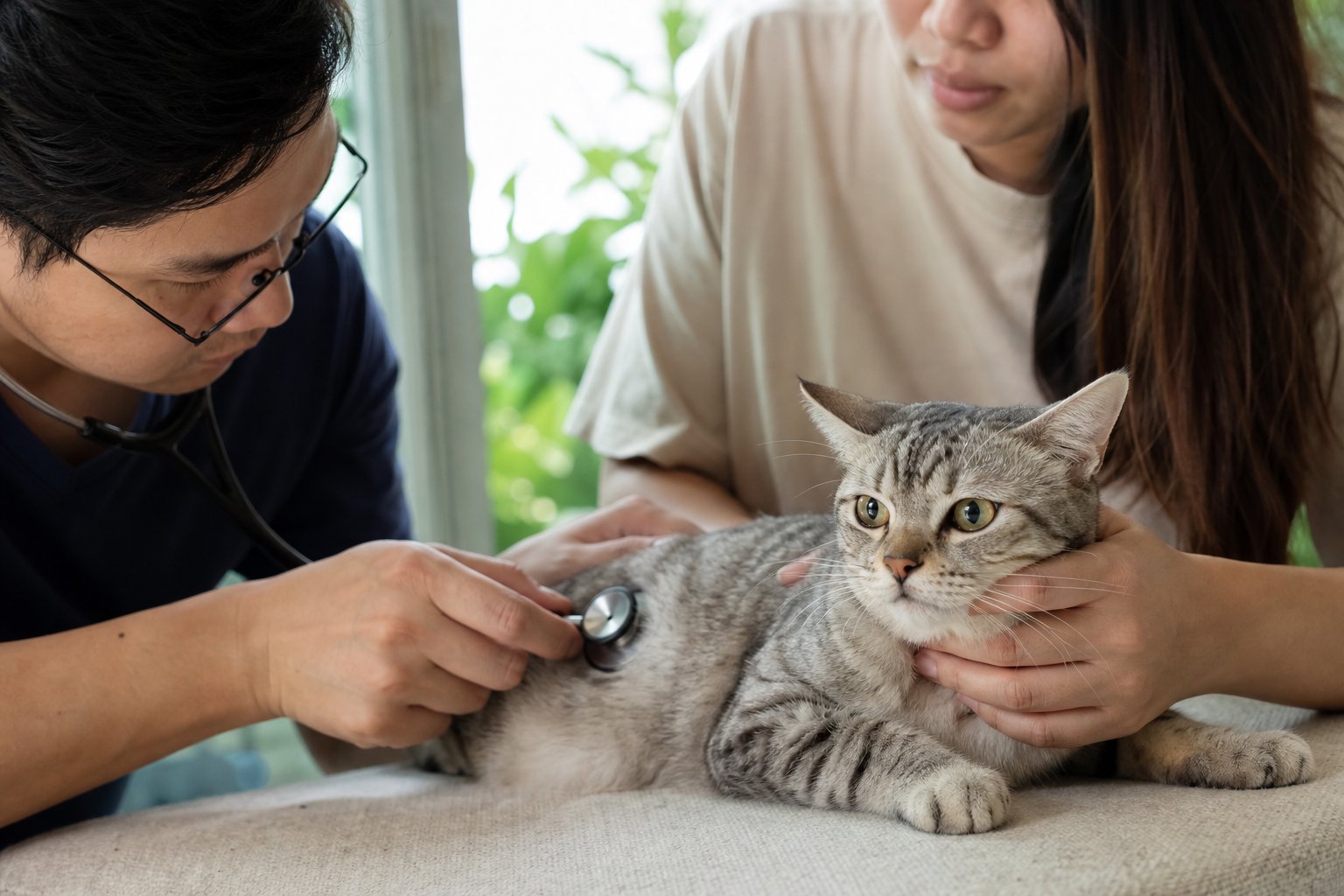
Why your vet wants a blood test
If your cat is unwell, due for a check-up, or about to have surgery, your veterinarian may recommend a blood test. It is one of the most useful tools in veterinary medicine because it gives a snapshot of what is happening inside the body. For Malaysian cat owners, understanding what to expect can make the visit less stressful for both you and your pet.
A blood test is not a single test but a group of tests. Your vet will choose which ones based on your cat's age, health status, and symptoms. The results help confirm a diagnosis, rule out other conditions, and guide treatment decisions. They can also establish a baseline for healthy cats, which is valuable for tracking changes over time.
What a blood test can tell you
Blood tests provide information about many body systems. Here are some of the key areas they cover:
- Red blood cells: These carry oxygen. Low numbers can indicate anaemia, which may be caused by blood loss, poor production, or destruction. High numbers can suggest dehydration.
- White blood cells: These fight infection. Increases may point to infection or inflammation; decreases can occur with certain viral diseases or immune problems.
- Platelets: These help blood clot. Low platelets can increase bleeding risk.
- Kidney function: Tests measure substances like creatinine and blood urea nitrogen (BUN). Elevated levels can indicate kidney disease, which is common in older cats.
- Liver function: Enzymes such as ALT and ALP, along with bilirubin, help assess liver health.
- Blood sugar: Glucose levels can screen for diabetes, especially in overweight cats.
- Thyroid hormone: T4 levels help diagnose hyperthyroidism, a common condition in senior cats.
- Electrolytes: Sodium, potassium, and chloride are essential for nerve and muscle function. Imbalances can occur with vomiting, diarrhoea, or kidney disease.
- Proteins: Albumin and globulin levels can indicate nutritional status, liver function, and immune response.
Your vet may also run specific tests such as FeLV/FIV (feline leukaemia virus and feline immunodeficiency virus), heartworm antigen, or pancreatic enzymes if they suspect particular diseases.
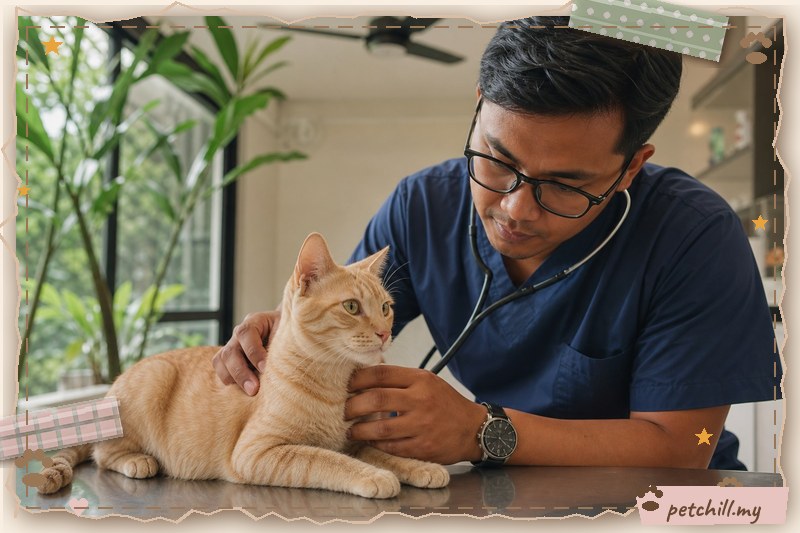
Types of blood tests
Blood tests fall into two broad categories: haematology (blood cell counts) and biochemistry (chemical components).
Complete blood count (CBC)
A CBC measures red blood cells, white blood cells, and platelets. It helps detect anaemia, infection, inflammation, and bleeding disorders. It is often part of a routine health screen or pre-surgical panel.
Biochemistry panel
This measures organ function and electrolyte balance. It typically includes kidney and liver values, glucose, proteins, and electrolytes. Your vet may choose a small panel (e.g., kidney and liver only) or a larger one depending on the situation.
Specialised tests
- Thyroid panel: For suspected hyperthyroidism.
- FeLV/FIV test: A quick in-house test using a few drops of blood.
- Coagulation panel: Checks clotting ability before surgery.
- Blood typing: Important before transfusions.
How to prepare for the visit
Preparation is usually simple. Here is a checklist:
- Confirm fasting instructions: Most tests do not require fasting, but if your vet asks you to withhold food, follow the timing exactly. Water is usually allowed.
- Bring a list of medications and supplements: Some can affect results.
- Note any changes in behaviour, appetite, or litter box habits: This helps your vet interpret results.
- Use a secure carrier: A frightened cat may struggle, so a sturdy carrier reduces stress and keeps everyone safe.
- Consider a towel or blanket: A familiar-smelling cloth in the carrier can help calm your cat.
- Allow extra time: The appointment may take longer than a routine check-up.
What happens during the blood draw
A veterinary nurse or vet will usually take the sample. The most common sites are the jugular vein in the neck or a vein in the front leg. The area is clipped and cleaned. A small needle is inserted, and blood is drawn into a tube or syringe. The procedure takes only a minute or two.
Most cats tolerate this well. Some may need gentle restraint, and a few may benefit from a mild sedative if they are very anxious. Your vet will discuss this with you if needed. The sample is then labelled and either analysed in-house or sent to a laboratory.
What the results mean
Blood test results are not a diagnosis on their own. Your vet interprets them alongside your cat's history, physical examination, and other tests. Results are often compared to reference ranges, which are typical values for healthy cats. A value outside the range may be normal for your cat or may indicate a problem.
Here is a simplified guide to common abnormalities:
| Test | What it measures | Possible meaning if abnormal |
|---|---|---|
| Red blood cell count | Oxygen-carrying cells | Low: anaemia; High: dehydration |
| White blood cell count | Immune cells | High: infection/inflammation; Low: viral disease or immune suppression |
| Platelets | Clotting cells | Low: bleeding risk |
| BUN and creatinine | Kidney function | High: kidney disease or dehydration |
| ALT and ALP | Liver enzymes | High: liver damage or stress |
| Glucose | Blood sugar | High: diabetes or stress; Low: rare, can be serious |
| T4 | Thyroid hormone | High: hyperthyroidism |
| Potassium | Electrolyte | Low or high: can affect heart and muscles |
Your vet will explain which values are concerning and what further steps are needed. Sometimes a repeat test is recommended to monitor trends.
How long do results take?
Many clinics in Malaysia have in-house analysers that provide results within 15–30 minutes for common tests. This is useful for urgent cases or pre-surgical screening. More specialised tests may be sent to an external laboratory, which can take a few days. Your vet will tell you when to expect results and will schedule a follow-up call or visit to discuss them.
Risks and aftercare
Blood tests are generally very safe. Risks include minor bruising or bleeding at the needle site, and rarely infection. Most cats show no after-effects. You can usually take your cat home immediately. Keep an eye on the puncture site for a day; if you notice swelling or persistent bleeding, contact your vet.

When to see a vet
Blood tests are often part of a diagnostic work-up, but certain signs mean your cat needs veterinary attention regardless:
- Loss of appetite lasting more than 24 hours
- Vomiting or diarrhoea that persists
- Increased thirst and urination
- Weight loss
- Lethargy or hiding
- Difficulty breathing
- Pale gums
- Seizures or disorientation
If your cat shows any of these signs, do not wait for a routine blood test. Seek veterinary care promptly.
Local considerations for Malaysian cat owners
In Malaysia, veterinary clinics are available in most urban areas, but access may vary in rural regions. It is wise to call ahead to confirm that blood tests are available and to ask about the process. Prices vary depending on the clinic, the tests requested, and whether they are done in-house or sent out. Ask your vet for an estimate before proceeding.
Climate can also play a role. During the rainy season, cats may be more prone to certain infections, and blood tests can help identify them. In hot weather, dehydration can affect results, so ensure your cat is well hydrated before the visit unless fasting is required.
Frequently asked questions
Does my cat need to fast before a blood test? Usually no. Most routine blood tests do not require fasting. However, if your vet plans a glucose test or specific chemistry panel, they may ask you to withhold food for a few hours. Always follow your vet's instructions.
How much blood is taken from a cat? Typically only a small amount, often less than a teaspoon (about 1–3 ml). Cats tolerate this well, and the body replaces it quickly. The exact volume depends on how many tests are needed.
How long do blood test results take? Many in-house tests give results within 15–30 minutes. Tests sent to an external laboratory may take a few days. Your vet will tell you when to expect results and will discuss them with you.
Is a blood test painful for my cat? It causes brief discomfort, similar to a quick pinch. Most cats tolerate it well. Your vet may use a local anaesthetic cream or a gentle restraint. The procedure is quick and usually over in minutes.
What can a blood test detect in cats? It can reveal anaemia, infection, dehydration, kidney or liver problems, diabetes, thyroid disease, and electrolyte imbalances. It also helps monitor response to treatment and screen for issues before surgery.
Can I get a blood test for my cat without a vet visit? No. Blood tests require a veterinarian to collect the sample safely and interpret results. Home test kits exist but are not a substitute for professional veterinary care. Always consult a licensed vet.
Final thoughts
A blood test is a valuable tool that helps your vet provide the best care for your cat. Knowing what to expect can reduce anxiety and help you ask the right questions. If your vet recommends a blood test, discuss the reasons, the tests involved, and what the results might mean. With a little preparation, the experience can be smooth for both you and your feline friend.
Disclaimer: This article is for general information only and is not a substitute for professional veterinary advice. Always consult a licensed veterinarian for diagnosis and treatment of your cat.
Related reading
- Cat Health Guide Malaysia: Symptom Check, Red-Flag Triage & When to See a Vet
- Anemia in Cats in Malaysia: Signs, Causes, and What to Do
- Cat Anemia Treatment in Malaysia: A Practical Owner's Guide
- Cat Bad Breath Treatment in Malaysia: Causes, Home Care and When to See a Vet
- Cat Dental Pain Treatment in Malaysia: A Practical Owner's Guide
- Cat Excessive Thirst Treatment in Malaysia: What to Do When Your Cat Drinks Too Much
- Cat Excessive Urination Treatment in Malaysia: A Practical Guide for Owners
- Cat Eye Infection Treatment in Malaysia: A Practical Owner's Guide
- Cat Fever Treatment in Malaysia: What to Do When Your Cat Is Hot

