
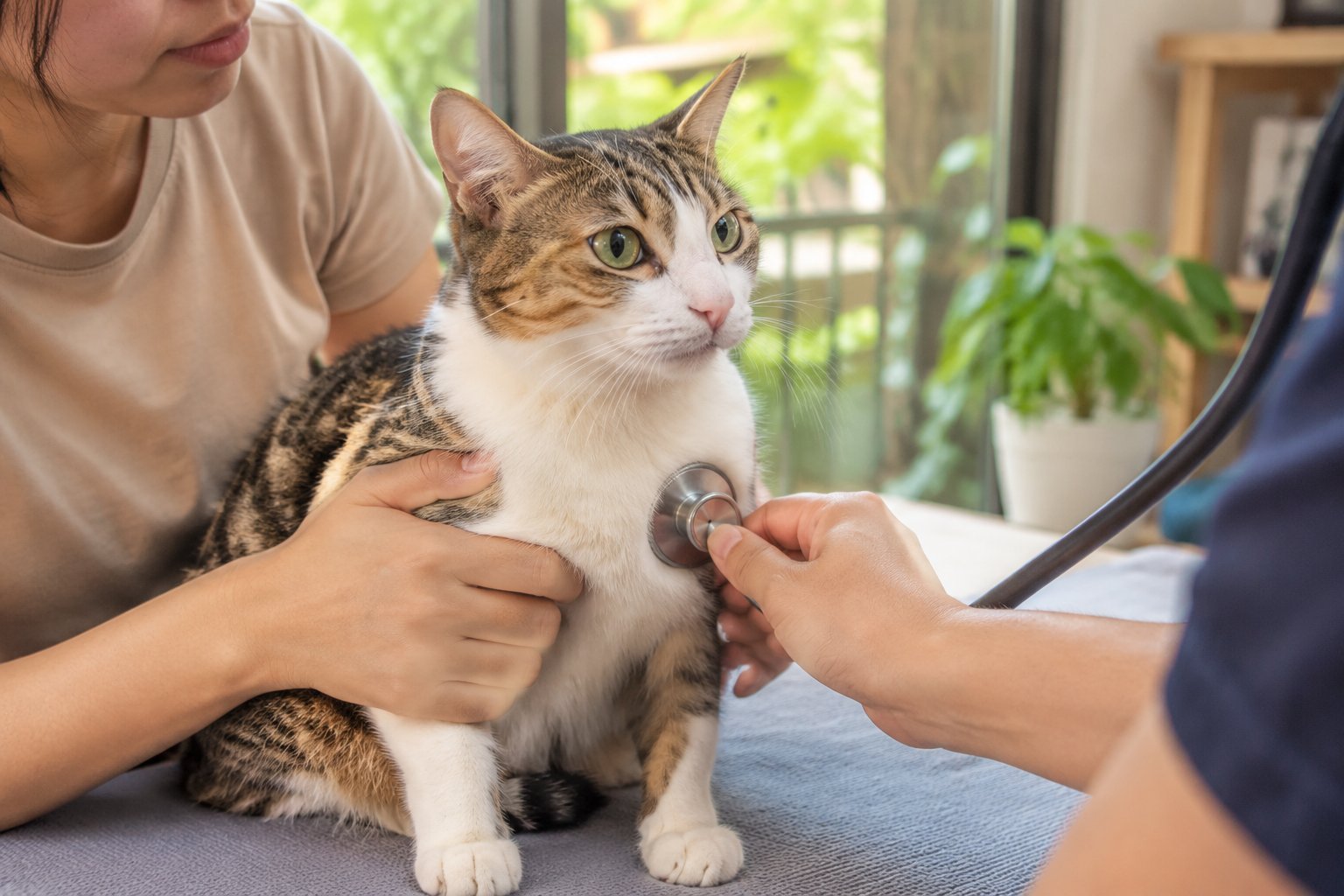
What cat anemia treatment in Malaysia really involves
Anemia means your cat has fewer red blood cells or less hemoglobin than normal. Red blood cells carry oxygen, so an anemic cat tires easily, breathes faster, and may look pale. Treatment is not a single medicine. It is a plan built around the cause, and in Malaysia that plan usually starts with a vet visit, blood tests, and parasite control.
This guide explains the common causes, the tests Malaysian vets use, the treatment options, and how to care for a recovering cat at home. It is general information, not a substitute for a diagnosis.
Recognising anemia in your cat
Cats hide illness well. By the time signs are obvious, anemia may already be moderate to severe.
Signs to watch for
- Pale pink, white, or grey gums instead of healthy pink
- Weakness, reluctance to jump, or sleeping more
- Fast breathing or panting after mild activity
- Reduced appetite and weight loss
- Hiding or withdrawing from family
- Dark, brown, or red urine
- Yellow tinge to gums or skin (jaundice)
- Cold ears or paws in severe cases
How to check gums at home
Gently lift your cat's lip in good natural light. Healthy gums are bubble-gum pink and press back to pink quickly when you press them. If they stay pale after you release, or look white, book a vet visit. Do not rely on gum colour alone; some cats with anemia still have pinkish gums.
Common causes of anemia in Malaysian cats
Vets group causes into three broad types: blood loss, red cell destruction, and poor red cell production. Many cats have more than one problem at once.
Blood loss
- Fleas and ticks: Heavy flea burdens are common in warm, humid climates and can drain small cats. Tick-borne disease can also cause anemia.
- Hookworms and other intestinal worms: These feed on blood and are a common cause in outdoor cats.
- Injury or internal bleeding: Road traffic accidents, rat bait poisoning, and bleeding tumours can all cause sudden anemia.
- Blood-sucking parasites: In some regions, cats can pick up parasites that feed on blood.
Red cell destruction
- Feline infectious anemia: A blood parasite called Mycoplasma haemofelis can destroy red cells. It is more common in cats with flea exposure.
- Immune-mediated disease: The immune system mistakenly attacks red blood cells.
- Toxic exposure: Some human medicines, certain foods, and household chemicals can trigger destruction.
Poor red cell production
- Chronic kidney disease: The kidneys make erythropoietin, a hormone that signals red cell production. Damaged kidneys produce less, so anemia develops slowly.
- Feline leukemia virus (FeLV) and feline immunodeficiency virus (FIV): These viruses can suppress bone marrow.
- Cancer and bone marrow disease: Tumours or marrow disorders can crowd out normal red cell production.
- Nutritional deficiencies: Rare in cats on complete diets, but possible with prolonged poor nutrition.
How Malaysian vets diagnose anemia
Diagnosis is stepwise. Your vet will not prescribe iron blindly; they will look for the cause first.
Physical examination
Your vet checks gum colour, heart rate, breathing, temperature, and body condition. They will also feel the abdomen for enlarged organs and check for fleas and ticks.
Blood tests
| Test | What it shows | Why it matters |
|---|---|---|
| Complete blood count (CBC) | Red cell count, hemoglobin, hematocrit, white cells, platelets | Confirms anemia and shows whether it is regenerative |
| Blood smear | Red cell shape, parasites on red cells | Helps identify Mycoplasma and other causes |
| Reticulocyte count | Young red cells | Shows whether the bone marrow is responding |
| Biochemistry panel | Kidney and liver values, protein, glucose | Finds underlying disease such as kidney failure |
| FeLV/FIV test | Virus status | Important for prognosis and management |
| Urine test | Blood, protein, concentration | Detects urinary bleeding or kidney disease |
| Faecal test | Worm eggs and parasites | Guides deworming choices |
Imaging
X-rays or ultrasound may be needed if your vet suspects bleeding, tumours, or organ disease. These are available at many Malaysian small animal practices, though not all clinics have ultrasound on site.
Treatment options for cat anemia in Malaysia
Treatment depends on the cause. Your vet may combine several approaches.
1. Parasite control
If fleas, ticks, or worms are involved, your vet will prescribe species-appropriate parasite treatment. Never use dog flea products on cats; some contain permethrin, which is highly toxic to cats. Follow the dose and schedule your vet gives, and treat all pets in the household.
2. Treating the underlying disease
- Kidney disease: Managed with a kidney-support diet, blood pressure control, and sometimes medication. Anemia often improves partly when the kidney disease is managed.
- Infections: Antibiotics or antiparasitic drugs for Mycoplasma or other infections.
- Immune-mediated anemia: May need immunosuppressive medicines such as corticosteroids. These are prescription-only and need monitoring.
- Cancer: May involve surgery, chemotherapy, or palliative care depending on the type and stage.
3. Iron and vitamin supplementation
Vets may prescribe iron supplements or vitamin B12 when a deficiency is confirmed or suspected. Do not use human iron tablets; the dose can be dangerous. Only use products supplied or approved by your vet.
4. Blood transfusion
Severe anemia may need a blood transfusion. This is not available at every clinic. Your vet may refer you to a larger practice or a veterinary teaching hospital. Transfusions carry risks, so they are reserved for cats in serious condition.
5. Supportive care
- Fluids if the cat is dehydrated
- Anti-nausea medicine to improve appetite
- Oxygen therapy for cats in breathing distress
- Hospitalisation for monitoring in severe cases
Diet and nutrition for anemic cats
There is no single "anemia diet" for cats, but good nutrition supports red cell production and recovery.
What to feed
- Choose a complete and balanced commercial cat food. Look for a statement that it meets AAFCO or equivalent nutritional standards.
- Ensure adequate protein. Cats are obligate carnivores and need animal-based protein.
- If your vet recommends a kidney diet, follow it. Kidney diets are lower in protein but formulated for kidney health; do not switch diets without advice.
- Offer small, frequent meals if appetite is poor.
- Warm wet food slightly to improve aroma and encourage eating.
What to avoid
- Raw liver: Risks bacterial contamination and vitamin A toxicity. It is not a balanced food.
- Human iron supplements: Dangerous dosing and potential toxicity.
- Onions, garlic, and chives: These can damage red blood cells.
- Unbalanced homemade diets: Recipes found online are often deficient in essential nutrients.
Feeding a cat that will not eat
Loss of appetite is common in anemic cats. Try:
- Strong-smelling wet food
- Hand-feeding or offering food on a flat plate
- Reducing stress at mealtime by feeding in a quiet room
- Asking your vet about appetite stimulants or assisted feeding
If your cat has not eaten for 24 hours, contact your vet. Cats can develop serious liver problems after just a few days of not eating.
Home care and monitoring
Home care is about comfort, observation, and consistency.
Daily checks
- Gum colour in natural light
- Breathing rate at rest
- Appetite and water intake
- Litter box output
- Energy and interest in family life
Reducing stress
Anemic cats tire easily. Keep them indoors, provide quiet resting spots, and limit rough play. Use ramps or steps to reduce jumping if your cat is weak.
Medication routine
Give medicines exactly as prescribed. Do not stop early, even if your cat seems better. If you miss a dose, ask your vet what to do rather than doubling up.
Follow-up visits
Your vet will likely recheck blood counts after starting treatment. Keep these appointments. Trends matter more than a single result, and follow-up helps catch relapse early.
Living with an anemic cat in Malaysia
Malaysia's climate and housing styles affect how you manage an anemic cat.
Kuala Lumpur apartment
In a high-rise apartment, keep your cat indoors and screen windows and balconies. Indoor cats still need parasite prevention because fleas can come in on clothing or other pets. Set up a quiet room away from lift noise and corridor traffic so your cat can rest. If your building has a shared garden, avoid letting your cat roam there unsupervised.
Johor terrace house
In a terrace house with a garden, your cat may have more access to outdoor areas. Keep doors and windows screened, and check for fleas and ticks regularly. If you have other pets, treat them all at the same time. Store rat bait and chemicals securely, as poisoning can cause bleeding and anemia.
Penang rainy season
During heavy rain, cats may stay indoors more, which can affect activity and appetite. Damp conditions can favour fleas, so check bedding and grooming tools. Keep your cat's resting area dry and warm, and watch for signs of illness during long wet spells.
Prevention: reducing the risk
Not all anemia is preventable, but you can lower the risk.
- Use vet-recommended flea and tick control year-round
- Deworm according to your vet's schedule
- Keep cats indoors or in secure enclosures
- Feed a complete and balanced diet
- Avoid onions, garlic, and human medicines
- Store chemicals and baits out of reach
- Test new cats for FeLV and FIV before introducing them
- Attend routine wellness checks, especially for senior cats
When to see a vet
See a Malaysian vet promptly if your cat has pale gums, fast breathing, weakness, collapse, dark urine, or yellow gums. These can be signs of severe anemia. Do not wait to see if it improves. If your cat has not eaten for 24 hours, is hiding, or seems painful, contact a vet the same day. For cats with known kidney disease or FeLV, keep scheduled blood checks even if your cat seems well.
Questions to ask your vet
- What type of anemia does my cat have?
- Is the bone marrow responding?
- What tests are still needed?
- What is the likely cause?
- What are the treatment options and costs?
- What side effects should I watch for?
- When is the next blood check?
- What should I feed during recovery?
Comparison: common treatment approaches
| Approach | Best for | What it involves | Owner role |
|---|---|---|---|
| Parasite control | Flea, tick, or worm-related anemia | Vet-prescribed products for all pets | Treat on schedule, treat all pets |
| Iron or B12 supplement | Confirmed or suspected deficiency | Prescription supplement | Give exact dose, do not self-medicate |
| Kidney disease management | Anemia from chronic kidney disease | Diet, medication, monitoring | Follow diet and recheck schedule |
| Immunosuppressive therapy | Immune-mediated anemia | Prescription medicine and monitoring | Watch for infection and side effects |
| Blood transfusion | Severe, life-threatening anemia | Clinic or referral hospital procedure | Consent and follow-up care |
Final thoughts
Cat anemia treatment in Malaysia is a process, not a product. The most important step is a proper diagnosis. Once the cause is known, treatment can be targeted, whether that means parasite control, managing kidney disease, or supporting recovery with good nutrition and rest. Work closely with your vet, keep follow-up appointments, and avoid home remedies that could do more harm than good.
Vet disclaimer: This article is general information for Malaysian cat owners and does not replace veterinary examination, diagnosis, or treatment. Always consult a licensed veterinarian for advice about your cat's health.
Related reading
- Cat Health Guide Malaysia: Symptom Check, Red-Flag Triage & When to See a Vet
- Anemia in Cats: Causes, Signs and Care (Malaysia Guide)
- Anemia in Cats in Malaysia: Signs, Causes, and What to Do
- Anemia Prevention for Cats: A Practical Guide for Malaysian Owners
- Blood Test for Cats: What to Expect (Malaysian Owner's Guide)
- Cat Bad Breath Treatment in Malaysia: Causes, Home Care and When to See a Vet
- Cat Dental Pain Treatment in Malaysia: A Practical Owner's Guide
- Cat Excessive Thirst Treatment in Malaysia: What to Do When Your Cat Drinks Too Much
- Cat Excessive Urination Treatment in Malaysia: A Practical Guide for Owners
- Cat Eye Infection Treatment in Malaysia: A Practical Owner's Guide

