
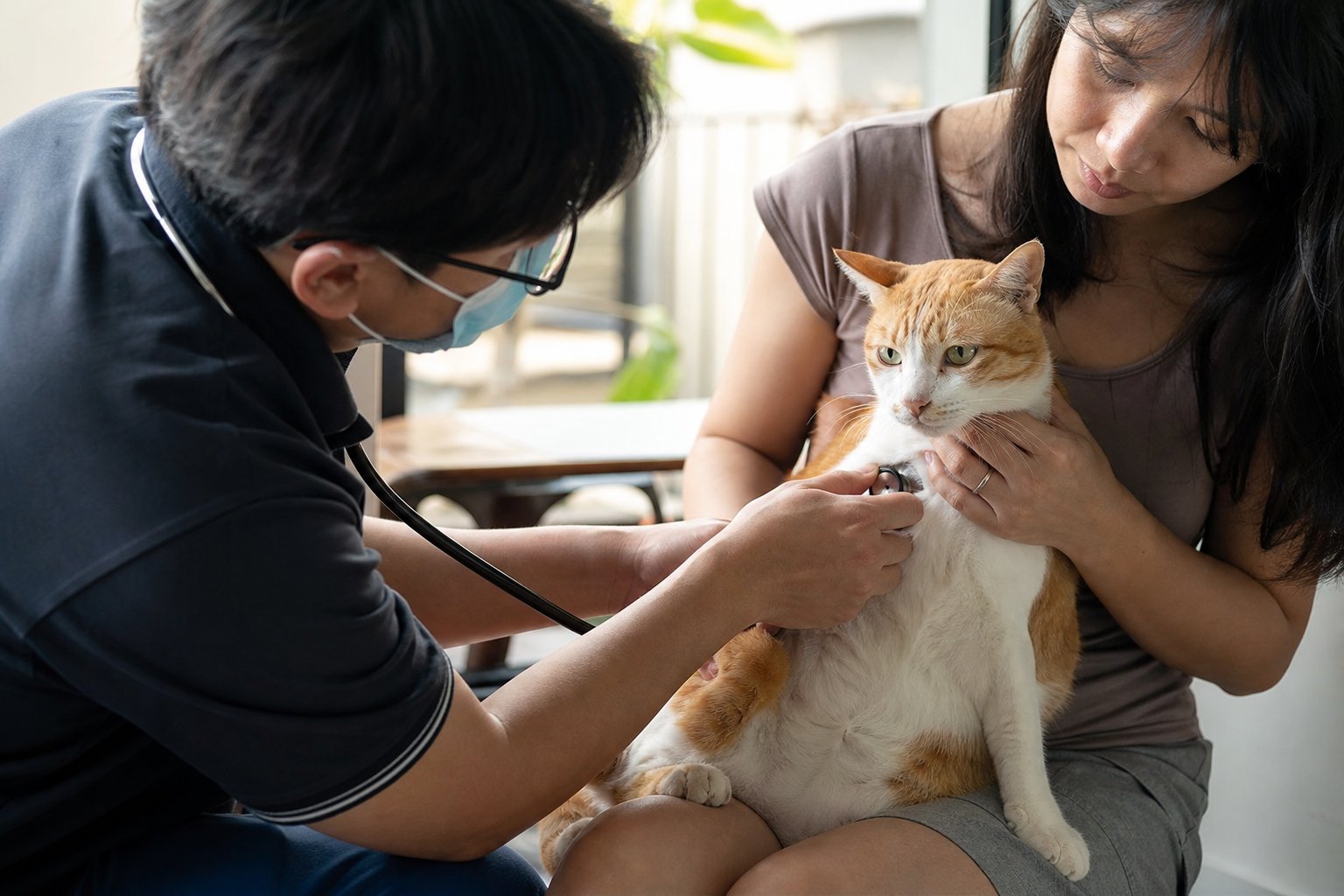
The short answer
Cat diarrhea is one of the most common reasons owners search for help, and most cases are mild and self-limiting. The practical rule for Malaysian homes: keep the cat drinking, feed small bland meals, remove treats and rich food, and watch closely for the first 24 to 48 hours. Escalate to a vet fast if you see blood, vomiting, pain, lethargy, or if the cat is very young, very old or already unwell.
This guide covers what actually causes diarrhea, what you can safely do at home, what to avoid, how to tell mild from serious, and how to work with a Malaysian vet without wasting time or money.
What counts as diarrhea, and why it matters
Diarrhea means stools that are looser, more frequent or more urgent than normal. Owners often describe it loosely, so it helps to note details:
- Consistency: soft-serve, pudding, watery, or just a change from firm logs.
- Colour: brown is normal; black tarry, bright red, pale greasy or yellow-green stools all mean something different.
- Frequency: three loose stools a day is different from ten small straining attempts.
- Volume and mucus: jelly-like mucus often points to large bowel irritation.
- Accompanying signs: vomiting, appetite loss, gas, weight loss, hiding, fever.
Why it matters: diarrhea is not a disease in itself but a symptom. It can come from something as simple as a sudden food change or as serious as panleukopenia in an unvaccinated kitten. In a tropical climate, the bigger immediate risk is dehydration. Cats lose water and electrolytes in loose stool, and a cat that is already drinking poorly in hot weather can decline quickly.
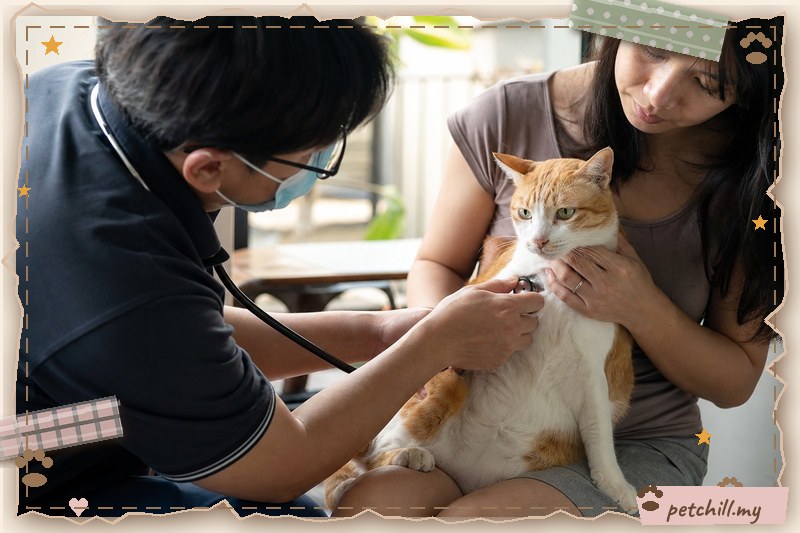
Common causes in Malaysian cats
Causes fall into a few broad buckets. You do not need to diagnose your cat, but recognising the pattern helps you decide how urgently to act.
Dietary and management causes
- Sudden switch to a new brand or flavour without a gradual transition.
- Too many treats, oily table scraps, milk or cheese (many adult cats are lactose intolerant).
- Scavenging: rubbish bins, spoiled food, raw fish or meat left out in warm weather.
- Overfeeding, especially in multi-cat homes where one cat eats everyone's portion.
- Stress: moving house, a new pet, boarding, renovation noise, or a change in litter routine.
Infectious causes
- Intestinal parasites such as roundworm, hookworm, giardia and coccidia, common in kittens and in cats with outdoor access.
- Viral infections, including feline panleukopenia, which is severe and preventable by vaccination.
- Bacterial overgrowth or infection, sometimes secondary to other illness or medication.
- Coronavirus shedding, which is usually mild but relevant because of feline infectious peritonitis concerns.
Non-infectious medical causes
- Inflammatory bowel disease and chronic enteropathy.
- Food allergy or intolerance.
- Hyperthyroidism, kidney disease and liver disease in older cats.
- Pancreatitis.
- Intestinal obstruction from swallowed string, hair ties, bones or toys.
- Toxin exposure: certain human foods, plants, cleaning products, pest baits and some human medicines.
Medication-related
- Antibiotics can disrupt gut flora and cause loose stool.
- Some painkillers and supplements upset the stomach.
A useful mental shortcut: a happy, eating, drinking cat with one or two soft stools is usually a wait-and-watch case. A quiet cat with repeated watery stools, vomiting or blood is a vet case.
Home care that is actually safe
Home treatment is about supporting the cat while the gut settles, not about suppressing the symptom with random medicine.
1. Prioritise water
Offer multiple water bowls in different rooms, refresh them daily, and consider a pet fountain if your cat prefers running water. You can also offer a little plain unsalted broth or water from a boiled chicken (no onion, garlic or salt). Never force water into a cat's mouth; it risks choking and aspiration.
2. Feed small, frequent, gentle meals
Skip the idea of starving the cat. Offer small portions three to four times a day of something bland and highly digestible. Options include plain boiled chicken breast with the fat skimmed off, or a veterinary gastrointestinal diet if your vet recommends one. Keep portions small so the gut is not overloaded.
3. Remove the likely trigger
Stop all treats, milk, cheese, oily food and new foods immediately. If you recently changed food, go back to the previous diet for a few days. If you have multiple cats, feed them separately so you know exactly who is eating and who is producing which stool.
4. Support gut flora sensibly
Probiotics formulated for cats are widely available and generally low risk; ask your vet which product suits your cat. Do not use human probiotic capsules unless your vet confirms the strain and dose.
5. Keep the litter box clean and observe
Scoop at least twice daily and note the appearance of each stool. Photograph abnormal stools; it is genuinely useful for your vet and saves guesswork.
6. Reduce stress
Keep the cat indoors in a quiet room, maintain routine feeding times, and avoid introducing new pets or major changes during recovery.
What not to do
Some common home remedies do more harm than good.
- Do not give human anti-diarrhea drugs. Loperamide and similar products are not dosed for cats and can cause serious toxicity.
- Do not give human painkillers. Paracetamol and ibuprofen are dangerous to cats.
- Do not use leftover antibiotics. Wrong drug, wrong dose, and it disrupts gut flora further.
- Do not fast the cat for a day or more. This is outdated and risky, particularly for overweight cats prone to hepatic lipidosis.
- Do not offer milk or dairy. It commonly worsens diarrhea.
- Do not delay if red flags are present. Waiting a day can turn a manageable problem into an emergency.
Mild versus urgent: a comparison table
Use this as a rough triage guide, not a substitute for veterinary assessment.
| Feature | Usually safe to monitor at home | See a vet promptly |
|---|---|---|
| Stool | Soft to pudding, brown, 1-3 times daily | Watery, very frequent, black, red or pale greasy |
| Appetite | Eating normally or slightly reduced | Not eating for 24 hours, or refusing water |
| Behaviour | Bright, playful, grooming | Hiding, weak, collapsed, disoriented |
| Vomiting | None or once | Repeated vomiting, cannot keep water down |
| Abdomen | Soft, comfortable | Swollen, painful, tense |
| Age | Adult cat in good health | Kitten under 12 weeks, senior cat, pregnant cat |
| Duration | Under 48 hours and improving | Over 48 hours, or worsening |
| Other signs | None | Fever, pale gums, straining with no stool, weight loss |
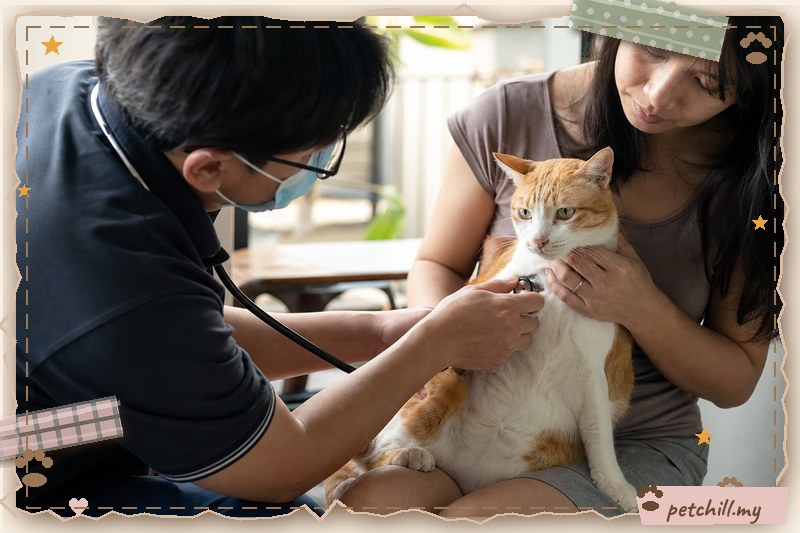
When to see a vet
Book a veterinary appointment, ideally the same day, if any of the following apply:
- Blood in the stool, black tarry stool, or stool that looks like jelly with fresh blood.
- Repeated vomiting, especially if the cat cannot keep water down.
- A kitten, senior cat, pregnant cat or a cat with a chronic illness such as kidney disease or diabetes.
- Diarrhea lasting more than 48 hours, or that is getting worse rather than better.
- Signs of pain: crying, hunched posture, guarding the belly, reluctance to be picked up.
- Straining in the litter box with little or nothing produced, which can indicate obstruction or constipation rather than diarrhea.
- Lethargy, weakness, pale or yellow gums, or a cat that feels cold.
- Weight loss over days to weeks, or chronic intermittent diarrhea.
- Known or suspected exposure to toxins, human medicines, plants or spoiled food.
- A cat that is not vaccinated, or recently boarded or mixed with unknown cats.
If you are unsure, phone the clinic and describe the stool, the cat's appetite and behaviour, and how long it has been going on. Many Malaysian clinics will advise whether to come in immediately or monitor for a few hours.
What your vet will likely do
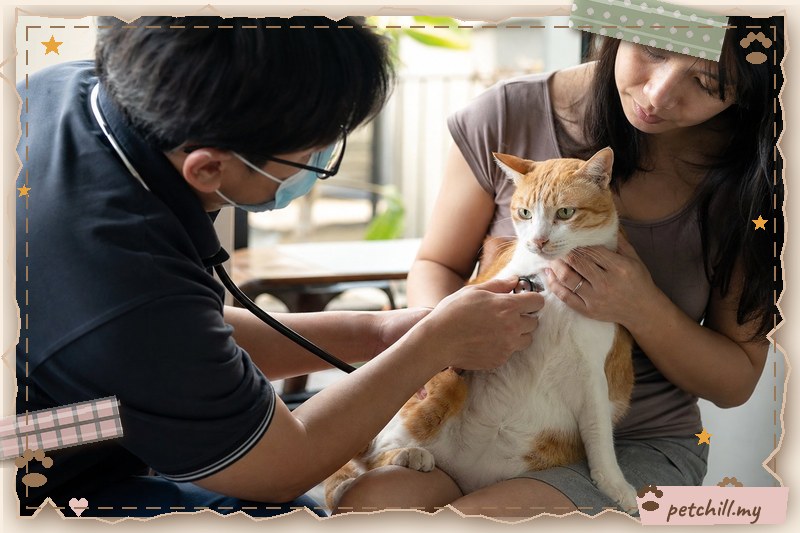
A good consultation starts with history: diet, recent changes, vaccination status, worming, outdoor access, other pets, and any medication. Then a physical examination, including hydration status, abdominal palpation and temperature.
Depending on findings, your vet may recommend:
- Faecal testing for parasites, giardia and coccidia.
- Blood tests to check organ function, especially in older cats.
- Imaging such as ultrasound or X-ray if obstruction or inflammation is suspected.
- Fluid therapy for dehydration, given under the skin or intravenously depending on severity.
- Anti-parasitic treatment if a parasite is identified.
- A prescription gastrointestinal diet for a defined period.
- Anti-nausea or gastroprotective medication where appropriate.
- Antibiotics only when genuinely indicated, not routinely for every loose stool.
Costs vary widely between clinics and states, so ask for an estimate before agreeing to tests. There is no single national price, and it is reasonable to request a breakdown.
Diet and recovery plan
A structured recovery reduces the chance of relapse.
Days 1-2: Small bland meals, fresh water, no treats. Note stool quality each time.
Days 3-4: If stools are firming, gradually increase portion size and begin mixing in the cat's regular food in small proportions.
Days 5-7: Transition back to normal food over several days. Reintroduce treats only after stools have been normal for at least 48 hours.
Long term: If diarrhea recurs with a particular food, discuss a hypoallergenic or limited-ingredient diet with your vet. Keep a simple food diary; patterns are easier to spot than you think.
Prevention in a Malaysian household
- Transition foods gradually over seven to ten days, mixing increasing amounts of the new food.
- Store food properly. In a hot, humid climate, dry food goes stale and mouldy faster. Keep it sealed, cool and dry, and check the smell and texture.
- Avoid raw and spoiled food, especially fish and meat left out.
- Worm regularly according to your vet's schedule, particularly for cats with outdoor access.
- Keep vaccinations current, including panleukopenia.
- Manage stress during moves, renovations and new pets.
- Secure bins and toxic items, including pest bait, cleaning chemicals and human medicines.
- Provide constant clean water and consider multiple bowls in warm weather.
- Watch multi-cat households for shared bowls and stress-related upset.
Real-world Malaysian contexts
Kuala Lumpur apartment: A cat living in a high-rise has limited outdoor access but may still scavenge from the kitchen bin or be fed too many treats by different family members. In a small apartment, a cat with diarrhea and vomiting can dehydrate quickly, and the nearest 24-hour clinic may not be within walking distance. Keep a carrier ready, note the clinic's after-hours number, and keep a simple bland-food kit at home.
Penang rainy season: Damp weather and fluctuating temperatures can affect appetite and food storage. Dry food left in an open bag absorbs moisture and spoils faster. Store food in sealed containers, check for clumping or a sour smell, and be quicker to seek advice if a cat with diarrhea also stops eating.
Quick checklist for owners
- Note stool colour, consistency and frequency.
- Check appetite, water intake and behaviour.
- Remove treats, milk, oily food and new foods.
- Offer small bland meals and constant fresh water.
- Keep the litter box clean and observe each stool.
- Photograph abnormal stools.
- Do not give human medicine.
- Call the vet if any red flag is present.
- Ask for a cost estimate before tests or treatment.
Bottom line
Most cat diarrhea in Malaysia is mild and manageable at home with hydration, gentle food and observation. The danger is delay: kittens, seniors and cats with blood, vomiting or lethargy need veterinary attention quickly. When in doubt, phone your vet, describe what you are seeing, and follow their advice rather than experimenting with human remedies.
This article is general information for cat owners and is not a substitute for examination by a licensed veterinarian. Always consult your vet about your cat's specific condition, medication and diet.
Related reading
- Cat Constipation Treatment in Malaysia: A Practical Owner's Guide
- Diarrhea Prevention for Cats: A Practical Guide for Malaysian Owners
- How to Treat Constipation in Cats at Home: A Practical Malaysian Guide
- Cat Constricted Pupils Treatment in Malaysia: What to Do When Your Cat's Eyes Look Pinpoint
- Cat Coughing Treatment in Malaysia: Causes, Home Care & When to See a Vet
- Cat Dehydration in Malaysia: Home Skin-Turgor Test, 7 Causes and Emergency Signs
- Cat Dehydration Treatment in Malaysia: Signs, Home Care and When to See a Vet
- Cat Diabetes Treatment in Malaysia: A Practical Owner's Guide
- Cat Itching Treatment in Malaysia: A Practical Guide for Itchy Cats

