
What does excessive urination in cats actually mean?
Excessive urination, or polyuria, means your cat is passing more urine than normal, often in larger volumes and more frequently. It is different from straining to pass small amounts, which usually points to bladder irritation or blockage. Owners often notice a litter tray that needs changing far more often, larger clumps, accidents outside the box, or a cat that suddenly drinks a lot. In Malaysia's warm, humid climate, cats can also lose water through panting and grooming, so a sudden change in drinking and urination is easy to miss until the litter tray tells the story.
This guide covers the common causes, how vets investigate them, treatment options, and practical home management for Malaysian owners living in apartments, terrace houses and shared spaces.
Common causes of excessive urination in cats
Excessive urination is a symptom, not a diagnosis. Several conditions produce similar signs, and some cats have more than one problem at once.
| Cause | Typical clues | Usual treatment approach |
|---|---|---|
| Urinary tract infection | Frequent small urinations, straining, blood in urine, licking genitals | Antibiotics after urine culture; pain relief |
| Feline lower urinary tract disease (FLUTD) | Straining, discomfort, sometimes blood; often stress-related | Pain relief, stress reduction, prescription diet, increased water intake |
| Bladder stones or crystals | Straining, blood, sometimes blockage in males | Prescription diet, surgery for some stones, more water |
| Chronic kidney disease | Increased drinking and urination, weight loss, poor appetite | Kidney-support diet, hydration support, blood pressure and protein management |
| Diabetes mellitus | Increased thirst and urination, weight loss despite good appetite | Insulin, diet, monitoring |
| Hyperthyroidism | Increased appetite, weight loss, hyperactivity, sometimes more urination | Medication, diet, radioiodine or surgery depending on case |
| Pyometra (uterine infection) | Increased drinking and urination, discharge, lethargy in unspayed females | Emergency surgery and supportive care |
| Behavioural or environmental | Urinating outside the box, normal volume but wrong place | Litter tray and stress review, rule out medical causes first |
Male cats deserve special mention. Their urethra is narrow, and crystals or plugs can cause a complete blockage. A blocked cat may cry, strain, vomit, become lethargic and stop producing urine. This is a life-threatening emergency and needs immediate veterinary attention.
How Malaysian vets investigate a cat that urinates a lot
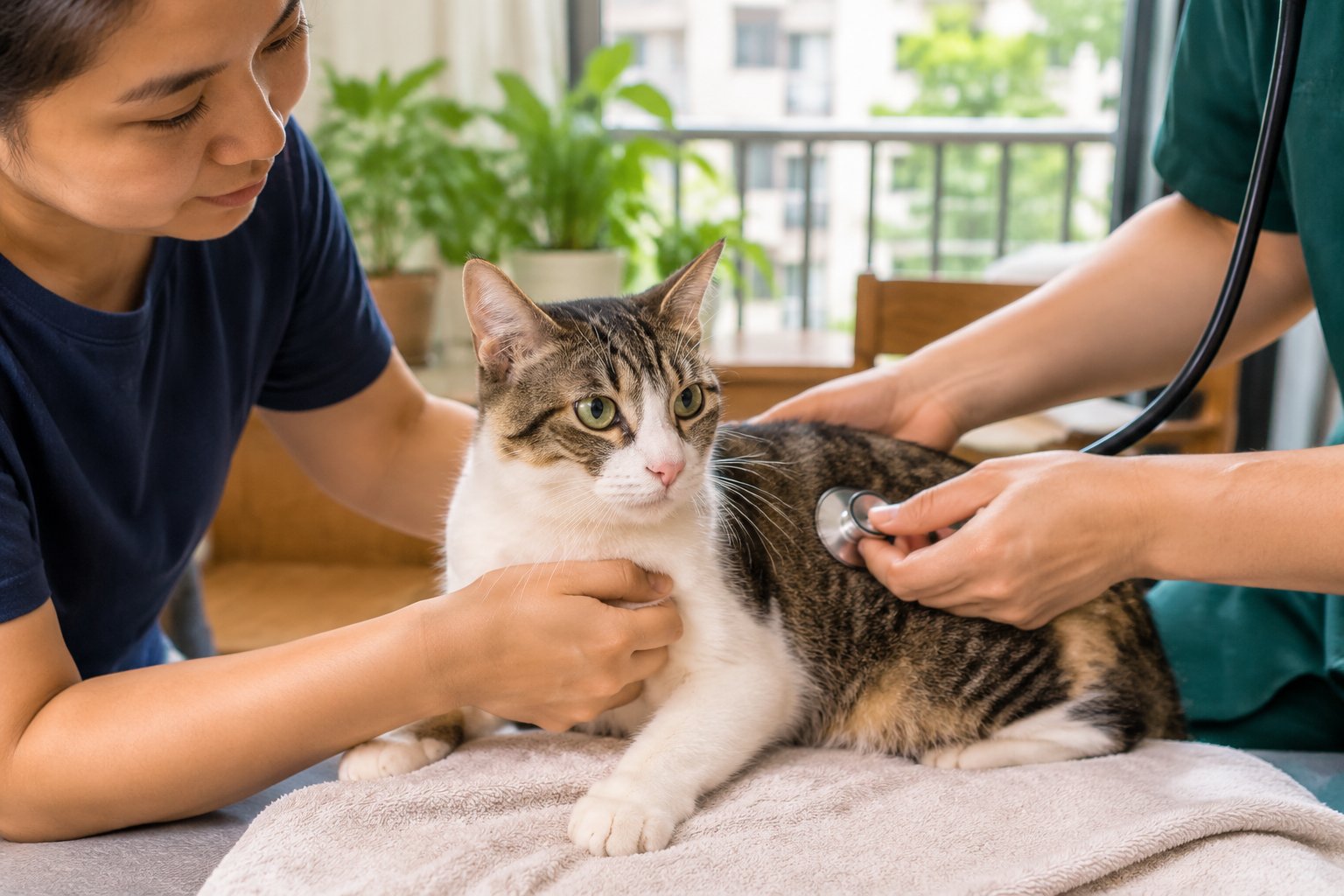
Your vet will start with a history: when the change started, how much your cat drinks, whether there is straining, blood, accidents, weight change, appetite change, and whether your cat is neutered. They will then examine your cat, feel the bladder and check for dehydration and body condition.
Common tests include:
- Urinalysis: checks urine concentration, pH, blood, protein, crystals and signs of infection.
- Urine culture: identifies bacteria and the right antibiotic when infection is suspected.
- Blood chemistry: assesses kidney values, blood sugar, electrolytes and liver enzymes.
- Complete blood count: looks for infection, anaemia and other changes.
- Thyroid test: important in older cats with weight loss and increased appetite.
- Imaging: X-ray or ultrasound to look for stones, bladder wall changes and kidney shape.
- Blood pressure: high blood pressure can accompany kidney disease and hyperthyroidism.
In Malaysia, access to tests varies by clinic. Some clinics run in-house bloodwork and urinalysis; others send samples to a laboratory. Ask what is available locally and whether repeat testing will be needed. If your cat is insured, check whether diagnostics are covered before agreeing to a large panel.
Treatment options by cause
Urinary tract infection
Antibiotics are the main treatment, ideally chosen after a urine culture. Your vet may also prescribe pain relief and encourage water intake. Finish the full course even if signs improve. If infections recur, your vet may look for underlying stones, anatomical issues or immune problems.
FLUTD and stress-related bladder inflammation
FLUTD is a syndrome rather than a single disease. Treatment focuses on reducing pain, increasing water intake, managing stress and sometimes using prescription urinary diets. Environmental enrichment matters: more litter trays, quiet resting spots, vertical space and predictable routines. In multi-cat households, tension can trigger flare-ups, so review resources carefully.
Bladder stones and crystals
Some stones dissolve with a prescription diet, while others need surgical removal. Struvite stones often respond to diet, but calcium oxalate stones generally do not. Your vet will identify the stone type by analysis if passed or removed. Increasing water intake is central to prevention.
Chronic kidney disease
There is no cure, but progression can be slowed. Treatment may include a kidney-support diet, phosphate control, hydration support, blood pressure medication, and management of protein in the urine. Some cats benefit from subcutaneous fluids at home, which your vet can teach you to give. Regular blood and urine checks track progress.
Diabetes mellitus
Most diabetic cats need insulin injections, often twice daily, plus a consistent diet and monitoring. Some cats go into remission with good control, especially if diagnosed early. Your vet will set a monitoring schedule and teach you to recognise low blood sugar signs such as weakness, tremors or disorientation.
Hyperthyroidism
Treatment options include daily medication, a prescription iodine-restricted diet, radioiodine therapy where available, or surgery. The best choice depends on your cat's age, other health problems and what is accessible locally. Untreated hyperthyroidism can mask kidney disease, so recheck kidney values after starting treatment.
Pyometra
This is a surgical emergency. Stabilisation with fluids and antibiotics is followed by removal of the infected uterus. Delaying treatment risks rupture and death.
Home management for a cat that urinates a lot
Treatment works best alongside practical home changes. These also help prevent recurrence in cats prone to urinary problems.
Increase water intake. Wet food is the simplest way to add water. You can also offer multiple water bowls, a fountain, and water added to meals. Some cats prefer wide bowls that do not touch their whiskers. Keep water fresh and away from litter trays.
Keep litter trays clean and plentiful. The general rule is one tray per cat plus one extra, placed in quiet, accessible spots. Scoop daily and wash trays regularly with unscented soap. Avoid sudden changes in litter type.
Reduce stress. Cats value routine, hiding places and vertical space. In a Kuala Lumpur apartment, a cat tree by a window and a quiet room away from visitors can make a real difference. Pheromone diffusers may help some cats.
Monitor weight and appetite. Weigh your cat monthly if possible. Unexplained weight loss despite a good appetite is a red flag for hyperthyroidism or diabetes.
Track litter tray output. A simple note of how many clumps you remove and how heavy they are can help your vet judge response to treatment.
Avoid sudden diet changes. Transition gradually over seven to ten days to prevent stomach upset. If your vet prescribes a therapeutic diet, follow the instructions and avoid mixing in other foods unless approved.
Living with a cat that urinates a lot in Malaysia
Malaysian homes vary widely, and management should fit your setup. In a high-rise apartment, space is limited, so vertical climbing options and a quiet corner for the litter tray matter. In a Johor terrace house, cats may have more room but also more access to outdoors, where they can drink from drains or pools and pick up infections or parasites. Keep cats indoors or in secure enclosures where possible, and provide clean water indoors.
During the rainy season in Penang or the east coast, humidity rises and cats may drink less or eat less. Watch for changes in litter tray output and appetite. If your cat is older, schedule a wellness check at least once or twice a year, including urine and blood tests. Early detection of kidney disease or diabetes makes management much easier.
Cost is a practical concern. Prices for consultations, blood tests, urine cultures, imaging and prescription diets vary between clinics and states. Ask your vet for an estimate before agreeing to tests or procedures, and ask whether monitoring can be staged over several visits. Do not convert or assume prices from other countries; local pricing depends on the clinic, equipment and whether samples are sent to a laboratory.
When to see a vet
See a vet promptly if your cat is urinating more often or in larger amounts, drinking more, losing weight, or having accidents outside the litter tray. Seek emergency care immediately if your cat is straining to urinate and producing little or no urine, crying in the litter box, vomiting, lethargic, or has a hard, painful belly. Male cats, older cats and unspayed females are at higher risk of serious causes. Do not wait to see if it settles on its own.
Prevention checklist
- Feed at least some wet food daily to support water intake.
- Provide fresh water in several places, including a fountain if your cat prefers running water.
- Keep one litter tray per cat plus one extra, scooped daily.
- Maintain a healthy weight and encourage daily play.
- Schedule annual vet checks; twice yearly for seniors.
- Neuter your cat unless breeding is planned, which reduces pyometra risk and some behavioural issues.
- Watch for changes in thirst, appetite and litter tray habits.
- Avoid punishing accidents; investigate the cause instead.
Vet disclaimer
This article is general information for Malaysian cat owners and is not a substitute for veterinary advice. Diagnosis and treatment require a physical examination and appropriate testing by a licensed veterinarian. If your cat shows signs of illness, contact your vet promptly.
Related reading
- Anemia in Cats in Malaysia: Signs, Causes, and What to Do
- Blood Test for Cats: What to Expect (Malaysian Owner's Guide)
- Cat Anemia Treatment in Malaysia: A Practical Owner's Guide
- Cat Bad Breath Treatment in Malaysia: Causes, Home Care and When to See a Vet
- Cat Dental Pain Treatment in Malaysia: A Practical Owner's Guide
- Cat Excessive Thirst Treatment in Malaysia: What to Do When Your Cat Drinks Too Much
- Cat Eye Infection Treatment in Malaysia: A Practical Owner's Guide

