
The short answer
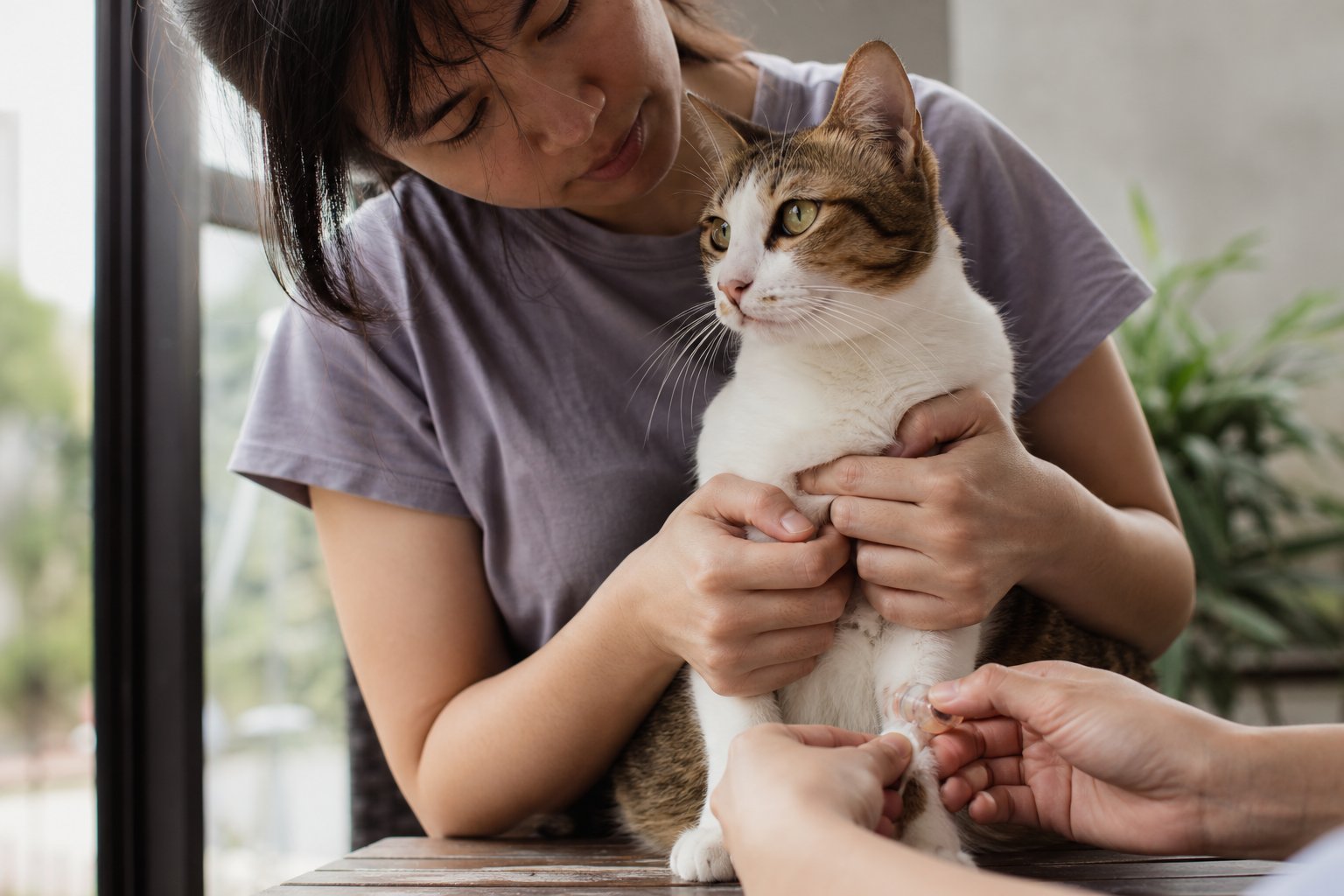
Worms in cats are treatable, but the right treatment depends on which worm your cat has, its weight and its health. In Malaysia, a vet visit for diagnosis and a cat-safe dewormer is the safest starting point. Most adult cats need deworming every three to six months, with more frequent treatment for hunters, outdoor cats and cats with fleas. Pair deworming with flea control, clean litter habits and repeat doses where your vet advises.
Why worms are a year-round concern in Malaysia
Malaysia's warm, humid climate supports parasite survival outdoors and inside homes. Fleas, a key spreader of tapeworm, breed readily in humid conditions. Mosquitoes, which transmit heartworm, are present in both landed and high-rise neighbourhoods. Stray and free-roaming cats are common, and kittens can inherit roundworms from their mother. That combination means worm risk does not disappear just because a cat lives indoors.
Worms also affect people. Roundworm larvae and hookworms can cause health problems in humans, particularly children. This is why deworming is not only about the cat's comfort but also about household hygiene.
The main worms that affect cats
| Worm type | How cats get it | Common signs | Treatment approach |
|---|---|---|---|
| Roundworm | Infected soil, mother's milk, prey | Pot belly, poor growth, vomiting, coughing | Dewormer active against roundworm; repeat as advised |
| Tapeworm | Fleas, raw meat, prey | Rice-like segments near tail, scooting, weight loss | Tapeworm-specific dewormer plus flea control |
| Hookworm | Contaminated soil, skin contact | Diarrhoea, pale gums, weakness, weight loss | Dewormer; support care if anaemia |
| Whipworm | Contaminated soil | Diarrhoea, straining, weight loss | Vet-prescribed dewormer; hygiene critical |
| Heartworm | Mosquito bites | Cough, lethargy, breathing difficulty | Vet diagnosis first; treatment is not a simple dewormer |
| Lungworm | Slugs, snails, prey, contaminated water | Cough, breathing changes | Vet diagnosis; specific treatment |
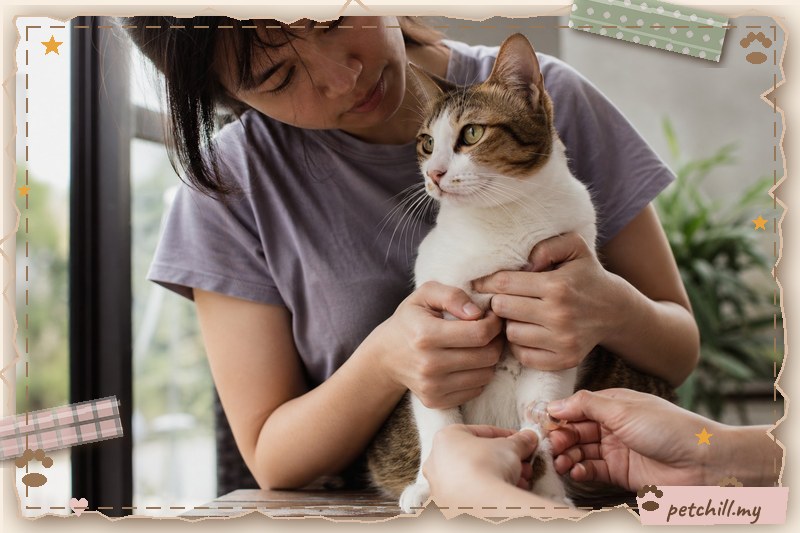
Not every worm is treated by the same product. A general dewormer may cover roundworm and hookworm but not tapeworm or heartworm. That is why a vet's diagnosis matters, especially if your cat has ongoing signs.
Signs your cat may have worms
Some cats show obvious signs; others show none. Watch for:
- Weight loss despite a normal or increased appetite
- A rounded, pot-bellied appearance, especially in kittens
- Vomiting, diarrhoea or soft stools that persist
- Visible white segments around the anus or in bedding, which look like grains of rice
- Scooting the bottom along the floor
- Pale gums, weakness or tiredness
- A dry cough or breathing changes
- A dull coat or general poor condition
Kittens, senior cats and cats with other illnesses can become unwell faster. If you notice several signs together, book a vet visit rather than buying a dewormer at random.
How vets diagnose worms
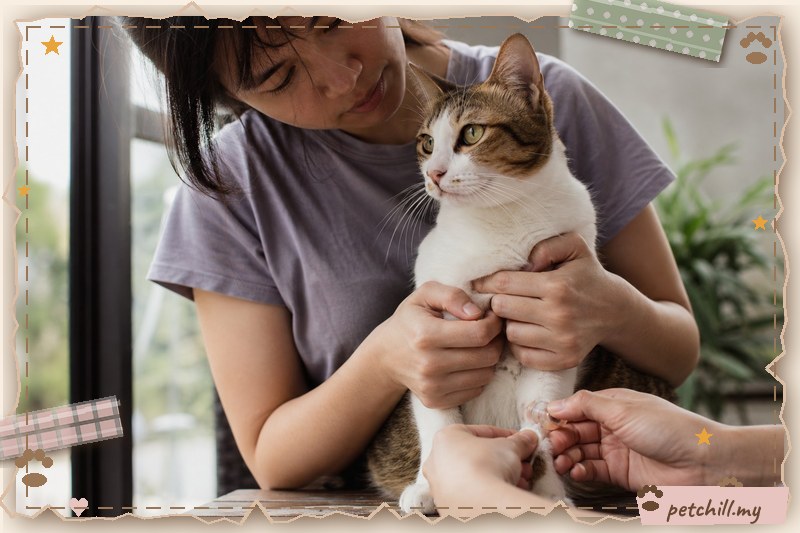
Your vet may ask about your cat's lifestyle, flea control, diet and whether it hunts or goes outdoors. They may examine the cat and check its weight and gums. A stool sample is often useful; some worms are detected by looking for eggs under a microscope. Tapeworm segments may be visible to the eye. Heartworm and lungworm need different tests, which your vet will discuss if signs or risk factors suggest them.
Bring a fresh stool sample if you can, and note any treatments you have already given. This helps avoid duplicate or inappropriate dosing.
Treatment options your vet may use
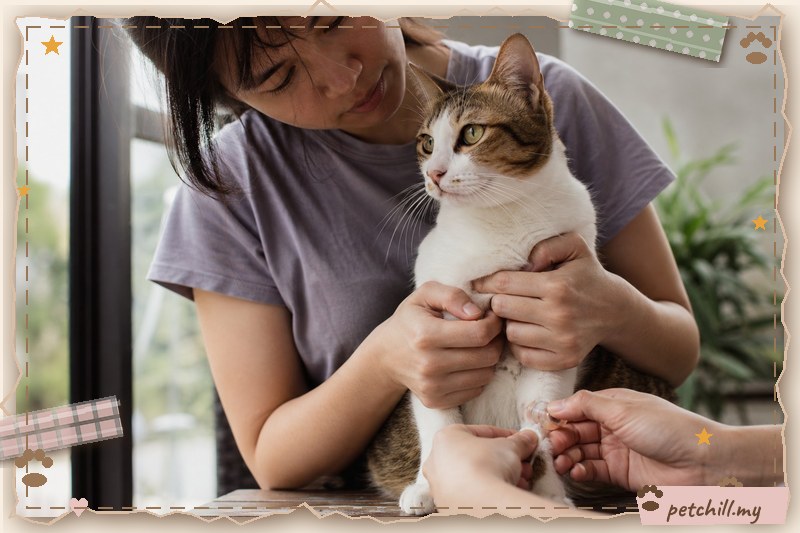
Dewormers come as tablets, spot-on liquids, pastes and sometimes injections. The right choice depends on the worm, the cat's weight, age, pregnancy status and whether other pets in the home need treatment too.
Common active ingredients in cat dewormers include pyrantel, praziquantel, fenbendazole, milbemycin and selamectin, among others. Some products combine several ingredients to cover multiple worm types. Never use a dog product on a cat; some dog dewormers contain ingredients that are dangerous to cats. Also avoid giving a dose based on guesswork, because underdosing can fail to clear the worms and overdosing can cause harm.
Your vet may recommend a repeat dose after a set interval, especially for roundworm and hookworm. Tapeworm treatment usually needs flea control to prevent reinfection. Heartworm treatment is a separate medical process and should not be confused with routine deworming.
Deworming schedules for different cats
| Cat's situation | Typical deworming approach | Notes |
|---|---|---|
| Adult indoor cat, no fleas, no hunting | Every 3 to 6 months | Ask your vet about heartworm prevention |
| Adult cat with outdoor access or hunting | Every 1 to 3 months | Flea control is essential |
| Cat with fleas | Treat worms and fleas together | Tapeworm risk is high |
| Kitten | Follow vet schedule from a young age | Weight-based dosing; do not use adult doses |
| Pregnant or nursing cat | Only under vet guidance | Some products are not suitable |
| Multi-cat household | Treat all cats as advised | Reinfection is common if one cat is missed |
| Senior or unwell cat | Vet check before deworming | Underlying disease may change the plan |
These are general guides. Your vet may adjust them based on your cat's health and local parasite risk.
Kittens and pregnant cats need extra care
Kittens can carry roundworms from their mother and can become seriously ill quickly. They need weight-based deworming under veterinary guidance, often at set intervals as they grow. Do not use adult tablets or split a tablet without advice, because the dose may be wrong.
Pregnant and nursing cats also need a tailored plan. Some dewormers are not appropriate during pregnancy, and treating the mother can help reduce transmission to kittens. Your vet can advise on safe options and timing.
Flea control is part of worm treatment
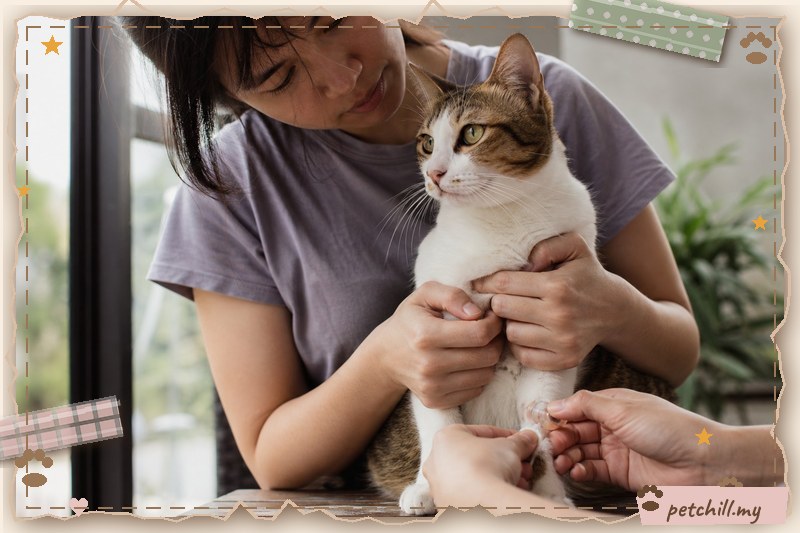
Tapeworm is closely linked to fleas. If your cat has fleas, treating worms alone may lead to repeated tapeworm infections. Use a cat-safe flea product recommended by your vet, treat all pets in the home, and wash bedding regularly. In humid Malaysian weather, flea control needs to be consistent rather than a one-off effort.
Check your cat for flea dirt, which looks like small dark specks in the coat. If you see fleas or flea dirt, mention it at your vet visit so the worm treatment plan can address both problems.
Hygiene at home
Worm eggs can survive in the environment, so cleaning matters:
- Remove cat faeces from the litter tray daily and wash hands afterwards
- Clean litter trays regularly and avoid letting children play near them
- Cover sandpits or sandboxes when not in use
- Wash food and water bowls regularly
- Keep raw food preparation separate and clean surfaces thoroughly
- Encourage children to wash hands after playing outdoors or with pets
- Wear gloves when gardening or handling soil that cats may use
These steps reduce the chance of reinfection and protect people in the household.
Multi-cat homes and apartments
In a Kuala Lumpur apartment, cats may share litter trays and close living space, so one untreated cat can keep reinfecting the others. Treat all cats according to your vet's plan, clean trays daily and separate feeding areas where possible. In a Johor terrace house, cats may have access to a garden or car porch where stray cats pass through. Keep an eye on outdoor access, control fleas and remove faeces from the garden promptly. Penang's rainy season can leave damp soil and standing water around, which supports parasite survival and mosquito breeding, so heartworm prevention and flea control deserve attention during wetter months.
What not to do
- Do not use dog dewormers on cats
- Do not buy unlabelled or unknown dewormers online
- Do not skip flea control if tapeworm has been diagnosed
- Do not assume a single dose always solves the problem; some worms need repeats
- Do not delay a vet visit if your cat is weak, vomiting, losing weight or breathing oddly
When to see a vet
Book a vet visit if your cat has persistent vomiting or diarrhoea, weight loss, pale gums, a pot-bellied appearance, visible worms or segments, coughing or breathing difficulty, or if a kitten is unwell. Also see a vet before deworming a pregnant, nursing, very young or unwell cat, and if you are unsure which product to use. If your cat has been treated but signs continue, a follow-up check can confirm whether another worm type or another health problem is involved.
Preventing worms long term
Prevention is a routine, not a one-time task. Keep deworming dates on a calendar, use flea control consistently, keep cats away from raw meat and prey where possible, and clean litter areas daily. If you take in a new cat or kitten, ask your vet about a quarantine and deworming plan before mixing it with resident cats. Regular check-ups help catch problems early, especially in older cats.
A simple monthly checklist
- Check coat and skin for fleas or flea dirt
- Clean litter trays daily and wash hands
- Note any vomiting, diarrhoea or weight change
- Confirm deworming is due and use the correct cat-specific product
- Keep children's sandpit covered and garden faeces removed
- Review heartworm prevention with your vet if mosquitoes are common in your area
Bottom line
Worms are common but manageable. The best approach in Malaysia is a vet-guided diagnosis, a cat-safe dewormer matched to the worm and your cat's weight, repeat dosing where needed, and consistent flea and hygiene control. Indoor cats still need a plan, and multi-cat homes need all cats treated together. If in doubt, ask your vet rather than guessing.
This article is general information and not a substitute for veterinary advice. Always consult a licensed veterinarian for diagnosis and treatment specific to your cat.
Related reading
- Anemia Prevention for Cats: A Practical Guide for Malaysian Owners
- Blood Test for Cats in Malaysia: What It Checks, Costs and When You Need One
- Cat Swollen Belly Treatment in Malaysia: Causes, Home Care and When to See a Vet
- Coughing Prevention for Cats: A Practical Guide for Malaysian Owners
- Deworming Schedule for Cats in Malaysia: A Practical, Vet-Led Guide
- Deworming Schedule for Cats: A Step-by-Step Plan for Malaysian Owners
- Ear Mites in Cats: Causes and Care (Malaysia Guide)
- Kidney Disease Prevention for Cats: A Practical Guide for Malaysian Owners
- Pet Health in Malaysia: A Practical Prevention Guide for Cats and Dogs
- Seizures Prevention for Cats: A Practical Guide for Malaysian Owners

