
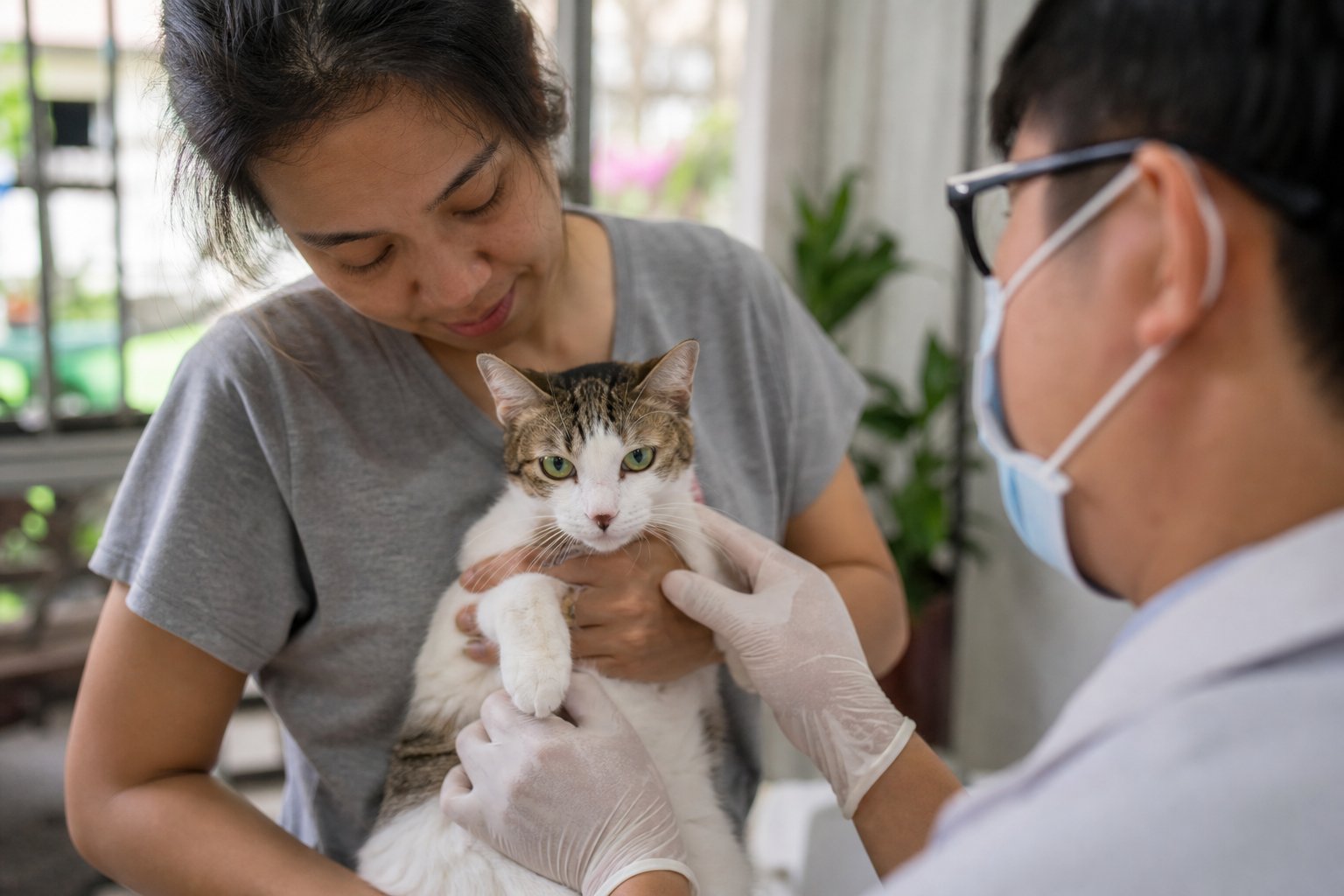
What constipation in cats really means
Constipation is not a single disease. It is a sign that the colon is moving stool too slowly or that stool has become too hard and dry to pass comfortably. A constipated cat may visit the litter box often, squat for a long time, produce small hard pellets, or produce nothing at all. Some cats vocalise or seem uncomfortable after using the tray.
Occasional mild constipation is common and often manageable. Repeated bouts, however, can lead to a backlog of stool, stretching of the colon and a condition called megacolon, where the bowel loses its ability to push stool out normally. That is why pattern matters more than a single missed day.
For Malaysian cat owners, the challenge is often environmental: hot weather, air-conditioned rooms, multi-cat households in apartments, and busy work schedules that make it easy to miss subtle changes in the litter box.
Common causes of constipation in cats
Dehydration and low water intake
Cats evolved as desert hunters and have a naturally low thirst drive. A cat eating mostly dry food may take in far less water than it needs, especially in a warm Malaysian home. Hard, dry stool is often the first visible result.
Low fibre or sudden diet changes
Fibre helps stool hold water and move through the colon. Diets that are very low in fibre, or abrupt switches between brands, can disrupt normal gut rhythm. Some cats also react badly to certain ingredients.
Hairballs and swallowed hair
Long-haired cats and heavy groomers swallow hair that can form a mat in the bowel. Regular brushing reduces the load, but hairballs are not a normal daily event and repeated hairball vomiting should be checked.
Obesity and lack of exercise
Overweight cats have slower gut motility and less room for normal abdominal movement. Indoor cats in small apartments may also get very little activity, which contributes to sluggish bowels.
Stress and litter box problems
Cats are fastidious. A dirty tray, a tray in a noisy area, too few trays in a multi-cat home, or a change in litter type can make a cat hold stool. Stress from moving house, renovation or a new pet is a common trigger.
Underlying medical conditions
Several diseases cause or worsen constipation:
- Kidney disease, which increases water loss through urine
- Hyperthyroidism, which can affect digestion and hydration
- Diabetes mellitus
- Arthritis or spinal pain, making it painful to squat
- Neurological problems affecting the nerves that control the colon
- Pelvic injury or narrowing after trauma
- Tumours or polyps in the bowel
- Medication side effects, including some painkillers and antacids
Foreign material and obstruction
Sometimes the problem is not slow stool but a physical blockage. Ingested string, bone fragments, hair ties or other material can lodge in the bowel. This is a medical emergency, not a case for home remedies.
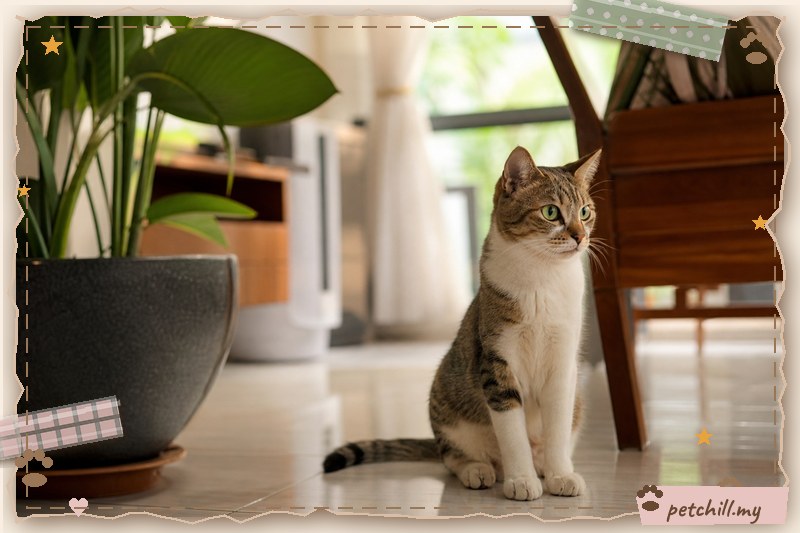
Signs your cat may be constipated
Watch for these clues, especially if several appear together:
- Fewer bowel movements than usual for your cat
- Small, hard, dry stools
- Straining or crying in the litter box
- Spending a long time squatting with little result
- Reduced appetite or vomiting
- Weight loss or a dull coat
- Abdominal discomfort when picked up
- Hiding, irritability or reduced interaction
- Scattered stool outside the tray, sometimes a sign of discomfort
A useful habit is a simple litter box log. Note the date, approximate stool size and consistency. Over a week, this gives your vet far more useful information than a vague memory.
How vets assess constipation
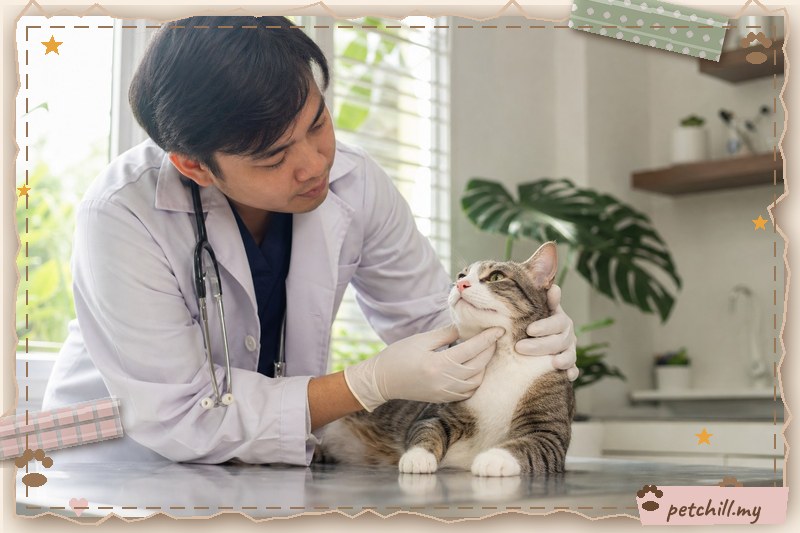
A veterinary consultation usually starts with history: diet, water intake, litter habits, stress changes and medication. The vet will palpate the abdomen to feel for hard stool and check for pain or swelling. They may examine the back and hips for arthritis and check hydration and body condition.
Depending on findings, tests may include blood work, urine testing, X-rays or ultrasound. These help rule out kidney disease, obstruction, tumours and other causes. In some cases, the vet may recommend an enema or manual removal of impacted stool under sedation. Never attempt this at home.
Safe home care for mild constipation
Home care is appropriate only for a cat that is eating, drinking, bright and passing some stool. If your cat is vomiting, lethargic, in pain or has not passed stool for more than 48 hours, skip home care and contact a vet.
1. Increase water intake
- Offer fresh water in several places, away from food and litter
- Try a wide ceramic or stainless steel bowl; some cats dislike narrow bowls that touch their whiskers
- Use a pet water fountain if your cat prefers running water
- Add a little warm water to wet food
- Consider wet food as part of the daily diet, especially for cats prone to hard stool
2. Add gentle fibre carefully
Plain cooked pumpkin, canned pumpkin without sugar or spice, and small amounts of psyllium can help some cats. Introduce very small amounts over several days and monitor stool. Too much fibre without enough water can actually worsen constipation, so water comes first.
3. Keep your cat moving
Short play sessions with a wand toy, food puzzles and gentle chasing games encourage activity. For older or arthritic cats, low-impact play and comfortable resting spots matter more than intense exercise.
4. Review the litter box setup
- Provide one tray per cat plus one extra
- Scoop at least once daily
- Place trays in quiet, easy-to-reach spots
- Avoid covered trays if your cat seems reluctant
- Keep trays away from noisy appliances and busy walkways
5. Reduce hairball load
Brush your cat regularly, especially long-haired breeds. Ask your vet about a suitable hairball product if hairballs are frequent.
6. Manage stress
Keep routines predictable, provide hiding places and vertical space, and introduce new pets slowly. In multi-cat homes, ensure every cat can eat, drink and use the tray without being blocked.
What not to do at home
Some well-meaning remedies are genuinely dangerous:
- Do not give cow's milk; it often causes diarrhoea and does not treat constipation
- Do not use mineral oil, olive oil or human laxatives without veterinary advice
- Do not give enemas at home
- Do not force food or water into a struggling cat
- Do not delay if your cat is vomiting or seems painful
Comparing common approaches
| Approach | Best for | Cautions |
|---|---|---|
| More water and wet food | Most mild cases, especially dry-food cats | Change diet gradually to avoid upset |
| Added fibre (pumpkin, psyllium) | Cats with low-fibre diets | Needs adequate water; go slow |
| Increased play and activity | Indoor, overweight or bored cats | Avoid intense exercise in arthritic cats |
| Litter box review | Stress-related holding | Requires consistency, not one-off changes |
| Grooming and hairball care | Long-haired and heavy groomers | Persistent hairballs need vet review |
| Vet-prescribed laxatives or diet | Recurrent or diagnosed cases | Never self-prescribe; follow vet dosing |
| Enema or manual removal | Impacted stool | Clinic procedure only, never at home |
Preventing constipation long term
Prevention is mostly about daily habits. Keep water available and fresh, feed a balanced diet with appropriate moisture, maintain a healthy body weight, and schedule regular play. Scoop the litter tray daily and watch for changes in stool size or frequency. Senior cats benefit from twice-yearly vet checks, because early kidney disease and arthritis are easier to manage when caught early.
In Malaysian homes, air-conditioning can dry out the environment and reduce spontaneous drinking. Placing water bowls in several rooms and adding wet food can make a real difference. During rainy seasons, some cats become less active and drink less; a little extra play and a warm, dry resting spot can help maintain routine.
When to see a vet
Contact a veterinarian promptly if your cat:
- Has not passed stool for more than 48 hours
- Is straining and producing nothing, especially male cats
- Is vomiting, off food or lethargic
- Cries or shows pain when passing stool
- Has a swollen or painful abdomen
- Has blood in the stool
- Is losing weight or has a dull coat
- Has repeated bouts despite home care
Male cats straining in the litter box need urgent attention because urinary blockage can be life-threatening and can look like constipation.
A practical Malaysian context
Consider a Kuala Lumpur apartment with two indoor cats sharing one covered litter tray. One cat starts producing small hard stools and avoids the tray. Adding a second uncovered tray in a quiet room, switching part of the diet to wet food and scheduling daily play often resolves mild cases. In a Johor terrace house, a senior cat may struggle with arthritis and a long walk to an outdoor tray; placing a low-sided tray indoors and discussing pain management with a vet can make toileting easier.
Final thoughts
Constipation in cats is common, but it should never be ignored. Most mild cases improve with better hydration, gentle fibre, activity and a calm litter box setup. Recurrent cases need veterinary investigation because kidney disease, arthritis, obstruction and other conditions can sit behind the symptom. If in doubt, ask a Malaysian vet rather than trying human remedies.
This article is general information only and is not a substitute for veterinary examination, diagnosis or treatment. Always consult a licensed veterinarian about your cat's health.
Related reading
- Cat Health Guide Malaysia: Symptom Check, Red-Flag Triage & When to See a Vet
- Breathing Difficulty Prevention for Cats: A Practical Malaysian Guide
- Cat Breathing Difficulty Treatment in Malaysia: What to Do and What to Expect
- Cat Hair Loss Treatment in Malaysia: A Practical Owner's Guide
- Cat Ringworm Treatment in Malaysia: A Practical Owner's Guide
- Cat Skin Fungus Treatment in Malaysia: A Practical Owner's Guide
- Cat Swollen Belly Treatment in Malaysia: Causes, Home Care and When to See a Vet
- Constipation in Cats in Malaysia: Causes, Signs and What to Do
- Constipation Prevention for Cats: A Practical Guide for Malaysian Owners
- Dehydration in Cats in Malaysia: Signs, Causes and How to Help
- Dehydration Prevention for Cats: A Practical Guide for Malaysian Owners

